|
Foraging the Hedgerow: Nature's Free Medicine Cabinet
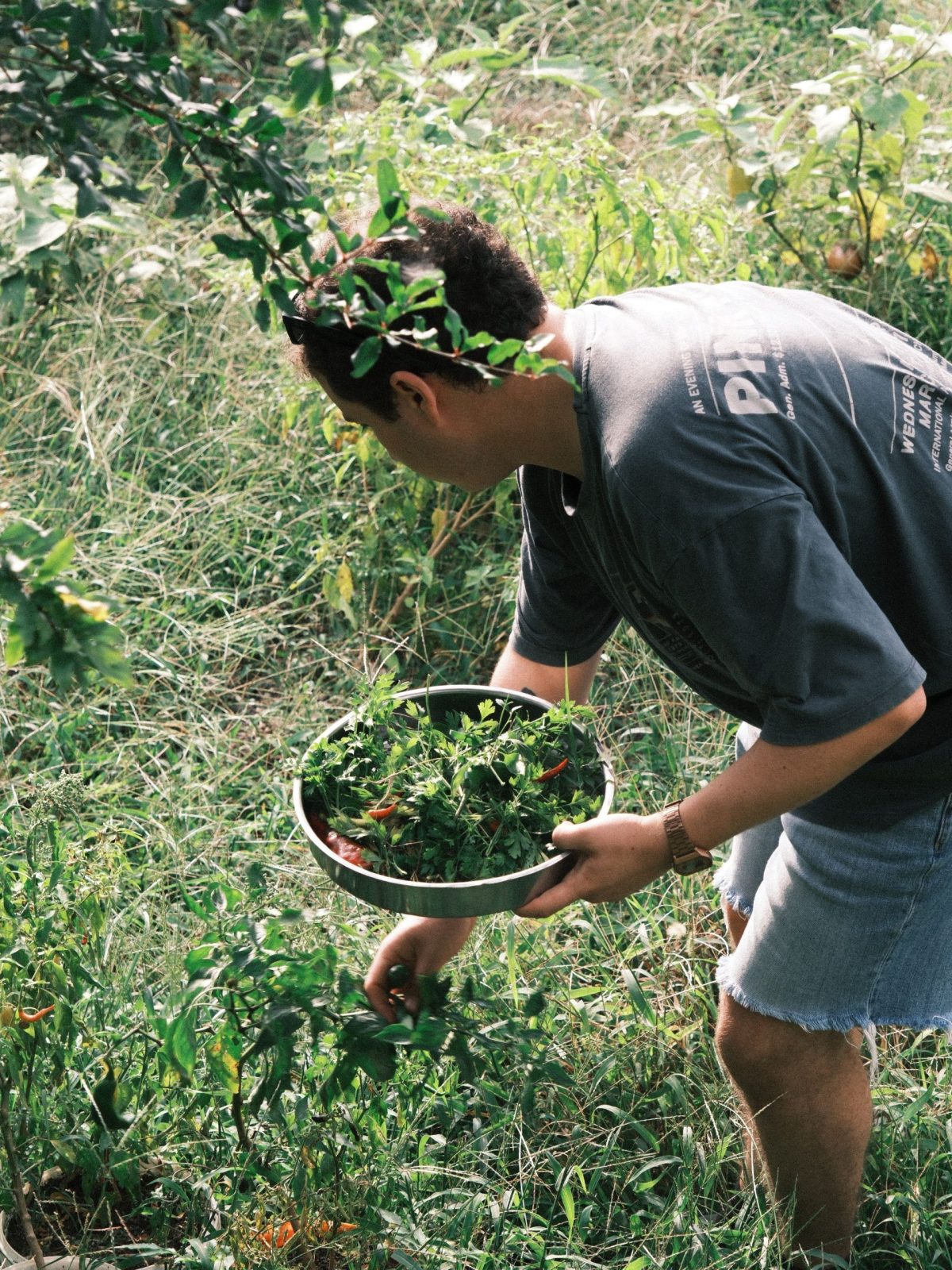
Many of the plants we pull up, mow down, or dismiss as weeds are actually some of the most nutritious and beneficial foods growing around us. Hedgerows, field edges, and wild spaces are home to a wealth of edible plants that have been used for centuries as food and traditional medicine, many of which we have forgotten due to changes in shopping habits and commercialisation of foods.
Weeds, are strong and resilient, not needing attention as with domestic vegetables and fruit. They are usually found in the exact growing locations and conditions that allow them to thrive. Herbs are often more nutritious than most vegetables that we grow or buy. Those with deep root systems have the capability to bring minerals up from far below while also loosening the soil. The diversity of plants enhances soil fertility in turn feeding healthier plants. To complete the cycle, healthier soil - healthier plants - healthier people.
Learning to identify and forage these common plants can provide a seasonal source of vitamins, minerals, and natural remedies while helping reconnect with the landscape around us. When foraging only pick and eat those plants you are sure of to avoid any unfortunate occurrence.
Foraging should always be approached with care and respect. Be responsible and take only what you need. Leave plenty for wildlife and for plants to regenerate. Avoid damaging roots unless specifically harvesting them. Harvest from abundant populations rather than isolated specimens.
Respect protected species and habitats. Remember that digging up a plant on land that is not yours requires permission.
Avoid plants that might have been sprayed with insecticide, plants growing beside busy roads, or industrial areas and any plants that do not have a vital appearance. Some common, abundant plants found at this time of year in the hedgerows and perhaps even your garden:
Dandelion (Taraxacum officinale)
Often considered the king of weeds, dandelion is entirely edible, from root to flower.
Health Benefits: Rich in vitamins A, C, and K. Contains minerals including potassium, calcium, and iron. Traditionally used to support liver function and digestion.Bitter leaves help stimulate digestive juices.
How to Use
- Young leaves can be added to salads.
- Flowers can be used in teas, syrups, fritters and cake.
- Roots can be roasted and used as a caffeine-free coffee substitute.
Nettle (Urtica dioica)
Despite its sting, nettle is one of the most nutrient-dense wild foods available.
Health Benefits: High in iron, calcium, magnesium, and potassium providing a natural boost in spring. Contains vitamins A, C, and several B vitamins. Traditionally used to support joint health and reduce seasonal allergy symptoms.
How to Use
- Cook or blanch before eating to neutralise the sting.
- Excellent in soups, teas, pesto, and savoury dishes.
- Can be dried to drink year-round as a herbal tea.
Cleavers (Galium aparine)
Also known as "sticky weed" or "goosegrass," recognised by their clinging stems and leaves.
Health Benefits: Traditionally used to support the lymphatic system. Helps the body's natural detoxification processes. Contains antioxidants and beneficial plant compounds.
How to Use
- Young shoots can be blended into smoothies.
- Best consumed fresh as a tea or cold infusion.
- Juiced with other greens.
- Add to a stir fry.
Jack-by-the-Hedge (Alliaria petiolata)
Known as garlic mustard, this plant offers a mild garlic flavour without overpowering dishes.
Health Benefits: Rich in vitamin C. Contains natural sulphur compounds associated with the garlic family. Traditionally valued as a spring tonic.
How to Use
- Young leaves can be added to salads.
- Makes a flavourful wild pesto.
- Use as a garlic substitute in cooking stir fries, wraps and mash.
Why Eat Wild "Weeds"?
Many wild plants contain higher concentrations of nutrients than cultivated vegetables. They have adapted to thrive without fertilisers or intensive cultivation and often contain a wide range of vitamins, minerals, antioxidants, and beneficial phytochemicals. Benefits of incorporating wild foods into your diet include:
- Increased dietary diversity - good for the gut microbiome.
- Seasonal nutrition straight from nature.
- Reduced food miles and environmental impact.
- Greater connection with local ecosystems and traditional knowledge.
A Living Hedgerow Pharmacy
The humble hedgerow is far more than a boundary between fields. It is a living ecosystem that provides food, shelter, medicine, and biodiversity. By learning to recognise and responsibly harvest common edible plants such as dandelion, nettle, cleavers and Jack-by-the-Hedge, we can rediscover a rich tradition of seasonal, local nourishment that has supported people for generations. |