
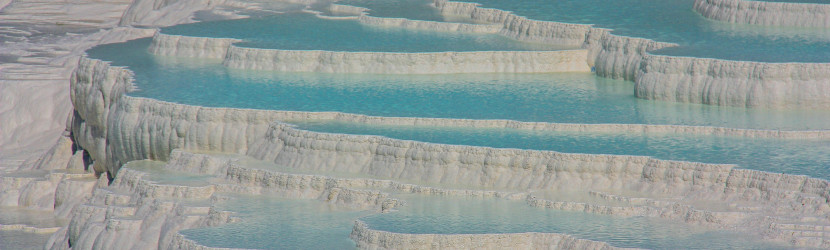
Inspired by a recent experience in Saint Pedro do Sul in Portugal, a source of natural geothermal waters, I investigated the powers of ancient healing waters. For centuries, people have travelled far and wide to soak in thermal waters — long before wellness became a trend. From Roman bathhouses to natural hot springs nestled in mountains, thermal waters have been valued for their restorative properties, offering both physical relief and deep mental relaxation.
Some of the most famous geothermal waters can be found in Europe – the Sky Lagoon in Reykjavik, Rudas Bath and Szechenyi baths in Budapest, Poça da Dona Beija in Portugal, Baden-Baden in Germany and Thermae Bath Spa in England. There are many more geothermal spa locations in Switzerland, Turkey, Slovakia, France and Italy.
With the fast escalation of chronic diseases including anxiety-related disorders, cancers, cardiovascular and autoimmune diseases, these natural mineral-rich thermal waters feel more relevant than ever to be included and integrated into both conventional and complimentary approaches alike.
Thermal waters are naturally heated underground waters that rise to the surface enriched with minerals such as magnesium, calcium, sulphur, sodium, selenium and bicarbonates. Their composition varies depending on geography, but what they share is warmth, mineral density, and a long history of therapeutic use. Unlike ordinary hot baths, thermal waters are constantly renewed by nature, making them uniquely potent.
Key Health Benefits of Thermal Waters
1. Relief for Muscles and Joints
One of the most well-known benefits of thermal waters is their ability to ease muscle tension and joint discomfort. The heat increases blood circulation, helping muscles relax and joints move more freely. This makes thermal bathing particularly beneficial for people with arthritis, chronic pain, stiffness, or sports-related fatigue. Even a short soak can leave the body feeling lighter and more mobile.
2. Improved Circulation and Detoxification
Warm mineral water gently stimulates circulation, supporting oxygen flow and helping the body release metabolic waste. Sweating in thermal waters also encourages natural detoxification through the skin, which is why many people report feeling both energised and deeply relaxed afterwards. It’s a rare combination: restorative without being exhausting.
3. Stress Reduction and Nervous System Reset
Thermal bathing has a profound calming effect on the nervous system. Immersion in warm water reduces cortisol, the stress hormone while encouraging the release of endorphins — the body’s natural mood enhancers. In a world of constant alerts and mental overload, thermal waters offer something increasingly rare: stillness. Many people describe a noticeable improvement in sleep quality and mental clarity after regular visits.
4. Skin Health and Healing
Thanks to their mineral content, thermal waters can support skin conditions such as eczema, psoriasis, acne, and general inflammation. Minerals like sulphur and silica are known for their soothing and anti-inflammatory properties, helping to calm irritation and support skin regeneration. This is why thermal water sprays and spa treatments are often recommended by dermatologists.
5. Support for Respiratory Health
In some thermal spa environments, inhalation of mineral steam or water vapour is used to help relieve respiratory conditions such as sinus congestion, allergies, and mild asthma. The warm, mineral-rich air can help clear airways and soothe mucous membranes.
Beyond the Physical: A Holistic Experience
The benefits of thermal waters extend well beyond the body. Taking time to slow down, disconnect from technology, and immerse yourself in nature supports emotional wellbeing and mental resilience. Thermal bathing encourages mindfulness — you can’t rush it, multitask, or scroll. You simply breathe, float, and reset.
Making Thermal Waters Part of a Modern Wellbeing Routine
You don’t need a week-long retreat to benefit. Even occasional visits to thermal spas or hot springs can support recovery and stress management. For workplaces and leaders increasingly focused on wellbeing, thermal bathing also offers a powerful reminder: rest is not a reward — it’s a requirement.
Final Thoughts
My experience was wonderful on many levels – two hours to simply be and relax in the warmth of the hot baths with several spa massage jets to improve the body’s circulation. The massage jets were very powerful and while not relaxing encouraged lymphatic drainage and circulation impacting positively my whole body through expulsion of toxic waste from cellular waste and environmental factors, while also removing any knots of stress. For the next 24 hours my body was eliminating toxins through increased urination. A peaceful, relaxing and energising experience that was suitably finished off with a 40-minute full body massage and a cup of herbal tea.
Thermal waters remind us that some of the most effective wellbeing practices are also the oldest. Grounded in nature, supported by science, and experienced through the body, they offer a gentle yet powerful way to restore balance through pausing and in doing so, to heal.
References:
Fernandez-Gonzalez M, Fernandez-Lao C, Martin-Martin L, et al. Therapeutic benefits of balneotherapy on quality of life in rheumatoid arthritis. Int J Environ Res Public Health. 2021. https://pubmed.ncbi.nlm.nih.gov/34948827/
Aktaş AM, et al. Warm water baths in complementary medicine: effects on fatigue, pain and sleep quality. BMC Complement Med Ther. 2025.
https://link.springer.com/content/pdf/10.1186/s12906-025-05050-2.pdf
Effects of balneotherapy and spa therapy on levels of cortisol as a stress biomarker: a systematic review. https://link.springer.com/article/10.1007/s00484-018-1504-8
Moini Jazani A, Nasimi Doost Azgomi H, Nasimi Doost Azgomi A, et al. Efficacy of hydrotherapy, spa therapy, and balneotherapy on sleep quality: a systematic review. Int J Biometeorol. 2023. https://pubmed.ncbi.nlm.nih.gov/37145200/
Add new comment