
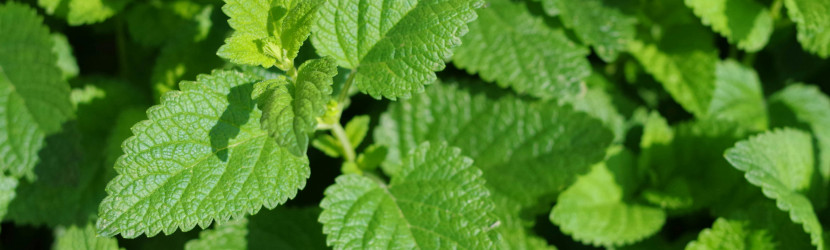
On a warm summer afternoon, sitting quietly in the garden, it is easy to understand why Lemon Balm has inspired herbalists, beekeepers and healers for centuries. Its fresh citrus fragrance drifts through the air, bees gather around its delicate flowers, and even the slightest touch of a leaf releases an aroma that seems to calm both mind and body.
Known botanically as Melissa officinalis, Lemon Balm belongs to the mint family and has been cherished since ancient times. The name Melissa comes from the Greek word for "honeybee," reflecting the plant's remarkable ability to attract pollinators. For centuries, beekeepers have observed that bees are irresistibly drawn to Lemon Balm, often using crushed leaves to encourage swarms to settle into a new hive.
The Bee's Herb
Ancient Greek mythology tells of Melissa, a nymph or priestess who cared for the infant Zeus and fed him honey. Her name became associated with the Melissae, wise women and priestesses who tended sacred temples and practised beekeeping. Whether legend or history, the connection between Melissa and bees has endured for thousands of years.
Modern science offers an intriguing explanation for this relationship. Lemon Balm contains aromatic compounds such as citral and geraniol, which are also found in the Nasonov pheromone produced by honeybees. These scents help bees communicate and identify their home. To a bee, the fragrance of Lemon Balm may signal not only food but also safety, familiarity and belonging.
"Bright flight
Gathering sunlight and nectar,
Returning always
To the sweetness of home."
A Herb with a Long History
Native to the Mediterranean region, Lemon Balm was introduced to Britain by the Romans and quickly became a valued medicinal and culinary herb. Ancient physicians recommended it to uplift the spirits, strengthen memory and calm troubled minds. During the Middle Ages, Arab physicians praised Lemon Balm for promoting wellbeing and longevity. By the sixteenth and seventeenth centuries, it was a popular ingredient in cooling summer drinks and restorative tonics throughout Europe. Today, scientific research continues to support many of these traditional uses. Lemon Balm contains rosmarinic acid, flavonoids and volatile oils that contribute to its calming, antioxidant and antiviral properties.
A Gentle Remedy for Modern Living
In an age characterised by stress, overstimulation and constant demands on attention, Lemon Balm remains one of the most useful herbs for restoring balance. Its primary actions include:
- Relaxant and mild sedative
- Nervine tonic for the nervous system
- Digestive relaxant and carminative
- Antispasmodic
- Antiviral and antimicrobial
- Antioxidant
Research suggests that Lemon Balm may help reduce feelings of anxiety, nervous tension and restlessness while supporting concentration and cognitive performance. Many people find it particularly useful when stress manifests physically through digestive discomfort, bloating, indigestion or nausea. A cup of freshly brewed Lemon Balm tea in the evening can encourage relaxation without causing excessive drowsiness. During the day, its uplifting aroma can help ease mental fatigue and gently improve mood.
Practical Uses Around the Home
Tea for Calm and Clarity: To make a simple infusion, pour freshly boiled water over a handful of fresh leaves (or 1–2 teaspoons of dried herb) and allow it to steep for 5–8 minutes. The resulting tea is refreshing, lightly citrusy and wonderfully calming.
Aromatic Stress Relief: Crush a fresh leaf between your fingers and inhale deeply. The essential oils released can provide a quick sensory lift and a moment of calm during a busy day.
Skin Support: Traditionally, crushed leaves have been applied to minor insect bites, stings and irritated skin. Modern herbal preparations containing Lemon Balm are particularly valued for supporting recovery from cold sores caused by the herpes simplex virus.
Herbal Bath: Place several fresh stems into a muslin bag and hang it beneath the running tap as the bath fills. The warm water releases the herb's aromatic oils, creating a relaxing and restorative soak.
Culinary Uses: Lemon Balm's bright citrus flavour complements salads, fruit dishes, herbal vinegars, summer drinks and pestos. It pairs especially well with fish, chicken and soft cheeses.
Lemon Balm Pesto
Ingredients
1 cup fresh Lemon Balm leaves, firmly packed
½ cup pine nuts
¾ cup grated Parmesan cheese
⅓ cup extra virgin olive oil
3 tablespoons fresh lemon or lime juice
1 tablespoon finely chopped fresh chives
Sea salt and black pepper to taste
Method
Place all ingredients except seasoning into a food processor and blend until smooth. Season to taste and transfer to a sterilised glass jar. Store in the refrigerator for up to one week or freeze in ice cube trays for longer storage. Use with pasta, roasted vegetables, grilled chicken, sandwiches or salad dressings.
A Plant of Joy and Restoration
Lemon Balm is more than simply a medicinal herb. It is a reminder of the restorative power of fragrance, flavour and connection with the natural world. Just as bees recognise its scent as a signal of home, we too may find in Lemon Balm a gentle invitation to return to ourselves, to slow down, breathe deeply and reconnect with a sense of ease.
As the physician and alchemist Paracelsus famously wrote: "There are some substances in which this quintessence is contained in greater quantities than others, and from which it may more easily be extracted. Such substances are especially the herb called Melissa."
Safety Notes
Lemon Balm is generally considered safe for most people when consumed in culinary or medicinal amounts. Individuals taking thyroid medication or those with thyroid disorders should consult a qualified healthcare practitioner before using Lemon Balm regularly, as it may influence thyroid function. Pregnant or breastfeeding women should seek professional advice before therapeutic use.
Add new comment