Blog

Title Spring Cleaning and Renewal: Detoxifying Your Home and Yourself
Body

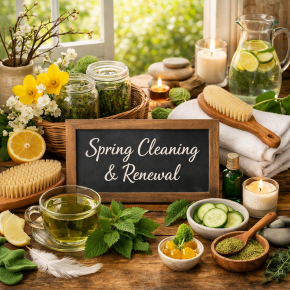
As winter fades and spring begins to unfold, there’s a noticeable shift in energy. Days grow longer, light becomes brighter, and the natural world reawakens with colour and movement. Fresh green shoots, blossoms, and birdsong signal a time of renewal and with it comes a familiar urge: the desire to clear out, refresh, and start again. This is the essence of spring cleaning.

A Tradition Rooted in Renewal

The idea of spring cleaning isn’t new—it spans cultures and centuries. Many traditions reflect this seasonal reset:

In Jewish homes, the preparation for Passover involves thoroughly cleaning the home and removing all leavened products.

In Iranian culture, Khaneh Tekani (“shaking the house”) is part of preparing for Nowruz, the Persian New Year celebrated at the spring equinox.

Similarly, in Chinese tradition, homes are cleaned ahead of the Lunar New Year to sweep away bad luck and welcome good fortune.

In Europe and other Western countries, spring cleaning became practical as well as symbolic. Before modern heating and cleaning tools, winter left behind soot, dust, and stale air from indoor fires. Warmer spring days finally allowed windows to be opened wide, airing out homes and sweeping away months of buildup.

Across all these traditions, the message is consistent: spring is a time to let go of what’s no longer needed, clear out the cobwebs and make space for what’s to come.

The Benefits of Clearing Your Space

A thorough clean goes beyond aesthetics. Physically, it removes dust, allergens, and hidden grime that have accumulated during the darker months. With more daylight, we notice what winter concealed—corners, cupboards, and neglected spaces.

Psychologically, the impact can be just as powerful. Winter often slows us down to match the season of hibernation. Short days and reduced sunlight can affect mood, energy, and motivation. Tasks are postponed, projects linger unfinished, and clutter—both physical and mental—builds up.

Spring naturally brings a shift. Many people experience a lift in mood and motivation, making it the perfect time to:

• Complete lingering tasks

• Declutter and reorganise

• Make decisions that have been put off

• Reconnect with a sense of purpose and momentum

Clearing your environment often creates clarity in the mind.

Extending the Clean: A Gentle Approach to Self-Detox

Spring cleaning doesn’t have to stop with your home. It can also be a time to reset personal habits and support your overall wellbeing. Rather than extreme “detoxes,” try a gentle, sustainable approach:

• Eating more seasonal fruits and vegetables

• Staying well hydrated

• Reducing highly processed and heavy foods

• Supporting natural bodily functions through rest, movement, and balanced nutrition

The body already has highly effective systems for processing and eliminating waste—primarily the liver, kidneys, lungs, digestive system, and skin. Supporting these systems through healthy habits is far more beneficial than drastic or restrictive cleanses.

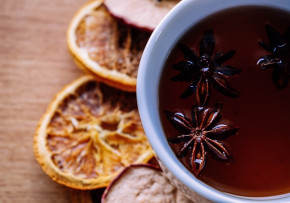
That said, spring often makes healthier choices feel easier. Fresh produce becomes more appealing, lighter meals feel satisfying, and herbal teas or infused waters can be a refreshing alternative to heavier winter drinks.

Traditional Herbal Allies

For those interested in herbal traditions, spring has long been associated with plants that support vitality and seasonal transition.

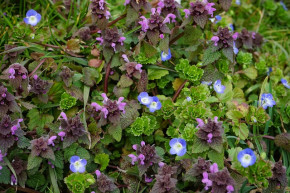
Cleavers (Galium aparine)

A common hedgerow plant, cleavers has traditionally been used to support lymphatic flow and fluid balance. It’s often prepared as a light infusion or tea.

Nettle (Urtica dioica)

Rich in minerals such as iron and magnesium, nettle has been used as a nourishing spring tonic. It’s commonly enjoyed as tea or soup and is valued for supporting energy and general wellbeing.

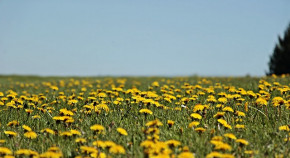
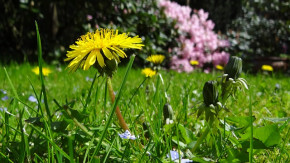
Dandelion (Taraxacum officinale)

Rich in vitamins and minerals including zinc, iron and calcium dandelion lowers lymphatic congestion and supports the liver in detoxifying work. Leaves can be added to salads or enjoyed as a tea.


Historically, herbalists like Nicholas Culpeper wrote about the benefits of these plants in springtime, associating them with clearing the stagnation of winter and preparing the body for seasonal change.

(As with all herbs, check suitability—especially during pregnancy, with medications, or underlying conditions.)

Simple Daily Practices for Renewal

In addition to nutrition, small daily rituals can support that feeling of renewal:

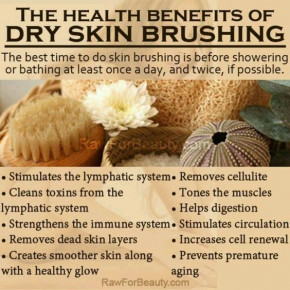
Dry skin brushing

Using a natural bristle brush before showering can help exfoliate the skin and stimulate circulation. Brush gently toward the heart and avoid sensitive or damaged areas.

Fresh air and movement

Opening windows, spending time outdoors, and increasing physical activity can boost both mood and energy levels.

Cold water finishes

Ending a shower with a brief burst of cool water can feel invigorating and help wake up the body. For the braver among us try cold water swimming or pod for a daily dip.

A Season to Reset

Spring offers a natural opportunity to pause, reassess, and refresh—both externally and internally. Whether it’s clearing out a cupboard, finishing a long-delayed task, or simply choosing lighter, more nourishing foods, each small step contributes to a greater sense of balance and wellbeing.

Ultimately, spring cleaning is less about perfection and more about creating space, physically, mentally, and emotionally for new energy to flow in.

Created Date 17 March 2026
Author Rachel Shackleton
Categories
Kinesiology
Featured Image URL
Spring cleaning mind, body and home
Title The Year of the Fire Horse
Body

Perhaps you think that the Chinese philosophy of naming each year after an animal has no meaning, you might be right? On the other hand perhaps there is something in it. This ancient tradition is based on a 12 year cycle. Apparently the Jade Emperor, ruler of heaven and earth, held a "Great Race" across the river and the first 12 animals to reach the palace had a year named in their honour. 17 February 2026 marks the start of the Year of the Horse, sometimes known as Fire Horse, replacing the Year of the Snake who slithers off, having shed its skin for another 11 years before returning.

Symbolically how might we interpret this in relation to leadership? Snakes as we know shed their skin. Shedding skin reveals what is beneath and the true colours of a person. It is no secret that leadership within governments globally has been and still is in chaos, shedding light on individual leadership abilities and characteristics, revealing true colours. Then what? As leaders are left with the light truly shining on them, the horse takes over.

What are the characteristics of a horse? Power, resilience, depth, wisdom, sound judgement, courage and freedom. Applying these characteristics to leadership, I believe we are already seeing leaders who are surfacing from the chaos to show these characteristics by speaking their truth, not hesitating to challenge those who are not living up to the word, who are not making decisions in the interests of those they lead. We see some leaders going against the narrative and sticking their heads above the parapet to speak out about issues that many are afraid to address and even ignore in the hope the issue will go away. Unlikely as the snake has shown those issues by bringing them to light for all to see, should you choose.

Combine the power, grace and freedom of the horse with fire and what happens? Probably does not require spelling out! Fire doesn't hold back it destroys, but at the same time creates ground for something new like the Phoenix rising from the ashes. What is not serving the greater good will likely crash and burn enabling innovation, creation and building of new systems that match the needs of countries, societies and communities, enabling equality, joy and freedom for all.

2026, may turn out to be a difficult year for many as chaos escalates and the familiar systems crumble, but keep focused to the new that will come through. Be positive, share joy and kindness with others, not neglecting yourself and take responsibility for your own leadership rather than waiting for others or expecting government to deliver. Those who lead will have the power of a horse, be courageous, kind and resilient in bringing in abundance for everyone through truth, courage, sound judgement and wisdom.

Buckle up this is going to be a very exciting year.

Created Date 19 February 2026
Author Rachel Shackleton
Categories
Kinesiology
Featured Image URL
Leadership in the Chinese New Year
Title The Healing Power of Thermal Waters: Nature’s Ancient Remedy for Modern Life
Body

Inspired by a recent experience in Saint Pedro do Sul in Portugal, a source of natural geothermal waters, I investigated the powers of ancient healing waters. For centuries, people have travelled far and wide to soak in thermal waters — long before wellness became a trend. From Roman bathhouses to natural hot springs nestled in mountains, thermal waters have been valued for their restorative properties, offering both physical relief and deep mental relaxation.

Some of the most famous geothermal waters can be found in Europe – the Sky Lagoon in Reykjavik, Rudas Bath and Szechenyi baths in Budapest, Poça da Dona Beija in Portugal, Baden-Baden in Germany and Thermae Bath Spa in England. There are many more geothermal spa locations in Switzerland, Turkey, Slovakia, France and Italy. 

With the fast escalation of chronic diseases including anxiety-related disorders, cancers, cardiovascular and autoimmune diseases, these natural mineral-rich thermal waters feel more relevant than ever to be included and integrated into both conventional and complimentary approaches alike.

Thermal waters are naturally heated underground waters that rise to the surface enriched with minerals such as magnesium, calcium, sulphur, sodium, selenium and bicarbonates. Their composition varies depending on geography, but what they share is warmth, mineral density, and a long history of therapeutic use. Unlike ordinary hot baths, thermal waters are constantly renewed by nature, making them uniquely potent.

Key Health Benefits of Thermal Waters

1. Relief for Muscles and Joints
One of the most well-known benefits of thermal waters is their ability to ease muscle tension and joint discomfort. The heat increases blood circulation, helping muscles relax and joints move more freely. This makes thermal bathing particularly beneficial for people with arthritis, chronic pain, stiffness, or sports-related fatigue. Even a short soak can leave the body feeling lighter and more mobile.

2. Improved Circulation and Detoxification
Warm mineral water gently stimulates circulation, supporting oxygen flow and helping the body release metabolic waste. Sweating in thermal waters also encourages natural detoxification through the skin, which is why many people report feeling both energised and deeply relaxed afterwards. It’s a rare combination: restorative without being exhausting.

3. Stress Reduction and Nervous System Reset
Thermal bathing has a profound calming effect on the nervous system. Immersion in warm water reduces cortisol, the stress hormone while encouraging the release of endorphins — the body’s natural mood enhancers. In a world of constant alerts and mental overload, thermal waters offer something increasingly rare: stillness. Many people describe a noticeable improvement in sleep quality and mental clarity after regular visits.

4. Skin Health and Healing
Thanks to their mineral content, thermal waters can support skin conditions such as eczema, psoriasis, acne, and general inflammation. Minerals like sulphur and silica are known for their soothing and anti-inflammatory properties, helping to calm irritation and support skin regeneration. This is why thermal water sprays and spa treatments are often recommended by dermatologists.

5. Support for Respiratory Health
In some thermal spa environments, inhalation of mineral steam or water vapour is used to help relieve respiratory conditions such as sinus congestion, allergies, and mild asthma. The warm, mineral-rich air can help clear airways and soothe mucous membranes.

Beyond the Physical: A Holistic Experience
The benefits of thermal waters extend well beyond the body. Taking time to slow down, disconnect from technology, and immerse yourself in nature supports emotional wellbeing and mental resilience. Thermal bathing encourages mindfulness — you can’t rush it, multitask, or scroll. You simply breathe, float, and reset.

Making Thermal Waters Part of a Modern Wellbeing Routine
You don’t need a week-long retreat to benefit. Even occasional visits to thermal spas or hot springs can support recovery and stress management. For workplaces and leaders increasingly focused on wellbeing, thermal bathing also offers a powerful reminder: rest is not a reward — it’s a requirement.

Final Thoughts
My experience was wonderful on many levels – two hours to simply be and relax in the warmth of the hot baths with several spa massage jets to improve the body’s circulation. The massage jets were very powerful and while not relaxing encouraged lymphatic drainage and circulation impacting positively my whole body through expulsion of toxic waste from cellular waste and environmental factors, while also removing any knots of stress. For the next 24 hours my body was eliminating toxins through increased urination. A peaceful, relaxing and energising experience that was suitably finished off with a 40-minute full body massage and a cup of herbal tea. 

Thermal waters remind us that some of the most effective wellbeing practices are also the oldest. Grounded in nature, supported by science, and experienced through the body, they offer a gentle yet powerful way to restore balance through pausing and in doing so, to heal.

References:
Fernandez-Gonzalez M, Fernandez-Lao C, Martin-Martin L, et al. Therapeutic benefits of balneotherapy on quality of life in rheumatoid arthritis. Int J Environ Res Public Health. 2021.  https://pubmed.ncbi.nlm.nih.gov/34948827/   

Aktaş AM, et al. Warm water baths in complementary medicine: effects on fatigue, pain and sleep quality. BMC Complement Med Ther. 2025.
https://link.springer.com/content/pdf/10.1186/s12906-025-05050-2.pdf

Effects of balneotherapy and spa therapy on levels of cortisol as a stress biomarker: a systematic review. https://link.springer.com/article/10.1007/s00484-018-1504-8

Moini Jazani A, Nasimi Doost Azgomi H, Nasimi Doost Azgomi A, et al. Efficacy of hydrotherapy, spa therapy, and balneotherapy on sleep quality: a systematic review. Int J Biometeorol. 2023. https://pubmed.ncbi.nlm.nih.gov/37145200/

Created Date 10 February 2026
Author Rachel Shackleton
Categories
Kinesiology
Featured Image URL
Geothermal pools  and Natural Healing
Title Embracing Bitter Herbs
Body

Bitter herbs are plants with a distinctly sharp, bitter taste that have been used for centuries to support digestion, cleanse the body, and anchor many healing and seasonal rituals in folk traditions. They work primarily by stimulating the body’s digestive reflexes and vital organs, while carrying a rich heritage of myth, magic, and everyday use in kitchens and health clinics alike. 

How Bitter Herbs Support Digestion and Affect the Body

Bitter herbs contain compounds, often called “bitter principles” that strongly activate bitter taste receptors on the tongue and throughout the digestive tract. When these receptors are stimulated, several coordinated responses occur:

• The body increases saliva, stomach acid, pancreatic enzymes, and bile in readiness for receiving foods you are eating, which collectively improve the breakdown and absorption of fats, proteins, and carbohydrates.

• The vagus nerve and the gut’s enteric nervous system are triggered, shifting the body from a “fight‑or‑flight” state into a more “rest‑and‑digest” mode, which can calm the system and improve digestive motility.

• The liver and gallbladder are stimulated to secrete bile, supporting detoxification pathways and helping clear metabolic waste, environmental toxins and hormones more efficiently, acting as a solvent to break down food for absorption. The quantity and quality of these fluids ensure proper nutrition. A western diet, focused on carbohydrates and sugars often lacks bitters, leading to deficiencies. Many digestive problems can be caused by lack of bitters in the diet. Inadequate stomach acid will prevent uptakes of minerals which in turn robs the body of essential nutrition needed for wellness. It was James Green who coined the phrase “Bitter Deficiency Syndrome” in the Male Herbal. “It is in my opinion that the nearly complete lack of bitter flavoured foods in the overall U.S and Canadian diet is the major contributing factor to common cultural health imbalances such as PMS, other female and male sexual organ dysfunctions, hormonal imbalances, migraine headaches, indigestion, liver and gall bladder dysfunction, abnormal metabolism, hypoglycaemia, diabetes etc.”.  

Because of these simple, but important actions, bitter herbs are traditionally used to help with low appetite, sluggish digestion, gas and bloating, mild constipation, and general digestive weakness, as well as to gently support liver and metabolic health.

Key Functions and Actions of Bitter Herbs 

Herbalists often talk about bitters in terms of their actions—what they do in the body. Different bitter herbs have different strengths and personalities, but many share common themes:

Digestive tonics - Encourage appetite before meals. Support digestion of heavy, fatty, or rich foods and help regulate gut motility, easing both sluggishness and in some cases, overly loose stools.

Liver and gallbladder support - Stimulate bile production and flow, supporting fat digestion. Assist the liver’s processing of hormones, environmental chemicals, and metabolic by‑products. Used traditionally for “sluggish liver,” skin eruptions, and feelings of heaviness after eating.

Metabolic and blood sugar support - Some bitters are used traditionally to balance blood sugar after meals and reduce sugar cravings. By improving digestion and nutrient absorption, they can indirectly support energy levels and overall vitality.

Nervous system effects - Many bitter herbs are also relaxing or “grounding,” helping re‑regulate the nervous system when stress is disturbing digestion. Some are classed as “trophorestoratives” for the nervous system, used long‑term to rebuild resilience and tone.

Cleansing and eliminative support - Springtime “cleanse” traditions often focus on bitter greens to encourage elimination through the bowels, skin, and kidneys, clearing winter heaviness and sluggish metabolism. Some bitters have mild laxative, diuretic, or diaphoretic (sweat‑promoting) properties, contributing to this cleansing reputation.

Folk Traditions and Folklore

Bitter herbs appear in folk medicine and magical traditions of many cultures, where their sharp taste, intense smell, and strong physiological effects often mirror symbolic meanings and give an understanding as to why they are eaten at particular times. For example, spring greens such as dandelion and chicory have long been eaten in Europe and the Mediterranean as the first fresh bitter foods after winter, symbolising renewal, blood “cleansing,” and the awakening of vital energy. In the Mediterranean countries bitter foods are often eaten at the start of a main meal, for example a mixed leaf salad, often including rucola, endive, radicchio, watercress and Lamb’s lettuce depending on the time of year.

Protection, boundary, and banishing themes - strong bitters like wormwood and mug wort are often associated with protection and warding in European folk magic, sometimes hung in doorways, burned as incense, or used in ritual baths. The sharp taste and sometimes toxic potential mirror their symbolic use for “cutting away” unwanted influences or parasites, both literal and metaphorical.

Traditional village herbalists historically used bitter herbs like gentian, dandelion, and yarrow as standard remedies for “poor digestion,” “bad liver,” or “thick blood.” 

Bitter herbs tend to be grounding, helping to strengthen connection to one’s instinct. In grounding they take you out of your head into the present moment. This has to do with the gut – head or brain connection. People who are ungrounded tend to live in their head, where their thoughts are.

The energetics of bitter herbs also help to relieve and let go of rage, anger and frustration which are connected and housed in the liver and gall bladder. 

Examples of Common Bitter Herbs in the Countryside

Bitter herbs as with all other plant medicines appear at the time when they are most needed. Bitter plants are rampant in the spring as they are used for cleansing and clearing the liver and most continue through summer to support environmental detoxification and digestion while continuing cleansing and lessening the urge for heavier and sugary foods. Below are descriptions of some widely used bitter herbs, their character, and typical folk or traditional uses. Keep in mind that some of these plants are quite strong and may have contraindications; they are examples to study, not a prescription.

Dandelion (Taraxacum officinale) Traditionally described as a plant of resilience and persistence, thriving in “poor” ground, teaching adaptability. Leaves are mildly bitter and diuretic, often eaten fresh in salads as a spring tonic. Roots have a stronger bitter taste, used traditionally as a liver and digestive tonic and as a gentle “blood cleanser.” Flowers may also be eaten, adding colour to salads.

Wormwood (Artemisia absinthium) Traditionally taken in closely supervised doses for digestive sluggishness, loss of appetite, and intestinal parasites. May promote vivid dreams. Very potent herb, to be handled with respect.

Mugwort (Artemisia vulgaris) Aromatic bitter used for weak digestion, gas, and cramps. Often used in traditional practices to bring on delayed menstruation and ease period pains (not for use in pregnancy). Horses are particularly partial to this herb seeking it out in the summer to cleanse intestinal parasites they might have picked up from spring grass.

Vervain (Verbena officinalis) Bitter-nervine herb that bridges digestion and the nervous system, used for tension, low mood, and stress‑related gut issues. This beautiful plant is considered a sacred plant in various European traditions, connected with inspiration, ritual purification and the strengthening of intent.

Chicory (Cichorium intybus) Common roadside plant with blue flowers and bitter roots. The roasted root is used as a coffee substitute and digestive tonic. It is rich in inulin, a prebiotic fibre that supports gut flora. Sometimes associated with endurance and the ability to thrive in hard conditions.

Yarrow (Achillea millefolium) Aromatic bitter used for digestion, fever management, and wound care in European folk traditions. The plant’s feathery leaves and associations with warriors link it to courage, boundary‑setting, and “holding things together” physically and emotionally.

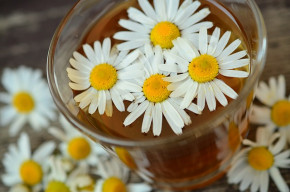
Chamomile (Matricaria chamomilla) Mildly bitter with strong calming, carminative (gas‑relieving) and anti‑spasmodic actions. Very suitable for relieving nervous stomach, colic, irritability, and trouble sleeping in children as it has a slight sweet taste.

Using Bitter Herbs in Day-to-Day Life

Today, bitter herbs show up in everything from tincture blends and teas to cocktails and non‑alcoholic aperitifs. If you are exploring bitters:

• Teas, infusions, and decoctions offer gentler, more hydrating preparations. Best taken after a meal.

• Culinary uses— add to salads and eat before the main meal. Sorrel makes a beautiful, wholesome and tasty soup. 

• Tinctures – professionally prepared bitter formulas to be taken as recommended by your practitioner.

Bitter herbs reflect what we are avoiding – we avoid the bitter taste because it challenges us through how it makes us feel – uncomfortable. Those with emotional bitterness often express resentment and spite, but what is really occurring is stagnation, the inability to release a belief or feeling that no longer serves but hinders growth, development and ultimately wellbeing. The bitter person avoids the very thing they need to let go. Herbs of all kinds engage not only the physical, but mental, emotional and spiritual levels also.

Notes of caution 

Strong bitters (e.g., Gentian, Wormwood, Mugwort, Andrographis) can be too stimulating for some people and are not appropriate in pregnancy, with certain conditions, or alongside specific medications.

Individuals with active ulcers, very high stomach acid, or gallbladder disease need tailored advice.

Consultation with a qualified herbal practitioner or healthcare professional is advisable before using strong or unfamiliar herbs.


Feeling sluggish - in need of a cleanse https://greenkeyhealth.co.uk/greenkey/contact


References:

Green, James The Male Herbal: Health Care for Men and Boys. California, The Crossing Press, 1991

Created Date 26 January 2026
Author Rachel Shackleton
Categories
Kinesiology
Featured Image URL
Bitter Herbs to Relieve Digestion
Title WINTER - A TIME FOR RENEWAL
Body

Many of us struggle at this time of year with the cold, damp, short days and long nights. I feel I have to accomplish everything by 430pm when the sun goes down even though there is still many hours before bed. Mind you having said that, by 6pm I’m ready to retire, but usually manage to avoid that temptation! 

What is really happening? As many animals hibernate at this time of year, so is the instinct of the human body. Nature gives us the example, trees and bushes shed their leaves, plants stop producing chlorophyll in order to focus on renewal ready for the spring when massive amounts of energy are required to produce, blossoms, leaves and flowers to start the new cycle of vitality and abundance. Humans need to do the same. It is time to release all unnecessary things that take and deplete energy at this time of year. Go inward focusing on renewing yourself through good sleep, hydration, warming and nourishing foods in place of lighter cold foods.

December and January is the time when seasonal bugs fly around and if you are already feeling tired, run down or fatigued, you will be the first candidate. While unpleasant, sometimes we should thank these bugs, because they do exactly what your body has been telling you – slow down, take rest and care for yourself physically and mentally. When we ignore signs and symptoms to take our foot off the accelerator, the body will get louder and louder until it takes things into its own hands and puts you to bed with a warm duvet, fluffy pyjamas and a cup of hot lemon, honey and ginger – perhaps even steaming hot chocolate with cardamon!

What’s on the Menu?

Eating seasonally is one of the foundations of good health and vitality. When eating foods out of season we are going against the natural circadian rhythm and quite likely depleting ourselves possibly thinking we are doing a good thing. Nature has a superior intelligence, both in each specific plant whether flower, vegetable or fruit, but also as a whole. There is a reason why leeks, root vegetables and cabbage naturally grow well at this time of year. These are the foundations of a warming, healthy and comforting diet. As with everything, there might be exceptions, for example if you are diabetic, too many root vegetables in your diet are not advisable, as they have higher concentration of sugars.

Listen to your body and if it is craving warming, hearty foods, nourish and support your immune with stews, casseroles, hot soups and warm drinks to keep yourself fuelled, warm and happy emotionally, mentally and physically.

Listen to Your Body

We are whole, unique and fabulous. Looking at the whole – mental, physical, emotional and spiritual through lifestyle, diet, mindset, sleep, activity and hydration is always going to be the full answer. When it comes to food and what you eat, your body will always tell you what it needs. There is one caveat, – if your diet is based on processed foods and simple carbohydrates, the additives in processed food, stimulates the addictive pathway within the brain, causing you to crave more of the same. If locked in this cycle, introduce more vegetables, especially green leafy veg and slowly re-educate your body to eat good whole and natural foods rather than grab that take-away or processed ready microwave meal from the supermarket.

Be quiet, go inside yourself and listen to what your body is telling you. Meditate and let go of any tension or stress in the body. Be curious about emotions that arise, let the negative ones go, thanking them for the message they have delivered and returning them to the Universe.

Nature is a Cure

When its grey, damp and perhaps even raining, going outside is not that attractive, but amazing how it affects mood, general feelings of wellbeing and the lymphatic system through movement. Lymph requires a pump to work and that pump is movement. Without moving, the body literally becomes stagnant with toxins, free radicals and cellular waste making us feel heavy, fatigued and blobby. 

At this time of year, nature gently shares the need to slow down and focus inwards. It’s a great calmer of the nervous system and restorative for an over-active mind, bringing everything into balance.

If the weather really is uninviting, move your body mindfully. Walk, dance, do some yoga moves or gentle stretching exercises all part of helping build the mind-body connection. 

Join a Social Group 

At any time of year belonging to a group who you enjoy some sort of activity with is emotionally and mentally uplifting while giving something to look forward to. If you don’t already know, find out what is going on locally – walking, cycling groups, line dancing, singing, Tai Chi and so on. When you feel a little down or not wanting to go out it will be the group members who help you find the motivation to remind you how much fun you have and how much this activity benefits you mentally and physically. 

Succumb to the forces of nature and be kind to yourself at this time of year. Allow time for selfcare and renewal. Connect with family and friends, laugh a lot and listen to your physical and emotional needs while nourishing the soul.

As Jeanne Phillips (Author) said “You can be a devoted and loving spouse, or caregiver or child, but you also have to remember to program time for yourself in there, as it will renew you.”

Wishing you all a fabulous, fun filled and blessed Christmas and a very happy, healthy 2026.

Created Date 11 December 2025
Author Rachel Shackleton
Categories
Kinesiology
Featured Image URL
Winter warmers
Title Let Food Be Thy Medicine and Medicine Be Thy Food – A Lesson from Hippocrates
Body

Over 2,000 years ago, Hippocrates, often called the “Father of Medicine,” shared a simple truth that continues to echo through the centuries: “Let food be thy medicine and medicine be thy food.”

In our fast-paced, convenience-driven world, this quote feels more relevant than ever. Today, food is too often treated as a quick fix for hunger rather than the foundation of our health. Yet Hippocrates’ wisdom reminds us that every bite we take has the potential to heal—or to harm.

The Power of Everyday Choices

Modern science continues to confirm what ancient philosophy already knew: the nutrients in food directly influence our physical health, mental clarity, and emotional balance.
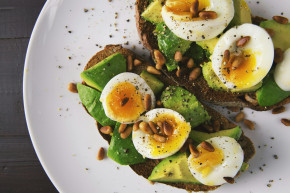
A diet rich in whole, natural foods—fresh vegetables, fruits, whole grains, legumes, nuts, and lean proteins—helps the body function as it was designed to. These foods don’t just provide energy; they support immunity, reduce inflammation, balance hormones, and even influence mood and focus.
Contrast this with the processed, high-sugar, high-fat options that line our supermarket shelves, fill many lunch breaks and mid-morning and late-night snacks. These foods may satisfy temporarily, but over time they drain our energy, weaken our immune systems, and contribute to chronic conditions that medicine alone cannot fully reverse.

Why High-Sugar and High-Fat Foods Work Against Us

While occasional indulgence is part of a balanced life, regular consumption of foods high in sugar and unhealthy fats has long-term consequences that go far beyond weight gain.

1. The sugar rollercoaster

Sugary foods cause a rapid spike in blood glucose levels, followed by an equally rapid crash. This cycle leaves us tired, irritable, and craving more sugar—a biochemical loop that can lead to insulin resistance and, over time, type 2 diabetes. 
Excess sugar also increases inflammation in the body, which contributes to everything from joint pain to cardiovascular disease and even cognitive decline. In short, what feels like an instant boost of energy is often borrowed vitality that must be repaid later with fatigue and imbalance.

2. The hidden cost of unhealthy fats

Not all fats are created equal. Healthy fats—like those found in olive oil, avocado, nuts, and oily fish—are essential for brain function, hormone production, and cell health.
But trans fats and excessive saturated fats (often found in processed and fried foods) disrupt these systems. They raise “bad” LDL cholesterol, lower “good” HDL cholesterol, and increase the risk of heart disease and stroke.
Over time, these fats also contribute to chronic inflammation, which silently damages blood vessels, organs, and tissues, accelerating the aging process from within.

3. The gut connection

Ultra-processed foods, high in sugar and artificial ingredients, damage the gut microbiome—the ecosystem of beneficial bacteria that supports digestion, immunity, and even mental wellbeing. A compromised gut can lead to poor nutrient absorption, mood imbalances, and a weakened immune system.
Simply put, when we regularly feed our bodies low-quality fuel, every system suffers.

Food as Preventative Care

We often turn to medicine when we are already unwell—but imagine if we viewed our diet as a daily dose of preventative care. A colourful plate is not just appealing to the eye; it’s a visual reminder of diversity in nutrients—each colour representing unique vitamins, antioxidants, and phytochemicals that feed, protect and restore.
It’s not about rigid diets or deprivation, but about conscious nourishment. By tuning in to what our bodies need and fuelling them with intention, we strengthen our resilience long before illness strikes.

Modern Application

In today’s world, “food as medicine” doesn’t mean rejecting medical science—it means complementing it. While pharmaceuticals have their vital place, no prescription can replace the consistent benefits of a nutrient-dense diet.
Healthcare systems worldwide are beginning to recognise this. From “food prescription” programmes in clinics to corporate wellness initiatives promoting healthy eating, the shift toward nutrition as a foundation for wellbeing is gaining traction.

Practical Steps to Live the Quote

Here are a few ways to bring Hippocrates’ wisdom into your daily routine:
Eat with awareness. Notice how different foods make you feel—energised, sluggish, balanced, bloated.
Prioritise plants. Make vegetables and fruits the main act, not the side dish
Choose whole over processed. If it comes in a packet and you can’t pronounce the ingredients, rethink whether this is going to be “thy medicine.”
Stay hydrated. Water supports every cellular process, including digestion and detoxification.
Practice balance, not perfection. Enjoy indulgences now and again, but make your everyday meals count toward long-term health.

A Closing Thought

Hippocrates may not have known about modern diseases or the complexities of today’s lifestyle, but his message still cuts through the noise: health begins on our plate.
When we let food be our medicine, we take back one of the most powerful tools for wellbeing—the daily choice to nourish, heal, and thrive.

Created Date 07 November 2025
Author Rachel Shackleton
Categories
Kinesiology
Featured Image URL
Nutrient-rich foods and meals
Title Fuel Performance - Why Leaders cannot Afford to Ignore Nutrition
Body

In today’s high-pressure business world, it’s easy to grab a soapbox about healthy eating—then realise that daily realities make it far harder than it sounds. Consider the challenges we all face:

• Demanding jobs and deadlines that leave little time to prepare food.

• Back-to-back meetings that mean lunch is whatever you can grab in five minutes.

• Stress from the unexpected—technical glitches, urgent client requests, supply chain disruptions.

• Family responsibilities—school runs, after-school activities, caring for children or elderly parents.

Add them together, and it’s no surprise many professionals rely on quick fixes: takeaway meals, vending machine snacks, energy drinks, or ultra-processed convenience food.


The Business Case for Better Nutrition

The link between nutrition, productivity, and long-term health is well established. The human brain consumes around 20% of our body’s total energy—more than any other organ. When fuelled with nutrient-rich food, we think more clearly, make better decisions, and stay resilient under pressure. When fuelled with high-sugar, heavily processed food, performance declines—often without us realising.

Common effects of poor workplace eating habits include:

• Afternoon energy slumps and reduced concentration.

• Increased sick days due to lower immunity.

• Brain fog, forgetfulness, and slower problem-solving.

• Long-term risk of metabolic diseases, including Type 2 diabetes and dementia.

A 2023 study published in The Lancet Public Health found that diets high in ultra-processed foods were linked to increased rates of cognitive decline and depression. For knowledge workers, this is not just a personal health risk—it’s a productivity risk for the whole organisation.


The Hidden Sugar Trap

Sugar remains a major contributor to poor health outcomes. It’s not just in cakes or sweets—many “everyday” products contain hidden sugars, from ready-made soups to salad dressings. In the UK, research from Action on Sugar (2022) revealed that over 60% of popular savoury snacks and ready meals contained unnecessary added sugar.


This is not simply about avoiding sweet treats—it’s about awareness. If leaders want high-performing teams, they must encourage better choices and make them easy to access in the workplace.


How Businesses Can Support Healthy Eating

Changing habits starts with awareness and small, achievable actions:

• Make water the default – Provide filtered water stations in the office and encourage regular hydration.

• Offer seasonal, whole foods – Fresh fruit, vegetable platters, nuts, and whole grains support sustained energy.

• Limit ultra-processed snacks – Replace high-sugar, high-salt vending options with healthier alternatives.

• Encourage mindful eating – Protect lunch breaks from meeting creep so employees can eat without rushing.

• Promote healthy fats – Avocados, nuts, oily fish, and olive oil support brain health and reduce inflammation.

• Educate and engage – Short workshops or webinars on nutrition can help teams make better daily decisions.


Why This Matters for Leadership

Leaders set the tone. A workforce running on caffeine, sugar, and adrenaline is a workforce operating well below potential. By contrast, when healthy eating is part of company culture:

• Creativity and focus improve

• Stress resilience increases

• Employee satisfaction and retention rise

• Good nutrition is not just a “wellness perk”—it’s a business performance strategy.


References:

Monteiro, C.A. et al. (2023). Ultra-processed food consumption and risk of cognitive decline. The Lancet Public Health.

Action on Sugar (2022). Hidden sugars in everyday foods report.

Harvard Business Review (2020). The Business Case for Employee Wellbeing.

Created Date 14 October 2025
Author Rachel Shackleton
Categories
Kinesiology
Featured Image URL
Performance and productivity increases when the body receives balanced nutrition
Title SPOTLIGHT ON VITAMIN C
Body

At this time of year we naturally think about our immune system, wanting to be sure that it is functioning well and fully to manage the transition from the warm and hot summer days to cooler days and colder, longer nights. Vitamin C is perhaps the one vitamin that stands out as it plays an important role in helping the body fight both bacterial and viral infections more prevalent at this time of year. 

Found throughout the body it also plays a role in promoting growth and repair of body tissues and ensuring healthy gums and skin. It plays a part in helping to strengthen capillaries and cell walls and is crucial for collagen formation. Through these functions vitamin C prevents bruising, promotes healing and keeps ligaments, tendons and gums strong and healthy. In addition, it helps with absorption of iron from foods we eat.

An antioxidant, it combats free radicals in the body caused by stress, pollution and some aspects of our diet. Protection against free radicals is not just within the body, but also the brain in combination with vitamin E. It is found in the intracellular fluid where it searches free radicals and then destroys them. In viral infections it suppresses the virus replication and eliminates virus-infected cells. 

Vitamin C can also help in the prevention of cataracts. In one study, women who took vitamin C for 10 years or more had a 77% lower rate of early lens opacities, the first stage of cataracts, than those who did not supplement with vitamin C.

As vitamin C plays a key role in supporting and boosting the function of the immune system, it’s important to include vitamin C rich foods in our daily diet. Main sources of vitamin C include:

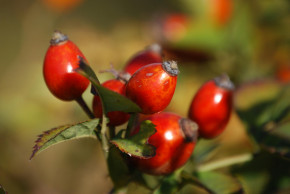
Berries, citrus fruit, kiwi, green and red peppers, Brussel sprouts, green leafy vegetables, tomatoes, parsley, as well as elderberries, hawthorn berries and rosehips that adorn our hedgerows at this time of year.

It is difficult to ensure sufficient Vitamin C from our diet even if eating lots of fruit and vegetables, as it oxidises quickly when exposed to air and as a water-soluble vitamin during cooking.

Actions to maximise vitamin C in your diet:

• Avoid chopping vegetables hours before cooking to preserve maximum vitamin C potency.

• Buy fruit and vegetables that are in season wherever possible.

• Try to avoid storing fruit and vegetables for a long time before eating. For example, potatoes freshly dug in Autumn yield approximately 30mg vitamin C as opposed to 8mg when stored until spring.

• Vegetables are best steamed rather than boiled in water. If needing to boil, always plunge veggies into boiling water to avoid loss while the water is heating up.

• Cook vegetables as quickly as possible as 25% vitamin C can be lost in just 15 minutes of cooking.

How do you know you are deficient?

In the early 1700’s lack of vitamin C was known to cause scurvy. Nowadays, in developed countries deficiency is rather rare due to the availability of fresh produce and the addition of vitamin C to certain foods and supplements, but may still affect those members of society who are unable to buy fresh fruit and vegetables.

The most common risk factors for vitamin C deficiency are poor diet, alcoholism, anorexia, severe mental illness, smoking and dialysis. Symptoms of vitamin C deficiency can take months to develop, but subtle signs to look out for are:

• Rough, bumpy skin

• Dry skin and hair 

• Spoon shaped nails 

• Poor immunity – constant colds and or flu

• Sores that do not heal

• Easily bruised

• Unexplained weight gain 

• Low energy and fatigue

• Painful swollen joints 

• Bleeding gums and tooth decay

Can you take too much vitamin C?

If the dose of vitamin C is too high, it will likely result in loose stools, diarrhoea, flatulence and bloating. In fact, an adequate dose is often titrated to the point that the dose causes diarrhoea to understand the threshold. Too much vitamin C may also interfere with absorption of selenium and copper and possibly lead to kidney stones in susceptible individuals.

Dosage:

For general health it is recommended 200mg a day through your diet and if needed supplement. If feeling under the weather or suffering from a cold or flu this can be increased to 1000mg, taking split doses over the day. Best taken with food. We are all individual and therefore these are recommended doses only. There may be a variation from person to person.

Add naturally to your diet

The hedgerow is rich in vitamin C starting from late August with Blackberries through rosehips in mid-October. Notice how nature prepares us for the winter. This year I made elderberry jelly which can be used in casseroles, on toast or when feeling you are coming down with something. Diluting a spoonful in a cup of boiled water gives plenty of vitamin C while also acting as a febrifuge, expectorant, anti-inflammatory, immunostimulant, antibacterial and antiviral. Rosehips can be dried and used in tea or made into a jelly or jam as elderberries. Full of vitamin C and antioxidants rosehips are anti-inflammatory, immunostimulant and may also lower blood pressure and aid with reducing pain in osteoarthritis through reducing inflammation and oxidative stress on the joints.

Note: 

If you suffer kidney stones or disease, or haemochromatosis (genetic tendency to store iron) limit your daily intake to 500mg. 

Vitamin C can interfere with the accuracy of medical tests for diabetes, colon cancer and haemoglobin levels. Inform your doctor if taking vitamin C.


References:

Readers Digest Guide to Vitamins and Minerals

Boost your Immune System Naturally, Beth Maceoin

Change your Diet – Change your Mind, Dr Georgia Ede


Created Date 17 September 2025
Author Rachel Shackleton
Categories
Kinesiology
Featured Image URL
Rosehips rich in vitamin C
Title YOU ARE NOT A STORAGE UNIT FOR YOUR EXPERIENCES AND EMOTIONS
Body

Have you ever moved house or travelled for an extended period and prior to going taken all your worldly possessions and put them into storage? Something like a “Big Yellow” storage unit. When returning for your possessions you were diligently emptying the unit and as you load your things on to the oversized trolley you are asking yourself “Why have I paid to put this into storage?” We do exactly this with our emotions, except it isn’t a “Big Yellow” unit, it is your heart, liver, kidneys and other organs that are playing host to your past negative experiences and the emotions that go with them. In this case there is no cost – not financial anyway.

On a recent soul retreat, I was extremely blessed to share 10 days with some incredible people. What made them incredible? Their willingness to share, to comfort, to accept you irrelevant of how you showed up, simply without judgement and always through unconditional love. This is special, yet something that we all have when our hearts, minds and bodies are free of past experiences and emotions that go with those experiences. I can almost hear you saying “Well, that’s easier said than done.” Yes, I might agree to a certain extent. As with everything in this life we have choices, these situations are no different.

Emotions whether positive or negative have an impact on our physical health, if negative and stored will ultimately manifest as chronic disease. All dis-eases have an emotional foundation. Filling your storage unit up will one day blow the door off. Welcome to the anatomy of disease. Would you put more into a storage unit that is full to capacity? You might try, but when it doesn’t succeed in frustration you slam the door shut and hope it stays that way. Your body has a capacity and when full shows up in the form of dis-ease. This means that you recognise that you don’t feel on top of your game, possibly go to the doctor and get some medication to numb the symptoms. Putting the storage unit door on the latch rather than being fully shut doesn’t work. Why should it work with your personal health?

Playing victim role and reeling off the reasons why you cannot, you have not, you couldn’t or you did try, but it all went wrong only keeps us locked in the same loop which becomes boring not only for you as the victim, but also others around you, the latter creating a self-fulfilling prophecy giving another reason to live in victim mode.

What is this all about? As one of the participants said “We are not storage units for our experiences and emotions, packing them neatly away and then bringing them out at the appropriate moment to recycle the message, both to yourself and to those around you. Recycling your story serves no one because that is not you, but your experiences which helped to mold you, but are not supposed to control you. Choosing how you react and choosing your emotions by saying, “I no longer choose to have this experience, ends the story. Will the Universe try to trick you through pressing your buttons to spark the memories and even re-live the incident? Of course, but each time you make the choice of not repeating a negative experience, the trigger becomes less and fades away leaving you to choose how you experience each day. We might say the Universe was simply testing you to see if that particular lesson has been learned.

Live in the moment! Living in the moment is living. Try using the following techniques to make that shift:

• On waking give gratitude for a new day, for a good night’s sleep, for what the day will bring.

• Decide this day will be a fun, positive, productive day.

• If triggered, breathe deeply through your nose to give time to consciously make the choice to no longer choose the negative experience and replace it through  positivity, seeing the other side or advantage of the moment, but changing the outcome.

• When encountering difficult conversations decide to be understanding, kind, assertive and emotionally balanced.

• Give thanks at the end of your day for unconditional love, food on your table, friends, family and anything else that is important to you.

• Ground yourself with bare feet on the grass every day, stabilising through Mother Earth.

• Be compassionate with yourself and don’t beat yourself up if you judge that you got it wrong.

By following these simple steps each day you change the tape, leave victim archetype behind and step into your power, your joy and good health and wellbeing.

Created Date 10 September 2025
Author Rachel Shackleton
Categories
Kinesiology
Featured Image URL
Emotion management
Title Hawthorn: Nature’s Heart Keeper – The Arteries of Britain
Body

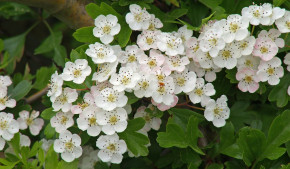
Some things you hear once and never forget. For me, it was during a college lecture on cardiovascular health. The lecturer introduced hawthorn (Crataegus monogyna, Crataegus laevigata) as the “Arteries of Great Britain.”

It made perfect sense. From the air, the British countryside is stitched together by endless hedgerows of hawthorn – a living, breathing network that nourishes and shelters wildlife. Just like our arteries, they carry life. And right now, in late summer, those hedgerows are heavy with bright red berries, a symbol of vitality.

A Herb Steeped in History

In the Middle Ages, hawthorn was a symbol of hope. Just as spring feels endlessly delayed, hawthorn blossoms burst into flower, reminding people that new life was coming. Traditionally, it was used for bladder and kidney stones because of its diuretic properties. But today, hawthorn has a well-earned reputation in herbal medicine as a protector of the heart and circulatory system.

Herbalists turn to it for:

• Angina and coronary artery disease

• High or low blood pressure

• Strengthening and regulating the heart muscle

• Lowering cholesterol

• Supporting healthy circulation

What makes hawthorn unique is its dual action: it strengthens the heart while gently relaxing blood vessels, improving blood flow without forcing the body. And like all good plant medicines, it works gradually, in harmony with the body.

Heart and Soul Healing

Paracelsus, a 16th-century physician, developed the Doctrine of Signatures: the idea that plants reveal their healing potential through their form, colour, and environment. Hawthorn is a perfect example. Its red berries mirror blood; its sharp thorns echo the pain of heartache.

That symbolism carries through today. While the chakra system paints the heart green, most of us picture it red – on Valentine’s cards, emojis, and roses. Hawthorn bridges both worlds: a remedy for the physical heart and circulation, and a comfort for the emotional heart when wounded.

Backed by Modern Research

Science is catching up with what herbalists have known for centuries.

A 2018 review in Frontiers in Pharmacology confirmed hawthorn’s cardioprotective properties, highlighting its flavonoids and oligomeric proanthocyanidins (OPCs), which improve blood flow, strengthen vessels, and reduce oxidative stress.

A 2022 clinical study in Phytomedicine found hawthorn extract significantly improved exercise capacity in people with chronic heart failure, while lowering blood pressure and cholesterol.

No wonder hawthorn is often prescribed alongside conventional treatment for cardiovascular conditions across Europe.

Beyond the Heart – A Digestive Ally

Interestingly, in Traditional Chinese Medicine, hawthorn isn’t just a heart herb. The berries (known as Shan zha) are used for digestion – easing bloating, gas, and food stagnation. It seems hawthorn moves energy in more ways than one: blood in the West, food in the East.

Lifestyle Still Matters

As powerful as hawthorn is, it can’t do all the work. Heart disease is still strongly linked to diet, stress, inactivity, and obesity. A heart-healthy lifestyle amplifies the benefits of herbs. That means:

Eating more fruit and veg (especially deep red and purple ones like beetroot, blueberries, and pomegranate, rich in antioxidants and nitrates).

Adding green leafy veg, garlic, and onions to support circulation.

Using spices like turmeric (antioxidant), ginger (anti-inflammatory), and cinnamon (blood sugar balancing).

Moving your body daily – exercise is medicine too.

A Note of Caution

Hawthorn is powerful, and while it’s generally safe, it can interact with heart and other medications. Always seek advice from a qualified medical herbalist or healthcare professional before starting.

Final Thought

The hawthorn hedge is more than a familiar sight in Britain’s fields. It’s a reminder of resilience, circulation, and connection – in the land, in the heart, and in the emotions we carry. Whether protecting your arteries or soothing heartbreak, hawthorn truly earns its title: The Arteries of Great Britain.

References

Tadi, P., et al. (2022). Crataegus in the treatment of cardiovascular diseases: A systematic review. Phytomedicine, 98, 153942.

Bahorun, T. et al. (2018). Cardioprotective effects of Crataegus species: bioactive compounds and mechanisms. Frontiers in Pharmacology, 9, 1–13.

McIntyre (2010). Anne. London: Gaia division Octopus Publishing Group, 123 

Chevalier, Andrew (2000). Encyclopedia of Herbal Medicine. 2nd ed. New York, USA: DK Publishing Inc..90.

Created Date 19 August 2025
Author Rachel Shackleton
Categories
Kinesiology
Featured Image URL
Herbs for good heart health
Title Tired of Being Tired? Break the Sleepless Cycle
Body

Sleep is something we take for granted, until we get deprived due to a bad night’s sleep. Often this means we struggle through the day trying to focus and get things done. Everything seems to be an effort. Sleep is essential to feeling rested, refreshed on waking and alert. Getting the right amount for your mind and body feels wonderful and helps you wake up feeling ready to go. Every person is different when it comes to the amount of sleep that’s optimal for them, but most people fall within a range, depending on their age. 

There is no precise number of hours of nightly sleep that guarantees you will wake up feeling totally refreshed, quality of sleep is also important. Putting things in place to ensure sleep is uninterrupted, or if interrupted at least you can get back to sleep easily, and that it is of a good quality. According to the National Sleep Foundation, based on age and lifestyle, what’s recommended for you likely falls within a certain range. Try following these guidelines, to be alert and full of energy during the day:

Teenagers: Teens (14-17 years) require about eight to 10 hours of nightly sleep. 

Adults: Between the ages of 18 and 64, should aim for seven to nine hours of nightly sleep. 

Older than 65, you may need a little less: seven to eight hours is recommended.

Looking at these hours I can remember the days when I was burning the candle at both ends. Alas no more! Or am I simply wiser? Now I understand that a good night’s sleep requires preparation, and that preparation is as important as preparing for a meeting, driving some form of machinery that requires focus to be safe while operating it, warming up before running a full or half marathon or preparing dinner for your family after a full day’s work.  

In today’s pressured and fast-paced world, many people sacrifice sleep to meet work demands, but the very foundation of productivity and performance lies with getting good quality sleep each night. Sleep is also linked to wellbeing and vitality. Constantly feeling tired weakens immune health, leaving your vulnerable to catching every bug that is going around. Sleep plays a vital role in ensuring focus, positive mood, motivation, and constructive and productive relationships.


Why Sleep Matters for Everyday Performance

Sleep is the time when the brain and body recover, process information, and get prepared to welcome the next day. Quality sleep improves:

o Focus & Decision-Making – Being well-rested means we think more clearly, solve problems faster, and make fewer mistakes.

o Mood & Stress Management – A good night’s sleep helps regulate emotions, reducing stress and irritability while improving teamwork and communication.

o Energy & Motivation – Sleep fuels the body and mind, helping us to firstly have the motivation to do things and then to stay engaged and productive throughout the day.

o Health & Resilience – Sleep deprivation means the immune system doesn’t get time to rest and that leads to catching the seasonal bug or flu when it is doing the rounds. 

For adults, the way you feel while you're awake depends in part on quality of sleep the previous night. The same is for children. Irritable, cranky children are not fun for anyone, including the child. During sleep the body is working to support healthy brain function and maintain physical health. On-going sleep deficiency can raise the risk for some chronic health problems, but it can also affect how well we think, react, work, learn, and interact with others. Therefore, it is realistic to deduce that poor sleep is going to lead to difficulty making decisions, solving problems and controlling emotions, as well as an increase in mistakes that result in having to do re-work, lowering productivity.

Sleep hygiene is one of the essential pillars to good health and personal performance whether you want to excel at sport, at your job or in some other way.  Sleep, mas mentioned is critical to effective brain function.  During sleep the brain as for the body, is getting critical rest from stimulation, enabling preparation for the next day by creating neural pathways to support, maintain and improve brain function. 

On a physical level, sleep is responsible for repair of body cells as well as effective functioning of the immune system. It is the immune system that defends the body against foreign and harmful microbes, including seasonal flus and bugs and relies on sleep as one of the essential pillars to stay strong. On-going sleep deficiency may lead to the inability to fight off common colds and infections catching the bug every time it goes round the workplace, public transport or when the children bring it home from school.  

Tips to Getting a Good Night's Sleep

• Create a routine around sleep to prepare yourself that naturally slows  mind and body.

• Be in bed ideally around 10pm and no later than 11pm which is when the "second wind" kicks in. In Ayurvedic medicine this is known as Pitta time.

• Keep the bedroom cool and dark.

• Avoid any Wi-Fi driven device at least 1.5 hours before going to bed and keep all Wi-Fi driven devices out of the bedroom. Blue light stimulates the brain creating active, circulating thoughts.

• If you need your mobile in the bedroom as an alarm, turn it to airplane mode. Switch off Bluetooth connection and keep it away from your head.

• Switch off the Wi-Fi router at night.

• Create a relaxing routine before getting into bed that helps you wind down. You could try, a warm bath or shower with essential oils such as lavender and chamomile, or massage oils into your feet before getting into bed (Always dilute essential oils in a carrier oil - fractionated coconut, olive, sweet almond etc.) Read, meditate or listen to relaxing music.

• Avoid sleep disruptors before bed – caffeine, heavy meals, alcohol and smoking.

• Get at least 30 minutes of outdoor exercise every day to help regulate your circadian rhythm

• Be active during the day so that you are physically tired when going to bed.

• Finish eating your last meal two hours before going to bed.

• Difficulty staying asleep, try meditating instead of lying there getting more frustrated at not being able to sleep. If this doesn’t work take a walk around the house for 10 minutes and then go back to bed.

• Inhaling lavender mist can be beneficial to calming your nervous system and enabling sleep.

• Avoid going to bed when you are angry. Release this anger through understanding and forgiveness before getting into bed, releasing any circulating thoughts.

Not all these points will be relevant to everyone, if struggling to sleep try different tips to see if they help in you feeling relaxed and consequently dropping asleep.


"Sleep is that golden chain that ties health and our bodies together." Thomas Dekker 

Created Date 15 July 2025
Author Rachel Shackleton
Categories
Kinesiology
Featured Image URL
Sleepless Nights, Foggy Days? Let’s Fix That
Title Spotlight on Adaptogenic Herbs for Managing Stressful Situations
Body

Adaptogens are a large group of herbs that might be described as the key to health. The word “adaptogen” refers to the nonspecific endocrine-regulating, immune-modulating effects of certain plants that increase a person’s ability to maintain optimal health and balance in the face of physical and emotional stress. Who doesn’t have some stress in their life? Stress is not all negative, but exploring how stress affects the body we understand why adaptogens are so effective at sustaining health and wellbeing regardless of the challenges faced. 

Taking a holistic view on health and wellbeing, healing is not simply a rational, self-centred, logical model it is a journey, that increases communication between mind, body and spirit, enabling integration and whole-ness.

Stress, according to WHO definition is defined as “A state of worry or mental tension caused by a difficult situation.” Stress is a natural human response that prompts us to address challenges and threats in our lives. In summary, stress is any factor whether positive or negative that requires a response or change. In my understanding any ongoing stress either positive or negative (dis-stress) can lead to dis-ease or illness whether by aggravating an existing condition or through manifestation as a direct result of the ongoing stress. Unfortunately, there is no way to avoid all stresses in life, and in fact without them we would not grow. 

The process of adapting to changing environmental and social conditions is our survival mechanism. Those with an ability to adapt not only survive but have a better chance of maintaining optimal health. However, if experiencing long-term stresses this can lead to our entire system losing the ability to adapt, leading to breakdown in bodily systems and subsequent illness. Simple analogy – if you continually stretch a rubber band at some point there is a point of no return to the original size, or it breaks prior to reaching that state.

Primarily, adaptogens act on and reduce the fight and flight response. They eliminate and decrease signs of severe and prolonged stress. In other words, they modify the alarm phase of the stress response and initiate feelings of manageability and resistance. The three phases of the protective action of adaptogens when under stressful conditions include:

1. Activation of the body’s systems 

2. Protection from stress-induced damage

3. Regeneration and repair 

Enter adaptogenic herbs:

As the name suggests, plants, especially adaptogens have had to adapt to coexisting with pathogens, harsh environments and herbivores which if they hadn’t adapted would not have survived. It is the process of adapting that has enabled them to evolve to respond effectively to specific environmental stimuli including nutrient or water deprivation, herbivore attack, pests and other environmental challenges. Drawing a parallel with stressors that we are subjected to includes air, water and food pollution as well as day-to-day life issues such as overwhelm, moving house, toxic job, illness or death of a loved one etc. It is our ability to adapt that builds the resilience and ultimate survival.

Adaptogens combat negative effects of stress to build resistance ultimately improving greater mental and physical endurance, overall health, wellbeing and vitality while mitigating the cost of any stressors to build inner balance and homeostasis. The key benefits of taking adaptogenic herbs include:

1. Increased energy and stamina 

2. Improved ability to carry out demanding activities 

3. Clearer mental ability 

4. Enhanced ability to tolerate and recover from all types of stressors

5. Stronger immunity to viruses and bacteria.

Examples of Adaptogens

As with all herbs, adaptogens of which there are many, are no different in that they address multiple pathways in mind and body though various actions, such as anti-inflammatory, nervine, sedative, alterative, antibacterial, antimicrobial, anti-viral, digestive, cardio tonic and so on. A word of caution, just because something is natural does not mean it is safe. Always consult a professional if taking medication as herbs can interfere with absorption rate and dosages of your medication. Similarly, if you are pregnant or breast-feeding consult before self-prescribing. Below are some examples of adaptogens with their main actions, but not all actions are listed:

Silybum marianum – Milk thistle – Adaptogenic, hepatoprotective, chologue, bitter tonic, laxative. Milk thistle is well known as a prime liver remedy, protecting the liver from damage caused by pollution, drugs, chemicals and alcohol.

Panax ginseng – Korean Ginseng – Adrenal tonic, adaptogenic, hepatoprotective, addressing weakness in mind and body to increase energy and stamina.

Glycyrrhiza glabra – liquorice – Anti-inflammatory, adaptogenic, antiviral, restorative, improving resilience to stressors, enhances immunity and soothes irritation and inflammation in the throat, bronchial tubes as well as addressing chest infections.

Schisandra chinensis – Schisandra – Antioxidant, hepatoprotective, adaptogenic, immunostimulant, antiviral, addresses fatigue, promoting energy and vitality. Protective against free radical damage and supports liver detoxification.

Withania somnifera – commonly known as Ashwagandha – Adaptogenic, nutritive, anti-inflammatory, nervine, anxiolytic, addressing debility, muscle weakness and low body weight. Excellent when suffering from insomnia, or run down due to overwork, chronic illness or stress. 

Perhaps not all the above listed herbs can be purchased over the counter. In the event that a particular herb is available be sure to buy from a reputable supplier for reasons that not all herbs are equal. In other words, some products have minimal amounts of the active constituents of the herbal content, are full of bulking agents and fillers that do more harm than good, or are not farmed ethically or sustainably, reducing supply while endangering the plant. Production of herb products is also important as conditions need to be clean, the method of extraction correct to ensure concentrated actions of the herb are at maximum percentage and exactly what is published on the pot, bottle or container.

Russian toxicologist, Dr Nicholai Lazarev coined the term “adaptogen” from his work during World War II that centred not only around pharmaceutical drugs, but also plants. His interest in plants continued after the war as he found that they could enhance well-being and performance without any negative side effects. It was his work that we can be grateful for as it has laid the foundation for understanding this amazing group of plants.

I leave you with these beautiful and wise words from Vivain Greene, R & B singer, song writer and pianist - “Life isn’t about waiting for the storm to pass…. It is about learning to dance in the rain.”  


References:

Adaptogens in Medical Herbalism – Donald R. Yance, CN, MH, RH (AHG)

https://www.herbalreality.com/health-lifestyle/stress-sleep/history-adap...


Created Date 18 June 2025
Author Rachel Shackleton
Categories
Kinesiology
Featured Image URL
Ginseng - adaptogen
Title GLP-1 Receptor Agonists: Miracle Weight Loss Cure or Another Overhyped Quick Fix?
Body

In recent years, GLP-1 receptor agonists (GLP-1 RAs) like Ozempic, Wegovy, and Mounjaro have been hailed as groundbreaking drugs in the fight against obesity. Originally developed and approved for the treatment of type 2 diabetes, these medications are now being marketed—and increasingly prescribed—for weight loss, with some even calling them a "miracle cure." But are they really the solution they’re touted to be?

Let’s take a closer look at what’s really going on beneath the surface.


What Are GLP-1 RAs and How Do They Work?

GLP-1 receptor agonists mimic a natural hormone in the body known as glucagon-like peptide-1 (GLP-1), which helps regulate blood sugar levels and appetite. These drugs are typically administered via subcutaneous injection, although oral tablets are now available.

While they were initially intended for blood sugar control in diabetics, pharmaceutical companies are now pushing them hard as a weight loss solution, framing them under the banner of “Obesity Management.” This rebranding seems to suggest that obesity is a chronic disease—like diabetes—that requires medical intervention, rather than a condition that can often be improved through diet and lifestyle changes.


Economic Incentives and Big Promises

According to a report from former UK Prime Minister Tony Blair’s think tank, sending GLP-1 weight loss injections to 15 million people could boost the UK economy by £52 billion by 2050. The argument is that obesity costs the NHS and wider society around £98 billion annually due to increased healthcare costs, reduced productivity, and higher welfare payments.

However, economic modelling has proven to be highly unreliable in the past. Predictive models often fail to account for real-world complexity, long-term side effects, or changes in behaviour.

Should we trust these optimistic forecasts?


Side Effects: What You Might Not Hear in the Sales Pitch

While many patients experience weight loss, the side effects are real and often downplayed. Common issues include:

• Nausea

• Vomiting

• Diarrhoea

• Constipation

• Dehydration (from vomiting/diarrhoea) → Potential kidney damage


Serious side effects (as listed by the UK’s Medicines and Healthcare Products Regulatory Agency, MHRA):

• Pancreatitis: Inflammation of the pancreas, presenting as severe abdominal pain

• Gallbladder Disease: Including gallstones

• Anaphylaxis: Life-threatening allergic reactions

• Delayed Gastric Emptying: Increases the risk of aspiration during surgery


Additional Concerns:

• Hypoglycaemia in non-diabetics or when combined with other medications

• Counterfeit or unregulated products from black-market sources

• Muscle loss: Between 15–40% of total weight lost may be lean muscle, not fat


This muscle loss can lead to:

• Metabolic and immune dysfunction

• Bone health issues and frailty

• Nutrient deficiencies

• Mental health issues including depression and anxiety


Animal studies and early human data have also raised red flags about thyroid cancer, particularly with long-term use.


The Weight Rebound Effect

What many patients aren’t told is that weight regain is common after stopping these medications. According to Obesity Review, most people regain a significant portion of lost weight within a year of discontinuation. This creates a dependency loop—patients may feel compelled to go back on the drug or find another pharmaceutical solution. That’s where the real business model becomes clear. With lifelong use now being considered for some patients, GLP-1 RAs are shaping up to be an extremely lucrative revenue stream for pharmaceutical companies. Some analysts estimate the global market for these drugs could hit $100 billion by 2030.


So What Should We Be Asking?

Before jumping on the bandwagon, we need to critically examine this weight loss trend. Here are some important questions:

• What are the long-term effects of GLP-1 RAs?

• What percentage of weight lost is actually fat, not muscle or water?

• Are we addressing the root causes of obesity or just treating symptoms?

• Why are lifestyle interventions still not prioritized?

• What happens to patients once they stop taking the drug?

• Who truly benefits—patients, or Big Pharma?


Natural Alternatives: A Sustainable, Side-Effect-Free Approach

There is no magic pill for health. True, lasting change comes from a holistic, natural approach. Here are some proven strategies that offer sustainable weight loss and overall well-being:


Nutrition:

o Low-carb, high-protein, and healthy fat diet

o Polyphenols: Found in plant foods, offering antioxidant and anti-inflammatory benefits

o Bitter foods: Dandelion, rocket, endive, bitter melon—all support digestion and reduce sugar cravings

o Omega-3 fatty acids: For heart, brain, and joint health


Movement:

o Moderate aerobic activity: Walking, cycling, swimming, or dancing 30+ mins/day

o Resistance training: 3–4 times per week to preserve muscle mass


Lifestyle:

o Stress management: Mindfulness, yoga, time in nature

o Quality sleep: Critical for hormone balance, metabolism, and recovery


Conclusion: Proceed With Caution

GLP-1 RAs are powerful drugs with real benefits for some people—but they are not a cure-all and the longer they are taken the more likely to experience serious side effects. Widespread promotion as a “miracle” solution for weight loss oversimplifies a complex issue and risks distracting us from addressing the true roots of obesity: poor nutrition, inactivity, chronic stress, inadequate sleep and emotional trauma.

Before accepting the prescription, ask the deeper questions—and consider the long-term consequences of short-term fixes. Be sure to receive full advice including side effects from your doctor.


References:

Alliance for Natural Health: GLP-1 Weight Loss Jabs — What We’re Not Being Told

Independent UK – Weight Loss Jabs Could Save Billions

MHRA Drug safety update 


Created Date 27 May 2025
Author Rachel Shackleton
Categories
Kinesiology
Featured Image URL
Weight loss GLP-1 Receptor Antagonists
Title DETOXIFYING REMEDIES IN THE HEDGEROW
Body

DETOXIFYING REMEDIES IN THE HEDGEROW

As we leap into spring we are all feeling energised with the longer days and sunlight that blesses the early morning and makes waking easier with a stronger sense of embracing a new day. The blossoms this year seem to be richer, more dense and beautiful than normal. Or perhaps it is just a contrast to the long, dark days that seemed to go on forever. Apart from the blossoms, the hedgerow has several helpful herbs at this time to shake off winter sluggishness in both mind and body, as well as addressing the spread of pollens that for many becomes a difficult and even miserable time when the pollen count is high?

When out and about and enjoying the countryside what can you see and what might help to detoxify your body as well as desensitizing you against hay fever and the miserable impact it can have? Let’s take a look at detoxing first. Detoxifying, especially in the spring has many benefits including raising energy levels through effective waste elimination, increasing and improving blood circulation, supporting the function of your organs, especially liver, gall bladder and kidneys, by assisting the breakdown of toxins accumulated and harboured in the body due to air and water pollution, food additives, herbicides and pesticides in the food chain removing these toxins more effectively through the body’s elimination channels – the skin, liver, kidneys, lungs and bowel.

Cleavers or Goose grass, as it is commonly known (Galium aparine), this straggling plant that sticks to everything, clinging and cleaving to clothing or animals that brush past it. Growing frantically at this time of year it is full of polyphenolic acids, flavonoids and tannins. These constituents act as a diuretic for general detoxification of the body and to aid in clearing swollen lymph glands. As a herb that moves stagnation within the body, it arrives in spring to do just that and has a second burst in Autumn to prepare us for the winter. The lymphatic system is reliant on body and muscle movement and winter is the time when we tend to take less exercise. Cleavers, full of water, not only eases stagnation, but also hydrates the body, which due to central heating within our homes is more likely to be dehydrated at this time, aggravating skin conditions such as eczema and psoriasis as well as urinary tract infections.

Pick the creeping stems, place in a jug of filtered water and leave to infuse overnight. The plant will continue to thrive for several days while you drink and top up the water in the jug. This wonderful infusion has an earthy flavour and not only clears the body’s stagnation, but also the head bringing clarity and brightness.

Stinging Nettle (Urtica doica) – This herb has a long history of use dating back to Roman times and perhaps earlier. In a process called “urtification”, they used nettles to beat the body, bringing blood to the surface in order to keep warm. There is a point when the stinging stops to be replaced by warmth. Considered a blood tonic, and rich in minerals and vitamins, it provides nourishment to those convalescing or when there is insufficiency in the diet. Juiced Nettle leaves result in a bright green “milk” that is sweet, almost salty, creamy with a metallic taste and very filling.

Nettle can be prepared in a similar way to Cleavers by soaking overnight in filtered water resulting in an emerald, green liquid. You will crave this drink if your body needs it, if already satiated, you will likely find it difficult to drink. For a more potent drink and form of nourishment, try Nettle juice. Simply put 2 large handfuls into a juicer and this will make about a shot glass of juice. Drink the infusion and or juice on a daily basis during spring to nourish your body and brighten outlook.

Taken internally Nettles are diuretic helping to cleanse and detoxify the body, aiding the elimination of waste and cleansing the liver. It is antiallergenic and can be used for treating hay fever, asthma and itchy skin conditions as well as using the juice from Nettle leaves and stalks to treat Nettle stings themselves!

Nettle has a long history for treating hay fever by dampening the histamine response within the body and mediating the inflammatory response. Nettle may also reduce inflammatory joint pain prevalent in arthritis due to inhibition of inflammatory cytokines.

To make Nettle soup, pick Nettle tops (1-2 inches) and add the leaves at the last minute to the stock, complementing the bitterness with fresh garlic and if preferred a potato to thicken the mix. (There are numerous recipes online for this delicious, simple to make, nutritious soup.)

Nettle oil makes a wonderful massage oil and is easily prepared by finely chopping a couple of handfuls of Nettle tops, place in a slow cooker and cover with either sesame or olive oil. Put on the lowest setting overnight and in the morning you will have a rich black oil. Filter through a coffee filter cone. Use the oil straight for small body areas and diluted with more oil for a whole body massage.

Dandelion (Taraxacum officinalis) is also rampant at this time of year. The beautiful yellow flowers visible from a distance when scanning the countryside, later turning into the white dandelion “clocks” ready for blowing into the wind. The dandelion leaf and root are rich in nutrients and healing constituents. The bitter juice made from Dandelion purges the liver of any stagnation.This magnificent flower opens and closes with the sun and during the day shifts with movement of the light.

All parts of the Dandelion are edible and provide remedies that mostly work on the liver and gall bladder and due to the bitterness, the digestive system. The liver is associated with irritability, fire, anger and natural leadership, producing symptoms of blurry vision, stiffness of tendons, digestive problems, allergies and skin inflammation. In Chinese medicine it is considered as “the ‘General’ that directs the army, issuing clear commands and exhibiting strong will.” When the liver is working well, our digestion is on form, we maintain even weight, have clear and bright eyes and are physically flexible with no sign of any common inflammatory condition.

An antioxidant, anti-inflammatory and antihistamine this herb clears toxins via the bowels, removing any excess sluggishness. Dandelion root is a powerful detoxifying remedy working principally on the liver and gall bladder to aid elimination of waste products. Leaf and root are beneficial for many conditions including an array of skin problems such as acne, psoriasis and eczema, as well as for treating constipation. Made with the leaves, enjoy as a tea or put the young leaves into a salad to add variation. Dried Dandelion root can be used to make Dandelion coffee. After cutting the root into small squares, roast it in the oven at 200c for approximately 30 minutes before simmering in water for 10-20 minutes. The roasting diminishes the bitterness and increases the sweetness.

As with Nettle, made in the same way, Dandelion leaves may also be made into a juice which is strong and bitter. It is likely the immediate effect will be an awakening and clarity of vision. Within a couple of hours you might experience a laxative effect and because of this it is better to build up the dose slowly.

For treating hay fever, Nettle and Dandelion as mentioned, are very helpful in removing the toxic load from the body as is Plantago lanceolata (plantain). This is very effective in drying mucous membranes aggravated by pollens from grasses and trees. Simply chew the leaves on a daily basis for 5 minutes, several times a day without swallowing to aid with desensitizing the body to pollens as well as aiding decongestion. If you are out and about this herb is readily available in the countryside to simply pick and chew, relieving hay fever symptoms within 10-15 minutes. Never swallow the chewed leaf.

As we naturally gravitate to cleaning out the house and dusting everything down, freshening up and airing out during springtime, add your own “house” to the equation and detox gently. If you are pregnant or suffer an autoimmune condition or are undergoing radiation or chemo, always seek professional advice before embarking on a detox. While these herbs are relatively safe when taken with medication, again it is best to seek professional advice before consuming. Pick herbs that are away from fields that have been sprayed with herbicides and pesticides and out of the main path of dog walkers. Vibrancy of herbal constituents is at peak levels in early spring and when used freshly picked.


References

Weeds in the Heart – Nathaniel Hughes, Fiona Owen

Dispensing with Tradition – Anne McIntyre, Michelle Boudin

Created Date 15 April 2025
Author Rachel Shackleton
Categories
Kinesiology
Featured Image URL
Dandelion to detox mind and body
Title SHAKE OFF AND DETOX THE WINTER BLUES
Body

Just took a 15-minute break to go into my garden and grab some morning sunshine in the far corner where the tulips are beginning to form buds and the bees are visiting the flowering heather. Winter seems to have been very long and very grey this year and to finally see the sun can only be time to join the birds in joyful song and the bees intensely buzzing from flower to flower. Is it sunny all the way from here? Unlikely, but at least warmer and brighter.

During the seasonal transition it is natural to feel more energetic and want to clean things out, cupboards, garages, wardrobes and attics. This is the time also to have a good internal spring clean to remove the stagnation and sluggishness of winter and do that detox you have been promising yourself for months. 

Psychologically the winter is a gloomy time, especially in Northern countries when daylight hours are much less, the sun is low in the sky, everything appears to be sleeping and consequently energy stagnates, things get left undone, projects unfinished and progress naturally slowed. With the energy of spring we feel ready to complete all the unfinished projects, make those decisions that we have been putting off, and generally get on with things with renewed and almost excited vigour.

There are several thoughts about where the term “Spring Cleaning” came from.  It appears to date back many centuries and could have been influenced by several traditions. The Jewish tradition during Passover (March and April) requires the removal of all leavened products from the house including utensils used for making these products. It is thought that this time coincided with a thorough clean of the house.

The Iranians took part in Khaneh Tabani, which translates as “Shaking of the House”, in preparation for New Year during the spring Equinox on the 21st March. This term “Shaking of the House” is rather visual and for me has a strong association with getting ready for what is coming in spring and summer. The Chinese also “shake the house” in preparation for their New Year in January or February depending on how the Chinese calendar falls.

In Western countries before the advent of the wonderful vacuum cleaner, spring was the time to remove soot from the house that was a result of coal fired furnaces and fires. Springtime was considered warm enough to open the doors and windows to air out the house, letting the wind blow all the soot and dust away.

Whatever the history to spring cleaning it is a time of renewal, of letting go of what is not needed.  It has both psychological and physical effects on the mind, body and spirit. The physical effects are found in deeper cleaning of dirt and dust that has accumulated over the winter months in areas that are not so visible due to lack of sun and day light. 

During spring we feel more inclined towards fresh, raw, lighter foods; salads and vegetables. Drinking herbal teas “feels” the right thing to do to help remove unwanted clogging in the intestines and bowel, refreshing and energizing the system, as well as increasing and improving blood circulation, supporting your main organs by assisting them in breaking down and eliminating accumulated toxins through the body’s elimination channels – the skin, liver, kidneys, lungs and bowel. Spring-cleaning the body, not only removes accumulated “dust”, helping our systems function more effectively but also decreases the potential for spring allergies, such as hay fever. Herbs that help with detoxifying and removing the sluggishness of winter are abundant in our hedgerows from early spring onwards and as the hedgerows show slight signs of bursting into leaf, so we see nettles, goose grass and dandelion offering their wares openly. 

Herbs that help with detoxification include:

Cleavers or Goose grass (Galium aparine) is a straggling plant that sticks to everything. When looking at the plant’s physiognomy, it looks like the body’s lymphatic system of small channels connecting lymph nodes all over to encourage clearance of toxins and effective lymph drainage. The name refers to its ability to cling/cleave to clothing or animals that brush past it. Full of polyphenolic acids, flavonoids and tannins. These constituents make a wonderful diuretic for general detoxification of the liver and whole body as well as decreasing swollen lymph glands.  Pick the plant’s creeping stems, simmer in water for 10-15 minutes and drink 2-3 cups daily as a tea.  (Avoid if pregnant)

Culpeper, an English botanist, herbalist, physician and astrologer (1616-1664) in his Materica Medica described Cleavers as, “A good remedy in the spring, eaten (being first chopped small and boiled well in water gruel, to cleanse the blood and strengthen the liver, thereby to keep the body in health and fitting it for that change of season that is coming.”

Found in abundance as this time is also Nettle (Urtica doica) – The Romans used Urtica as a method of beating the body to bring blood to the surface in order to keep warm. Known as “urtification”. Nettle leaves are rich in flavonoids, amines, including histamine, acetylcholine and serotonin as well as minerals.  Nettle is also a cleansing and detoxifying herb with diuretic action, aiding the elimination of waste from the body. It is an antiallergenic and can be used for treating hay fever, a condition often associated with spring. Pick nettle tops and leaves, simmer in water for 5-7 minutes and drink 2-3 cups daily either hot or cold. A wonderful diuretic, high in potassium, helping effectively release excessive water and edema without depleting the body’s potassium levels. The high mineral content supports energy as well as healthy functioning of the kidneys. Nettle soup eaten daily is a very tasty, iron rich, highly nutritious soup. (Avoid if pregnant)

Culpeper wrote about the nettle; “Nettle tops eaten in the spring consume the phlegmatic superfluities in the body of man that the coldness of winter hath left behind.”

Dandelion (Taraxacum officinale) a beautiful herb that supports the liver and gallbladder function, is a detoxifying bitter tonic that increases elimination of toxins through the liver and kidneys. Eating the young leaves in spring helps cleanse the body of wastes from heavy, clogging foods and our more home bound sedentary lifestyle of winter. Vulgarly called “Piss-a-beds”, Culpepper said of dandelions: “It is under the dominion of Jupiter. It is of an opening and cleansing quality and therefore very effectual for the obstructions of the liver, gall and spleen and the diseases that arise from them.”

In combination with using the herbs, try dry skin brushing on a daily basis to stimulate lymph to aid removal of toxins through the skin, the largest organ in the body. Using a natural bristle body brush, before showering brush firmly, moving upwards always in the direction of your heart. Avoid any areas of open, irritated skin, or eczema. Shower immediately afterwards to remove any loosened dead skin. If you are feeling really motivated end with a burst of cold water to further invigorate and stimulate movement of lymphatic fluid and the removal of toxins. Over time you will feel that your immune is stronger and in general you have increased energy and improved wellbeing.


References:

Culpepper’s Complete Herbal, Nicholas Culpeper. (Kissinger Legacy Reprints)

Dispensing with Tradition, Anne McIntyre, Michelle Boudin

Healing with the Herbs of Life, Lesley Tierra, L.Ac., Herbalist, A.H.G


Created Date 20 March 2025
Author Rachel Shackleton
Categories
Kinesiology
Featured Image URL
Detox your body inside and out
Title DO YOU REALLY KNOW WHAT YOU ARE EATING IN ULTRA PROCESSED FOODS?
Body

There is barely a day that goes by when someone on Linked In, X or Tik Tok aren’t talking about Ultra Processed food (UPF). Dr Peter McCullough, Mark Hyman, MD. R.F Kennedy junior, and Bryan Ardis are all very vocal, and with good cause.

As I read “ Ultra-Processed People” by Chris Van Tulleken, frankly I am appalled at the lengths so-called food companies will go to incite us to eat their food products, but more importantly deliberately process foods so that they become addictive through manufacturing processes such as changing the texture so that we don’t have to chew the food much before it disappears down our throats, deliberately interfering with the human body’s inbuilt system of satiety, thus losing the barometer that informs us that we have eaten sufficient and therefore to self-regulate, as well as adding substances that drive addictive tendencies. Does this ring bells when you think about or even notice in yourself and family, 1) how much you eat and 2) weight gain despite being active? It is all in the processing and how UPF “foods” behave in the human body.

We know that some people carry the obesity gene. Does it need to be expressed, of course not, but it likely means that those people need to be more careful around what they eat, how and when they eat, making them more susceptible to UPF’s.

In some ways there is an argument for processed foods, for example manufacturing ice cream in the 1850’s was started as a way to use waste milk caused by over-production, that would otherwise have gone to waste. The ice cream making process not only extends the shelf life of fresh milk, but also puts something that would have gone to waste to good use. Processing not only re-purposes waste foods, but also adds to the cheapness or perceived value for money of the end product, making it more attract when shopping, to our pocket. What could go wrong?

Zooming in on “gums” that appear in many products including ice cream: guar gum (E412), locust bean gum (E410), carrageenan (E407), xanthan gum (E415) and alginate (E400) a widely used substance from brown algae or seaweed that causes gelation in ingredients. Xanthan gum is a bacterial exudate or pus that bacteria produce to enable them to cling to a surface, for example accumulated gunk in your dishwasher filter or around the side of the doors. Recent studies, indicate that carrageenan, a substance extracted from red seaweed/algae interferes and causes inflammation that leads to damage to the intestinal lining, causes ulcers and inflammatory bowel disease as well as possibly interfering with sugar metabolism affecting blood sugar levels negatively. https://alphagalinformation.org/carageenan for more information on how this product is used in the food and drinks industry.) There is barely a processed food that does not contain carrageenan if that food has undergone some level of processing.

Gums essentially replace more expensive ingredients, while also extending the shelf life of the product. Ever wondered why your perfectly sliced white or brown bread lasts weeks without changing the freshness? Gums enabled improvements in texture of low-fat and zero-fat products. I’m sure I could dig out more info on the other additives, but the main point I am making is that UPF foods after processing with and addition of other ingredients, change the structure and are no longer natural food that the human body recognises.

Ashley Gearhardt, an associate professor of psychology at the University of Michigan in several research papers has written, that there are parallels between UPF and addictive substances. Her main findings to date:

• “UPF is consistently associated with higher scores on food addiction compared to real, natural food. 

• UPF seems to be more addictive than illegal drugs.

• The speed of delivery is strongly associated with addiction and addictive potential. This relates to the softness that enables faster consumption than real foods providing the “reward” much faster.

• Despite negative consequences, people report similar addictive tendencies with UPF as alcohol, drugs and other addictive substances, and find it very difficult to cut down on consumption.

• Neuroimaging shows that UPF engages brain regions related to reward and motivation as do other addictive substances, showing patters of dysfunction in the reward pathways.”

When understanding the extent to which foods are processed, it leads us to the question as to whether the sugar content of many of these products is the main cause of chronic escalation in obesity especially in the western world. Is it really all about the sugar? Regarding the escalation in childhood dental caries, the answer is probably yes. Contribution to weight gain when combined with lack of movement, probably but not the sole reason, as it now seems that additives and processing plays a massive part. As for the addictive nature, again sugar appears to be not the sole reason. According to Ashley Gearhardt’s research, UPF plays a major role especially when someone is consuming large quantities. Whatever the studies, surely these indicators are already enough to encourage us all to eat food in the most natural form possible. 

With rising costs, combined with lack of education around the damage UPF is doing, many have little choice to feed themselves and their families with these foods. As a child, I grew up on cheaper cuts of meat: neck of mutton, belly pork, stewing beef kidneys, hearts and the like. There is no instant cooking of these cuts, they need slow and long cooking, but require little preparation to put in a slow cooker to cook all day to be ready when you and the kids come home. Nutritious, simple and tasty. These cuts are not available in supermarkets, your butcher is where to find them. 

In the past and up to the present day the food industry is extremely active in marketing messages they put out to influence the way we eat. For example, eating low fat foods, meat cuts that are leaner and as it happens, in most cases, more expensive cuts of meat that many can’t afford driving choice to UPF, ready microwave meals, fast foods and the like. It’s not about the health of the nation, but money! The simple bottom line. 

Some simple, cost-effective steps to eating healthily and not relying on UPF food:

• Eat seasonal foods. This especially applies to fruit and vegetables. Avoid foods that are out of season. They unlikely see the sun, have travelled miles, have been picked before ripe and spent much time under refrigeration, before getting to your plate and are expensive. Nutritional value?

• Buy meat, if you eat meat from the butcher, ask for the cheaper cuts to make healthy, wholesome stews and casseroles, as well as bone broth. Meat from the local butcher might appear more expensive, but you will get a higher yield on cooking as the meat has not been injected with water and possibly other substances.

• Plan meals for the week so that you only buy what you need, avoiding food waste.

• Use up left-over foods by adding to or inventing new dishes the next day.

• Batch cook and add portions to the freezer to take out as needed.

• Look for cheaper, natural products and create your own dishes. Jamie Oliver has created many meals to meet a frugal budget, You tube and such like provides a plethora of recipes that are quick, easy and delicious. 

• Experiment and have fun creating tasty meals.

• If a food product has more than 5 ingredients listed, put it back on the shelf.

• Avoid convenience packed sliced meats and cheeses as they may have a coating agent to extend shelf life. 

Adopting some forethought, a little discipline when buying foods and some planning to put these actions into practice will become easier over time as your body starts to crave healthy, colourful, natural foods. Not only this, eating a nutritionally rich, varied diet with people you love to be with will:

• Reduce the risk of chronic disease

• Increase your levels of energy

• Improve mood and brain health

• Optimise health and function

• Increase enjoyment around food.

As Hippocrates once said: “Let food by thy medicine and medicine by thy food.”


References:

https://www.mdpi.com/2072-6643/16/11/1780

https://www.diabetes.co.uk/news/2024/nov/chemical-in-ultra-processed-foo....

https://alphagalinformation.org/carageenan

https://www.food.gov.uk/business-guidance/approved-additives-and-e-numbers

Ultra-Processed People, Chris van Tulleken 

Created Date 12 February 2025
Author Rachel Shackleton
Categories
Kinesiology
Featured Image URL
Ultra processed foods in supermarkets
Title A WINTER WARMER TO FIGHT OFF COLDS AND FLU
Body

This winter we have all been facing a very tenacious flu that seems to leave most with a lingering cough that goes on for weeks. Sound familiar?

Enhancing the body’s natural defence system (immunity) plays a vital role in maintaining optimum health. We all know that prevention is better than cure. Taking a closer look at lifestyle and how we support our immune system at this time of year has to be a priority for you and your family. Ayurvedic medicine has some simple remedies that do just that.

Kashayam, a herbal tonic, that has been used for centuries, refers to a water-based decoction or water extract of a single or group of herbs and spices that can be used for many ailments including indigestion, sore throats, coughs, the common cold, and to ward off flu. A dark coloured liquid that is often bitter in taste. Used in India, this herbal tonic has been well tried and tested to be effective at supporting and boosting energy and immunity, especially during the wet and wintery season. As an added bonus this effective remedy has no harmful side effects and can be safely given to children.

Kashayam can be made with different ingredients. However Ginger Kashayam is especially popular as ginger has several constituents that are particularly important in boosting immunity. According to the AYUSH Ministry (Department of Ayurveda, Yoga and Naturopathy, Unani, Siddha and Homoeopathy (AYUSH), adding ginger to your daily diet can go a long way to keeping infections at bay.

Health Benefits of Ginger (Zingiber officinale)

Ginger is rich in volatile oils including gingerol and camphene, sesquiterpenes including zingiberene, several vitamins (A,B,C) and minerals (iron, calcium, magnesium), making it rich in bioactive constituents full of medicinal properties. Gingerol has powerful anti-inflammatory and antioxidant properties that improve health in many ways. Ginger can be chewed, added to hot lemon and honey, to casseroles, stews and porridge as well as included in a Kashayam.

Health benefits include:

  • Strengthening the immune system
  • Easing colds and flu
  • Relieving several forms of nausea, including travel and morning sickness
  • Easing chronic indigestion

How do you prepare a Kashayam?

There are different ways to prepare a Kashayam.

Method 1

The following recipe makes approximately 25 cups of Kashayam. The powder can be stored in an airtight jar for up to six months to be used on a daily basis or as and when needed.

INGREDIENTS - 1 stick turmeric, 1 piece 2” long dry ginger, 1 whole nutmeg, 3 strings fresh curry leaves, 1 cup coriander seeds, 1/2 cup cumin seeds, 1/2 Cup black peppercorns, 1/2 cup fennel seeds, 2 whole cardamom, 8-10 cloves, 2 tbsp cardamom peel, 1 medium bay leaf

Kashayam powder preparation:

1. Crush Turmeric stick, dry ginger, nutmeg separately with a pestle and mortar or coffee grinder. Keep it aside

2.  Dry roast curry leaves. Keep aside

3.  In a skillet, dry roast coriander seeds, black pepper, fennel seeds, cumin seeds, whole cardamom, cardamom peel, cloves, bay leaves along with crushed turmeric, ginger and nutmeg

4.  After 5 minutes add dry roasted curry leaves and continue to roast for another 5 minutes. Cool down completely

5.  When cool, transfer to mixer jar or blender and make a fine powder

6.   Kashayam powder is now ready and can be stored in a jar for up to 6 months for use on a daily basis.

Kashayam drink preparation: 1 glass water,3 small pieces jaggery (natural unrefined sugar cane) or honey, 1/4 tsp turmeric powder, 1/4 tsp Kashayam powder 1/4 tsp ginger paste, 1/2 cup milk or non dairy alternative

(Serving 2 cups)

1.    Bring 1 glass of water to the boil and when it starts boiling add jaggery, turmeric powder, Kashayam powder, fresh ginger and boil on a medium heat

2.    Boil until water is reduced to half the original volume

3.    Now, add milk and bring it to the boil. If using honey stir in at the end.

If you do not like milk, Kashayam can be prepared either with a non-dairy alternative or without adding milk.

Method 2

Ginger Kashayam (this preparation is sufficient for twice daily)

INGREDIENTS 2 ginger pieces, 2 tbsp of coriander seeds, 3 tbsp of crushed palm jaggery or yellow jaggery (natural cane sugar) or honey, ½ tbsp of black pepper - you can reduce the quantity if you find this too spicy 

1.   Crush all the ingredients in a pestle and mortar

2.    In a saucepan combine the crushed ingredients and 300ml boiling water

3.    Boil till the quantity is reduced to nearly half

4.    Add a pinch of salt if desired

5.    Serve hot. Add honey at the end if using instead of jaggery

Drink half a glass of Kashayam on an empty stomach, repeat 3-4 times a day until symptoms have been alleviated and you begin to return to full health, or take as part of your daily routine to ward off seasonal colds and flu.

Tips for supporting good health during winter months:

  • Get a good night’s sleep to wake refreshed. Aim to be in bed no later than 11pm to avoid going into Pitta time. After 11pm we get a second wind, making it difficult to get to sleep and potentially stay asleep.
  • Eat warming and nourishing foods – hearty soups, casseroles and stews.
  • Drink plenty of water and herbal teas to keep yourself hydrated.
  • Avoid ice-cold drinks and raw vegetables straight from the fridge.
  • Get outside for at least 30 minutes per day to move and take in winter sun.
  • Avoid doing a detox or cleanse during winter, this will likely further weaken your defences. Cleanses are better left to the spring when it is a natural time to shake off any winter sluggishness and additional weight.
  • Dress up warm to avoid getting unnecessarily cold. Hats are important when cold outside to keep heat in the body.
  • Take down time to relax and rest.

Taking care of yourself especially during the winter months when we are more vulnerable to infections, colds and flu by listening to your body and slowing down will reap the reward of keeping you and your family well during winter.


Sources: Www. https://www.ayush.gov.in/docs/123.pdf

https://www.healthline.com/nutrition/ayurvedic-herbs

https://www.flavourstreat.com/kashayam-ayurvedic-beverage-mix/#genesis-nav-primary

(http://www.sciencedirect.com/science/article/pii/S2352618115000438) Authors: Pritam Sarkar,  Lohith Kumar DH, Chanda Dhumal, Shubham Subrot Panigrahi, Ruplal Choudhary, Traditional and ayurvedic foods of Indian origin, Journal of Ethnic Foods, Volume 2, Issue 3, 2015, Pages 97-109, ISSN 2352-6181, https://doi.org/10.1016/j.jef.2015.08.003.

http://www.monsoonspice.com/2013/03/kashaya-or-kashayam-recipe-herbal-or...


Created Date 25 January 2025
Author Rachel Shackleton
Categories
Kinesiology
Featured Image URL
Herbal medicine, natural remedies, naturopathy, kinesiology
Title Kindness is Not Just Something We Do at Christmas
Body

Recently I was listening to the Chris Evans Breakfast show and the conversation was around love. Evans said words to the effect that love is unlike your bank account, when the money is gone its gone. Perhaps inflows credit your account, but it may not be in balance with the outflows. Love is not like this, every day we have a full account to use and give out to others, when all is used up, your account will once again be full the next day to give away freely as you want. How beautiful is that? What would the impact be to our local communities and wider if we all gave out a full bank account of unconditional love and kindness every day?

Love is the opposite of hate. We sometimes band the word “hate” around, but in honesty how many people do we really hate? Probably, if any a very few. Emotions which ever one we refer to has a frequency and that frequency will either raise up your spirits and the spirits of those around you or will do the opposite. Ever spent time with someone whose glass is always half empty? You probably find that irrelevant of what you try to do or to convince the person otherwise, nothing changes except for the fact that you feel completely drained of energy! This person is an energy vampire – their frequency is resonating on a low level creating a mismatch between you and that person.

What emotions raise our frequency, making us positive, constructive and fun to be around? Love, kindness, happiness, compassion, empathy, empowerment and joy. The closer we are to joy the closer we are to manifesting what we want.

Kindness or to be kind is a part of human nature. To love and be loved is also an essential aspect of being human. Neglecting a baby of love will seriously impact their wellbeing physically and emotionally. Similarly for adults, a lack of love shown through kindness, compassion, empathy and caring will detrimentally impact wellbeing on all levels.

Are we born mean and unkind? I remember reading “We need to talk about Kevin” by Lionel Shriver at least 10 years ago. This book still haunts me with this question despite examining it to the full. My personal belief is that we are not born mean, unkind or evil, our upbringing and society influences our behaviour and we become mean and unkind as a consequence of this and perhaps even as a protection mechanism. Evil, perhaps being the odd one out from the group, is more about mental and emotional programming whether we know about it or not through psychological and physical trauma. Lack of love may lead a young person to get involved in the “wrong” group of people who replace that love by providing what they might consider as companionship and recognition they so much crave, replacing what the group energy gives with the lack of love from their family. Such individuals are vulnerable to this type of programming as they are driven by the low frequency emotions and feelings of anger, rage, fear, insecurity, unworthiness and/or guilt. A form of grooming that uses human vulnerabilities to achieve a particular outcome that is usually not beneficial for those who are being abused in this manner. Ultimately the emotions we feel become the energy we emit.

What is Kindness?

Kindness is the quality of being friendly, selfless, generous, caring and considerate of others with no expectation of something in return. It can be shown through serving others in some way, donations given to a “good” cause, something that the giver believes in, but it can also be through a smile, helping someone with their shopping, holding the door open, calling a neighbour to see how they are and so on. Every small act of kindness ripples outwards into the world and in the process tends to foster a wave of people being kind to each other, ever-growing that wave through kind actions that become infectious to those around.

Kindness is partly about education by our parents and other influential people in our early years, who through their actions show toddlers, children and adolescents how to be kind through their own loving actions, and the manner in which they correct the infant should they behave in a mean or unkind way. That education is further deepened in places such as schools, shops and on public transport when generally out and about.

What happens if the child misses out on this education? This then makes the learning more difficult, simply because it is easier to teach someone when young than when already a teenager with a group of friends who similarly missed out on their education of how to be kind, respectful and loving.

How does Kindness link to Wellbeing?

Small acts of kindness according to Ohio University may reduce symptoms of anxiety and depression in those who suffer from this type of mental illness. The authors from the research department of Ohio University explained “that simple acts of kindness on a regular basis deepened social connection and related dimensions of wellbeing more so than therapies such as cognitive behavioural therapy techniques.” Giving kindness to others helped individuals with anxiety and depression divert their attention from themselves, taking their mind off their own symptoms. Whilst difficult to measure it is thought that being the recipient of kindness can have a greater impact on those receiving than we might think.

Being kind to others can go a long way to improving emotional wellbeing. A study in the Journal of Social Psychology (2019) found that people who performed acts of kindness for seven days boosted their happiness, and the amount of happiness experienced was directly linked to the number of acts of kindness performed.

There are several reasons why being kind benefits mental health, including social and biological effects. Firstly, the act of kindness increases the neurotransmitters, serotonin and dopamine in the brain that are responsible for feelings of satisfaction and overall wellbeing. The same act of kindness can also boost oxytocin, the hormone that makes us feel connected to others and that we can trust each other. The three chemicals showed in this research have a profound impact on mood and overall happiness.

Being kind will also reduce levels of stress and the stress hormone, cortisol. A study in the journal Integrative Psychological and Behavioural Science found that “people who practiced a kindness mindset had 23% lower cortisol levels than the average person.” High levels of cortisol circulating in the body, causes inflammation and an increase in the risk of weight gain and heart disease.  Moreover, doing something that is pleasing for others helps strengthen social ties and the sense that each one of us is part of a community. However, these actions need to come from the heart and not simply be another action to fulfil from our to-do list.

It would appear that our parliament and House of Commons have forgotten the importance of showing kindness when talking to their counterpart. Over the recent years the process of so-called open debate has and continues to disintegrate into a slanging match of who can shout the loudest. I wait for the day when once again our M.P’s remember that they are in these positions to serve the British population despite their differences of opinion, approach or policy. Respect and kindness to one another is fundamental to leading effectively by addressing issues, listening to concerns and needs of the British people and implementing necessary policies. At the end of the day, they are all in leadership positions. Rule number one of leadership – be the example that you want to see, in other words lead by example.

Having gone through Covid and the impact of isolation on mental and physical health bringing communities together through acts of kindness is crucial to re-building a society that cares about each other, fosters community and encourages kindness and caring for one another within that community. The good thing is it is not difficult for each one of us to show kindness every day through simple random acts which benefits not only the receiver, but also the person giving kindness.

December and the festive season is the time of giving. Let’s all make a conscious decision and effort to show a simple act of kindness every day and not just during the festive season. In so doing the wave of kindness will strengthen our society, communities and ourselves, returning to the type of society that we all want to live in. The bonus – our love and kindness account will be full every day to give more love and kindness away energising not only ourselves but those that we interact with.

“Unexpected kindness is the most powerful, least costly and most underrated agent of human change.”  - Bob Kerrey

 References:

https://www.psychiatry.org/news-room/apa-blogs/mental-health-benefits-simple-acts-of kindness#:~:text=Everyday%20simple%20acts%20of%20kindness,impact%20than%20you%20might%20think.

https://www.sciencedirect.com/science/article/pii/S0022103117303451


Created Date 11 December 2024
Author Rachel Shackleton
Categories
Kinesiology
Featured Image URL
Kindness mental health and wellbeing
Title THYME AN ANCIENT HOUSEHOLD HERB FOR COUGHS AND COLDS
Body

Thyme (Thymus vulgaris), the hardy Mediterranean herb that not only looks gorgeous when lining footpaths and flower beds, smells divine, but also has many health benefits in addition to being a wonderful herb for adding flavour to fish, stews, soups, casseroles, to breads, muffins, as well as flavouring olive oil. Beautifully versatile!

As with most of the Mediterranean herbs it is aromatic containing essential oils thymol and carvacrol, triterpenes and polysaccharides not only to address respiratory issues, but also digestive issues. As one of many bitter tonics, thyme is carminative, anthelmintic and antiseptic supporting and aiding effective digestion.

The volatile oils in thyme provide antibacterial and antifungal effects that support the body’s fight against infections, especially in the respiratory, digestive and genitourinary systems.

Thyme, a low-lying, rugged shrub that was revered in ancient times for its culinary, aromatic and medicinal properties, was in ancient Greece used as incense and burned at sacred ceremonies as a symbol of courage, power and strength. The association with bravery continued through medieval times. The word 'Thyme' in fact came from the Greek word thymon meaning 'courage.' During crusades it was given to the knights by the women as a small sprig or tied into a scarf that was placed over an embroidered bee to give them strength before going into battle. The Greeks also used thyme essential oil for massage, no doubt when they returned from their crusades! To them it denoted graceful elegance.

The Egyptians found thyme to be an effective embalming fluid which they used to preserve deceased pharaohs. The use of thyme, not only for culinary purposes, but medicinal purposes also, has continued to the present day, valued for its antibacterial and cleansing properties both on the skin, internally and as a mouthwash.

Thyme has warming actions, is spicy and supports the lungs, liver and stomach, with the ability to warm and clear phlegm as well as to stop coughing. The warming action also increases perspiration, therefore reducing fevers. This herb is particularly important during the change of seasons, especially autumn into winter and winter to spring due to the antiseptic properties that have affinity for the respiratory tract and killing seasonal bugs. It is antimicrobial and antispasmodic, a decongestant as well as bronchodilator healing both unproductive and productive coughs.

If digestion is sluggish with bloating and flatulence, thyme is an especially good remedy. Also effective in situations when absorption of vitamins, minerals and when bile flow is weak. Bile or gall is a yellowish-green fluid that is made by and then released from the liver to be stored in the gallbladder, where it gets its name, to then be used to aid digestion by breaking down fat into fatty acids which are then absorbed by the body.

How can thyme be used?

Thyme can be taken internally by adding to cooking or as a tea to settle digestion and ease coughing, alternatively as a tincture to address deeper respiratory problems. It can also be used externally in massage oils for aching muscles and joints or as a liniment on cuts and wounds.

For the first signs of a sore throat, thyme makes an effective gargle, which can be supported by also taking it internally or as an inhalant to steam your head, loosening up any phlegm. It is also useful as an antiseptic mouth wash for infected bleeding gums and a douche for vaginal infections. Should your children come home from school with head lice, it can also be applied in a lotion to eradicate lice.

One of my favourite ways to use thyme is as a steam inhalation when suffering from a cold or flu, sinusitis, laryngitis, catarrh or for asthma. Thyme does not have to be fresh it can be dried (organic is best) and simply re-constituted in boiling water for a few minutes before covering your head with a towel and breathing deeply over the steaming bowl of water for approximately 8-10 minutes. Doing this 2-3 times a day will release blocked sinuses, loosen phlegm in the lungs relieving a tight and congested chest.

What better way to end this blog than with a quote from “A Midsummer Night‘s Dream.” Spoken by Oberon, King of the Faeries of his Queen Titania:

I know a bank where the wild thyme blows,
Where oxlips and the nodding violet grows,
Quite over-canopied with luscious woodbine,
With sweet musk-roses and with eglantine:
There sleeps Titania sometime of the night,
Lull’d in these flowers with dances and delight;
And there the snake throws her enamell’d skin,
Weed wide enough to wrap a fairy in:

And you thought that thyme is simply a “common” herb that is used liberally in the kitchen?


NOTE:  Avoid taking medicinally during pregnancy unless consulting a specialist.

Use with caution if suffering from gastritis, enterocolitis and if suffering congestive heart failure.


References:

The Encylopaedia of Healing Foods, Dr Michael Murray and Dr Joseph Pizzorno

Dispensing with Tradition, Anne McIntrye, Michelle Boudin


Created Date 07 November 2024
Author Rachel Shackleton
Categories
Kinesiology
Featured Image URL
Medicinal herbs for treating coughs and colds
Title Are You Getting a Good Night's Sleep?
Body

According to the National Sleep Foundation “more than 40 percent of adults experience daytime sleepiness severe enough to interfere with their daily activities at least a few days each month - with 20 percent reporting problem sleepiness a few days a week or more”.

A good night’s sleep and the preparation for sleep is as important as preparing for a meeting, warming up before running a half marathon or delivering a major strategy to improve company performance.  "As many as 30 percent or more of U.S. adults are not getting enough sleep," says Dr. Twery, PhD, Director of the National Center on Sleep Disorders Research. Chronic sleep loss and sleep disorders are estimated to cost the American nation as much as $16 billion in healthcare expenses and $50 billion in lost productivity.

The consequences can be severe. Drowsy driving, for example, is responsible for an estimated 1,500 fatalities and 40,000 nonfatal injuries each year. "It's actually quite serious," says Daniel Chapman, PhD., MSc, at the Center for Disease Control and Prevention (CDC). "Drowsy driving was implicated in about 16 percent of fatal crashes and about 13 percent of crashes resulting in hospitalization."  Dr Chapman says sleep is as important to health as eating right and getting enough physical activity.  Furthermore, research is beginning to attribute the lack of sleep, as with poor diet and lack of physical activity, with weight gain and diabetes.

For adults, the way you feel while you're awake depends in part on what happens while sleeping. During sleep, the body is working to support healthy brain function and maintain physical health. On-going sleep deficiency can raise the risk for some chronic health problems, but it can also affect how well we think, react, work, learn, and interact with others. Therefore, it is realistic to deduce that poor sleep is going to lead to trouble making decisions, solving problems and controlling emotions, as well as an increase in mistakes which results in re-work and inevitable lowered productivity.

Sleep hygiene is one of the essential pillars to good health and personal performance whether you want to excel at sport, at your job or in some other way.  Sleep is critical to effective brain function.  During sleep the brain as the body, is getting critical rest from stimulation, enabling preparation for the next day by creating neural pathways to support, maintain and improve brain function. Good sleep helps ensure brain agility to solve problems and make decisions, to focus and concentrate, introduce creativity and approach situations rationally, managing emotions in a balanced way.  When waking in the morning, the mind and body should be ready to face the day, feeling refreshed, energized and alert with no signs of brain fog, heaviness or confusion. 

Sleep is also responsible for repair of body cells as well as effective functioning of the immune system. It is the immune system that defends the body against foreign and harmful microbes, including seasonal flus and bugs and relies on sleep as one of the essential pillars to stay strong. On-going sleep deficiency may lead to the inability to fight off common infections and therefore each time the flu or a cold goes round the work place it affects the same people because of weakened immune function resulting in absenteeism due to sickness.

Those at particular risk from poor sleep are manual workers working on or with machinery. Nodding off could compromise not only their safety, but the safety of others, causing harm to themselves and possibly their colleagues as well as damage to machinery and the building itself. Workers who work nights or part nights are also at risk as they are going against the natural circadian rhythm and biological clock which has evolved to sync with natural light. Natural light exposure is important for our health, but more critical is light exposure at appropriate times. Many of us are exposed to artificial light at night both inside and outside our homes. How is this affecting our metabolism? As night is approaching and the time to sleep gets closer dimming natural light triggers melatonin onset which helps sleep. When our homes are brightly lit it affects this onset and makes it more difficult to get to as well as stay asleep. The amount of light intensity affects the human body and instead of slowing everything down can trigger the release of cortisol which in turn affects the liver and our gut microbiome. Dim light at night has now been associated with the increase in food intake and body mass in mice due to disruption of the Circadian Rhythm. Infact insulin sensitivity changes with dim light exposure at night in humans. (Mason e al, PNAS 1996) Studies are currently investigating the effect of dim light on the health of the gut microbiome. The gut houses 70% of the immune system and therefore gut health is important to overall health and wellbeing, as is a good nights sleep. 

Meal timing can affect the Circadian Rhythm also. Optimising meal timing is key to improving sleep quality, as is meal composition. High fibre meals - legumes, whole grains, vegetables, as well as fermented foods help with microbiome and immune function - fermented dairy products, fermented vegetables and fermented non alcholic drinks.

Tips to Getting a Good Night's Sleep

  • Create a routine around sleep to prepare yourself and to naturally slow the mind and body.
  • Lower light intensity in the home as natural light fades and you get closer to bed time.
  • Eat your last meal 2-3 hours before going to bed.
  • Tryptophan rich foods, such as turnkey, pumpkin, eggs, fish, tofu assist with good sleep.
  • Stop caffeine at least 8 hours before bedtime and limit alcohol intake.
  • Be in bed no later than 11pm as after this the "second wind" kicks in. 
  • Be regular with sleep time.
  • Sleep in a cool, dark bedroom.
  • Avoid any wifi driven device at least 1.5 hours before going to bed and definitely keep all wifi driven devices out of the bedroom. The blue light stimulates the brain.
  • If for some reason you have to have your mobile in the bedroom, turn it to airplane mode. Switch off bluetooth connection and keep it away from your head.
  • Switch off your router at night.
  • Use essential oils such as lavender and chamomile to massage your feet before getting into bed, or to spray your pillow. (Always dilute the essential oil in a carrier oil - fractionated coconut, olive, sweet almond etc.)
  • Difficulty staying asleep, try meditating instead.


Created Date 11 October 2024
Author Rachel Shackleton
Categories
Kinesiology
Featured Image URL
Sleep and wellbeing
Title Keep Moving - The Types and Benefits of Exercise
Body

Listening to a recent webinar with Dr Dugald Seely, N.D, M.Sc an integrative medicine doctor sparked my interest and broadened my understanding of the importance of exercising, but varying the type of exercise to build all round fitness.  Dr Seely, has been actively pursuing the growth and development of integrative medicine and pioneered an innovative model of cancer care and research through the creation of the Ottawa Integrative Cancer Centre, operating since in 2011. He reminded me of the importance of exercise in overall fitness and as part of treating cancer patients. Here, I focus on movement and exercise and the importance of a varied regime to build all round fitness and support wellbeing.

What is meant by all round fitness? Let’s take an example, a football player who plays league football, I think we would all agree that he or she is fit as having to be able to run up and down the pitch for 90 minutes using skill to move the ball in the direction you want it to go requires stamina. I think you would also agree that a ballet dancer is fit, as he or she has to perform on stage, contorting their bodies into incredible positions! Are the two the same level of fitness or are they just different types of fitness?

Fitness by definition according to the Cambridge dictionary means the “Condition of being physically strong and healthy.” Do both the footballer and ballet dancer meet this definition? This really comes down to what they are doing, the level of exertion they are able to apply, and what is meant by healthy. Are they sleeping well, eating a well-balanced diet of wholesome foods that feed both mind and body so that they have adequate energy to perform. Are they hydrated, free from pain and able to lead a normal and full life without the support of medications of one kind or another?

Of course, most of us are not top athletes or performers where the demand on the body is enormous to perform at a level that meets both personal and team expectations. As individuals, movement and exercise is one of the foundation pillars to all round health and wellbeing together with hydration, good sleep, a well-balanced diet and a positive attitude to not only life in general, but also to oneself. All round fitness throughout life will protect flexibility, bone and muscle, resilience and cardio health as well as balance. But as humans we tend to limit ourselves to one or two kinds of exercise or to a single form which we enjoy doing. Don’t get me wrong this is giving good benefit to your health, but the wider variety of exercise that we practice on a regular basis, the more balanced and all round our level of fitness. Let’s take a look at the different kinds of exercise and movement that bring benefits.

Aerobic Exercise

Aerobic exercise generally speeds up the heart and breathing rate which is important for many body functions, especially the heart and lungs. Aerobic exercise helps to relax blood vessel walls and lower blood pressure, over time reducing the risk of heart disease or a stroke. Aerobic exercises increase endurance by increasing blood to the muscles, helping them work more efficiently and in turn helping to burn body fat which aids weight loss when combined with dietary changes. The two together help lower or manage levels of LDL cholesterol, reducing the risk of type 2 diabetes. Exercise is commonly understood to boost mood and aid with management of depression by altering mood and reducing stress, tension and fatigue.

Moderate intensity aerobic exercise should increase your heart and breathing rate, such that you can talk but not sing. Common examples are brisk walking, incline walking on a treadmill, jogging, cycling and swimming. Vigorous exercise makes talking hard. Aim for 150 minutes per week of moderate-intensity activity, such as swimming, dancing, jogging, cycling, brisk walking and any kind of aerobics class such as Zumba, cyling and HIIT.

Strength Training

As part of the aging process we lose muscle mass and strength training can help build this back or stop the loss in the first place. Regular strength training helps with many day -to-day tasks such as gardening, carrying the groceries (a good reason to go to the supermarket rather than order online for home delivery), lifting young children and other objects around the house. Strength training also helps with the things we do without thinking, getting up from a chair, going upstairs and taking out the rubbish on collection day.

One of the main benefits of strength training is that it stimulates bone growth, aids in weight control, builds core muscles to support the lower back and joints as well as improving posture and balance.

To do strength training it is not necessary to go to a gym to lift weights, you can simply use your own body weight to do exercises such as squats, lunges and push ups or work with a resistance band to strengthen legs and arms. Leg circling while lying on the floor will help develop the stability of the lumbar spine and pelvis  while improving motion of the hip joint and strengthening the anterior leg muscles. If unsteady on your feet, you can still do strength training sitting down using a kitchen ingredient to lift, adding weight or a resistance band.

Stretching Exercise

Maintaining flexibility improves how the body ages. Naturally as we age we lose flexibility in the muscles and tendons as muscles shorten losing functionality, increasing the risk of muscle cramps and pain. Over time this leads to a tendency to be unstable, increasing the risk of falling, hampering easy tasks such as bending down to weed or to pick something up, tie shoe laces or put socks on.

Taking time to stretch muscles on a routine basis helps in slowing the muscle shortening down and keeping them more flexible, reducing the risk of injury while helping to maintain range of movement and reduce any pain. Yoga is an ideal practice to keep muscles subtle and flexible. Aim to stretch at least 3-4 times per week being slow and deliberate in reaching and holding the stretch for 30-60 seconds each time. A session does not need to be long, 15-20 minutes is good practice. Start by warming the muscles first with simple dynamic movement such as marching on the spot, circling your arms and gently rotating your hips clockwise and then anticlockwise for 3 turns each way. This can also be done with the whole body. Follow with slower, static stretches, holding for 30-40 seconds before returning to the start position. Stretching different parts of the body including hamstrings, torso and spine psoas and chest and abdominal stretch as well as upper torso and shoulder stretch. “Greeting the Sun,” a yoga routine with 12 poses is a beautiful series of movements that stretch all parts of the body and when co-ordinated with breathing helps hold the stretch while filling muscles with oxygen, regulating the nervous system, helping remove surplus fat and build keep the body fit. Doing this outside in the early morning sun makes it even more appealing waking the body and mind to greet a new day.

Balance Exercise

Improving balance is especially important as we get older making you feel steadier and helping prevent falls. The systems that help maintain balance include vision, the inner ear, feet, leg and joint muscles.  

Balance exercises can be fit into your day at different moments when you are waiting for something, for example the kettle to boil, the bus or train to come or on waking early. Typical balance exercises include standing on one foot, walking heel to toe with eyes open or closed and various Tai Chi or Yoga exercises. The more you practice the more stable you become.

Including all types of exercise into your weekly routine will help in keeping muscles and tendons healthy as you age, maintaining resilience, energy levels and joint flexibility, resulting in the quality of life that you wish for into your senior years and old age. The Canadian Society for Exercise Physiology recommends “2.5 hours a week of moderate to vigorous intensity aerobic activity and muscle strengthening exercises twice per week.”

Remember the phrase “If you don’t use it, you lose it.”  There is no better time than now to start enjoying exercise and gaining the many benefits from some dedicated time for yourself as well as by slotting this into your regular routines of taking children to school, shopping, travelling to work, during lunch and coffee breaks and during days off.


Reference:

https://www.health.harvard.edu/exercise-and-fitness/the-4-most-important-types-of-exercise

The Pilates Back Book, Tia Stanmore

Yoga 28 day Exercise Plan, Richard Hittleman

Created Date 13 September 2024
Author Rachel Shackleton
Categories
Kinesiology
Featured Image URL
The benefits of exercise - stretching, endurance, flexibility, balance
Title SEASONAL ALLERGIC RHINITIS – HAY FEVER
Body

Seasonal allergic rhinitis, commonly known as hay fever affects millions every year on a worldwide basis. Last year, it seemed that I treated more people with seasonal rhinitis and secondly that the season has changed, starting later than usual and going much further into the “so-called” summer season. This observation to many of you might not be such a surprise as all seasons seem to be running least one month later than usual.

Hay fever affects approximately 26% of the UK population, 15% of this figure affecting children. It targets no specific age even affecting those in later years and has the potential to develop into full-blown asthma. Seasonal rhinitis is the body’s reaction to an airborne allergen. In many cases, an allergen that is unknown and almost impossible to pinpoint through testing. Common causes are pollens from grasses, trees and flowers as well as animal dander and house mites. This begs the question, if we don’t know exactly what the cause is how can it be treated effectively?

The body reacts when the immune system makes immunoglobulin E (IgE) antibodies to fight off the allergen. Therefore, if dampening the response and sensitivity of the immune system to the allergen this is likely to be an effective strategy when combined with nutrition, herbs and or supplements to support the nervous system as well as the immune. Typical symptoms include, itchy eyes, streaming and itchy nose, excessive sneezing, a bunged up feeling of nasal congestion which affects sleep as well as daytime quality of life, daily functioning and productivity.

Treatment strategies

As the gut holds 70% of the immune system, treating the gut is a good place to start and could reduce and alleviate any allergic reaction by ensuring the gut has a healthy balance of bacteria. Think about taking a good probiotic to help reduce the allergic reaction and possibly relieve symptoms while keeping the gut healthy and building your immune for when pollens are more aggressive. Eating natural unprocessed foods that lower the levels of toxicity for the liver to process, supports overall health. Eat a diet rich in vegetables and fruit to provide essential carotenoids, which are the brightly coloured pigments that give plants their colour and have been associated with better control of seasonal allergic rhinitis. Carotenoids are antioxidants that fight off free radicals in the body, examples include lutein, lycopene and beta-carotene found in yellow melon, peppers, tomatoes, carrots and spinach.

There are several studies on Pycnogenol (Pine bark) as being effective for the treatment of rhinitis as it blocks histamine release from mast cells. Most pharmaceutical antihistamines work differently by interfering with the attachment of histamine to cells only after it has been released. The most important thing if supplementing with Pycnogenol is to use it prior to the start of the pollen season on a consistent basis as it takes several weeks to positively affect the reactive immune response.

Anti-inflammatory herbs such as rosemary and oregano down regulate the inflammatory gene response, oregano due to carvacrol, a monoterpene phenol, aromatic oil and rosemary due to its metabolites that reduce inflammation by inhibiting cytokine production. Both can be used as a nasal spray helping to reduce sensitivity when breathing in.

One of my favourite herbs for hay fever is Plantain, Plantago lanceolata or major. If you are out and about in the countryside and suddenly get an attack, chewing a plantain leaf is very helpful in drying up any mucous in the airways, providing almost instant relief. Plantago is a bronchodilator, immunostimulant and expectorant as well as being antiseptic.

Cinnamon may also be helpful for alleviating symptoms as it is anti-inflammatory, antimicrobial, a probiotic, expectorant and immunostimulant. Used as a nasal spray can be helpful in de-sensitising the allergic response. A study done in 2019 concluded that: “The use of a nasal spray of a standardized extract of cinnamon bark (IND02) over seven days reduced symptom severity and improved quality of life, work productivity and regular daily activities in participants experiencing SAR.”

Tissue salts Kali phos (Kalium phosphate) can be very helpful for relieving respiratory symptoms of hay fever, combined with Nat mur (Natrium muriaticum) to soothe itchy eyes and free-flowing watery nasal discharge. Take 2 tablets every 10-15 minutes of each until the condition clears.

It is difficult to entirely remove airborne allergens, but it is possible to limit them, especially when knowing the exact source which let’s face it can be a challenge.

  • Removing carpets, rugs and upholstered furniture where allergens collect is a good start, but for many may not be practical.
  • Removing cats and dogs from the main rooms of your house can also be helpful.
  • Making the bedroom as allergy-proof as possible by encasing your mattress in allergen proof plastic.
  • Washing sheets, blankets, pillowcases and mattress pads weekly in hot water with fragrance free detergent.
  • Using only hypoallergenic pillows and mattress.
  • Installing an air purifier in the bedroom, especially HEPA (high efficiency particulate arresting) is the best.

Other actions that are useful:

  • Use a barrier cream on the nostrils to trap pollens
  • Monitor pollen forecasts to avoid going outside when pollen counts are high
  • On high pollen days avoid drying washing outside on a line
  • On high pollen days when returning home shower, wash hair and change your clothing.  

Treating hay fever before the season begins is one of the best strategies, as it enables the body to prepare by de-sensitising the response. This doesn't mean that you will get no reaction, it means that the reaction will be more manageable and less invasive in your life.

References:

The Pcynogenol Phenomenon, Prof. Dr. Peter Rohdewald, Richard A. Passwater, Ph.D

Dispensing with Tradition, Annie McKintyre, Michelle Boudin

https://pubmed.ncbi.nlm.nih.gov/31780001/#:~:text=Conclusion%3A%20The%20use%20of%20a,activities%20in%20participants%20experiencing%20SAR.


Created Date 08 August 2024
Author Rachel Shackleton
Categories
Kinesiology
Featured Image URL
Hay fever Immune health Wellbeing Nautural Remedies Seasonal Allergic Rhinitis
Title LETTING GO OF UNWANTED EMOTIONAL BAGGAGE
Body

Not sure if it something to do with moving into my more mature years, some people might say “old age” or whether it is all the work I have been doing on myself regarding letting go. What do I mean by letting go? The opposite of letting go, is to hold on, so let’s start with that question first – What things do we hold on to?

Old furniture, nick-nacks, inherited things, cracked or chipped crockery of some kind, which we never use to serve drinks in or food on for guests, why, because they are not good enough. Our favourite saucepan that now has no handle, clothes that don't fit any more and what’s more are unlikely to fit again, however hard we try! But thinking about negative and emotional experiences within relationships, what else do we hang on to? Grudges, emotional hurt caused through a relationship break up, hurtful conversations, employer representatives who treated you in a way that you felt was bad, wrong, rude, or even downright disgraceful and hurtful. We can all pull the skeletons out of the cupboard easily resurrecting the conversation, the person’s actions or lack of actions and what was said or not said, and more importantly what we would say to the person now, if given a second chance!

Where do all these emotions go? I was recently doing kinesiology on one of my clients and I asked them about relationship hurt, whether family, lover, or similar that might have happened to them. The person then explained that their relationship with a certain member of their family was not good and had been this way for several years already. When I explained the importance of letting go through forgiveness their answer was, “I thought I had dealt with that.” Burying deep emotional hurt or trauma is not about dealing with it, that is simply burying it – “Out of sight, out of mind.” In the meantime, the “Body keeps the score” as Bessel van Der Kolk MD would say, which is the title to one of his books.

What does this mean? As a kinesiologist and naturopath, my belief is that every dis-ease has an emotional foundation. It is simply about understanding which one. More often than not it is one of the five cardinal emotions – grief, anger/rage, guilt, sadness or shame and when these lodge into the body they usually show up in the symptoms you are presenting with – lungs are associated with grief, liver anger, heart deep sadness – literally a broken heart.

When an emotion becomes deep-seated it requires more work than if we had addressed it at the time. Certainly, physical and emotional trauma experienced at a young age can seldom be addressed at that time as the young mind does not understand what is right or wrong and only knows that they are being made to feel guilty or shame for not wanting to physically and or emotionally interact at the whim of a family member or close family friend and is the reason that those who have suffered such abuse need support and assistance over much longer periods that help the body finally complete processing in order to let go of anger, rage, guilt and so on.

What can you do to support the body and mind if you find yourself unable to process negative emotions appropriately?

  • Develop an attitude of gratitude – be grateful for the small things in your day, for example the postman who delivers your parcel with a smile, a beautiful flower that appeared in your garden or window box, the laughter of a child, fluffy white clouds, the wind rustling through the trees and so on. Take a moment to give thanks for these daily miracles that bring joy.
  • Forgive those that hurt you. Understand what they showed you about yourself and what you need to learn and then thank them for that, forgiving them of hurt they caused. Send them love and light and let them go on with their life, as you go on with yours feeling much lighter having released the weight.
  • If you find it difficult to forgive the other person, take a blank sheet of paper and write down all the things that you feel from what their behaviour has caused, scrunch up the paper and then burn it ritualistically letting go of all those emotions by giving them back to the Universe.
  • Be aware of ruminating conversations about what was said and what you should have said! Stop the conversation in your head by bringing your attention to the present moment. If that requires three deep in and our breaths do them in a way that you are completely focused to those breaths and on each out breath, letting go of the conversation and the associated emotions.
  • Listen without commentary to others who are suffering emotionally in some way and who want to share it with you. Avoid getting sucked into the conversation which will inevitably end up with you making suggestions which are dismissed by the other person with a “Yes, but……..” or “That won’t work because……” I’m sure you have experienced such a conversation in your life when all you want to do is help and you end up with the monkey. Instead try just listening, show empathy and if needed ask the person questions that will lead them to finding their own solution.
  • Channel negative emotions in a healthy way through exercise which requires you to completely focus on what you are doing and provides the reward of serotonin and dopamine, the feel-good hormones, helping to correctly balance the feelings you have versus the situation, later after reaching a balanced rational approach make a decision and plan to go forward.
  • Try using verbal affirmations, such as “I will not longer carry anger/guilt/fear/shame …….because I trust in you/your plan for me.”
  • Share with someone, a close friend, family member or colleague, without the expectation of them finding a solution.
  • If you are unable to clear those unwanted items out of your house because of emotional attachment, get in a professional person to de-clutter your home. Be present to how expansive and free you feel when it has all been cleared and organised. Remember the saying a “Tidy house is a tidy mind.”

These suggestions do not alleviate the need for professional assistance if the emotion has already manifested on the physical level, but they do help going forward to process emotions more effectively avoiding denial of the hurt, grief, or anger and of burying the same.

References:

The Body Keeps the Score, Bessel van Der Kolk MD

When the Body Says No – The Hidden Cost of Stress, Gabor Mate MD

Therapeutic Energy Kinesiology, Dr Adrian Brito-Babapulle

Created Date 17 July 2024
Author Rachel Shackleton
Categories
Kinesiology
Featured Image URL
Letting go, emotional baggage, gratitude
Title Brain Health, Not Mental Health
Body

Again, this year I attended the Integrative Personalised Medicine congress held in London at the Queen Elizabeth centre. The day I attended was focused to mental health and what is being termed “mental psychiatry”. There was a plethora of wonderful speakers, including medical doctors such as Dr Ali Ajaz MD, Dr Uma Naidoo, Dr Georgia Ede as well functional medicine doctors and a wide range of professionals offering natural approaches and therapies. Wonderful Professor Kerry Bone presented on his favourite herbs to support the return to mental wellness.

When one of the speakers talked about the need for a paradigm shift from “Mental Health to Brain Health.” This resonated with me as I have not been able to understand why we refer to mental health with a negative connotation. When we use the term “physical health”, we generally qualify the state of physical health with either a positive or negative adjective, such as “good or bad state of health” or we assume it is fine until a specific label such as cardiovascular disease, respiratory problems or digestive issues are added to qualify where symptoms or an imbalance might exist within the body. Therefore, why do we not talk about mental-ill health?

The brain is the foundation to good mental health and the subject of many mental health diseases such as dementia related diseases – Alzheimer’s disease, Vascular dementia and Parkinson’s. Then there are other mental health conditions such as ADHD, autism and depression. What is the foundation to all these mental health dis-ease conditions? According to Chris Palmer, Patrick Holford and several other professionals who specialise in mental health, the foundation is poor metabolism, just as diabetes II is a metabolic disease, so are many of these conditions, in their view, a malfunctioning of the metabolism of the brain.

What are the key aspects of good brain health?

Patrick Holford has been running a campaign combined with research under the “Food for the Brain Foundation” https://foodforthebrain.org umbrella for some time now. Anyone can go and complete the online test free of charge to check cognitive function. The resulting diagram clearly highlights issues for risk of brain ill-health using the traffic light system. This is supported with a comprehensive and simple overview of what actions are needed to correct the trajectory towards poor brain health. As Patrick Holford points out “Memory loss is preventable”. The myth that memory loss is a natural consequence of ageing or is genetic and that you are destined to suffer the same as earlier relatives, is simply not so. Only 1% of Alzheimer’s disease is caused by genes. How we live, what we eat and drink all have an impact, not only on physical health, but mental and brain health as well, and it is these actions that will either trigger the genetic link to express as a physical manifestation or not.

The brain is not separate from the rest of the body, it is an integral, interconnected part. As the saying goes “Healthy body, healthy mind.” Taking care of the health of your body will automatically include the brain and we know that poor gut health will impact brain health negatively due to the gut-brain axis.

Diet and Nutrition

Diet to be rich in natural foods, minimising or avoiding simple carbohydrates – wheat based and sugary foods – bread, pasta, cakes and pastries, as well as all processed foods. Cook your food from raw ingredients so that you know what it contains. Eat good fats rich in omega 3 to feed the brain – olive oil, avocados, and oily fish. Eat foods rich in B vitamins. The highest source of B vitamins can be found in meat, especially liver, seafood, eggs and poultry, as well as in green leafy vegetables, nuts seeds, beans and bananas. Antioxidants, responsible for neutralising free radicals in the body can be found in fresh fruit and vegetables, especially berries as well as orange, yellow and green coloured vegetables rich in vitamins A and C and vitamin E found in nuts and seeds. Having sugar cravings after a meal, you will be pleased to know that dark chocolate with minimum 80% cacao is a wonderful antioxidant and will satiate that craving.

When eating well, and this does not mean it has to be expensive foods, in fact often the cheaper cuts of meat, cooked up into a casserole or stew, are often richer in nutrients, supporting a healthy gut microbiome which in turn feeds the brain to support stable and consistent cognitive function.

Hydration

In the west, good “old” water, has been replaced by drinking sodas, fruit and other mixed drinks. These drinks cannot hydrate body and mind in the same way that water does. Not only that they are full of nasties such as preservatives, additives, flavourings and sugar or even worse, sugar replacement such as aspartame. The brain is 70% water. Drinking a minimum of 1.5 litres a day, approximately 6-6.5 glasses a day will keep your body and brain hydrated. If you suffer from regular headaches or find it difficult to focus, try drinking a glass of water first before popping a pill to numb the pain. If this works you know that you are dehydrated and need to increase your water intake.

Lifestyle – Being Active

As the saying goes “Active body, Active mind”. Movement is important to support good brain health. Getting outside and breathing fresh air helps to clear the brain and reset focus.  Regular activity stimulates serotonin, the feel-good enzyme helping decrease depressive and anxious thoughts. Don’t think about running a marathon, be realistic and incorporate regular movement into your day whether walking, running, Yoga, Tai Chi or some other form of sport or enjoyment that gets you up and moving. Aim for 30 minutes or more per day. Exercise also helps to release stress from the body and reset your perspective on whatever it is that is causing you to feel overwhelmed and or stressed.

Good Quality Sleep

We all need good quality sleep every night for a minimum of six hours, ideally eight hours. Good quality means you wake feeling refreshed.

Having trouble getting to sleep, try some of these ideas – perhaps your sleep hygiene is not supporting the body’s natural rhythm. Try creating a regime that slows you down in preparation for bed in a way that helps the body recognise it is tired and ready to welcome sleep. Switch off all Wi-Fi driven devices a minimum of 1.5 hours before bed. Read a book, listen to music, chat or play a board game instead. Take a bath with relaxing essential oils of lavender, ylang-ylang or chamomile with the addition of Epsom salts to aid relaxation. Give your feet a good massage just before getting into bed. Give gratitude for the day and things that brought joy. Sleep in a coolish room that is completely dark. Be in bed by 11pm so that the body is slowing down, rather than going into “Pitta” time when you get a second wind and all systems are fired-up.

Difficulty staying asleep, use something like Rescue remedy (Bach Flowers) or Peace of Sleep (Living Tree Orchid Essences) spray or drops to help you relax. If this doesn't work consult a herbalist who will look at the overall picture and prescribe some herbs to help support the nervous system and induce sleep. Trying to function mentally without getting good quality sleep is very draining on all systems and bodily functions.

Overall good brain health and cognitive function, as with physical health relies on feeding your body with the nutritious foods to ensure your gut microbiome is healthy and balanced. An active lifestyle that drives physical and mental health will ensure your brain, mind and body are functioning well into “old” age and you enjoy good quality of life.


Created Date 14 June 2024
Author Rachel Shackleton
Categories
Kinesiology
Featured Image URL
Mental health and Brain Health
Title I Am Worthy
Body

Recently when listening to a conversation between two people, one of them said, “I am worthy” and this resonated deeply with me. I then started to analyse why this phrase and not a similar phrase, such as “I am enough,” or “I deserve to be loved,” both of which are powerful sentences in their own right. On analysing my response and why this sentence carries so much power, I began to raise several questions to understand more deeply:

  1. What does it mean to be worthy?
  2. What is it that I am worthy of?
  3. How does this affect my life?
  4. What would this mean to others?


Let me try to answer these questions in a way that brings value to you as the reader starting with, “What does it mean to be worthy?” Words that define “worthy” include notable, deserve or merit respect, to have worth and value. On a shallower note, it can also mean an important and or famous person. You can be “deemed worthy” of something which to me suggests judgement by someone else who decides you are worthy or not. Therein lies the issue – who can hold the position to judge someone else as being worthy of something or not? Jada Pinkett Smith, an actress and movie star wrote a book that she titled “Worthy.” According to Waterstones, it is “a call for compassion and self-love that we all need to embrace.”

Looking more deeply at the varied words that define “worthy”, I have concluded that you are the only one who decides if you are worthy and indeed it is a call for compassion and self-love which has to start with you before it can be extended outwards to others. In other words, embracing your own self-worth. Many of my clients are extremely good at showing compassion and love of and to others while neglecting themselves. I know this because the body tells me through kinesiology, which when the question is asked, is always confirmed by the client. It is as if you are draining the petrol tank of the car and trying to fill up without going to the petrol station. You are draining your energy and eventually wellness in the subconscious hope that giving out compassion and love will be returned in some way, or because of guilt if you do not behave in a way that you feel is expected by others, or perhaps from fear because you do not want to be judged negatively for not being a “responsible” family member, friend, colleague or neighbour.

You are the only one who can fill your energy tank and that means beginning with the belief that you are worthy of self-love and compassion for who you are, not what you feel you should be according to someone or some external influences, such as advertising, “photo” imagery of the perfect man or woman and so on. Your life path and the experiences you carry with you, both good and bad, the mistakes you have made as well as the successes you have experienced all contribute to making you who you are. And someone, no doubt like the rest of us who will make mistakes further on in life, as this is a part of growing and developing.

Going back to my questioning – What is it that I am worthy of? Respect, unconditional love, acknowledgement from others that I exist, success in whatever way I define this, joy in my life, fun and laughter. I doubt my list will be the same as everyone else’s, but that does not make mine wrong and theirs right, we are all right, because we are all unique and all worthy of experiencing life to the fullest extent, and not only that, but the very best things in life. Do not allow anyone to take away or damage your worth through verbal or psychological manipulation, stand your ground and be in your power of knowing your value and self-worth.

Perhaps the third question is the most difficult, because it requires that I really dig deep to understand myself “warts ‘n all”. Part of being a therapist, especially kinesiologist and reiki practitioner in order to offer value to others, I have to be able to address aspects of myself that perhaps I am not proud of, patterns of behaviour that have become ingrained and do not serve me, but are difficult to let go of, identification through labels such as, “Naturopath, Kinesiologist and General Director. I am not the label, I am my own person who does not need a label to be worthy amongst others. The only thing the label does is create some kind of perception of how educated I am, how much responsibility I have and worst of all, whether for some people I am worth talking to for them to be able to get to their goal, whatever that might be. Harsh words these may be, but never-the-less true in many situations.

What might “I am worthy mean for others?” I truly believe the meaning of worthy as described above as “worth and value,” each one of us is the judge of that for ourselves and it will vary from one to another. Each person has a different life path and a different destination in accordance with why we are here and whether we are delivering our value and worth to humankind, adding our contribution of drops into the ocean for humanity as a whole. At the end of the day, it does not matter which you are doing as you are contributing what you are able to contribute, in the way you are able to contribute it while having a human experience, which let’s face it, is not always a smooth ride.

Do you believe you are worthy to receive success, love, respect, joy etc? This starts with self-worth, loving yourself, being able to assess the value you bring in different situations. Stop looking for validation from the outside, as only you can decide. As Louise Hay, wrote and said “I am willing to release the need to be unworthy. I am worthy of the very best things in life and I now lovingly accept it.”

If this blog has affected you and you want to explore which treatments will provide the greatest impact on your journey to 'filling up your own tank' then please do get in touch.

Created Date 23 May 2024
Author Rachel Shackleton
Categories
Kinesiology
Featured Image URL
I Am Worthy
Title NATURE’S SECRET – THE STINGING NETTLE
Body

Nature provides everything that we need to nourish the body physically, mentally, emotionally and spiritually. While the humble stinging nettle might not be appealing to most as one of nature’s foods, it comes at the right time of year to lift winter sluggishness and provide nourishment for mind and body.

The humble and prolific nettle contains vitamins A, B, C, E, and K, as well as being rich in minerals iron, potassium, magnesium, phosphorous and selenium. Due to depletion of nutrients in the soil, our foods are vastly drained of minerals which the body requires for many transactions that nourish and support our body functions and systems, including the digestive system, veinous system as well as the nervous system. If this was not enough, nettles are also a rich source of linoleic, palmitic and linolenic acid as well as several amino acids. The polyphenols in nettles include quercetin, kaempferol and coumarins, as well as being a rich source carotenoids.

As with all plants, the young shoots are the most nutritious. When picking nettles select only the tops to gain maximum nutrition. Nettles are highly sustainable and freely available. After picking, nettles quickly regrow providing new growth and the prolific source of nutrients described, while being readily available in nature for several months.

The Latin name is Urtica doica and it is the process of “urtication” (stinging the skin with fresh nettles) to stimulate circulation that was practiced by the Romans. The Latin source of the word is “Uro” meaning to burn. The Romans would use nettles to keep themselves warm, by rubbing into the skin, as the stinging action brings blood to the surface. It is this very stinging that has the ability to stimulate circulation and relieve pain and swelling. Urtication can be used to relieve inflammation in the body including arthritic swelling and pain. Similarly, if taken as a tea or eaten in salads, soup etc will also address overacidity in the body that can lead to arthritis.

Looking deeper into how and why the Romans used nettles for urtication, it is understood that traditionally nettles were used to treat high blood pressure. Nettles appear to achieve this in several different ways:

  • Stimulation of nitric oxide production which acts as a vasodilator. Vasodilators relax the muscles of the blood vessels helping them to widen to accommodate blood flow circulation. The production of nitric oxide is essential for overall health because it allows blood, nutrients, and oxygen to travel to every part of the body. It is responsible for oxygenating the blood. https://pubmed.ncbi.nlm.nih.gov/27585814/
  • Nettles are a very rich source of vitamin K which helps protect arteries and promote blood clotting.
  • Nettles have compounds that act as calcium channel blockers which relax the heart muscle by reducing the force of the contractions. https://pubmed.ncbi.nlm.nih.gov/27585814/
  • Nettles, as many green vegetables, are high in dietary nitrates, which have been shown to reduce blood pressure, decrease arterial stiffness, and improve cell lining function of the lining of blood vessels. Overall providing many benefits to lower the risk of heart disease. https://www.sciencedirect.com/science/article/pii/S0160412022000265

The leaf when taken internally is an excellent nourishing tonic and rejuvenative, especially for the kidneys and the adrenals.  The nettle nourishes and cleanses the blood, strengthens blood vessels and clears toxins via the bowel.  Spring is the ideal time to drink nettle tea, eat as a wilted (cooked) green vegetable, very much like spinach, or make a beautiful, nutritious soup that can be enjoyed hot or cold. 

As with all plants, nettles appear at the time of year when they are most beneficial to the human body.  Spring is when we want to flush the kidneys by shedding excess water and edema from the body in readiness for the summer heat. An added bonus is that nettle is also antiallergenic and is very effective in the treatment of hay fever as it blocks histamine receptors stopping the immune system from releasing chemicals that trigger allergy symptoms.  Nettle is more effective when taken on a daily basis, therefore for both detoxification and the treatment of hay fever, drink 2-3 cups daily.

In summary, the humble stinging nettle is truly one of nature’s gifts for us all. Simply wash in hot or cold water to remove the sting before enjoying the nutritious benefits of this beautiful herb.

If you have a health issue that you would like to solve naturally, then you should consider herbal, natural and kinesiotherapy. If this approach resonates with you, then contact us today.

Created Date 09 April 2024
Author Rachel Shackleton
Categories
Kinesiology
Featured Image URL
natures secret, the stinging nettle
Title Spring is in the Air - Time to Boost Your Endorphins
Body

Chris Evans on his breakfast show this morning was talking about how the air feels different today, Thursday 7th March. After some discussion with his fellow team members summarised the conversation with “Spring is in the air.” I agree, looking around Hawthorn is showing first leaves, the Blackthorn is in full blossom, Daffodils abound trumpeting the announcement of spring and this week at 6am there is already the first signs of light. Waking up in the darkness was beginning to take its toll. 

Spring and the feelings that spring excites stimulates our endorphins, the chemicals the body releases when it feels some kind of pleasure. These are hormones that are triggered when we feel pain or stress. Endorphins are not just about spring. We can stimulate their release in many ways including through exercise - walking, running, swimming, dancing to name a few, and other pleasurable activities such as eating certain types of food, dark chocolate is a classic example, sex, listening to certain kinds of music, acupuncture and massage.

The word “endorphin” comes from the word “endogenous” meaning within the body, and morphine which is an opiate pain reliever. Endorphins are created in the pituitary gland and hypothalamus and are a type of neurotransmitter that attaches to opioid receptors, commonly known as reward centres, signalling to the nervous system to calm everything down and provide feelings of love, excitement, heartfelt joy, putting you in a positive state of mind. 

As a natural pain reliever, they block pain signals and raise wellbeing. When undergoing some kind of acute emotional and or physical trauma the body will naturally produce endorphins to help with intense physical or emotional pain. There are four feel-good hormones – dopamine, serotonin, endorphins and oxytocin. Dopamine released due to the trigger of endorphins is a mood enhancer as well as motivation-boosting neurotransmitter that is linked to the reward circuit in your brain. High endorphin levels will boost dopamine production. Serotonin is a body chemical that controls mood. It works with melatonin to help control the sleep-wake cycle as well as how you feel pain, wellbeing and sexual desire. Oxytocin produced in the brain, is often referred to as the “love hormone” because it is involved in sexual arousal, romantic attraction, recognition, trust, as well as mother-child bonding.

With simple lifestyle and dietary changes, you can stimulate these feel-good hormones, making this approach especially useful to:

  • Reduce depression
  • Reduce anxiety
  • Help regulate and modulate appetite – think about being in love?
  • Enhance immune response
  • Reduce pain

On the other hand, if your endorphin levels are too low, you might experience:

  • Increased low mood or depression
  • Increased feelings of anxiety
  • Increased body awareness to aches and pains
  • Sleep issues
  • Craving foods that provide a sugar rush or are “comforting”

What foods can increase endorphin levels?

Keep in mind that a balanced diet, as a general rule will promote a balanced mood. Reaching for comfort foods, especially during times of stress, whether due to feelings of overwork, overwhelm because of financial or family issues often lead to an unpleasant slump or even crash. The taste of starchy, sweet foods might taste good and emotionally feel satisfying in the short term, but later leads to lack of energy, inability to focus and irritability. The reason being that starch and sugar both elevate blood sugar and trigger the same pleasure centres in the brain that addictive drugs would do. Driving a desire for more of the same feelings, but with the same negative physical effects to your body and brain. On the other hand, eating a balanced, healthy diet helps to maintain blood sugar levels, which in turn helps maintain your mood throughout the day despite feelings of pressure and perhaps even moderate amounts of stress.

There are many foods that support feel-good hormones, especially those containing tryptophan. Tryptophan is an essential amino acid that the body cannot produce itself. However, it can be found in whole milk, butter, egg yolks, meat, fish, turkey, various nuts, and bananas. Other useful foods are avocados, beetroot, strawberries and dark chocolate in moderation that contains a minimum of 70% cocoa. Spices added to your cooking can also stimulate the release of endorphins and the comfort feelings craved in sweet and starchy foods..

Activities that support endorphin production include:

  • Sunlight exposure especially in the early morning or mid to late afternoon helps with the production of vitamin D, an essential component that indirectly stimulates the production of serotonin
  • Playing with pets and interacting with animals that are able to show affection, especially cats and dogs
  • Hugging and kissing a loved one will stimulate the release of endorphins, oxytocin and serotonin
  • Exercise as this stimulates endorphins and raises the mood
  • Meditation has also been shown to decrease production of cortisol, a hormone produced during stressful times, replacing it with endorphins

As nature around us is bursting into leaf, flower and tune, we are naturally driven to be a part of this and shake off winter heaviness and blues, spring-clean everywhere and burst into life.

“Spring will come and so will happiness. Hold on life will get warmer.”

--- Anita Krizzan ---

If you feel that you need more that Spring to boost your endorphins, then Green Key Health can offer you support and advice. Specifically, we can help you recover from a wide range of mental and physical issues. To book a face-to-face or online consultation please click here.


Created Date 11 March 2024
Author Rachel Shackleton
Categories
Kinesiology
Featured Image URL
Spring is in the air - time to boost your endorphins
Title Why Consult a Naturopath?
Body

Naturopathy is a holistic approach through the art of things natural to address health and wellbeing of both body and mind as well as your soul. More scientifically, according to the General Council and Register of Naturopaths, “Naturopathy is the art and science of disease diagnosis, treatment and prevention using natural therapies including: dietetics, botanical medicine, clinical nutrition, hydrotherapy, homeopathy, fasting, naturopathic manipulation, traditional Chinese medicine/acupuncture, exercise, lifestyle counselling, detoxification and chelation, environmental assessment and adjustment, spiritual healing, health promotion and disease prevention.” Quite a lot to get your head around, but just think of it as a holistic approach to all aspects of your wellbeing.

Naturopathy is based on six key principles and any advice given will follow these principles:

  • The healing power of nature (Vis Medicatrix Naturae) ...
  • Identify and treat the causes (Tolle Causam) ...
  • First do no harm (Primum Non Nocere) ...
  • Doctor as teacher (Docere) ...
  • Treat the whole person (Tolle Totum) ...
  • Prevention (Preventare)

The principles drive how a naturopath thinks about medicine, how they make clinical decisions and importantly how they treat you as a client. Each one of the principles is essentially self-explanatory, but I would like to draw your attention to “Doctor as teacher”. This approach is about compliance to the healing process by you as the client. In traditional medicine, non-compliance to the treatment approach is quite common. This often comes from a lack of clarity around the treatment plan and strategy or the inability to understand “doctor-speak” and either lack of time to ask, due to the doctor’s schedule or feeling a lack of confidence to ask.

Naturopaths aim to answer all your questions so that you fully participate in your treatment plan encouraging an active part in the healing process. Consequently, you feel educated and informed and as a result are more likely to follow the plan.

Why would you consult a Naturopath?

Naturopaths take a holistic view on your health and wellbeing and in so doing help to get to the root cause of health issues. Having understood the cause a naturopath would then guide and support you in making any necessary changes in order to restore vitality and wellbeing. Advice likely includes dietary and lifestyle changes as well as guidance on any emotional issues that are influencing your health. Often a naturopath is able to support their advice with other treatment modalities that they practice, such as kinesiology, herbal medicine, homeopathy and acupuncture, to name a few.

As part of your consultation a naturopath may prescribe natural remedies and nutritional supplements to support gradual return to health and vitality. Remedies might include herbs in tincture, dried and powder form, homeopathic remedies, orchid essences and Bach flower remedies.

Naturopathy can help with many forms of health concerns from acute, sudden onset conditions to chronic (long standing) illness and from the physical to the emotional. It can very successfully be combined with conventional medicine to minimise side effects of surgery, drugs and other medical treatments. It equally lends well to improving quality of life for anyone who wants to prevent disease and remain healthy throughout their life with advice changing according to life issues and age.

As the principles indicate in order to get the most from naturopathic advice, it is first important to understand that significant changes to health happen over time. It is unlikely that significant positive changes would be achieved in one consultation. Advice from a naturopath is based on natural approaches, supplements and lifestyle working with and through nature. Your opinions, questions and thoughts about your state of health will be considered by the naturopath before recommending a particular direction of treatment. Naturopathic advice is based on the principle of first do no harm and therefore if the naturopath feels that your condition should be discussed with a doctor first, they will advise you accordingly. While the naturopath cannot force you to see a doctor this advice will be documented on your file.

A Brief Case Study

Female, Miss C age 14, accompanied by her father who was already my client.

Parents broke up very suddenly with the mother taking her older sister leaving Miss C with her father. This caused severe stress and anxiety. She was diagnosed with chronic fatigue and possible M.E by her doctor due to pain mostly in her legs which felt very heavy, pain in her thighs and stomach in varying degrees. She found it impossible to relax. Prescribed Amitriptyline by her doctor and NSAIDs for the pain. Also suffering from heavy, irregular periods, severe migraines that were worse during her period, and Reynauld’s disease, especially in the autumn through spring, all of which existed prior to the splitting of her parents. Prescribed Rigevidon a birth control pill to help regulate heavy bleeding.

Poor sleep quality waking at night approximately every 30-60 minutes. Missing school due to the pain which made her feel even more stressed and anxious.

Diet:

Breakfast - cereal with milk and either tea or coffee. Might be replaced with a bagel or crumpet with jam, cheese.

Lunch – pasta with some kind of sauce and cheese, biscuit or cookie. Could also be a bagel with fried egg or toast and fried egg.

Dinner – fajita with salad, lasagne, or stir fry with chicken.

Snacks – banana milkshake, cream soda, crisps, biscuits, squash, diet coke, cereal bar, tinned fruit, chocolate.

2-3 glasses of water daily.

Naturopathic advice

The following is an overview only of the advice she received over 2.5 years with consultations every 6-8 weeks.

  • Increase water to between 6-8 glasses daily.
  • Avoid all carbonated drinks.
  • Decrease wheat and replace with buckwheat, pearly barely, salads, beans, brown rice.
  • Decrease sugary foods and drinks – cut out cereals, squash, cookies and replace with fruit, porridge (buckwheat, spelt, barley or oat flakes) add berries or stewed apple and cinnamon.
  • Replace milk chocolate with plain chocolate, minimum 75% cacao.
  • Increase fresh fruit and vegetables with lunch and dinner.
  • Keep a daily food diary to record foods and identify if anything in particular triggers migraines.

Additional treatment tested through kinesiology:

  • Use homeopathic remedies to address grief due to loss of her mother and sister.
  • Use flower formulas and orchid essences to address emotional underlying factors to painful muscles and fatigue.
  • COQ10 taken daily to improve mitochondrial function.
  • Multivitamin taken daily to support healing of the physical body as well as vitamin D3 and K2.
  • Positive affirmations, for example: “I am fit and healthy.”  “I am loved.”
  • Horse chestnut (Aesculus hippocastanum) with Prickly Ash (Zanthoxylum americanum) as tincture to improve circulation.
  • Walk outside, in nature, for 20 minutes daily, increasing over time to 20 x 2 daily.
  • Sit out in the sun.

Results

Over time, the panic attacks decreased and eventually stopped. She became more self-confident and returned to school. She caught up with all her missed lessons and passed her exams to go on to do what she wanted to do. With removal of sugar from her diet her migraines stopped. She identified that sugar was the trigger as when she ate a doughnut, triggering a migraine within 30 minutes. Diet overall more balanced with less wheat and more fruit and vegetables. She would meet up with her sister on a regular basis and the anger that was there dissipated. The chronic fatigue – pain in her muscles went away and she became more positive and active, leading a normal teenage life without the need for any medication, which her doctor agreed to take her off. Reynauld’s symptoms lessened but did not completely go away. Menstrual cycle became regular with the occasional heavy bleed. Birth control was no longer required.

This client attended consultations every 6-8 weeks for almost 2.5 years. Final outcome, a healthy, happy teenage girl with greater self-confidence and self-esteem to lead her life.

From this case, I hope you can see the value of a naturopathic approach and how the principles of naturopathy are applied holistically to restoring health and wellbeing.

Book an appointment now.

Why suffer a minute longer? Appointments available during weekday evenings and Saturday mornings. Click the link in the bio to book a time.

Created Date 05 February 2024
Author Rachel Shackleton
Categories
Kinesiology
Featured Image URL
Why consult a naturopath
Title New Year – New Beginnings
Body

New year is a time of excitement for many as we embrace the new year coming in, letting go of the old year and whatever that encompassed. 2023 was a difficult year for many, but with a new year beginning there is some hope and excitement for what 2024 will hold. Have you any plans, did you set New Year resolutions?

New Year resolutions come with a depth and sense of positivity. We set out with full intention, commitment and excitement to achieve our personal goals, be it to lose weight, go to the gym several times a week, move house or see friends more often. Do you usually fulfil your resolutions, or are you like many full of vim and vigour in the first 1-2 months and then with life’s pressure it all falls apart, leaving you feeling demotivated, annoyed or even angry at yourself and perhaps even despondent as the resolution that you have just given up on has been the same for the last 2 or 3 years?

What is the Origin of New Year Resolutions?

In 2000 B.C., the Babylonians celebrated the New Year during a 12-day festival called Akitu. This was the start of the farming season with the planting of crops, the time to crown their king, and make promises to pay their debts. One common resolution was the returning of borrowed farm equipment to its rightful owner.

Later the ancient Romans adopted the Babylonian New Year together with the tradition of resolutions. Eventually, in 46 B.C. the timing shifted with the Julian calendar, declaring January 1st as the start of a new year.

January was named after the two-faced Roman god, Janus as he looks forward for new beginnings while also looking backward for reflection and resolution. The Romans traditionally offered sacrifices to Janus and made promises of good behaviour in the year ahead.

Medieval knights in the Middle Ages also made New Year resolutions by placing their hands on a peacock to renew their vows to chivalry. The annual “Peacock Vow” would take place at the end of the year, as a resolution to maintain their knightly values.

By the 17th century, New Year’s resolutions were common and continue to the present day with a difference in the type of resolutions that we make. Resolutions in the early 1900s were more religious or spiritual in nature and often restraining in some way. For example, to develop a stronger work ethic, place more restraint on earthly pleasures and so on. Whereas now, resolutions have moved away from denying physical indulgences to actions around self-improvement, such as losing weight, exercising more, quitting smoking, learning a language, and so on.

If wanting to improve your health in 2024 think about setting resolutions around things that excite you. When something is attractive, pleasurable and exciting it is easier to fulfil. Coupled with this set goals that are accomplished over a longer period of time, giving yourself less pressure to achieve them within the first few months. This makes you goal more manageable and hence achievable, therefore less likely to fail. In setting your goals around health and wellbeing think about your whole being and include actions around mental, physical, emotional and spiritual wellbeing. For example:

  • Type of exercise and movement you choose. Choose the type of exercise/movement that excites you, not only addressing physical wellness, but emotional also; dance, walking, swimming, Zumba, Pilates, tennis, bowls etc.
  • Digestive and overall health – Think about what you eat, when you eat and how you eat. Increase fresh vegetables and fruit in your daily meal regime by choosing those that you really enjoy and look forward to eating. If you are a snacker, switch to snacking on raw vegetables, nuts and seeds rather than biscuits, chocolate and sweets. Sit down to meals away from your computer or TV, rather than eating on the run. Be mindful while you eat and chew food fully, hence supporting the emotional aspect as well as the nutritional aspect of the necessity to eat.
  • Increase the variety of foods you eat so that you don't get bored and then start snacking on empty foods.
  • Stimulate your immune system on a daily basis by introducing dry skin brushing into your bath/shower regime to help the body detox more effectively, follow this with a hot and cold shower to energise and invigorate and if you are feeling really brave, cold-water swimming.
  • Hydrate your body by drinking water or herbal tea in place of caffeine-based drinks. Keep a glass of water on your desk to sip on throughout the day. Add a slice of fresh lemon, orange or cucumber to provide some flavour.
  • Let go of perfection by being kind and compassionate with yourself, learning from your mistakes, rather than beating yourself up when things don't go well, thus harbouring a “treasure” chest of undesirable emotions that at some point will either manifest on the physical level or release itself in some kind of explosive manner.
  • Express gratitude every day through journaling, verbalising your gratitude and giving positive feedback to yourself and others. Such actions help manage negative emotions positively while also creating a habit to focus on the positives, however difficult life might get.

Why is it that so many of us give up on our resolutions very early on? Here are some tips to help you be successful in fulfilling your resolutions.

5 Tips to Make New Year Resolutions Successful

  1. Word your resolution positively as opposed to negatively. For example, instead of “I want to stop eating sugary foods” to “I want to eat fresh, non-processed foods in at least one meal a day.” To support the achievement of this, you might share photos of what you are eating on your Facebook or Instagram page. If you slip off your desired goal, acknowledge it and go back to your plan without feeling angry or guilty at yourself. By allowing yourself some sweet foods, but introducing fresh foods daily, you are more likely to remain positive, feel good about yourself while taking steps toward achieving your goal. 
  2. Keep it simple. Avoid being over ambitious, as you are setting yourself up to fail. Stick to one or two goals and do something every day however small, that brings you closer to achieving those goals. 
  3. Make sure your goals are SMART – specific, measurable, achievable, realistic  and time-bound. Stating I want to do something interesting this year, is too vague. Decide beforehand what areas of interest you have and include these into your goal. For example, “To create “ME” time once a week, by either enrolling in dance classes or a class where I can learn to paint, attending at least 90% of the scheduled classes.” 
  4. Share your goals with others. By sharing with others you are enrolling the interest of those close to you and by doing this, someone to share your wins with, which will encourage you to keep going. Keep track of your progress in a notebook, journal or specific app, detailing how you feel and however small, what you have achieved. You might want to enrol a friend to join you in your quest to get more exercise, lose weight, take “me” time etc. This way you can support and encourage each other.
  5. If you slip up, don’t beat yourself up. Do reflect on your plan if slip-ups become a regular occurrence. Perhaps it is too ambitious? If you planned to walk 5 kilometres a day, 5 days a week, scale it back to 3 days or 3 kilometres and put the days you plan walk into your daily schedule so that you get into a routine. Create a routine around when you walk, for example walking first thing in the morning or getting off the bus one or two stops early and walking the rest of the way to the office, class, shop etc. Once in a routine it is something you will naturally begin to look forward to, making it a habit, something that you always do, and what’s more enjoy doing.

As with Janus, the two-face god, look forward while reflecting and looking backward at what you have achieved. If your goals turn out to be too ambitious, resolve the situation by scaling back rather than giving up. Give yourself permission to celebrate small wins along the way rather than focusing on what you expected or wanted to achieve at a particular point. Remember you are human and that is what makes each one of us unique.

Happy New Year Everyone. Best wishes, success in fulfilling your dreams and creating  abundance in your life.

References: https://www.almanac.com/history-of-new-years-resolutions


Created Date 11 January 2024
Author Rachel Shackleton
Categories
Kinesiology
Featured Image URL
new year new beginnings
Title 5 TIPS FOR MANAGING OVERWHELM IN THE FESTIVE SEASON WITH SERENTIY
Body

At this time of year many of us try to be the archetypal model of a swan, gracefully gliding over the surface whilst paddling like fury under the water line trying to get everything done both in the work environment and at home! Most people I'm sure can related to this? I certainly can!

Above the surface we may seem calm, gliding along like a swan, appearing to be fully in control, but the mind is racing, probably our heart also as we run from one task to the other, perhaps doing several at the same time to get everything in place so that we can enjoy a few days off over the festive period with friends and family, making the time together special. As the nervous system is on “organisational alert,” we risk asking the retrospective question of “Was it worth it?”

The answer is obvious. We know that mind and body wasn’t there to enjoy the moments as we were worried about other things! In all of this chaos, in our heart we know that this isn't the real “nature” of living, or most effective way to enjoy the festive season as well as life as a whole.

What can You Do to Avoid this Trap of Frenzied Festive Living?

There are those amongst us who completed Christmas shopping in August, well ahead of the rush. Congratulations goes to them. There are those who also sit back and let it all unfold before them, buying a festive meal from M&S, Waitrose or the like, together with the inevitable bottle or two of bubbly, as anything else is irrelevant. But what about the rest of us? We can’t turn back the clock, only make sure we follow their example next year. Perhaps we’ve promised others a special meal, invited friends for cocktails, for Boxing Day to eat up left-overs or to share a cup of tea with homemade Christmas cake and mince pies, so we can’t go back on that at this late date. Only one way forward and that is to rid ourselves of the stress and associated anxiety of this time of year through changing our perception, approach and behaviour to limit the volume and switch on the fun gene.

This year and the last couple of years have been a difficult year for most with everything that is going on economically, globally and financially, with no apparent way out. Letting go of all the peripheral actions and noise is the foundation to finding that inner self that is full of joy that creates focus naturally combined with a sense of peace and calm. Try some deep breathing, giving gratitude, mediation or walking in nature on a daily basis. You might even combine all together. What are the effects on the physical, mental and emotional of using these techniques?

Five Tips to Finding a Peaceful and Joyful Inner Self

Deep breathing – Breathing in for a count of 7-8 and out for a count of 10-11 will switch on the parasympathetic nervous system (rest and digest), releasing any tension and anxiety and helping you to ground yourself. Deep breathing slows the whole system down and enables you to let go of all worries, things to do and those feelings of overwhelm. If you can’t manage a count of 7-8 and 10-11 just be sure that your out breath is longer than the in breath. Make your breathing slow and deliberate and after 5-6 deep breaths observe how you feel. Continue with more breaths if there is still some anxiety to the point that you feel relaxed and more in “control”.

Giving gratitude - Takes perhaps three minutes depending on what you have to be grateful for. Remember this does not have to be about large items, it might be but does not have to be. It is about those small things in life that we might take for granted, and are blessed with – good friends, the food on your table, the coloured foliage in your garden that brings some colour at this time of year, the shop assistant who helped you, station master or someone else. Gratitude is a humbling mechanism helping us realise how blessed we truly are and to be at peace in this.

Meditation – often called mindfulness. This is not as difficult as you think. Simply stop and listen to the noise in your head and then slowly fade that noise out to listen to your true self. The process is made easier by listening to your breath, to gentle, calm music or a guided meditation. The benefit – it washes away all the noise, slows heart rate, quietens the mind as you tune into yourself and how you are feeling, enabling time to remove the negative, anxious thoughts and replace them with positive, calm, intuitive thoughts.

Nature – Nature shows us how to be at this time of year as well as at other times with every season. Winter is a time for hearty, nourishing, earthy meals – porridges, soups, casseroles and stews. For some it might switch on the sweet craving for sponge puddings, pies and cakes. Eating hearty nourishing foods will help limit the sweet craving. Mother nature also shows us to slow down, invest in our selves by taking down time and allowing the body to rejuvenate ready for the spring and burst of energy and vitality that goes with that. If you do not restore at this time, the burst of energy and vitality will not appear in the spring.

Letting Go – Looking at the symbolic aspect of letting go of the old year and welcoming in the new year use it to let go of everything you want to leave behind, whether grudges, conflict, habits, ways of living or relationships. Make that break by thanking the “Universe” for the lessons you had to learn and let them go with thanks and gratitude. You are a wiser, more open, happier person.

Frequently times of truly living are missed. When I think of life and how easy it is to fall into the 'swan' model, I know there is more. I am not saying that we should 'down tools' and not work hard towards the good things we want for ourselves and others. To me it is all about doing what you do well, as opposed to triple tasking and having to go back because of mistakes. Seeing clearly what is important and working with commitment and in full presence.

In the coming year I hope to be 'swan-like' without the frenzied paddling, simply gliding along the water as I do my part to organise and put into place all resolutions, goals, events etc. I wish everyone a level of spiritual calm that puts things into perspective showing each one of us what is and is not important, a resource that gives a deeper sense than that of frenzied paddling, leading to a sense of balance, bringing about refreshing self-leadership, clear decision making and a fun, focused person to be and to be with.

Wishing you all joy whilst celebrating this special festive season. As well as inner calm to celebrate the closing of the old year and opening of a new one. May you and your families and loved ones be healthy, happy and all your goals and resolutions achieved with ease.

Created Date 12 December 2023
Author Rachel Shackleton
Categories
Kinesiology
Featured Image URL
5 tips for managing overwhelm with serentity
Title THINGS YOU DON'T KNOW ABOUT 5 COMMON KITCHEN HERBS
Body

How would you answer if I asked your question “What do you think are the top 5 herbs used in a home kitchen?” Many herbs would immediately spring to mind – oregano, parsley, ginger, rosemary, turmeric, thyme, basil, marjoram, cardamon, garlic and chilli. Perhaps not chilli, but as soon as you start to think about spices associated with a good curry, chilli would probably be the first spice you would think of.

Spices are also classified as herbs as both herbs and spices come from plants. Herbs tend to be from the fresh part of the plant – leaf and flower, while spices tend to be the root, bark, berries and seeds.

Herbs whether used dried or fresh, are a fabulous addition to home cooked dishes added during the cooking process as well chopped or roughly torn and then sprinkled on at the end to give that final touch that gets the taste buds stimulated through the mouth-watering appearance of the final dish. Common fresh herb garnishes include  mint, fresh coriander, parsley and dill and for desserts nuts and seeds of various kinds as well as things like blanched orange and lemon rind, lavender and rose petals.

Here are some of my favourite herbs that are always available in my kitchen cupboard ready to be used liberally depending on what I am cooking that day. All these herbs and spices lend themselves well to any diet, whether paleo, keto, vegan or just what happens to be in the fridge type diet.

Thyme (Thymus vulgaris)

Thyme belongs to the Lamiaceae family. A commonly used, versatile herb that is added to many meals and dishes, such as stews, casseroles and breads.  It can also be left to infuse in vinegars and oils that are then used to make dressings as well as flavour foods.  Most herbs within the Lamiaceae family are rich in aromatic essential oils. It is often the essential oil that is the active constituent of the herb, in the case of thyme, thymol and carvacrol which are both antiseptic as well as antibacterial helping to relieve colds and flu by releasing them from the lungs, sinuses and airways. Thyme is also an antispasmodic, relaxing and opening up the airways while also calming the digestive tract.

Try head steaming with dried or fresh thyme in the boiled water, you will find when inhaled that the aromatic steam relieves pressure in the head and helps to expectorate any phlegm sitting in the lungs while addressing any bacteria present.

Ginger (Zingeber officinalis)

Ginger, a member of the Zingiberaceae family, is warming and pungent. The main constituents shogaols, formed as the plant dries, are more intense and acrid, which is why you need less when using dried ginger root or powder. The other constituent  are gingerols and are mostly responsible for the herbs hot taste and stimulating actions, stimulating circulation, including peripheral arterial circulation, making it a primary choice for improving all forms of circulatory inefficiencies, while also easing congestion throughout the body. This is an ideal herb if you generally feel the cold.

Ginger is also well known for the treatment of nausea and motion as well as morning sickness, decreasing the severity of both nausea and vomiting when taken regularly as a tea. A slice of fresh ginger can be added to other teas to increase the flavour or simply used on its own to provide these benefits. Adding it into your cooking to flavour savoury dishes, such as meat and vegetable curries, casseroles, porridge and various cakes will also help the body deal with nausea

As a warming herb it can relieve painful musculoskeletal conditions, encourages and increases perspiration.  It is helpful during a fever to improve peripheral circulation and if airways are blocked, ginger can increase blood supply to the mucosa and loosen any mucus congestion.

As if that wasn’t enough, ginger is also a digestive and carminative herb that is able to activate digestive enzymes to increase and aid complete digestion. When taken as a tea is can relieve feelings of over-eating, indigestion, gas and bloating.

Cinnamon bark (Cinnamomum spp.)

Cinnamon, a member of the Lauraceae family is similar to ginger in that it has warming qualities, as well as having a drying effect and can be used in almost the same way as ginger for digestive problems and for the treatment of colds and flu. The flavour is sweet as opposed to acrid and that tells a lot about the action of this spice in reducing blood sugar levels and aiding weight loss by dampening sugar cravings.

There is evidence that cinnamon reduces resistance to insulin, decreases inflammatory markers, and lowers glucose, lipids, and blood pressure in people with ‘metabolic syndrome’ (‘insulin resistance’ or pre-diabetic state) (1).

Cinnamon’s medicinal value is largely due to the volatile oils cinnamaldehyde and eugenol which have antiviral, antiseptic, antispasmodic and carminative actions making it effective for any condition where cold is indicated. For example, respiratory infections, joint pain and most digestive problems caused by too much cold or digestive problems associated with fatigue and generally feeling run down, as well as for anyone who is convalescing.

Sprinkle liberally on cereal, add to porridge, overnight oats, stewed fruit, bottled fruit, fruit pies, chutneys and curries. Simply make cinnamon tea with the bark by infusing and then gently heating before drinking.

Rosemary (Rosmarinus officinalis)

Rosemary (Rosmarinus officinalis), also part of the Lamiaceae family is a hardy Mediterranean shrub that not only looks gorgeous, smells divine but has many health benefits in addition to it being a wonderful herb for flavouring lamb, adding to stews and casseroles, to breads, muffins, as well as for flavouring desserts.  Both aromatic and bitter it can be used to stimulate the appetite, digestion and absorption as well as for calming irritation and inflammation. Beautifully versatile!

Active constituents include volatile oils borneol, camphene, camphor and cineole which are analgesic and stimulating. Rosemary, is commonly thought of for improving memory as it increases blood flow to the head and brain heightening, concentration and memory. It raises the spirits, eases headaches and migraine. Also, restorative it can aid recovery from long-term stress and chronic illness.

Used in an infuser, it can uplift the spirits, aid concentration and increase memory.  It is perfect for long revision days and nights and a much better alternative to caffeine!  Studies have shown that used daily, memory and cognitive function in the elderly improved significantly. (2)

Rosemary stimulates the appetite and improves absorption, as well as aiding digestion of fats and helping both hepatic and cellular detoxification. Tannins present in rosemary protect the gut lining from irritation and inflammation. 

Used externally as an infused oil it is excellent for respiratory problems and catarrhal congestion. It can be used on aching muscles to soothe muscle and joint pain, sciatica, neuralgia, and arthritis.  Rubbed into the scalp it can cure head lice as well as stimulate hair growth.  The oil can be applied to the temples to relieve tension headaches, stress and drowsiness.

You can now see why rosemary is the preferred herb for flavouring lamb as it breaks down fat, increases absorption of vitamins and minerals as well as aiding digestion.

Parsley (Petroselinum crispum)

This aromatic, bitter and cooling herb is commonly found in the kitchen for adding into sauces, chopping up and sprinkling on top of cooked vegetables, fish and meat dishes.  A member of the Apiaceae family, its medicinal uses are indicated primarily within the urinary tract and the kidneys. Containing volatile oils, myristicin and apiole, as well as flavonoids that have anti-inflammatory and antioxidant actions.

Parsley is also a digestive herb, the myristicin and apiole have diuretic properties as being able to calm an over-active digestive system where there is pain and muscle cramping, acting as an anti-spasmodic to relieve flatulence, colic and digestive spasms.

An effective diuretic, encouraging the elimination of excessive water and toxic heat from the body. The stimulating properties of apiole in parsley is helpful in conditions such as kidney stones and jaundice, where the flow of blood and bile is in some way inhibited, influencing the build-up of inflammation within the urinary tract. (Note, for kidney issues always consult a doctor).

Parsley is a nourishing herb containing a rich source of vitamins A, C and E and also contains high levels of iron aiding in the treatment of anaemia. The whole of parsley can be eaten, with the exception of the root and is a very tasty addition when chopped and added to salads, soups, stews, on steamed vegetables, in sauces as well as added to butter for use on crackers and toast. Or if you prefer simply wash and eat as it is!

Note: Always consult a medical herbalist if you are pregnant before supplementing with herbs or eating excess amounts of a fresh herb.


References

(1) Medagama, A.B. (2015). The glycaemic outcomes of Cinnamon, a review of the experimental evidence and clinical trials. Nutrition Journal, [online] 14(1). doi:10.1186/s12937-015-0098-9. 

(2) Pengelly A, Snow J, Mills SY, et al. (2012) Short-term study on the effects of rosemary on cognitive function in an elderly population. J Med Food. 15(1): 10-17

Dispensing with Tradition, Anne McIntyre, Michelle Boudin

Encyclopedia of Herbal Medicine, Andrew Chevalier

https://www.herbalreality.com

Created Date 14 November 2023
Author Rachel Shackleton
Categories
Kinesiology
Featured Image URL
5 common kitchen herbs
Title Microwave syndrome
Body

Ever heard of microwave syndrome? It is nothing to do with cooking or reheating food, but rather a health syndrome that is connected to microwaves. This boils down to electromagnetic sensitivity. Microwave syndrome is characterised by a number of non-specific multiple organ symptoms typically including the central nervous system when in contact with electromagnetic frequencies.

Microwave generating equipment first became widely used during WWII with development of radar. The then Soviet bloc countries were the first to name this when they reported individuals who were exposed to this microwave equipment on a frequent basis and often developed headaches, fatigue, poor memory and concentration, emotional instability, fatigue and unstable and fluctuating cardiovascular function. At that time, stringent measures were put in place to protect workers within the Soviet bloc.

For whatever reasons these reports were ignored by Western countries, where the belief was that there can be no adverse effects from exposure to electromagnetic fields (EMFs) unless heating was observed. We have come a long way since WWII in so many directions, sadly the awareness of the impact of EMF exposure on the human body has not.

There were several incidences due to accidents that exposed radar operators in Western countries that resulted in the exact same symptoms that the Soviet bloc had been talking about. The Soviets irradiated the US Embassy in Moscow with microwaves during the period 1953-1975, and while no convincing evidence of elevated cancer rates was reported, there were reports of "microwave illness". As reported in Pubmed a paper by David O Carpenter in 2015 entitled - The microwave syndrome or electro-hypersensitivity: Historical background states,

“Officials passed these complaints off as being due to anxiety, not effects of the microwave exposure. There is increasing evidence that "microwave syndrome" or "electro-hypersensitivity" (EHS) is a real disease that is caused by exposure to EMFs, especially those in the microwave range. The reported incidence of the syndrome is increasing along with increasing exposure to EMFs from electricity, WiFi, mobile phones and towers, smart meters and many other wireless devices. Why some individuals are more sensitive is unclear. While most individuals who report having EHS do not have a specific history of an acute exposure, excessive exposure to EMFs, even for a brief period of time, can induce the syndrome.”

Typical symptoms of microwave syndrome or electro-hypersensitivity include:

  • Fatigue for no apparent reason
  • Brain fog, tinnitus, headaches, frequent nose bleeds
  • Inability to be near mobile devices without suffering nausea, headaches and general feelings of being unwell and overly tired
  • Dizziness
  • Disturbed sleep, increased nervousness
  • Methylation issues within the body
  • Cardiovascular issues including blood clotting, palpitations
  • Frequent colds and flu illustrating immune disruption
  • Interference with calcium channels in the body which leads to free radical damage in the cells and alteration of the cell itself
  • ADHD and autism

……the list goes on

Effects on Children

Barrie Trower, British physicist and former researcher on the effects of radiation for the Royal Navy and Military Intelligence, explains about children’s sensitivity to Wi-Fi radiation:

“Children are physiologically and neurologically immature. It takes years for the blood-brain barrier to form, leaving children more prone to cell-leakage from microwave radiation. In all the schools I have visited around the world with Wi-Fi, everyone has reported the same symptoms in students: fatigue, headaches, nausea, chest pain, vision problems.”  http://www.earthcalm.com/wi-fi-health-risks-and-children   

Research by Adamantia Fragopoulu and Lukus Margaritis of the Univeristy of Athens concludes that:

“The evidence for dysregulation of proteins in the brain from whole body exposure to RF/MW radiation, such as the radiation emitted by cell phones, portable phones, wireless devices or ambient RF/MW from cell towers, whether proteins are up-regulated or down-regulated, is of great concern for its impact on children’s capacity to learn.”

Surely, alarm bells have to be ringing when we further increase the levels of EMR into our homes, schools and workplaces?

What devices might cause such symptoms? In short, any Wi-Fi driven device often with prolonged exposure initially and as the sensitivity of the body increases, short time exposure to such devices as mobile phones, laptops, smart meters, and home and office tools that are Wi-FI driven can be enough to spark adverse symptoms.

Does this mean that we shouldn’t have Wi-FI driven devices in our lives whether office school or home? No this is not the point, the point is to use devices in a safe way and to educate employees, friends and family around such usage. 5G microwaves are the EMFs to be most sceptical and perhaps even fearful of as 5G works on high frequency radiation that increases the radiation pulse rate interfering not only with humans but also animals, insects, birds as well as plant life. Satellite and large military equipment is powered by this frequency. This means that 5G is not only about having a device near to your body, but about 5G microwaves in the environment generally. The sensitivity of individuals varies, however the progressive introduction of 5G into our daily lives especially in cities and for Wi-Fi connectivity is a threat to all living creatures and plants and surely something that governments should be addressing as a part of climate change, as well as sustainability?

In the blog written by Samir Derrar of EMF-Hunters earlier this year he explains the difference in the frequencies. https://greenkeyhealth.co.uk/https%3A//greenkeyhealth.co.uk/electromagnetic-frequencies-and-impact-on-health-explained

If we believe the dangers of ever-increasing EMFs in our environment and with first hand experience of treating clients with this syndrome, I definitely do. What are the main measures you can take to decreasing the impact of electromagnetic frequencies on body and brain health?

  • Remove all mobile devices including mobile phones, cordless phones, television etc from the bedroom. At night the parasympathetic system is dominant and the immune system “off guard.” This means we are more vulnerable to the impact of these EMFs.
  • When talking on a mobile phone put it on speaker to keep the phone away from your body. 
  • Never carry a mobile in your bra, side pocket, shirt pocket or in contact with the body.
  • Remove any compact fluorescent lights from your home and workspace if present.
  • Remove cordless phones from your home.
  • Switch off Wi-Fi at night and avoid getting a 5G router
  • AVOID installing a Smart Meter!
  • Seek professional help if you suspect you might be suffering from exposure to EMFs. There are things you can do to desensitize and lower exposure in your home.

Children are highly sensitive as the immune system is not fully developed until about 6 years old and the brain is unprotected until the blood brain barrier is formed in mid-teens:

  • Limit time on devices that rely on wireless connection
  • Educate children on safe usage of devices and why it is important
  • Avoid giving your child a mobile phone until 15 years old – I can hear you laughing!
  • If giving a mobile phone keep the phone simple to allow for calls and texting only
  • Remove all Wi-Fi driven devices from the bedroom and do not allow your child to keep it by their bed.

References

https://pubmed.ncbi.nlm.nih.gov/26556835/#:~:text=Soviet%20bloc%20countries%20reported%20that,and%20established%20stringent%20exposure%20standards.

http://www.earthcalm.com/wi-fi-health-risks-and-children   

www.emf-hunters.com


Further reading:

https://childrenshealthdefense.org/search/?search=electromagnetic%20radiation

https://greenkeyhealth.co.uk/electromagnetic-radiation-wellbeing

https://greenkeyhealth.co.uk/https%3A//greenkeyhealth.co.uk/electromagnetic-frequencies-and-impact-on-health-explained


Created Date 19 October 2023
Author Rachel Shackleton
Categories
Kinesiology
Featured Image URL
Title Why looking after your gut microbiome is so important
Body

The efficiency and the effectiveness of our system of digestion in the gut is dependent on the gut microbiome. This term “gut microbiome” refers to the microorganisms that live within the digestive tract. In fact, this is not the only place that has a microbiome in the body as we also have microbiota in the oral and vaginal mucosa, the respiratory tract, urinary tract, uterus as well as in our skin. Due to the gut-brain access, the link between the health of the gut and therefore the health of the brain, there is potential for microbiota in the brain as well. The microbiome is a diverse collection of not only bacteria, but also fungi, viruses, protozoa and archaea that coexist and live in our body with the gastrointestinal tract being the key driver that affects health overall.

It is impossible to know exactly the number of organisms living in a healthy, as well as unhealthy microbiota of a person, but it is estimated to be approximately 39 trillion cells with the human body having approximately 30 trillion cells. The relationship between human and microbial cells coexisting is approximately 1:1 ratio of microbial cells to human body cells. These cells coexist in a symbiotic relationship with the microorganisms helping with metabolic functions such as stimulating the immune system, protecting against pathogens and breaking down toxic food metabolites to name a few. In turn these microorganisms are fed with nutrients and the environment needed to survive by the human cells.

“The single greatest predictor of a healthy gut microbiome is the diversity of plants in one’s diet.”  Dr Will Bulsiewicz, Gastroenterologist

Each person has a unique complex microbiome. Breast milk and the microbiota present in the vaginal canal of the mother both impact the early formation of the microbiota, which over the course of an individual’s life will change depending on diet, lifestyle and environmental factors.

The health of the microbiome dictates our overall health, pretty much. DNA does play some part in the microbiome, the health of which is impacted in the first year of life, but how we treat our digestive system through what we eat, how we eat and when we eat are perhaps even more important as we can impact out health through simple, everyday choices and actions, such as what we choose to eat, whether we chew our food well before swallowing and whether we allow time for adequate digestion of each meal before eating again or going to bed.

The microbiota in the gut is the most diverse part of the body and includes mainly anaerobic bacteria predominantly belonging to the Bacteroides, Bifidobacterium, Clostridium, Eubacterium, Lactobacillus and Streptococcus genera. Other agents that can alter the microbiota are biofilms. Biofilms are complex structures or aggregates of microorganisms that attach to internal surfaces.

When a healthy microbiota is altered through the effects of toxins, infections, stress, antibiotics and diet this gives rise to dysbiosis. Dysbiosis leads to inflammation and inflammation then leads to some form of dis-ease, including type 2 diabetes, inflammatory bowel disease (IBD), allergies and intolerances as well as more chronic conditions such as auto immune disorders. Importantly, this can happen in any part of the body including gut dysbiosis, vaginal dysbiosis, endometrial dysbiosis, or dysbiosis in the respiratory tract.

Bacterial biofilms are a serious health concern because of their ability to tolerate antibiotics, contributing to chronic unresolved infections as well as the development of disease and inflammatory processes.  Always recommended when taking a course of antibiotics that you take probiotics either at the same time or directly after finishing the course, as antibiotics not only kill the pathogens, but healthy bacteria as well.

Tips for maintaining a healthy microbiome:

Eat the rainbow

Probably not the first time you are hearing this phrase. Why the rainbow? – If you are eating all different colours of fruit and vegetables you are likely including all vitamins and minerals that you need, as well as getting plenty of dietary fibre. Perhaps most importantly many fruits and vegetables help keep the intestinal environment alkaline. Too much acid in your diet leads to inflammation and conditions such as gout, arthritis and candida. The government recommends 5-a-day, however, in my opinion, five varieties is minimum better to have 15-20 varieties through the day including fruit, vegetables, herbs and spices.

Eat bitter foods at every meal

Ever thought why Continental Europeans generally eat salad before the main meal? Because it stimulates digestion. Bitter foods are very effective at preparing the digestive system to produce stomach acids in readiness for the meal to follow. In general, bitter foods also provide dietary fibre that bulks up the stool making it easier to expel from the body while alleviating constipation and diahorrea. Foods such as endive, roquet, watercress, radicchio, dandelion, bitter melon, artichoke and chard are all classed as bitter foods.

Drink plenty of fluids

The body is composed of approximately 70-75% water and the brain 75-80% fluid. Water is used in the respiratory system, in the blood, cellular activities such as removing waste from the cell and then from the body through lymphatic drainage, via the liver and kidneys and out of the body through urination and the stool. Digestion requires water also and for normal brain functioning. Ideally fluid intake to be either water or herbal teas. Be aware that caffeine-based drinks dehydrate the body as well as making the gut environment acidic when drunk in large quantities.

Intermittent fasting or time-based eating

Intermittent fasting and time-based eating are essentially the same thing. It means limiting your eating window to allow the gut and the digestive system time to rest and digest effectively. Constant snacking harms the gut effectiveness as well as the microbiome health. Eating can be within an 8-hour period, 10 or 12-hour period depending on what suits your lifestyle.  Regular fasting is known to improve absorption of vitamins and minerals from foods, increase energy and improve sleep. Be sure to finish eating, irrelevant of regime a minimum of two hours before going to bed. For those who really want to reset the clock, try fasting for 24 hours. Drink plenty of liquid during this time. If you have any chronic condition always consult a specialist before fasting for 24 hours or longer.

Eat fermented foods on a regular basis

Fermented foods include Natto (a Japanese food made from fermented soy), Kimchi, Kefir, and Kombucha. All these foods use sugar to stimulate the fermentation process, but avoid foods that have additional sugar, for example in flavourings. You don't need much on a daily basis to help the gut microbiome stay diverse and healthy.

When taking antibiotics, taking a course of probiotics will help restore the microbiome. Use a brand that has a wide range of strains in the probiotic including Bifidobacterium and Lactobacillus. If you know you suffer from SIBO (short intestinal bacterial overgrowth), it is advisable to work with a practitioner to advise accordingly. If you are not aware of having SIBO but find that the probiotics make you feel bloated and gassy stop taking them and seek advice.

Add herbs to your foods

Dandelion (Taraxacum officinale)

Most of us will actively weed out this wonderful herb from spaces where it is not wanted. Dandelion leaves and the root are rich in inulin which is also a prebiotic polysaccharide. It feeds and re-balances good gut bacteria having a positive impact on the microbiome by increasing the number of beneficial bacteria including Bifidobacteria spp. Inulin within dandelion also helps stabilise blood sugar levels, which makes it very helpful for people who are pre-diabetic or diabetic. Dandelion leaves can be added to salads, smoothies and soups, stirring in at the last minute so as not to destroy the beneficial aspects of the leaves. Dandelion is also considered as a liver herb and may be used in detoxification of the body as well as to improve bile flow, aiding in fat absorption.

Garlic (Allium sativum)

Garlic, a wonderful herb found in most households is used to enhance the flavour of stews, casseroles, sauces and roasts. It can also be eaten raw, added to smoothies and salad dressings or soaked in honey or olive oil to flavour the liquid. Garlic is a natural antibacterial and antifungal herb while also providing strong immune support, as well as being another prebiotic food. The prebiotic component of garlic is not destroyed by stomach acid used in digestion. Garlic increases beneficial bacteria in the gut including Lactobacillus acidophilus. As an antibacterial, it has the added benefit of reducing harmful bacteria in the small intestine and therefore is useful in addressing small intestinal bacterial overgrowth (SIBO). As an antifungal is works well in addressing candida and the dysbiosis candida can cause.

For those who might have a sensitivity to the allicin found in garlic, onions and leeks it should be used with caution as it can upset the stomach in some individuals. Those suffering from IBS (irritable bowel syndrome), I might recommend that you avoid garlic as the constituents of garlic might irritate this condition.

Artichoke (Cynara scolymus)

This incredible looking prehistoric plant is part of the Thistle (Asteraceae) family and has many beneficial properties, especially related to digestion. Artichoke is a bitter, digestive herb that can stimulate healthy digestion when taken before a meal as an extract. It is rich in fibre, vitamins, especially vitamin C and folate, minerals such as magnesium, phosphorous and potassium, as well as antioxidants. Artichoke also contains protein if you prefer a plant-based diet this can be a good source of protein. The fibre helps maintain a healthy digestive system, as it contains inulin, making it a prebiotic herb that promotes good bacteria as well as helping keep you regular by bulking up the stool and alleviating constipation and diahorrea.

Slippery Elm (Ulmus fulva)

Slippery Elm is a rich mucilaginous herb that becomes gelatinous when mixed with water. It is a demulcent herb that has an emollient and healing effect when in the gut, soothing any inflamed mucous membranes while helping to lessen bloating and gas as it helps to heal the cause. As a prebiotic herb it increases the number of good gut bacteria including Bacteroides spp. Bifidobacterium spp. and Lactobacillus spp. helping to rebalance gut bacteria.

Remember everyone is unique and what works for one person may not be as effective for another. Seek advice if you find that you are not seeing the results you would want to see after applying some of these suggestions.

healthy gut is the gateway to a healthy body and mind.” – Dr. Mark Hyman, Physician and author


References:

Encyclopedia of Herbal Medicine, Andrew Chevallier, FNIMH

The Complete Herbal Tutor, Anne McIntrye

www.Herbalreality.com

Created Date 07 September 2023
Author Rachel Shackleton
Categories
Kinesiology
Featured Image URL
Why looking after your gut microbiome is so important for your health
Title HOW THE ACT OF KINDNESS CAN HELP HEALTH AND WELLBEING
Body

Kindness or to be kind is a part of human nature. Sometimes I wonder when I hear of a person in my local town using a board requesting donations for a particular cause who then on opening your purse or wallet to give a donation, grabs it from you and runs away. Certainly, one side of that is being kind, the other side preying on the goodness and kindness of humanity for their own gain.

Are we born mean and unkind? I remember reading “We need to talk about Kevin” by Lionel Shriver at least 10 years ago this book still haunts me with this question despite examining it to the full. My personal belief is that we are not born mean, unkind or evil, our upbringing and society influences our behaviour and we become mean and unkind as a consequence of this. Evil, perhaps being the odd one out from the group, is more about mental and emotional programming whether we know about it or not through different processes when we get into the “wrong” group of people who provide the companionship, “love” recognition that might be craved by a person not receiving it from their family and consequently is vulnerable to such programming. A form of grooming that uses human vulnerabilities to achieve a particular outcome that is usually not beneficial for those who are being abused in this manner.

What is Kindness?

Kindness is the quality of being friendly, selfless, generous, caring and considerate of others with no expectation of something in return. It can be shown through donations given to a “good” cause, something that the giver believes in, but it can also be through a smile, helping someone with their shopping, holding the door open for someone else, calling a neighbour to see how they are and so on. Every small act of kindness ripples outwards into the world and in the process hopefully fosters a wave of people being kind to each other, ever-growing the wave.

Kindness is partly about education by our parents and other influential people in our early years, who through their actions show toddlers, children and adolescents how to be kind through their own actions, and possibly even correction of the infant should they be mean and unkind. That education is further deepened in places such as schools, shops, on public transport when generally out and about.

What happens if the child misses out on this education? This then makes the learning more difficult, simply because it is easier to teach someone when young than when already a teenager with a group of friends who similarly missed out on their education in showing and giving kindness. At that stage in life, it probably comes over as showing weakness and therefore not the “done thing”. Leaving the individual without the true understanding of the impact of showing kindness to others and of others showing kindness to them.

How does Kindness link to Wellbeing?

Small acts of kindness according to Ohio University may reduce symptoms of anxiety and depression in those who suffer from this type of mental illness. The authors from the research department of Ohio University explained “that simple acts of kindness on a regular basis deepened social connection and related dimensions of wellbeing more so than therapies such as cognitive behavioural therapy techniques.” Giving kindness to others helped individuals with anxiety and depression divert their attention from themselves, taking their mind off their own symptoms. Whilst difficult to measure it is thought that being the recipient of kindness can have a greater impact on those receiving than we might think.

Being kind to others can go a long way to improving emotional wellbeing. A study in the Journal of Social Psychology (2019) found that people who performed acts of kindness for seven days boosted their happiness, and the amount of happiness experienced was directly linked to the number of acts of kindness performed.

There are several reasons why being kind benefits mental health, including social and biological effects. Firstly, the act of kindness increases the neurotransmitters, serotonin and dopamine in the brain that are responsible for feelings of satisfaction and overall well. The same act of kindness can also boost oxytocin, the hormone that makes us feel connected to others and that we can trust each other. The three chemicals showed in the research have a profound impact on mood and overall happiness.

Being kind will also reduce levels of stress and the stress hormone, cortisol. A study in the journal Integrative Psychological and Behavioural Science found that “people who practiced a kindness mindset had 23% lower cortisol levels than the average person.” Cortisol when in high levels in the body, causes inflammation and an increase in the risk of weight gain and heart disease.  Moreover, doing something nice for others helps strengthen social ties and the sense that each one of us is part of a community.

It would appear that our parliament and House of Commons have forgotten the importance of showing kindness when talking to their counterpart. Over the recent years the process of so-called open debate has and continues to disintegrate into a slanging match of who can shout the loudest. I wait for the day when once again our M.P’s show respect and kindness to one another despite their differences of opinion, approach or policy.

Having gone through Covid and the impact of isolation on mental and physical health bringing communities together through acts of kindness is crucial to re-building a society that cares about each other, fosters community and encourages small acts of kindness on one another. The good thing is it is not difficult for each one of us to show kindness every day through simple random acts which benefits not only the receiver, but you also as the person showing kindness.

Let’s all make a conscious decision and effort to show a simple act of kindness every day and in so doing the wave of kindness will strengthen our society, communities and ourselves, returning to the type of society that we all want to live in.

“Unexpected kindness is the most powerful, least costly and most underrated agent of human change.”  - Bob Kerrey


References:

https://www.psychiatry.org/news-room/apa-blogs/mental-health-benefits-simple-acts-of kindness#:~:text=Everyday%20simple%20acts%20of%20kindness,impact%20than%20you%20might%20think.


https://www.sciencedirect.com/science/article/pii/S0022103117303451


Created Date 14 August 2023
Author Rachel Shackleton
Categories
Kinesiology
Featured Image URL
A helping hand offered to a needy hand
Title TIPS FOR TREATING BITES AND STINGS NATURALLY
Body

We are in that season of active creepy crawlies, biting things and things that sting. All part of the great British summer, as well as in other countries in the Western hemisphere that we are visiting to enjoy the sun and sea or to simply experience something different.

There is such an array of insects that can bite or sting from the wasps to ticks, mosquitos, and everything in between. In fact, just recently I was bitten by an ant. It is incredible what such a tiny insect can do in terms of pain and later a beautiful full-on bruise at the site of the bite and the surrounding area. In this blog it is not going to be possible to cover all types of bites and stings, but rather to provide some general guidance on what you can use to treat any bites and stings should you or your children experience this misfortune.

The skin is the largest organ of the body protecting us against heat, cold and infection. Our skin is continuously shedding its surface and therefore requires regular cleansing and nourishing to remain healthy. This includes not only taking care of the outside of the skin with skin brushing, exfoliation, moisturising and so on, but also by ensuring our whole body is healthy from the inside out.

What bugs are out there?

Scotland has its very own “Clegs” which for the rest of the UK are horseflies. Horseflies do not only limit themselves to horses, despite horses being their preferred meal of choice, but are also partial to humans as well. Scotland also during the summer months is plagued with midges as the Scottish climate provides perfect breeding grounds. However, midges are also common in other parts of the UK and can bring misery to us all. Midge bites don’t cause any infection but can swell up and be incredibly itchy. A normal reaction to a bite or sting usually starts with some localised pain, swelling and redness around the site of the bite or sting. Extended swelling might occur depending on the site of the bite, but it is not usually dangerous.

If you are someone that is allergic to a particular biting or stinging insect, it is likely that you experience an immediate reaction, but it can be up to 4 hours later for the reaction to show. At that point you may begin to experience hives, fever, swelling, joint pain and perhaps feel headachy. If prone to or showing signs of extreme allergic reaction, or have a sting in the mouth causing the throat to start to swell you must seek professional medical attention.

What can you do to protect yourself against bites and stings?

If you know that you are going into an area that is prone to a particular type of insect, it is advisable to wear clothing that covers your arms and legs to limit the amount of skin exposure.

Most insects are repelled by the smell and taste of Citronella. If sitting out at dusk and in the evening, you can burn Citronella incense sticks. Place them at ground level around where you are sitting to stop insects from biting legs and ankles and making your evening miserable.

When spending time outdoors in woods, forests and around lakes and rivers, rub your skin with essential oils of Citronella, Lemon, Lemongrass, Lavender, Sage and or Thyme. Always dilute the essential oil with another oil such as Sweet Almond, Olive or Jojoba oil to avoid any skin reaction due to the concentrated essential oil. It is always advisable to test it on a small patch of skin before rubbing all over. Avoid the eye area.

Walking in long grass during the summer months, could be when you pick up ticks that hang out waiting for an animal to pass through so that they can jump on and then bite into the skin and feed off the animal’s or your blood. Most ticks are harmless, but they can carry Lyme disease and therefore it is always advisable to check your legs, even if wearing long trousers at the end of your walk and remove ticks immediately, then treat the site with an antiseptic cream such as Urtica (Nettle) or Calendula (Marigold) cream. Nettle tea can do exactly the same job and is easy to make with nettles being widely available throughout the UK. Simply add boiled water, steep for 4-6 minutes and make sure it is cool enough before washing over the skin. Nettles are antiallergenic, antiseptic, antihistamine and anti-inflammatory. Calendula is also anti-inflammatory, antiseptic and antimicrobial, both well suited to the job of bringing down inflammation, redness and itching.

Aloe vera gel is also a very effective remedy for applying to swollen irritated skin. Aloe is a well known remedy for any kind of burn including sunburn, radiation burns as well as other burns from cooking etc. It soothes the skin’s surface, cools it down and treats the site of the burn, bite or sting with its antimicrobial and anti-inflammatory properties. Will also heal any wound that the bite or sting has left.

Effectiveness of sting and bite treatment is increased if taking the herbs internally in the form of a tea. Lavender, Nettle, Chamomile and Calendula all make very pleasant tasting teas, can be mixed and enjoyed hot or cold to relieve itching and bring down any swelling. Lavender is antimicrobial, antiseptic and analgesic soothing any pain that is experienced. Chamomile is similar to Lavender as it is also anti-inflammatory, antihistamine, antiseptic as well as an analgesic. It is also an insect repellent and as an essential oil can be used in the same way as Citronella, Lemon and Lemongrass.

Bicarbonate of soda – as most homes have bicarbonate of soda in the cupboard this can also be used as a remedy for bee and wasp stings. Mix a teaspoon with a little water until it forms a paste and then apply to the sting site. Leave for 15-20 minutes allowing it to dry on the site. It is believed that the bicarbonate neutralises the acidity in the sting thus relieving itching and any inflammation.

Apple cider vinegar works in the same way as Bicarbonate of Soda taking out the acidity from the bite or sting. It is an old traditional remedy especially used for bee or wasp stings but can work for other bites as well. Dip a cotton wool pad into the vinegar and apply to the sting site. Let it dry naturally. For application it can also be put into a spray bottle. Apply to your skin 3-4 times daily.

For the summer, be sure to stock some of these items in your first aid kit and kitchen cabinet if you haven’t already done so. Mix up the essential oil deterrents and apply liberally when going out and taking your children out into nature to ensure they are well protected when enjoying being outside in nature. All natural and without the additional toxic ingredients that can irritate the skin.


References:

Dispensing with Tradition, Annie McKintyre, Michelle Boudin

Encyclopaedia of Herbal Medicine, Andrew Chevallier, FNIMH

Created Date 07 July 2023
Author Rachel Shackleton
Categories
Kinesiology
Featured Image URL
Title SUN EXPOSURE WITHOUT CHEMICAL INTERFERENCE
Body

Sunscreen is something that most of us would not go without during the summer season. As we know, the sun’s rays can be very damaging to the skin and can potentially with extensive periods of time under the sun’s rays, lead to skin cancer. Consequently, we use it liberally for our children and ourselves when taking time out in the sun, whether on holiday, hiking, gardening or simply sitting outside to catch some rays. For a parent, making sure your young children are protected when outside is often a challenge as they are not interested in hats, most clothes as well as being covered from head to foot in sun cream.

Relating herbs, oils, gels and spices to natural sunscreen seems to be a difficult one. Thinking of rubbing yourself with dandelion, hawthorn or even nettle just doesn’t seem right? However, nature has the answer for most things. Why not a sunscreen to protect your skin as well as that of your children from damaging UV rays and potentially getting burnt when enjoying the great outdoors?

What are we looking for in any sunscreen, natural or otherwise? The Skin Cancer Foundation reports that regular daily use of SPF 15 sunscreen can reduce your risk of developing squamous cell carcinoma (SCC) by about 40 percent and lower your risk of melanoma by 50 percent. What other benefits are there to using sun protection on your skin?

  • Reduces the risk of sunburn. Most dermatological professionals will emphasize the importance of skin protection and preventing sunburn.
  • Reduces your risk of skin cancer.
  • Prevents the signs of aging, such as wrinkles.
  • Prevents skin discoloration, sagging and age spots.
  • Reduces inflammation.

Is it possible to get all these benefits from a natural product that doesn’t come with damaging chemicals, such as parabens, sodium lauryl sulphate (SLS), petroleum derivatives, phthalates and artificial colours, as well as having not been tested on animals to check the product’s safety before being used on humans. Sadly, most of these chemicals are found in traditional brands of sunscreen that might protect the skin but cause a toxic load that gets heavier every time you apply it. A lotion sunscreen is quickly absorbed by the skin and that absorption is increased when in the sun.

The skin is the first line of defence from microbial invaders. Lotions, potions and oils when applied are generally easily absorbed by the skin. When in the sun, as the temperature rises it dries the skin and any harsh products will upset the skin’s natural balance of water by removing lipids. Lipids are what gives the skin a slightly soft or even oily feel. This drying out is referred to as trans-epidermal water loss or TEWL. Specifically, this is the loss of water from inside the body to the surroundings through the process of diffusion or evaporation. In other words – perspiration or sweating. Which is the reason why replacing fluid loss when in the sun, is very important.

Dry, dehydrated skin loses its ability to stretch and consequently cracks and peels, further accelerating the process of dehydration of the skin, promoting aging in the process. The main idea, therefore, of any moisturiser, including sunscreen is to ensure the epidermis of the skin does not dry out. Products will often contain water as well as some form of oil, wax or grease to be effective. Keeping a product stable and effective in its prescribed actions often means that the manufacturer will include additives and preservatives, such as those mentioned earlier. The hypodermis consists of a layer of fat and contains nerves and blood vessels. Above this layer, the dermis consists of nerves, blood vessels, hair shafts, sweat and sebaceous glands. Any harsh, unknown products, as well as the “good stuff” will be absorbed directly into the blood vessels and begin circulation around the body to be processed by the lymphatic system and the liver to remove them.

A natural sunscreen should be free from chemical additives and therefore not have any reaction or cause your body an additional toxic load. One might think that is a tough call.

What does nature provide that is naturally an effective sunscreen?

Let’s take a look at some natural products that can be used to make a home-made and effective sunscreen:

  • Coconut Oil. Vitamin E in coconut helps give your skin a certain suppleness and maintains its overall health, thus keeping the skin well-nourished and supple.
  • Shea Butter. Shea butter has a natural SPF factor of 3-4 and does offer some protection against UV rays.
  • Aloe Vera. Often used for burns of any kind, Aloe vera is easily absorbed, is anti-inflammatory, takes the heat out of any burn while also soothing and relieving any pain.

There are also several essential oils for skin protection which can be added to the base oil, wax or grease:

Helichrysum. Helichrysum is a natural antibacterial and has a long history of being used to treat skin disorders. It has the ability to heal the skin quickly, reduce inflammation & relieve pain. The French use Helichrysum for many medicinal uses including reducing scarring and regenerating tissue, as well as for treatment of eczema, psoriasis and dermatitis and as a sunscreen. The terpenes and flavonoids found in Helichrysum encourage skin healing and soothe irritation.

Sandalwood. Sandalwood is antiseptic, calming and protects from the sun's rays. It can cool hot, irritated skin making it a good choice to add to a recipe for sunscreen.

Arborvitae.  Due to its high concentration of tropolones, a group of chemical compounds, Arborvitae protects against environmental and seasonal threats, such as prolonged or extreme sun exposure.  When applied topically, it promotes clear, healthy-looking skin and can reduce the appearance of blemishes.

Lavender. Lavender as well as smelling pleasant has the ability to provide sun protection with a natural SPF and act on the central nervous system to calm mind and body if suffering from over exposure to the sun.

Try making your own Sunscreen using Natural Ingredients

Using essential oils, you can simply use fractionated coconut oil and or shea butter to which you add the essential oil/s of your choice. (1 tablespoon of coconut oil with 5-10 drops of essential oil), shake the container and apply directly to the skin.

Following is an Ayurvedic recipe from Pavaani Ayurveda:

1/4 cup fractionated coconut oil (has an SPF of 7)

2 (or more) Tbsp powdered zinc oxide

1/4 cup pure Aloe vera gel (must be 50 percent or higher pure Aloe)

25 drops walnut extract oil for scent and added SPF boost, soothing for the skin

1 cup (or less) shea butter for a spreadable consistency

Other essential oils - optional

Protection from damaging UV rays and maintenance of the skin’s water content is very important for all, irrelevant of age. The use of natural products are not only effective, kind the skin, body and face, but cheaper as well as being quick to make. You will never run out of sunscreen if you keep a small stock of the base ingredients. What’s not to like?


References:

Modern Essentials. The complete guide to the therapeutic use of Essential Oils – Aroma Tools

Pavaani Ayurveda https://paavaniayurveda.com/blogs/the-ayurvedic-lifestyle/sun-protection-the-natural-way

The Skin Cancer Foundation -  https://www.britishskinfoundation.org.uk/

Science ABC - https://www.scienceabc.com/humans/how-does-a-skin-lotion-moisturizer-emollient-occlusive-work.html

Created Date 01 June 2023
Author Rachel Shackleton
Categories
Kinesiology
Featured Image URL
Title A case of treating the cause and not the symptoms
Body

With the ever-escalating chronic disease, including autoimmune diseases such as Hashimoto’s thyroiditis, cancers of various kinds, as well as just being unwell, lacking energy, feeling tired and fatigued, catching one cold after another, it is important that practitioners keep an eye on the cause while treating the symptoms. Of course, we want to alleviate the client from pain and discomfort by treating the symptoms, but not at the cost of losing track of the main cause. Often it is easy to treat the symptoms, but when treatment stops, whatever that might have included whether pharmaceuticals, herbs, homeopathy or essential oils, if we do not treat the cause, everything will return, perhaps in an even worse state, and treatment will once again go round the same cycle with the client becoming frustrated and ultimately despondent at best, angry at worse.

The anatomy of disease presents in so many different ways depending on the person, the condition and how it is eventually treated. What we do know is that whatever it is called is simply a label to assist in finding the treatment, very often without regard for the cure. Whatever the anatomy of the disease, we know that most serious, long-standing and chronic conditions have been coming for a while. We simply do not just get Irritable Bowel disease, Alzheimer’s disease, Diabetes 2 or a serious respiratory condition. Your body will have been telling you for some months, if not years that you need to change something. What does this mean? It means that whatever modality and approach you choose to treat your condition, that there is no such thing as a quick fix. It may take several months or perhaps even years to bring your body back to complete homeostatic balance so that you feel fit and well and ooze vitality.

Treating the cause often includes lifestyle changes, dietary changes, as well as an attitude shift in conjunction with the appropriate remedies. Take for example Diabetes 2, defined primarily as carbohydrate intolerance, which is a completely reversible disease. Dr David Unwin as well as Dr Sarah Myhill, both advocate eating a low-carb/keto diet for fixing the out-of-control blood sugar problems, mainly caused by a Western diet. Western diets pre-dispose us to diabetes and by 2030 the British population is on track for 50% of the population to be diabetic as a result. As well as dietary changes, supporting advice will likely include increasing exercise to become more active and getting out to enjoy the fresh air.  For example, rather than sitting on the sofa on an evening after getting in from work or finishing the working day, go out for a 30-40 minute walk several times a week. The more active you become the better able the body is to metabolise excess sugars. During the process of making these changes patients might be prescribed the go-to diabetes drug, Metformin, but only for the time it takes to help the whole system to re-balance and then gradually reducing reliance on the medication until finally it is not required.

Virta Health as the basis for their treatment protocol, use carbohydrate restriction which has been supported by clinical trial results showing its efficacy – “In one year clinical trial patients eliminated or reduced insulin usage and eliminated 63% of diabetes-specific medications. 94% of patients eliminate or reduce insulin usage.” They go on to say that, “Our patients continue to eliminate medications like insulin beyond year 1 with 55% of completing patients achieving diabetes reversal in two years.”  

From this example you can clearly see that treatment of a disease requires a holistic approach. Following is another example of one of my clients who presented with gout which flared up on a regular basis to the point of debilitation.

Mr M started suffering with gout in his mid 30’s. It was something his father had also suffered, and simply thought that it was a genetic issue and there was little that could be done. Initially the attacks were roughly six months apart, which sometimes resulted in the need to take occasional days off work due to discomfort and pain, but then flare-ups started to increase significantly causing severe pain and debilitation.

Most of his life, Mr M was an active person who enjoyed regular sport.  He considered his diet to be healthy with very few ‘take-aways’ and pre-prepared meals, with no over-indulgence sweet and processed foods and drinks. More often than not preparing food from base ingredients at home. Symptoms continued to get worse which drove him to see the doctor. The doctor initially prescribed Allopurinol which made Mr M feel lethargic together with several unpleasant side effects that he described as “being almost worse than the gout itself.” Allopurinol was changed to Febuxostat, a treatment medication for long-term gout, which for some time was effective at considerably lessening the attacks, but eventually had little to no effect, driving Mr M to seek alternative advice and treatment from myself.

His treatment protocol included a multi-pronged approach, including a lifestyle and diet assessment, stress management and overall commitment to the prescribed protocol to firstly clean the blood and then help the body achieve inner balance. On assessing Mr M’s diet, whilst “healthy”, it contained many acid forming foods, which are the primary trigger for the production of uric acid that leads to gout when the body is unable to process it.  For three months all alcohol, wheat, dairy, red meat and caffeine were removed from his diet.  Whilst this appears rather tough, when assessing the level of each gout attack and understanding that they were getting worse as well as more often, Mr M was ready to follow the advice in order to achieve the desired outcome. 

In combination with dietary changes, after ensuring all avenues of elimination were working correctly, Mr M underwent a 3-day kidney cleanse followed by a liver detox using different herbal teas and tinctures.  At each consultation he also received a kinesiology treatment.  Through the kinesiology several vitamin and mineral deficiencies were identified that were corrected with the relevant vitamin supplements.  The change in dietary habits and nutrition combined with the cleansing process, initially did not stem the attacks, however it did lessen the intensity of each attack, and then over the weeks the attacks gradually lessened until they stopped and only returned in mild form when he went off the guidelines and protocol for several days in a row.

During the three months Mr M kept to the prescribed diet and is now able to indulge in some of the “prohibited” food and drink in moderation, without triggering a gout attack which has enabled him to now lead a “normal” life without any negative consquences.

Why was this treatment a success?

1. The whole person was treated and not the disease. Cause rather than the symptoms.

2. The knowledge that ill health is a product of the internal environment of the body rather than external influences and therefore apply principles and actions that enable the body to self-heal through providing the “right” conditions. 

3. Cleansing of the kidneys and liver to aid the body in removal of excess uric acid and to clean the blood.

4. The power of eating correct foods – a decrease in acid forming foods.  Once the body has returned to a state of homeostasis, these foods can occasionally be enjoyed as part of his normal diet.

5. The client’s willingness to follow the advice fully and engage 100% of the time.

6. The goal to get well and return to an active lifestyle whilst taking responsibility for his own health through education on diet and nutrition, stress management and exercise.

These two examples provide an understanding that treating the cause is critical to achieving long-term results. Yes life-style changes will be inevitable as will some dietary changes depending on the starting point, the symptoms and the cause. However, as the practitioner, I always hope that the client is better off for those changes. Also critical is effective stress management, learning to listen to your own body, to take your foot off the accelerator when you are pushing too hard, while  also not being afraid to seek advice and help from a practitioner with the professional skills to support and guide you to achieve the desired change and outcome for your personal health and vitality.


References:

https://www.dietdoctor.com/wp-content/uploads/2017/11/Diet-sheet-of-what-to-eat-with-Dr.-David-Unwin.pdf

https://drmyhill.co.uk/wiki/The_Paleo_Ketogenic_Diet_-_this_is_a_diet_which_we_all_should_follow

https://www.virtahealth.com


Created Date 19 May 2023
Author Rachel Shackleton
Categories
Kinesiology
Featured Image URL
Avoid sticking plaster treatment - treat the cause and not the symptoms
Title BEATING COLD, GREY, DAMP DAYS
Body

Many of us find it difficult to cope with the inclement, cold, grey weather. With the shortage of sunlight comes the desire to simply stay indoors, bunker down, eat warming hearty foods, probably a bit too many sugary foods, forgetting the New Year resolutions or monthly targets to improve diet, exercise more, or simply lead a more healthy life.

Some people are even diagnosed with SAD – Seasonal Affective Disorder – the symptoms of which are lack of energy, depressive moods and mood swings. Those who really suffer may even be incapable of functioning. This blog is not about those that are diagnosed with SAD, but the rest of us who simply find it harder to “get going” during these times despite our regular active habits, principally healthy lifestyle and positive motivation to stay on track.

What are the things that you can do to help manage low mood, lack of energy and “go” during grey, damp, cold winter days and spring days that barely see the sunlight while we hope desperately for some warmth from the sun.

TIPS FOR BEATING COLD, GREY DAYS

  • Eat heart-warming foods, such as stews and casseroles and chunky soups. In fact, now is the time to get the slow cooker out and place all the ingredients into the pot to cook slowly for hours with no chance of burning the contents! The beauty is that it goes on cooking slowly while you are working and the kids are at school, ready to eat at the end of the day. Perfect for cheaper cuts of meat including beef, lamb, pork and chicken as well as hearty bean and vegetable casseroles. Be sure to add the vegetables at the same time together with the meat. At the end of the day when you are tired all that is left to do is sit down at the table with the family and enjoy.
  • Eat seasonal foods – when it was recently announced by Tesco that they are limiting tomatoes and cucumbers per person because they are scarce, my immediate thought was, “no worries because these are out of season anyway”. Why eat a cold, damp food when the weather is just the same – cold and damp? Choose seasonal foods – parsnips, turnip, swede, carrots, cabbage, broccoli, beetroot and cauliflower to name a few. There is a reason why they are seasonal at this time, as this is when we should be eating them to get much needed essential minerals, vitamins and fibre. Full of vitamins and minerals having grown naturally with no forced growth in a hot house and at the time when they are most needed. Remember nature knows best.
  • Get outside irrelevant of the weather. Dress warmly and go out for a good brisk walk at the time that suits your daily regime based on your day’s commitments. Be regular in this habit. It might be an effort to do it, but when you come back inside, you feel so much better. Not only that the movement helps your lymphatic system drain toxins. If the sun happens to be shining – expose some parts of your body to help with vitamin D absorption and manufacture. Vitamin D is essential for bones and teeth, the blood as well as the immune system.
  • Keep your eyes on something positive - Observe nature – it is easy to think that nothing is happening during winter, but in fact that is not strictly true, especially as we come to early March when snowdrops begin to appear, daffodils show the first sign of foliage and birds sing more loudly as they hail the first signs of spring and burst into a frenzy of activity to build their nests.
  • Switch off the TV and digital devices and play some kind of board or card game with friends and family. Joint activities generate fun and laughter taking our minds off the dank weather outside.
  • When craving something sweet – quench the craving with a couple of squares of dark chocolate with a minimum 75% cacao. Cacao stimulates production of melatonin which in turn produces serotonin, the feel good factor, while fulfilling that desire for something sweet.
  • Air each room in the house for 5-10 minutes every day by opening the windows. You are probably thinking “That will let the heat out?” You are right, but when refreshing the air in this way, it makes the heating more effective, or so I am told. However, it does ensure you breathe fresh air and immediately has the effect of making you feel more alive and energetic.
  • Clear out – Use the grey, damp days to clear out those cupboards you have been promising to do for too long, the wardrobe and any other space in the house that seems to have accumulated stuff that has no home including the things that just get moved from one room to the next eventually ending up in the attic, under the stairs or in the garage where it accumulates dust and increases the pile of items to be sorted. Apply the 4D’s of time management which were originally for managing paperwork, but work just as effectively when applied to “unwanted” items:
    • Deal with it
    • Decide what to do with it
    • Distribute it – family, charity, neighbours, re-cycling etc
    • Discard it – throw it away in a responsible manner.

The main point being when you are clearing out – to handle each item once, putting it in the relevant pile for action whether that is taking it to the dump, giving it to a local charity or handing to a neighbour who might have need for it. Clearing out is cathartic, it makes you feel lighter, brighter and less heavy having completed that much needed clear-out. Applying the same approach to our mental, physical and emotional bodies can be equally as beneficial. Read my blog on “Spring cleaning”.

“Despite the forecast, live like its spring.” Lilly Pulitzer

Created Date 13 April 2023
Author Rachel Shackleton
Categories
Kinesiology
Featured Image URL
Tips for beating cold grey days
Title SPRING CLEANING AND DETOXIFICATION
Body

Coming out of winter months and transitioning into spring is always a special time of year as everything starts to buzz with life and oscillate between bright, fresh, intense sun, extreme wind and rain.  All elements playing their role in generating new bright green growth, vibrant flowers and energy in everything and everyone!  Energy for “Spring Cleaning!”.

There are several thoughts about where the term “Spring Cleaning” came from.  It appears to date back many centuries and could have been influenced by several traditions.  The Jewish tradition during Passover (March and April) requires the removal of all leavened products from the house including  utensils used for making these products.  In doing so it is thought that this time coincided with a thorough clean of the house.

The Iranians took part in Khaneh Tabani, which translates as “Shaking of the House”, in preparation for New Year during the spring Equinox on the 21st March.  This term “Shaking of the House” is rather visual and for me has a strong association with getting ready for what is coming in spring and summer. The Chinese also “shake the house” in preparation for their New Year in January or February depending on how the Chinese calendar falls.

In Western countries before the advent of the wonderful vacuum cleaner, spring was the time to remove soot from the house that was a result of coal furnaces and fires.  Springtime was considered warm enough to open the doors and windows to air the house out, letting the wind blow all the soot and dust away.

Whatever the history to spring cleaning it is a time of renewal, of letting go of what is not needed.  It has both psychological and physical effects on the mind, body and spirit.  The physical effects are found in deeper cleaning of dirt and dust that has accumulated over the winter months in areas that are not so visible due to lack of sun and day light. 

Psychologically the winter is a gloomy time, especially in Northern countries when daylight hours are much less, the sun is low in the sky, everything appears to be sleeping and consequently energy stagnates, things get left undone, projects unfinished and progress naturally slowed.  Spring is the time when we feel energized and ready to complete all the unfinished projects, make those decisions that we have been putting off, and generally get on with things with renewed and almost excited vigour.

What about extending the spring cleaning tradition to yourself to lift mood, energise and clear out stagnation from the body?

March-April is the time to do that detox you have been promising yourself for months.  During the spring it is easier to eat fresh foods, salads and vegetables as flavours are more intense and colours vibrant.  Drinking herbal teas “feels” the right thing to do to help remove unwanted clogging in the intestines and bowel, refreshing and energizing the system, as well as increasing and improving blood circulation, supporting your main body organs by assisting 

them in breaking down accumulated toxins and eliminating them more effectively through the body’s elimination channels – the skin, liver, kidneys, lungs and bowel. Spring-cleaning the body, removes accumulated “dust”, helping our systems function more effectively while also decreasing the potential for spring allergies, such as hay fever.  Herbs that help with detoxifying and removing the sluggishness of winter are abundant in our hedgerows from early spring onwards.  These include:

Cleavers or Goose grass (Galium aparine) is a straggling plant that sticks to everything. When looking at the plant’s physiognomy, it looks like the body’s lymphatic system of small channels connecting lymph nodes all over to encourage clearance of toxins and effective lymph drainage. The name refers to its ability to cling/cleave to clothing or animals that brush past it.  Growing frantically in the spring, it is full of polyphenolic acids, flavonoids and tannins.  These constituents make a wonderful diuretic for general detoxification of the liver and whole body and to decrease swollen lymph glands.  Pick the plant’s creeping stems, simmer in water for 5 minutes and then steep for 8-10 minutes before drinking. Drink 2-3 cups daily as a tea.  (Avoid if pregnant)

Culpeper, an English botanist, herbalist, physician and astrologer (1616-1664) in his Materica Medica described Cleavers as “A good remedy in the spring, eaten (being first chopped small and boiled well in water gruel, to cleanse the blood and strengthen the liver, thereby to keep the body in health and fitting it for that change of season that is coming.”

As second herb found in abundance as this time is Nettle (Urtica doica) – The Romans used Urtica as a method of beating the body to bring blood to the surface in order to keep warm. Known as “urtification”.  Nettle leaves are rich in flavonoids, amines, including histamine, acetylcholine and serotonin as well as minerals.  Nettle is also a cleansing and detoxifying herb with diuretic action, aiding the elimination of waste from the body.  It is an antiallergenic and can be used for treating hay fever, a condition often associated with spring. Pick nettle tops and prepare in the same way as cleavers tea. Can be drunk either hot or cold.  It is a wonderful diuretic, high in potassium, helping effectively release excessive water and edema without depleting the body’s potassium levels.  The high mineral content supports energy as well as healthy functioning of the kidneys.  Nettle soup eaten daily is a very tasty, highly nutritious soup. (Avoid if pregnant)

Culpeper wrote about the nettle; “Nettle tops eaten in the spring consume the phlegmatic superfluities in the body of man that the coldness of winter hath left behind.”

A very useful technique, not only in spring, but all year round is dry skin brushing.  Dry skin brushing on a daily basis stimulates lymph to aid with removal of toxins through the skin, the largest organ in the body.  Using a natural bristle body brush for this purpose, before showering brush firmly, moving upwards all over your body always in the direction of your heart.  Avoid any areas of open, irritated skin, or eczema. Shower immediately afterwards to remove any loosened dead skin.  If you are feeling really motivated end with a 

burst of cold water to further invigorate and stimulate movement of lymphatic fluid and the removal of toxins. Over time you will enjoy the benefits of effective removal of toxins resulting in a stronger immune system, increased energy and overall improved wellbeing.


Note: If pregnant use herbs with caution

References:

Culpepper’s Complete Herbal, Nicholas Culpeper. (Kissinger Legacy Reprints)

Dispensing with Tradition, Anne McIntyre, Michelle Boudin

Healing with the Herbs of Life, Lesley Tierra, L.Ac., Herbalist, A.H.G

Created Date 01 April 2023
Author Rachel Shackleton
Categories
Kinesiology
Featured Image URL
Title Electromagnetic Frequencies and Impact on Health Explained
Body

As our world becomes more reliant on electrical frequencies to drive the digital world in which we live, could this be having an impact on health? These two things are seldom thought of together and in this blog guest blogger Samir  Derrar, EMF Consultant of www.emf-hunters.com and trusted partner of Green Key Health, explains the technology and potential effects on mental and physical health.

EMF stands for Electro-Magnetic Field and is a term that is usually used to refer to the energy radiated from any electrical or electronic equipment or device as well as the connecting cables to a power source.

EMF which is also referred to as; Electronic Pollution, Electro-smog, High & Low Frequency Radiations and EMR (Electromagnetic radiation) and come in the following forms:

Low Frequency Radiation:

Also known as Electric Field and is generated by live electrical household wiring which runs from our 50Hz supply and generally travels up to 8 feet from the source or farther. The strength and intensity of electric fields depends on the level of voltage carried by the wire and number of sources generating it. Electric fields exist on wires even when devices are switched off.

Sources of electric fields that we interact and use every day are household or commercial wiring circuits, and all of the devices, equipment and machinery (light or heavy) that are powered by them. Utility cables and power lines that supply our household circuits and industrial plants, power stations and sub-stations as well as distribution lines also emit high electric field levels. Finally, each electrical and electronic device that is powered by the mains electrical circuit that is fed into your building or place of work does emit an electric field.

Magnetic Field:

It is a low electromagnetic radiation produced by current flow. Magnetic Field is caused by imbalance in the electric current flowing in the cable due to wiring faults and can therefore vary considerably from one household to another. While, Electric fields are stopped by most building materials and can be shielded, magnetic fields penetrate most materials as if it wasn't there and there is no shielding solution for it. The main and possibly the only factor that reduces magnetic fields is distance from the source.

Other sources that generate Magnetic fields are power lines,  train lines, utility supply, any household or commercial devices and equipment that uses electricity to heat or cool, or to spin a motor: hair dryers, straighteners and curlers, heaters, shavers, electric toothbrushes, hoovers, mixers, washing machines, tumble dryers, ovens, kettles, toasters, blenders, sowing machines, sun beds, hot tubs, power tools, workshop and factory machinery, electric & combustion engine vehicles and the list goes on…

High Frequency Radiation

Also known as RF (Radio Frequency) radiation and is in the non-ionizing band of frequencies covering both radio and microwave radiations levels.  Radio waves are used to convey information from one place to another though the air. Cell phones, WiFi routers, Bluetooth, Radio & Television broadcast, Radar and satellite are just a few examples of our wireless communication infrastructure. These high frequency airborne waves travel thousands of miles and can penetrate walls and most solid objects with little or no attenuation. Other sources of RF include home entertainment systems, Alexa devices, baby monitors, surveillance cameras and security systems, wireless heating systems and all IoT - Internet of Things - devices, smart meters, Bluetooth devices, ear pods, hearing aids and all wearable devices.

Dirty Electricity:

Dirty Electricity refers to spikes and surges of electrical energy that travel along household wires in buildings. This type of electronic pollution is created by many modern electronic gadgets, appliances, lighting and power solutions whose standard electrical current mode of operation has been manipulated in order to operate. Dirty Electricity radiates electromagnetic fields into rooms as it propagates. Main sources of dirty electricity are LEDs, solar panels, domestic appliances, switch mode power supplies and dimmer switches.

Note that while the cause of dirty electricity could originate from within your property it can also come from beyond the boundaries of your home or place of work. 
 

Geopathic Stress:

Geopathic Stress is an excess of natural radiations and vibrations in inner earth. Most cultures are aware that excesses of these natural radiations are damaging to one's health and not good to sleep over, notably, water veins. There are many different types of Geopathic stress, five of which, most people and geologists agree exist: Hartman lines, Curry lines, fault lines, water veins and ground mixing.

These subtle energy lines are subject to fluctuation or change and the quality of energies that radiate from them can be either harmful or beneficial to us, depending on the nature of the energies, how much they have been impacted by man-made radiations and / or earth disturbances in their vicinity.

How does EMF interact with our bodies?

Your body is an electromagnetic system – your brain works by processing trillions of electromagnetic signals and regulating very complex biological processes. Information is interpreted and stored electrically and your central nervous system that detects and passes tiny electrical signals from the nerves in your sensory organs - skin, tongue, lips, ears, eyes and nose.  Any external disruption of these senses and to the ability to sense these minute electrical signals can affect you hugely - physically, mentally and emotionally.

The environment in which most people live is becoming toxic with more and more people reporting hyper-sensitivity to electromagnetic radiation from simply being able to feel the effects of domestic appliances, nearby radio transmitters and subtle earth energies (Geopathic Stress).

Below is a short list of some of the conditions that have been linked to some of the various electro-magnetic emitting technologies mentioned above by some of the worlds pioneering professionals in this field;

Anxiety – Fatigue - Depression - Disorientation - Dizziness/Loss of Balance – Lack of concentration  - Tinnitus - Brain Tumours - Dementia - Leukaemia - Breast Cancer – Prostate Cancer -  Various other forms of cancer - Vascular Conditions - Heart Conditions - Respiratory Problems - Hyperactivity – ADHD – Autism – heart palpitations - Cognitive Disorders - Nervous System Disorders, and the list goes on…….

In Green Key Health treatments for these ailments are often seen. Does this mean that the cause is from EMF’s? The answer to that question is quite difficult because essentially you are isolating the frequencies, which is not possible unless the research is done in controlled circumstances, but certainly EMF’s will be exacerbating and perhaps even accelerating symptoms due to heightened sensitivity.

If you think you are suffering from any of the above symptoms or would simply like to have your home checked for EMF, please write to us: info@emf-hunters.com or rachel@greenkeypersonaldevelopment.com

Created Date 13 March 2023
Author Rachel Shackleton
Categories
Kinesiology
Featured Image URL
Electromagnetic field lines in the home
Title How grief can affect the living
Body

Grief is something that at some point in our lives we are all subject to and suffer from, some for a longer period of time and some for a shorter period of time. As sure as being born we know that we will die at some time and that loved ones will miss us and we will miss them. Certainly, the emotion of grief is not only related to the loss of a person; father, mother, sister, bother, friend, but also animals who share our lives, give so much joy and companionship, but they also go to a place beyond Mother Earth, having fulfilled their soul contract.

What is Grief?

Grief is the sadness experienced when we know that a particular person or furry friend will not be around anymore to laugh with, talk to, share things with, hold and cuddle with. It is intense sorrow experienced throughout the body and mind which can often be overwhelming. It is the natural response to loss that is expressed through emotional suffering when someone or something that you love has been taken away. You might experience different kinds of emotion that just well up for no apparent reason from time to time including shock, anger, disbelief, guilt, deep sorrow or profound sadness.

Last Sunday, Dr Adrian Brito-Babapulle put out on our Whats App group a message referring to the amount of buried grief the world is experiencing today. This got me thinking more deeply about his comment and hence the blog. I don't wish to dampen everyone’s spirits, but rather to talk about the impact of grief on wellbeing and the importance of treating grief should someone have suffered a loss and never been able to grieve due to arrangements to be made, family time, kind friends, processes and procedures that have to be done to bury someone and so on and so forth.

The Covid pandemic and the residues of which we are all dealing with on one or another level has caused grief that has been experienced by many in the last couple of years. There is no such thing as standard grief, we all grieve in our own way if we allow ourselves that time. Grief can either be acute where we see the associated symptoms or chronic where associated symptoms are not necessarily visibly connected to underlying grief.

The lungs are the seat of grief. Very often grief will cause symptoms in the lungs around breathing difficulties, tightness in the chest and shortness of breath. Louise Hay talks about “breath as being the most precious substance in our lives and the lungs representing the capacity to give and take in life”. Problems with our lungs could mean we are afraid to take in life or perhaps feel we do not have the right to live our lives fully.

Affirmations can help with addressing the fear of feeling that you don't have the right to live your life fully and to take in life. Try “I take in life in perfect balance.” "I have the capacity to take in the fullness of life.” “I lovingly live life to the fullest.”  In order to be effective, affirmations need repeating over several times each day until you feel you are fully living your life. (Louise Hay, You can heal your life).

Considering disease as a state of imbalance, through treatment, kinesiologists, homeopaths, herbalists and other alternative practitioners work on treating the core issue not necessarily the symptoms as when we do treat the core this will in anyway ameliorate the symptoms that the client is presenting with. You can think of this using the following analogy: You develop a rash on your arm that is red and very itchy, especially at night. As it is keeping you awake you go to see the doctor who takes a look and then gives you some cream to put on it several times a day. Sure enough, within three days the rash has almost gone. You continue for another couple of days until it has completely gone and then stop. Within two days the rash has returned! The symptoms are the rash, but what is the cause?


At this point you are probably asking “How do you know the underlying issue is grief?” The only way to tell is by talking to the person to learn about the loss in their life and consequently being relatively sure or testing the person during kinesiology on the relevant points on the body, and this will tell the practitioner the real cause of the symptoms whatever those might be and if grief will be one of several causes or the main cause.

Herbal remedies, orchid essences and homeopathic potencies all work well for treating grief. The depth at which grief has been buried will dictate how much time it will take to complete the healing process.  Orchid essences, homeopathic and herbal remedies are all effective at supporting a grieving person between consultations, as well as any underlying issues related to historical grief. Plant energies not only address the symptoms, but diligently and gently support the release of the emotions that have been suppressed allowing grief to be expressed and released. That does not take away from the fact that you will still miss the person, but it does make it easier to live with.


“How lucky am I that makes saying goodbye so hard.” Winnie the Pooh “


When the heart weeps for what it has lost, the soul laughs for what it has found.” - An old Sufi aphorism

Created Date 23 February 2023
Author Rachel Shackleton
Categories
Kinesiology
Featured Image URL
How grief can affect the living
Title SPOTLIGHT ON ECHINACEA
Body

The Northern hemisphere’s long winter months is characterised by short daylight hours, the cold and damp and very often heavy grey days that never seem to get going, is the time for seasonal colds and flu.

Perhaps you have already had several vaccinations including seasonal flu vaccine and of course the latest Covid booster. Understanding that these shots are not stopping the infection and transmission of any new variants of Covid, we have to ask what else is out there that could be of benefit in keeping us all healthy. The answer lies with Echinacea. This fabulous go-to herb is for just this time of year.  Over the festive season I was reminded of just how effective and wonderful this herb is.

A personal recent story using Echinacea:

My 87-year-old mother came down with a flu virus suddenly one morning, she woke feeling achy and with a stonking headache, which as she said she so seldom gets. Immediately I reached for the Echinacea and gave her a dose. She informed me that her daughter-in-law and my brother were both unwell when leaving for a few days break. On hearing this, I then took a dose as a prophylactic to guard against catching this bug. When both my brother and wife returned neither were well. They had been trying to keep this bug at bay with the usual pharmaceutical products, but to no avail. They too were dosed with Echinacea. What were the results?

  • Mum was up and about the next day with a little nasal discharge showing slight infection, as with a cold, but no longer ached or had a headache. She went on normally from that day on.
  • My brother felt much better the next day but was still coughing.
  • My sister-in-law seemed to be the worse off, however I think this is because she was particularly tired at the end of the year and overrode this to keep working and finish off before taking a break
  • I caught a mild cold but with no signs of infection. My voice went hoarse for a day, but mental and physical energy remained in abundance.

As I am no longer with them, I recommended they continue to take Echinacea on reduced doses until all signs of infection have disappeared and they feel well. This will ensure the virus has completely left the body and will not re-infect once they stop taking it. To support the journey to getting well I also recommended a non-dairy diet to avoid mucus generation, drink plenty of fluids, and to take rest.

About Echinacea

There are three main species of Echinacea that are used medicinally.  Commonly known as Purple Coneflower – Echinacea purpurea (common or broad-leaved purple coneflower), E. angustifiolia (narrow leaved Purple Coneflower) and E. pallida (pale Purple Coneflower). E. purpurea is the one that is most commonly used, as it is easy to cultivate and the whole plant can be used – root, leaf, flower and seed).

The way to tell if you have a good quality Echinacea is the tingling sensation in the mouth after taking an oral dose, which in turn stimulates the flow of saliva.  It is the phytochemicals, specifically alkylamides, mostly isobutylamides in Echinacea that are the cause for this tingling. Originally used by Native American tribes it was later adopted by a group of practitioners, known as the Eclectics (Eclectic physicians) in the late 19th and 20th centuries. Their careful documentation showed it was prescribed for a wide range of applications; snakebites, syphilis, typhus, septic wounds, dysentery, diphtheria and scarlet fever to name a few. (Ellingwood and American Dictionary)

Echinacea is most commonly known for its immune-stimulating actions, mainly acting on innate immunity, and therefore may modulate immune function in allergy and autoimmunity. It enhances resistance to infections, particularly of the upper respiratory tract, and is also anti-inflammatory. Echinacea is an antibacterial and antiviral herb, hence the reason why it is beneficial and to my mind revolutionary for fighting off colds and flu when used as a prophylactic, and as treatment when you are suffering cold and flu symptoms. 

How does it work for treatment of colds and flu?

As an immune-stimulatory herb it activates and modulates the overall system. It helps maintain the body’s resistance by supporting immune function. The benefit of this is that the body is able to fight the symptoms of cold, flu and upper respiratory tract infections better. We tend to think of colds and flu as being related only to the winter months, but they can also appear sometimes in warmer months and Echinacea is the perfect remedy as it is effective taken at any time of the year.

Recent in-vivo studies conducted in the winter of 2021-2022 for five months indicate that Echinacea purpurea extract:

• reduces SARS-CoV-2 risk by 63%
• reduces overall viral load by approx. 99%

The study was randomised, no-treatment controlled study of 120 patients, aged 18-75 who were given a daily supplementation with the fresh herb extract of E. purpurea. The group was divided into verum and no treatment groups. Treatment for the verum group was 2 Echinacea tablets 3 x daily for two months, 2 months and 1 month with a week’s break in between. Subjects were tested regularly with acute illness for virus detection. In the event of acute infection 2 tablets were given 5 x daily.

No subjects were vaccinated against Covid-19 at the start of the study, and only 12 were vaccinated by the end of the study (7 in the Echinacea group and 5 in the control group).

Summary results of the study show:

  • Risk of any coronavirus infection reduced by 48%
  • Risk of SARS-CoV-2 infection reduced by 63%
  • Overall viral load reduced by 99%
  • Viral clearance time reduced by 4.8 days
  • Verum group were virus-free 8 days earlier than control group, in cases of infection
  • Number of fever days was 1 in verum group, compared to 11 in the control group.
  • 3% of the control group were hospitalised with SARS-CoV-2 infection.  None of the verum group were hospitalised.  

Kolev E et al. Front. Pharmacol., 2022; 13: 1663 – 9812, 2 Signer J et al. Virol J 2020; 17: 136, 3 Declerck K et al. BMC Complement Med Ther. 2021; 21 (1): 141 4 Nicolussi S et al. Microorganisms 2022; 10: 211

Echinacea is a relatively safe herb for both oral and topical use when not exceeding the recommended dosage. As commented by Professor S. Johnston, Respiratory Medicine & Allergy at the National Heart and Lung Institute, Imperial College London, “Taking Echinacea appears to be safe and it does seem to prevent viral illnesses, so the overall risk-benefit balance appears positive”.

Always keep in mind that Echinacea, as with pharmaceutical remedies that it is important to let your body rest, get into your pyjamas and hunker down to get adequate sleep to allow the healing to take place. Drink plenty of room temperature water and hot herbal teas, lemon and ginger tea with honey is especially good when feeling you are unwell.

As Professor Johnston said, this “herb is a relatively safe herb” and despite many reputed contraindications in the literature, the herb is unlikely to cause adverse effects. However, care should be exercised when taking any preparation of Echinacea (including the root) to those with known allergy to members of the Compositae (Asteraceae, daisy) family. If pregnant or breastfeeding and if on any medications, always consult a herbalist for any contraindications before taking.

Created Date 20 January 2023
Author Rachel Shackleton
Categories
Kinesiology
Featured Image URL
SPOTLIGHT ON ECHINACEA - REVOLUTIONISE THE TREATMENT OF SEASONAL COLDS AND FLU
Title The power of natural food
Body

Food is not just something that is eaten to provide life, food is much more than that. As Jill Dupleix said “Don't eat vegetables because they are good for you. Eat them for one reason alone. Because they are gorgeous.” This quote could easily be applied to food in general – Don't just eat food because it is good for you. Eat it because it is gorgeous.

Over the last 20+ years, food and the ritual of meal-times has lost both its value nutritionally and as a time to sit with family and friends to share and enjoy what you are eating together over good conversation, some humour and fun. The ritual of preparing fresh foods has been taken over by ready-made processed meals that are eaten in front of the television from, Deliveroo and the like and the convenience of buying a meal that is fast from somewhere like McDonalds, Subway, or Dominos Pizza. Hence the name fast food.

Why is our current-day food and eating habits not serving our health?

Farming techniques – farming techniques have evolved over time with the update in technology, larger fields and the possibility to export produce. However, with this came the process of spraying both herbicides and pesticides to control weeds and pests. Whether it is or is not doing that, I am not going to discuss. What it is doing is depleting the land of natural nutrients which feed the plants and provide the vitamins and minerals all living creatures rely on for good health, including human beings. In other words, fresh natural foods carry only a percentage of the nutritional goodness that they should have. Add the supermarket process of buying and storing foods in coolers for several days before they get put on the shelves and the foods you are eating become nutrient-dead. Let’s face it most of us for convenience shop once weekly and therefore also store our purchases until needed in the fridge. By the time we eat it so-called fresh food could be up to two weeks old!

What does this mean?

High-fibre, plant-based diets are in our ancestral lineage. “The human gastrointestinal tract, and cardiometabolic and immune systems evolved on high fibre plant-based diets (≥50 g total fibre/day), including the consumption of wild berries and other native fibre-rich edible plants by hunter-gathers, and later grains, fruits and vegetables from traditional farming, which provided fibre rich diets until the mass globalization of Western dietary patterns in the 20th and 21st centuries.” Dreher ML. Whole Fruits and Fruit Fiber,Emerging Health Effects. Nutrients. 2018;10(12):1833. Published 2018 Nov 28. doi:10.3390/nu10121833.

Looking at this quote, our ancestors ate off the land, this is exactly what we should be doing in the current day and this simple and natural process is one of the reasons Western cultures are seeing an escalation in chronic diseases.

Eating non seasonal foods all year round – With the advent of air, sea, rail and road transportation, we have the luxury of buying non seasonal foods and foods that do not grow in our own country, practically all year round. Does this do us any good? I would be the first to say, I enjoy an avocado for lunch, or pineapple for breakfast. These foods are blessed with goodness, but again how much is there when the food has been picked before it has had time to ripen naturally in the sun and instead ripened along the way so that we get a perfectly ripe avocado on our plate?

Eating out of season foods - There is a reason why root vegetables appear in autumn/winter and cucumber, tomatoes and berries in the spring and summer. Nature is showing us that consuming seasonal foods is not only more nutritious when grown under the sun as opposed to in a hot house, but that our bodies need different food types at different times of the year. When the weather is colder, damp and frosty with short days our bodies crave warming foods – hearty warming soups and stews. Similarly in the summer when the days are longer, weather warmer and sunny our bodies need lighter more cooling foods. Eating excessively out of season, can create gut dysbiosis and may cause ill-health.

Limiting the colours in our diet -

“Less than 10% of most Western populations consume adequate levels of whole fruits and dietary fibre with typical intake being about half of the recommended levels.” Dreher ML. Whole Fruits and Fruit Fibre Emerging Health Effects. Nutrients. 2018;10(12):1833. Published 2018 Nov 28. doi:10.3390/nu10121833.

Fruit and vegetables not only provide dietary fibre so important for gut health, but also a vast array of phytonutrients as well as antioxidants. This combination has the potential when combined with other lifestyle practices of keeping you and your family healthy and well.

Fruit and vegetables essentially appear in nature in five colour codes – red, orange, yellow, blue/purple and green. The only rainbow in processed and fast foods is in the form of artificial colourings, which perhaps tempt the taste buds, but an artificially coloured cake, dessert or soup, is both lacking in flavour and goodness. Over time artificial and man-made colourings, flavourings, preservatives and foods only cause the delicate balance of our body systems to start to complain and fail when they can no longer fight the daily bombardment of foods that should never have entered your body.

You often hear and see the phrase “Eat the rainbow”. The more colours you include into your daily diet in natural fruit and vegetables, the broader the health benefits. Nature provides such a beautiful array of colours to tempt our taste buds. The British government advocates “5-a day” fruit and fibre. This amount is a good start, but in reality we need to eat four times more than that every day. The more diverse your diet the healthier your gut microbiome will be. As 70% of the immune system is in the gut, the more resilient your body to fight off any seasonal colds and flu. We now also know that a healthy gut microbiome supports a healthy, agile brain as well as healthy ageing. What is there that is not to like?

How can you increase the variety of colours of fruit and vegetables in your diet?

1. Include variety from the following plant-food groups:

  • Fruits and vegetables
  • Spices and herbs
  • Teas
  • Nuts and seeds
  • Wholegrains – buckwheat, brown rice, oats, spelt flakes, amaranth etc
  • Beans and legumes

2. In your daily meals:

  • Aim to eat a minimum of 5-a day 
  • Include several in each meal
  • Include at least one from each colour group every day
  • Add herbs and spices in stews, soups, porridge, muesli, salads and smoothies
  • Add variety – we all have favourites, to your favourites add at least one new product each week
  • Shop locally from farm shops and your local market to guarantee freshness as well as seasonality

3. Plan where you will be eating:

  • In restaurants – request a salad or vegetables as substitute for chips, baked potato or white rice. Start the meal with a salad or vegetable soup rather than pate, deep fried cheese or some other starter that has no vegetables
  • When working from the office, construction site or other location – take your lunch with you
  • At home – keep frozen, bottled, dried or fresh foods available 
  • When travelling take some healthy snacks along to avoid the temptation of going for a fast-food meal.

Adopting some forethought, a little discipline when buying foods and some discipline to put these actions into practice will become easier over time as your body starts to crave healthy, colourful, natural foods. Not only this, eating a nutritionally rich, varied diet with people you love to be with will:

  • Reduce the risk of chronic disease
  • Increase your levels of energy
  • Improve mood
  • Optimise health and function
  • Limit loneliness
Created Date 25 November 2022
Author Rachel Shackleton
Categories
Kinesiology
Featured Image URL
Title Having difficulty losing weight? It Might not be Your Diet!
Body

This blog has been a long time in the coming. In my practice as a Naturopath and Medical Herbalist I see many clients with issues connected to weight, especially being overweight with the desire to lose some of it. Invariably the person has tried everything from several of the many diets out there – paleo, counting calories, juicing, veganism and in desperation doing something as drastic as having a gastric band fitted through invasive surgery to lessen the size of the stomach, which in turn means you eat less, thus helping you lose weight. That's the theory any way

According to NHS England there is a general growing trend year on year in terms of poor individual weight management. It is likely that there are a number of issues at play when looking at this trend, but from my perspective let’s examine this from the  question: “Can being overweight be attributed solely to poor food choices and over-eating?

Around three-quarters of people in England, aged 45-74 are overweight or obese

Source: NHS Digital Health survey for England 2019


In order to look at this issue, firstly consider why you might gain weight:

  • Eating too much at each meal
  • Eating the wrong types of foods – processed foods, simple carbohydrates and sugary foods
  • Eating while slumped in front of the TV
  • Eating without a break. In other words, constantly snacking which means the only time the digestive system gets a break is when you are sleeping
  • Eating too late at night and going to bed on a full stomach, thus not allowing complete digestion to take place, likely interrupting a good night’s sleep
  • Comfort eating when upset, angry or saddened by something
  • Being in an unhappy relationship that is literally draining you, but you avoid addressing the issue
  • Rewarding yourself through eating “nice” things
  • Lack of movement and exercise
  • Stress that can be caused by the curveballs that life throws at us, such as death or severe ill health of a loved one, financial issues, trying to balance work, children and family issues, combined with such things as overwork, a toxic work environment or a boss who simply doesn’t want to hear or understand why you are not as productive as you could be!

It is likely to be a combination of several of these issues rather than solely one reason why you might be struggling with effective weight management. While I could talk about each of these points in this blog, it would make it too lengthy, therefore I am going to concentrate on the last point – stress which in and of itself can trigger several points on the list. For example, if you are in an unhappy relationship, you will be stressed and perhaps comfort eating to provide some short-term relief. The stressors don't go away, you just feel distracted for a short while.  Where does the underlying emotion go that is associated with the stress? In most cases it gets submerged and locked away along with the other issues that you have not dealt with until such time as something triggers the unlocking of these negative emotions and they erupt forth, leading to a downward spiral of low self-esteem and slowly increasing weight. A very unhappy combination. Understanding this cycle in more detail will help understand why the extra weight refuses to budge, despite your best efforts.

Body Shapes

Natural body shapes vary from person to person. Each one is beautiful in its own right. What affects your basic body shape whether pear-shaped, curvy, rounded or straight is diet, the amount of exercise you do or don't do, genetics as well as how stressed you are. Genetics determine how your body accumulates and stores fat. Some may store fat in the mid-section, while others put weight on their thighs, legs and arms first. Hormones can also affect body shape and weight. Women going through menopause very often put weight on, not because they are eating more, but simply because of their changing body hormones, leading the body to store fat especially in the lower abdomen. During this time, usually metabolism slows down and if not moving and exercising regularly to maintain muscle mass, in our elder years we tend towards higher body fat overall. In the western world especially, the ever-increasing sedentary lifestyles not only negatively affect weight management, but mobility as well, as we age.

How stressed we are correlates to body shape as does suppression of emotions and living in fear of what might happen if…….? The ever-familiar phrase of “What if……,” is a phrase that only exists when you live in the past or in the future, it is not there in the present moment, because “What if….” simply plays no part in the present moment. This constant concern and worry about the “what if’s” keep you and your body in a state of fear. Fear generates stress hormones which in turn impact body weight.

Stress causes the body to release the hormone cortisol which is the “fight or flight” hormone. In other words, the hormone that prepares you for a fight or to run away. Constantly being in the fight or flight mode creates excess cortisol circulating the body which can lead to a build-up of fat especially in the mid-section around the vital organs. Yo-yo dieting has the same effect as it triggers the fight and flight response as will skipping meals unless your meals follow a regular routine. Skipping meals should not be confused with intermittent fasting, which has many health benefits and weight management is one of those benefits. https://greenkeyhealth.co.uk/intermittent-fasting

How does cortisol cause weight gain or the inability to lose weight?

Cortisol is the end hormone that is created when the body is stressed. Stress triggers a process that involves three key glands – the hypothalamus, the pituitary gland and the adrenal glands. When the brain perceives stress it signals to the hypothalamus to release corticotrophin releasing factor (CRF) which in turn signals to the pituitary gland to release adenocorticotrophic hormone (ACTH), which in turn stimulates cortisol release from the adrenal glands that prepares the fight or flight reaction by sending blood to the muscles and heightening the senses so that you can deal with the perceived danger.

The fight and flight response is supposed to be a short term response and once the danger has passed the body goes back to “normal” mode. The best way to think about this is a herd of zebras in the wild – when a lion appears the herd is on full alert and if necessary, runs away at full speed. Once the threat of the lion has passed the herd go back to grazing in a non-stressed state.

When you are stressed for too long or too often you lose the sensitivity to cortisol. In panic the hypothalamus and the pituitary keep telling the adrenals to release cortisol and adrenaline which they do until they are literally exhausted leaving you with a constant supply of cortisol floating around your blood stream. Your highly intelligent body tries to make the best of a bad situation by achieving a “sort of balance” to get by each day by altering brain chemistry and even behaviour. This is called allostasis and can often lead to a pre-disease state.

How does this lead to weight gain?

When the body is constantly under stress it prioritises the key organs in order to keep you alive, therefore digestion is not a priority. With increased adrenalin the body responds by increasing blood sugar levels as well as raising blood pressure and increasing both blood clotting agents and LDL cholesterol. The free-floating excess cortisol encourages storage of visceral fat in the abdomen. Visceral fat is strongly connected to Metabolic Syndrome which is a risk factor for diabetes and heart disease. Consequently, if you are trying to lose weight and you have underlying stress at the same time you have started a vicious cycle of the stress causing release of adrenaline and cortisol leading to excess blood sugar which the body then dumps as visceral fat resulting in keeping the same weight at best, but most likely weight gain.

Constant stress alert affects levels and production of testosterone as well. Testosterone is naturally produced by the adrenal glands through production of DHEA (Dehydroepiandrosterone) a steroid hormone converted by the body into testosterone and other sex hormones. When feeling stressed all the time, this lowers the levels of DHEA which in turn lowers the available amounts of testosterone. Both men and women require testosterone and if lower than optimal levels are likely to suffer from low sex drive. Men can become depressed and put weight on around the middle and possibly raise their risk of heart disease. Women on the other hand need testosterone to cut their risk of osteoporosis as well as for a healthy sex drive. Symptoms of testosterone deficiency include:

  • Feeling burnt out
  • Unable to cope with the stress
  • Insomnia
  • Lack of drive and motivation
  • Low libido
  • Weak immune system and therefore susceptibility to colds and flu

When wanting to but struggling to lose weight, firstly address the cause, which in many cases is stress. You may not be able to take away certain aspects of your life that are causing the stress, but you can put practices in place to help you manage them more effectively, while also building resilience. Turning the negative thought loop into the positive through regular mental exercises to develop a sustainable positive emotional state is a great place to start because positive emotional states lower stress levels and the return to “grazing”.

Further actions you can put in place to manage stress proactively:

  1. Ensure you get adequate sleep by creating a regime of good sleep hygiene:
  • Switch off from mobile and blue light devices at least one hour before going to bed to stop brain stimulation and prepare the mind and body for sleep
  • Keep the bedroom only for sleeping, no working or TV. Leave all mobile devices outside of the bedroom
  • Make the room dark or sleep with and eye mask 
  • Get into bed before 11pm to avoid triggering a “second wind” – “early to bed, early to rise” follows the natural circadian rhythm and will result in an improved night’s sleep and more energy
  • Keep the bedroom cool and quiet and at a temperature that is comfortable, but not too warm
  • Finish eating at least 2 hours before going to bed.
  1. Diet
  • Eat at regular times, avoid stressing your body by skipping meals
  • Eat lots of green leafy vegetables, nuts and seeds, whole grains, broccoli and bananas to ensure you are getting enough magnesium. If having difficulty in winding down at the end of the day, supplement with 150mg a day
  • Eat fresh foods that you prepare yourself, cutting out all processed foods that are laden with artificial additives
  • Eat according to seasons – cooler, lighter foods during the summer and hot, wholesome foods in the Autumn/Winter season
  • Eat mindfully while sitting at a table
  • Avoid over-eating making you feel bloated and uncomfortable
  • Avoid sugar and sugary foods as well as all caffeine-based drinks
  • Minimise your intake of alcohol. Alcohol only numbs your brain from thinking about what is causing you to be stressed, it does not deal with the cause
  • Keep hydrated – drink a minimum of 1.5 litres of water daily
  • Keep a healthy, balanced gut microbiome keep your digestion is functioning well.
  1. Regular exercise
  • Take regular exercise, but not within 3 hours of bedtime unless gentle exercise
  • Exercise to 60% of your capacity if feeling run down
  • Practice stress-reducing techniques such as mindfulness, meditation and yoga
  • Ground yourself daily by walking barefoot on the grass
  • Address any negative emotional loop through giving gratitude for things in your life and living mindfully so that you hear and see everything around you
  • Listen to music that soothes and calms – studies have shown that Classical music is beneficial for reducing stress. https://sundowncompositions.wordpress.com/2016/06/24/the-effects-of-classical-and-contemporary-music-on-the-stress-management/

References:

The Prime – Prepare and Repair Your Body for Spontaneous Weight Loss, Kulreet Chaudhary, M.D. (Integrative Neurologist)

The 10 Secrets of Healthy Aging, Patrick Holford and Jerome Burne

Created Date 21 October 2022
Author Rachel Shackleton
Categories
Kinesiology
Featured Image URL
Title Rachel interviewed by The Association of Master Herbalists
Body

Rachel was interviewed by The Association of Master Herbalists as part of their "Meet the Herbalist" series last year. Watch the video here, or read the transcript if you prefer:


Izzy Kirkby  Hi Rachel, thank you so much for joining me today. I am just wondering if you'd be able to introduce yourself and tell us all about what you do.


Rachel Shackleton  
Morning Izzy it's a pleasure to be here, and thank you for asking me.

Rachel Shackleton  
To be on a trip to have this interview if that's the right term I'm Rachel Shackleton. I am a herbalist and naturopath and kinesiologist doing classical kinesiology and therapeutic energy kinesiology. My company is Green Key Health and I practice in Wantage in South Oxfordshire, and also I run a clinic in Bishop's Cleeve on a monthly basis.

Izzy Kirkby  
So very excited about herbs and kinesiology because I find they work really well together as quite synergistic disciplines. So, as this is the herbalist channel, would you be able to tell me more about your journey and how you got into herbal medicine and also please could you share about your kinesiology journey as well, that'd be really interesting.

Rachel Shackleton  
It actually started with the Kinesiology. I'm actually a business trainer. I'm still a business trainer and I specialise in leadership, customer excellence, communication and now well being in the workplace and I was working in Russia, where I have a company and at some point I thought you know what, I need to slow down I need to start to think about how to plan for my later years and slow down. That was when I got into kinesiology and that happened because I was travelling India after actually nearly killing myself from the stress of going through the financial crisis in Russia and how businesses survived. And I took two months off to travel India, and I bumped into a doctor there who was running a clinic ashram. And the first question he asked me having never met me before was "What is it that you want to do with your life?" And I was taken aback a bit at what came from my mouth. Well actually, I've always been interested in complementary medicines and I'm really interested in doing something around this but I haven't found anything that excites me. And he said, "Try Kinesiology". And that was it. I enrolled in the UK and was travelling backwards and forwards from Russia to study classical Kinesiology at the time qualifying in 2006. Several years on, I moved back from Russia and I started to work as a kinesiologist and realised actually this is still not really well known after almost another five - seven years from when I qualified, so I thought, well, I need to do something to go with it. That is actually when I started to look at herbal medicine and at the same time, I was looking at homoeopathy. I think it was because the person I was speaking to in the CNM in London who was quite forward said, "Well, you know, this is a great course and it starts next week." Well, okay and signed the dotted line. Paid the money and off I went.

Rachel Shackleton  
I qualified as a naturopath and herbalist in 2016. And now I bring  these modalities together for the benefit of my clients.

Izzy Kirkby  
For those people that are watching do tell us more about what Kinesiology is and the differences between classical kinesiology and other types and give us more background and which you practice?

Rachel Shackleton  
Kinesiology. There are many strains of Kinesiology. I practice classical and therapeutic, classical. They all work in the same way in that you use the muscle feedback system to understand what's going on in the body. To find out what are the blockages and then to unblock those blockages to allow the energy to flow and then to awaken natural healing in the body itself. Now, kinesiology doesn't just work on the physical it works on the emotional and the therapeutic energy also works on the spiritual level. So it's very much a focus to the emotional, spiritual level in relation to your soul paths. What are you here for?  You know, doesn't come up with a label you should be a teacher. It helps the person to start to ask questions of themselves. Why am I here? Why have I got this illness? Why am I suffering with this particular disease, which has indications of particular emotions? Which has links to particular organs, which are then telling you a story about what's going on with you. And then with the support of herbs, orchid essences, which I use for the therapeutic energy kinesiology, it helps to go into the system, and to help you process those things that you need to process as an individual to be well.

Izzy Kirkby  
Wow. So I mean, it's just fascinating that there is sort of this modality out there in terms of really understanding the soul path of the human and it's such an important part of medicine. You know why this disease arrived in the first place and more lessons we should be learning from it. So is that what you can you tell through muscle testing? Is that how you get to pick up this side of it, or it sort of sets the client's off on their own sort of journey? How does it work?

Rachel Shackleton  
Probably the answer to that question is actually both so when you work with kinesiology, it links up all the systems the organs, the chakra system, the neuro lymphatic points, and various other points, and those points all have their own story. When you work through therapeutic energy, kinesiology, it has specific points on the body that is related to particular orchid essences, and those orchid essences themselves have a description, not just the sort of Latin name of the orchid, or the combination of the orchids, but what points this specifically works on and what aspects of the person's soul that it works on as well. For example, compassionate heart, which works on the heart, which we would expect to be here (points to the position) is very much about showing compassion to yourself. Where do you need to show more compassion to yourself? Are you a perfectionist? Do you give out all the time to others and never have time to give to yourself? Because this is causing you to be sick. So that's how they  link up. Temple of Light 5, for example, is working on the seventh chakra point. And that's your connection to the higher chakras but also to the universe the direct universal line feeding into you to help you to hear and however you hear.  That might hearing through auditory you might hear through intuition you might hear through dreaming. There can be different ways of hearing. It opens up the system to allow the energy to flow to then start to help this "flower" literally to open up and show the potential within every individual.

Izzy Kirkby  
I see, there's an orchid essence for the different things that you need to blossom and whatever your life path is. How does it work with herbal medicines? Is it particular herbs for particular parts, as you said, parts that you're working with? Or is it that you test the herbs from a Kinesiology perspective? How do you integrate the herbal medicine side?

Rachel Shackleton  
On the herbal medicine side when you work with herbal medicine, you learn certain herbs due to certain constituents and know that a herb is going to be good for digestion for example, or good for skin or your brain or whatever. Now there are a range of of herbs that you can choose from and, of course, my dispensary is probably 30% of what CNM had. But but that doesn't make it a lesser dispensary. It just means, you have less herbs to choose from. But, I might for example have Bacopa monnieri which is a brain tonic and I might have Gingko biloba that is also a brain tonic. So which one shall I use for this client and I can then test that on the body and ask the body which one is going to help this person with healing? I can work with a combination of both those herbs. And I can also test a whole mix on them to see if the mix is correct.

Rachel Shackleton  
So will all your clients come to see you for the herbs or would they come to you for kinesiology. How do you decide what treatment approach you take?

Rachel Shackleton  
When somebody comes to me for the first time I always do a full history so you know what's going through the different body systems to find out what's been going on with them and get a holistic picture as well as looking into childhood health and possibly health of their parents also. So once I got that I then put them on the kinesiology couch and do a full kinesiology session on them, which then gives me a whole lot more information. And then based on what the two are telling me I then design a treatment plan for the person which obviously lines up with their goals as well. Now sometimes somebody's come, I don't know for skin problems, but actually we need to start with the gut because that's where it's all coming from and that requires obviously explanation of why am I suggesting this before we go there. I've never had a person say I disagree with that. Clearly if somebody's in pain or you know maybe having hot flushes, which is really disturbing them. I anyway, will address that even though that might not be the issue that really needs addressing, just to give them a bit of relief to help them on their way while we go through the treatment protocol.

Izzy Kirkby  
Do you have a certain niche or specialism that you tend to get a lot of clients or is it very varied in terms of what type of conditions people will see with?

Rachel Shackleton  
You know, I when qualified I thought right I'm not going to go down a particular avenue I'm going to see what avenue comes up. What are  the most people that I'm seeing and and then go that route. I don't think that process is finished, it still seems to be going on but one of the common issues that I see are stress related issues, which I found quite fascinating because being a business trainer I was fascinated as to why all these people are presenting with stress. It shows in digestion, it shows in skin, it shows in hormonal cycles and all kinds of things and I then linked the two together and consequently, I developed a set of e-learning modules for wellbeing in the workplace, to help people to manage their own well being in a preventative way rather than a reactive manner and to help organisations give the tools to their employees.

Izzy Kirkby  
And so, this I guess, very much relates to your own journey in the business world. Dealing with a lot of stress yourself, how have you used the kinesiology and the herbal medicine to recover from the stress that you went through as well? Can you share with us how you use natural medicine on yourself?

Rachel Shackleton  
Sadly, at that time, I didn't know any kinesiology just so there was no help coming from that direction. I basically travelled and switched off for two months. Fed myself well, got lots of fresh air rested and just completely locked myself away, not away but off from anything related to work. And, and that worked. If I knew then what I know now, I would have still done that but I would have taken my adaptogens with me and my nervines was with me to help me rebuild that damage faster. Ongoing I use herbs for myself, especially for stress related issues myself where you know, you feel you're pushing too hard or you're trying to influence something that you can't influence and therefore it's causing you disturbances. Let's takeout some Withania or some Codonopsis just to support the system a little bit. Ongoing, I do use herbs and I also use things like Echinacea when feeling under the weather, but it maybe never ever develops into anything. Herbs are definitely a go-to cupboard at different times.

Izzy Kirkby  
You're seeing a lot of clients that are suffering from stress and you've mentioned so you would naturally work with the adaptgens. Can you get tell us a bit more about these herbs and how you see them supporting people?  How you use adaptogens and just thinking people listening may not know what adaptogens are and give a bit more. Background in terms of the herbs that you go and what they do to be really helpful.

Rachel Shackleton  
Herbs, like medications actually like alopathic medications are put into categories and adaptogenic herbs are one of those categories. As we have nerve tonics, we have bitters, we have digestives, and many other categories. The adaptogenic herbs are as the name suggests. They help your body and you because you are your body but you're not your body at the same time, it helps your body to balance any stresses that you're undergoing at the time. We all have stresses as life throws things at us, and sometimes we don't handle it as well as we would want to. And with the support of adaptogens it just helps you to take things more in your stride. And for those, for example who have been through a chronic illness adaptogens are also herbs that I would look at to support the rebuilding of the body systems and just health and wellbeing as a complete package after chronic illness.

Izzy Kirkby  
Indeed, do you get a lot of clients coming to you with the after effects of chronic illness as well and the stress from the illness?

Rachel Shackleton  
I get more people coming before they about to go off the precipice into a chronic illness which is really good for them because once you've gone off, it's more difficult to get them back online. Of course you can but it takes a long time and I think this is something that people underestimate that your illness, your dis-ease, whatever that is, whether it's acid reflux, or it's something more severe than that like a cancer or hypertension or all these things that they don't just arrive  yesterday. They've been coming for a long time. It is an accumulation of lifestyle patterns. Our diet, our positivity, how we see things, how we communicate with the world. Do we have downtime or no downtime, all these things are combining every day to build the impact on the physical body and on the mental body as well as the emotional body. Being a kinesiologist the foundation of any disease is emotional and to get to the emotion to help that healing. So to come back to your question, most people have been to different places to get answers and they're not getting answers. They may be on a number of medications, which are supporting their system. But at the same time, are maybe supporting one system but affecting another system in a negative way, which is not apparent until you've been taking it for some time. Generally, it's a case of going back upstream.  I think about Dr. Tom O'Bryan's phrase that we've got to go back upstream and look at where did this all start, and then slowly start to peel back the layers of the onion, which is again what kinesiology does because every session takes off a number of layers from this onion, allowing you to process in that period between consultations  and then revealing the next layers that we need to strip away to allow you to get well.

Izzy Kirkby  
It's such a beautiful approach and it really makes sense. I just wish that more people would be thinking about this in this way and really trying to find the root cause by diving deeper. It's not just all physical, it's emotional as well. But if you're not dealing with the emotional imbalances, then something else will happen. It's not going to be a long term fix unless you start the emotional side. So just how, if people want to work with you, where can people find you? How can people get in touch?

Rachel Shackleton  
 My website is a www.greenkeyhealth.co.uk and there you can use the contact form, as well as making a booking directly via the calendar make an appointment contact page. If somebody wants to contact me directly, the phone number is there as is my email address. I also have a profile on LinkedIn, which is just LinkedIn, Rachel Shackleton, where I talk about not only health but also health in relation to work and leadership. Its a broader picture there. I have a Pinterest page and I also have Instagram. I talk on YouTube where I have my own channel, which in the last few months has been a bit neglected. My lovely filming person hasn't been coming in so I'm not very good at standing on my own and talking to myself.  Those are the main avenues. The main source would be on the website where they can find me very easily on that.

Izzy Kirkby  
So that was green key health

Rachel Shackleton  
www.greenkeyhealth. co.uk

Izzy Kirkby  
In the UK, oh thats fantastic. And if people do we what were just talking about before, can people see you online or is it face to face if  someone not in your area?

Rachel Shackleton  
Yes, absolutely. I do online consultations. I can't do kinesiology online. Most sadly, you need the physical body for that. So it would be a consultation without the Kinesiology. However, it's online I would do the full case history as I would if somebody was sitting in front of me. And we would go through the treatment protocol and what we're going to apply where which direction we're going why as would normally do if it was face to face.

Izzy Kirkby  
Fantastic. So basically, you can work with anyone. They just need to get in touch by the website the easiest way so that really helps. Well,  I'm just thinking its probably the worst question ever but any final thoughts, words of advice to people if they're suffering from a condition or if they want to learn more about natural medicine? Any final thoughts to close with?

Rachel Shackleton  
Yes, I think the biggest thought is that we are responsible for our own health. This is something that to a certain extent, we are where we are today because we've given out that responsibility to our medical teams, as well as to alternative therapists such as myself, homoeopaths, reflexologists, or whoever and forgotten or negated the fact that it starts with you as an individual. We need to take responsibility for that and not look for a cure from outside. We can do it ourselves with the help of a professional whichever sphere you choose to go into. And that journey can be so much easier if you are  willing to do that. Does that make sense?

Izzy Kirkby  
Yes, absolutely. I think it's so important for people to really understand that. Ultimately, there's no one that's going to know more about their health than themselves and therefore they can make those decisions rather than relying on experts to tell them what they should be doing. We need to sort of bring that power back really. And yes, in doing so you can work with the people that are going to support you on the journey but they're not going to be ultimately responsible, it's you that's taking the herbs or taking the medicine etc and I guess you need to know more about yourself really I guess to go on that journey.

Rachel Shackleton  
Yes. You know, when you have a good practitioner again, whether that's a allopathic medical practitioner or it's an alternative therapists such as myself, we will help you to understand what and where you need to focus. And from my perspective, I never ever overload my clients with you know, a to do list that's one to 100. That's too much. It's a step by step approach and you might have three or four things, for example, I want you to drink more water. I want you to get out 30 minutes walk every day. I want you obviously to take the herbs. I want you to cut out grains. You know it can be so many different things but I'm not going to give a list to you to stop smoking, stop drinking, stop worrying, stop eating dairy etc. I'm not going to do that because I know that we're not going to win like that. It's got to be a step by step gentle approach which makes a difference when it's all put together over a period of time.

Izzy Kirkby  
I think that's really important but when someone's working with a practitioner like you it's going to be client lead so what can actually be achieved for the person and yet it's not a case of do this and everyone gets the same plan and that solves everyone's problems because, you know, ultimately, it's going to be their own individual journey in terms of what needs to be focused on first before you move on to the next thing and then the next thing and so on.

Rachel Shackleton  
Yes, absolutely. You put it so beautifully that everybody is individual. And there is no such thing as two identical treatment protocols. There are no two identical  people. So how can there be identical treatment protocols?

Izzy Kirkby  
Well, I really loved our conversaton. I'd love to get some kinesiology done. These orchid essences seem beautiful as well, and I feel like you can tell me a lot about my own soul journey. I want to thank you so much for your time, Rachel. It's been really lovely and enlightening as well to talk to you about what you do and how you can help people and thank you so much for doing this work. I'm just very grateful to spend this time with you.

Rachel Shackleton  
Thank you, Izzy. It's really been a pleasure. Thank you very much. It's onward and upward.

Created Date 22 September 2022
Author Rachel Shackleton
Categories
Kinesiology
Featured Image URL
Title Medicine – Reactive or Proactive, Individual or Whole?
Body

How is it that our medical system has become reactive and looks at the human mind and body in separate parts addressing only those parts that are malfunctioning, ignoring the rest?

Treating the Whole Person

Oftentimes, I am working with a client who is being treated allopathically for some kind of health condition, for example acid reflux, insomnia, hypertension or arthritis, and the medication they are taking is causing other conditions to appear – swollen ankles, malabsorption of vitamins and nourishment from food, tension headaches, nausea and so on.

Our medical system has developed and improved in so many ways over the last 50 years. Sadly, with patient management and especially in the initial consultation and the resulting advice, it seems to have slipped thus missing critical aspects of the patient’s lifestyle, diet and wellbeing that might be causing what they are complaining of simply because this system has taken away the powers of our professionals by forcing an extremely limited time for the doctor to find out what is really going on with the patient, assuming that the patient can actually get to see a doctor rather than having a consultation over the telephone and if you are lucky a call on Zoom, Skype or some other Wi-Fi based platform. When I was growing up the community GP who knew all his or her patients well, regrettably has long since disappeared.

The reason why this is foremost in my mind is that in the recent IHCAN conference which was focusing on brain health and treatment of dementia related diseases was talking in detail about the causes of poor brain health and most, if not all was related to life style and nutrition affecting other parts of the body long before it affects brain health, namely our digestive system.

As usual at IHCAN conferences, the speakers were top quality and cutting edge in their field. Pete Williams, the founder of FM Associates and a functional medicine doctor, the first speaker was talking about oral health and how it affects gut health, which in turn affects brain health. To be specific - gum disease increases chronic diseases:

  • 25% risk of cardiovascular disease
  • 20% increased risk of hypertension
  • Increased risk of autoimmunity and Alzheimer’s disease and Non-alcoholic fatty liver disease (NAFLD), especially non-alcoholic steatohepatitis which is an advanced stage of NAFLD
  • Increased risk of obesity as a bidirectional relationship exists between oral health and diet and nutrition. Diet and nutrition affect the health of the tissues in the mouth; and the health of the mouth affects nutrients consumed.

If we consider nothing further, this example clearly identifies the importance of treating our clients and patients as whole people. All diseases are inflammatory led and inflammation can be caused by so many different factors, such as nutritionally poor diet, chronic stress, physical inactivity, chronic infections, disturbed or inadequate sleep, and obesity. In order to treat the presenting symptoms, it therefore is logical to identify where the source of the problem is coming from rather than treating the point of pain or dysbiosis. Of course, that doesn’t mean that we ignore the patient’s pain, that can be treated alongside addressing the main source.

Reactive vs. Proactive Treatment

What about the case for reactive vs. proactive treatment. Sadly, we have handed over our responsibility for wellness to the government, the medical professionals and worst of all the pharmaceutical companies who invest millions of pounds in promoting particular medications for the treatment of every day and chronic diseases. It is no secret that all the pharmaceutical companies have huge marketing budgets that they use to “educate” us to take this or that medication for a particular ailment, while also “educating” our doctors to encourage them to prescribe drugs for a quick fix or in some cases for the rest of your life, because either they haven’t got the time or knowledge to tell their patients to take more exercise, eat more fibre, cut out fast food etc or the patient him or herself wants a quick fix solution. Does such a thing exist?

At this point Dr David Unwin MD springs to mind. Fondly known as the “Low Carb Doctor” who practices as a GP in the NHS and who is achieving fantastic results with his patients who are suffering from diabetes II, hypertension and other all too common diseases in our modern world. Alongside initial medication he educates his patients in how to eat healthily, to be more active and to take responsibility for their health. As his patients start to manage their blood sugar levels more effectively he slowly weans them off medication. From 2017 to 2018, his practice saved £57,000 on drugs for type II diabetes, hypertension and other conditions by offering patients a dietary alternative to medications. It remains a mystery why there are not more doctors practicing in such a way. As the saying goes “If you give a man a fish, you feed him for a day—if you teach him to fish, you feed him for many days.”

Dr Unwin not only educates his patients who want to get well, but he has also developed educational support for his fellow doctors alongside his wife Dr Jen Unwin.

With internet and the great world of Google, we no longer have to make a special trip to the library to research a topic, all information is at our fingertips. We just have to want to find it. Granted there is also a lot of misleading information on the internet, especially when it comes to what foods are good for you and what are not good for you. Fat, dairy, wheat and fruit all immediately come to mind when considering mixed information about these foods, some of which I have written about in previous blogs. However, the discerning can find the information they need in blogs such as my own or other health professionals.

If we all chose a proactive approach to our health, the queues outside the doctor’s surgery would dramatically drop, leaving the doctors time to hold quality conversations with those patients who really need to see a doctor. In short, the pillars of good health and wellbeing include:

  • Regular physical activity
  • Nutritionally balanced diet
  • Good hydration – minimum 1.5 litres of water daily
  • Adequate and good quality sleep
  • Effective stress management

When putting your health as a priority in your life you are already taking responsibility for your own wellbeing as well as the wellbeing of your family. The rewards are enormous and many – more enjoyment, better quality of life, longevity, good brain health, and masses of energy.

References

https://www.dietdoctor.com/authors/dr-david-unwin

https://www.functional-medicine.associates/

Created Date 13 September 2022
Author Rachel Shackleton
Categories
Kinesiology
Featured Image URL
Medicine – Reactive or Proactive, Individual or Whole?
Title Water, the elixir of life
Body

With the incredible temperatures we are experiencing this summer, the need to drink to keep hydrated is essential to avoid fainting, drowsiness, light-headedness and lack of energy.

Some years ago, I read a book by a medical doctor, Dr Batmanghelidj who has spent a large part of his life looking at chronic disease from a totally different perspective. Born in Iran, educated in the UK and practiced in Tehran where, during the 1979 revolution he was imprisoned awaiting trial. It was during this time that he discovered the healing powers of plain water by prescribing a single glass for a prisoner dying of acute stomach pain. The man recovered and Dr Batmanghelidj saved his own life by presenting a research paper on water to the presiding judge, who gave a shorter sentence so he could expand his study on the subject.

On his release in 1982 he moved to the USA where he set up the “Foundation for the Simple in Medicine” in order to communicate his discovery about the importance of water in the human body to maintain bodily functions and systems. He linked dehydration as a key factor in causing and/or worsening many chronic illnesses.

The role of water in the body of all living species, humans included has not changed since the earliest creation of life in water. As life emerged from the water and became more land oriented all species developed a refined body-water-preservation system and drought management system, which has become permanent with time. It is this system that is heavily dependent on water intake to ensure all bodily functions are running smoothly.

The human body is made up of 75% water and 25% solid matter. Brain tissue is 85% water. When cells in the body are starved of water they start to complain manifesting in different reactions. It is these reactions, according to Dr Batmanghelidj that lead to chronic disease.

The body needs water for many reasons to keep you healthy. It does not simply quench your thirst, it keeps your tissues hydrated and keeps them from drying and shriveling up, very much like a grape to a raisin. It keeps the body temperature regulated and blood flowing. Water enables your body to excrete waste through perspiration, urination and defecation. Often constipation is a sign of drinking an inadequate amount of water. Urination is one of the ways that the body removes toxins from the blood by filtering through the kidneys. On waking in the morning, most people will have a darker colour urine than later in the day as the body, simply because when you are sleeping your intake of water decreases. After going to the bathroom, look at the colour of your urine. If it is very pale yellow to light yellow, you’re well hydrated. Brown or cola-coloured urine is a medical emergency, and you should seek medical attention. Get into the habit of drinking a large glass of room temperature water on waking to help rehydrate yourself after sleep.

Water helps in the process of digestion, keeping the digestive juices flowing to ensure absorption of nutrients from food into the blood stream to circulate to the many millions of cells. Water is a huge component of the blood, if becoming dehydrated your blood becomes more concentrated leading to an imbalance in electrolytes, sodium, potassium, and others. Electrolytes are necessary for proper functioning of your muscles and heart. Dehydration can also affect blood volume, causing you to become light-headed and possibly wobbly when standing up due to lowered blood pressure.

Feel like you are losing concentration and focus? This might simply be your body telling you that your brain is dehydrated. When working always keep a glass of water at your workstation and in your vehicle, if you are travelling long distances or have a job that involves driving to sip at regular intervals, preventing you feeling light-headed and even irritable.

In our world today we are surrounded by choice. Why would water be interesting? We are so quick to make that “cuppa”, pour that glass of juice, or soda, mistakenly thinking that many are a good source of water. In some instances, this is true, however while containing water also contain dehydrating agents, sugar and additives, thus removing water from the body’s reserves and with time depleting the overall system.

Assuming Dr Batmanghelidj is right, giving children fizzy drinks and juices instead of a simple glass of water begins the dehydration process early in life.  This habit creates an habitual process and an accustomed taste, automatically quashing the urge to drink water. How does dehydration impact the developing mind and body? Does this have a link to the escalation in chronic diseases that we are seeing?

The thirst sensation in the mouth, is an indicator that the body requires water, just as you would feel hunger in the stomach. Comparing this to your car, when needing petrol, the fuel gauge lights up or beeps when close to empty, or the arrow sits in the red “danger” zone. If not filling up soon, the engine simply stops. My point is the thirst sensation is already like your car the last cry for fuel!

To keep yourself hydrated and your mind and body healthy drink a minimum of 1.5 litres of water daily. If you are an active person, have some form of manual work, or work in hot temperatures such as a kitchen or laundry drink a minimum of 2 litres daily. You will also take in fluids through eating fruits and vegetables, but this is not sufficient to stay hydrated and does not replace plain water.

To help consume this volume, drink a large glass of water on waking, always have a glass of water close by to sip on throughout the day, not waiting for the thirst sign of a dry mouth to tell you that it is time to drink something. This means you are already de-hydrated!

References:

The Bodies Many Cries for Water, Dr Batmanghedlidj

Created Date 15 August 2022
Author Rachel Shackleton
Categories
Kinesiology
Featured Image URL
Woman drinking water
Title Not all Fats are Equal
Body

For as long as I can remember, the British population has received and continues to receive information about foods that are good for you to eat and foods that are not good for you. Do you remember the great margarine challenge? Is it margarine or butter and how those chosen to do the tasting were unable to “tell the difference” because margarine tasted so good?

What about all the low-fat products that crowd the supermarket shelves, because fat is not good for you? Now we are seeing meat outlawed in favour of vegetables because eating red meat might lead to high levels of LDL cholesterol (low density lipoprotein) that in turn might lead to a heart attack because it furs up the blood vessel walls. The second reason we are given is that animals damage the planet. Or is it simply that mankind has created industrial farming which produces great quantities of “cheap” meat pumped full of antibiotics and water to increase the body weight, that is not only causing damage to the environment, but also to the animals whose life is behind bars, as well as to those that eat it.

To add further insult to fat, all of a sudden, we started seeing “lean” bacon, lean cuts of meat and advice to remove the fat from your meat before eating. It is fat in the meat that tells you that the cut is well bred, the animal has been fed on a diet that it would normally eat, consequently the meat is full of flavour, has a good colour and it is less likely to dry out when cooked due to this protective layer of fat marbling throughout the meat.

Then of course there is the promotion to eat more fruit. We have gone from “An apple a day keeps the doctor away,” to the recommended 5-a day of fruit and vegetables. Why five, why not six or four? At the same time it is fine to eat your five-a day in a product that has been processed for convenience, sugar added, and then the token strawberries, apples, tropical fruits and nuts added to make up “your five a day!”

This blog is not about the many food fads that I have experienced in my short years, but rather to illustrate how easily we are led to believe the information, jump on the bandwagon and then wonder why our bodies lose energy, ache, swell up, retain water, and our brains lose the ability to remember things, lacking the sharpness to serve us well throughout the day. Perhaps, just perhaps diet has a lot to do with low mood and even depression?

Fats are an essential part of our daily diet. The brain functions on good fats and good hydration. Take away either of these vital foods and you are in trouble. Maybe not today or even tomorrow, but slowly it will creep up on you only to be diagnosed with “mild cognitive impairment.” This is not mild cognitive impairment.  This simply means that all of a sudden the markers in your blood are now showing up “out of the norm” in the results. As Dr Dale Bredesen recently said, “This is like saying you have mildly metastatic cancer!”

Fats explained?

Fats are lipids – organic substances that are not soluble in water. Fatty acids are chains of carbon atoms with hydrogen atoms filling the available bonds. Most fat in our bodies and in the food we eat are in the form of triglycerides – 3 fatty acid chains attached to a glycerol molecule. These fats are not to be confused with elevated triglycerides in the blood which have been linked to a tendency to heart disease. These triglycerides do not come from dietary fats but are made in the liver from excess sugars that have not been used for energy. The source of these foods is coming from any food containing carbohydrates in particular, refined white flour and sugar.

Saturated Fats

A fatty acid is saturated when all available carbon bonds are occupied by a hydrogen atom. Very suitable because all carbon-atom linkages are filled, or saturated with hydrogen and in general do not go rancid even when heated for cooking purposes. Mostly solid or semi-solid at room temperature. Commonly found in animal fats and tropical oils including meat and dairy, coconuts and MCT oil. Can also be made by the body from carbohydrates

Monounsaturated Fats (MUFA)

Have one double bond in the form of two carbon atoms double-bonded to each other and therefore lack hydrogen atoms. Tend to be liquid at room temperature. Relatively stable just like saturated fats they do not go rancid easily and can therefore be used in cooking. The monounsaturated fatty acid most commonly found in foods is oleic acid, the main component of olive oil as well as most nut oils, seeds and avocados. The body can make monounsaturated fatty acid from saturated fatty acids to use them in many ways. Prioritise the use of plant-based monounsaturated, omega 3 and saturated fats as these fats, depending on the processing methods and sourcing can make up a good portion of your diet without causing weight gain, resulting in a stable and healthy metabolic profile.

Polyunsaturated Fats (PUFA)

Have two or more pairs of double bonds and therefore lack four or more hydrogen atoms. The most common polyunsaturated fatty acids found in foods are double unsaturated linoleic acid with two double bonds – omega 6’s; and triple unsaturated linolenic acid with three double bonds – omega 3’s. The body cannot make these fatty acids and are therefore known as essential fatty acids and must be obtained through what we eat. Remain liquid even when refrigerated, should never be heated or used in cooking. Goes rancid easily, especially omega 3 – linolenic acid. Cold-water fatty fish, krill and algae, flax seed, chia seed, walnuts and hempseed. Omega 6’s are found in nuts and seeds and the oils that come from nuts and seeds.

Trans Fats

Margarine, shortening and other shelf-stable products (biscuits, cakes, crisps, microwave popcorn and fried foods, etc. Trans fats and industrialised hydrogenated vegetable and seed oils are the only bad “apples in the box” and should be avoided.

All fats and oils are a mixture for saturated, monounsaturated and polyunsaturated acids.  In general animal fats such as butter and lard contain 40-60% saturated fat and are solid at room temperature. Vegetable oils from northern climates contain a prevalence of polyunsaturated fatty acids and are liquid at room temperature.  Vegetable oils from the tropics are highly saturated, such as coconut oil. They are liquid in the tropics, but firm as for butter in northern climates.

To maintain good health most of the fats you eat should be mono or polyunsaturated fats found in oily fish, avocados, fax seeds and most nuts.

A Different Way of Explaining Fats

Short-chain FA’s

Always saturated with 4-6 carbon atoms. These fatty acids have antimicrobial properties – they protect us from yeasts, viruses and other pathogenic bacteria in the gut. Also contribute to the health of the immune system. Directly absorbed for quick energy as they do not need to be acted on by bile salts in our digestive system.  An example is butter fat from cows and goats and consequently are less likely to cause weight gain.

Medium chain FA’s

8-12 carbon atoms and are found mostly in butterfat and tropical oils. They also have antimicrobial properties and are absorbed quickly for energy, as well as contributing to the health of the immune system.

Long Chain FA’s

14-18 carbon atoms and can be either saturated, monounsaturated or polyunsaturated. Stearic acid found mainly in beef and mutton tallow is 18-carbon saturated fatty acids. Oleic acid is an 18-carbon monounsaturated fat which is the chief component of olive oil. The two essential fatty acids are both long chain fatty acids with 18 carbons in length. Gamma-linolenic acid (GLA) has 18 carbons and 3 double bonds and is found in evening primrose, borage and black currant oils.  A healthy body can make GLA out of omega-6 linolenic acid. It is used in the production of prostaglandins; localised tissue hormones that regulate many processes at the cellular level.

Very long chain FA’s

20-24 atoms and tend to be highly unsaturated. The body can make these fatty acids, but not everyone is capable of doing so and therefore have to be obtained through eating organ meats, egg yolks, butter and fish oils.

The rule applies as for all food, the more natural the fat and less processed the better it is for your wellbeing. Fats that are high in linoleic acid alpha linoleic acid – Omega 3’s and 6’s in the ration 2:1 are the best fats. Not all fats lend themselves to being heated and therefore soon turn into trans fats which are harmful to the body when used in cooking. Olive oil can stand warm heat whereas coconut oil can take a more intense heat.  Eating natural foods high in Omegs 3’s such as avocados, oily fish – mackerel, sardine, herring, and salmon (wild). Sadly, farmed salmon is kept in a habitat that is unhealthy and unnatural for salmon and therefore is pumped full of antibiotics to stop fungus damaging the flesh and eventually killing the fish. This is the reason that wild salmon is deep pinky-orange and farmed salmon pale in comparison.

What Role does Fat Play in the Body?

Fat is used for different purposes within the body including:

  • Feeding the brain – it is a key component of good brain health
  • Eye health
  • Fuel the body and provide energy
  • Protect vital organs
  • Provide insulation to keep us warm
  • Promotes cell growth
  • Aids absorption of essential nutrients
  • Keeps cholesterol and blood pressure under control

What Happens if you Don't get Enough Fat in your Diet?

If you don't get enough fat in your diet, you may notice symptoms such as dry skin rashes, hair loss, a weaker immune system, and issues related to vitamin deficiencies such as low energy, inability to concentrate and general lethargy. You may also have low mood and no zest for life.

In conclusion, to be healthy and feel well fats are an essential part of your diet. The more saturated, the more stable and less prone to oxidation and rancidity. Animal fats to be eaten in moderation because toxins are stored and accumulated in fat. For this reason, grass-fed and wild caught are always preferable. The low-fat products are just that – low in fat, but who says that this is a healthy option?

Tips on Consuming Fats

Source

Function in the Body

Tips for Consumption

Extra virgin olive oil

  • Reduction in neuroinflammation
  • Improvement in metabolic markers
  • Improvement in synaptic integrity
  • Reduction in beta-amyloid and tau
  • Promotes LDL cholesterol removal through oxidation and improves function of HDL

Best as a finishing oil –

salad dressings,

smoothies,

steamed vegetables

For cooking

  • Avocado oil (*271)
  • Ghee *(251)
  • Coconut oil *(176)
  • Sesame oil *(210)
  • Butter* (176)

Do not exceed the smoke point

Add ghee and coconut oils to porridge, vegetables and smoothies

Use as the base for stews, casseroles and soups

Nuts & Seeds

  • Cardio and neuro protective
  • Support ketosis
  • Rich source of healthy fat, protein, vitamins and minerals, and fibre

Best soaked, fresh, raw and organic. Sprout when possible. Soaking and sprouting reduces lectins. Phytates and enzyme inhibitors all of which impair digestion and nutrient absorption.

Roast or sauté lightly to enjoy in salads

**Walnuts

  • Excellent for brain health as high omega 3 fatty acid content

Consume raw to avoid damage to the PUFA’s

Flaxseed

  • High in omega 3. Rich in lignans that help to balance hormones
  • Rich source antioxidant and fibre

Eat raw after soaking overnight. Or use immediately after grinding as it goes rancid easily

Coffee

  • Neuroprotective benefits and reduced risk of cognitive decline
  • Increases alertness
  • Anti inflammatory, antibacterial effects
  • Increases plasma ketones when drunk black
  • To address insulin resistance, add a small amount of MCT to your cuppa

Limit to 2 cups daily to avoid elevating homocysteine levels which is associated with brain atrophy and diminished cognition

Consume before noon to avoid affecting the circadian rhythm and sleep quality

Consume black for maximum benefit

Acidity in coffee can exacerbate gastro oesophageal reflux (GERD) and heartburn

Avoid if suffering from chronic stress that is accompanied by elevated levels of free-flowing cortisol

Unhealthy fats

  • Soybean oil, corn oil, rapeseed oil, peanut oil, sunflower oil, safflower oil, cottonseed oil, palm kernel oil and trans fats.
  • Avoid all oils that are seed, grain, bean or any vegetable oils that are polyunsaturated, omega-6, heated or chemically extracted, GMO and refined oils

Remove from your diet completely


*Smoke point in degrees C – do not produce smoker that damages the oil at higher temperatures

**Other nuts – hazelnut, macadamias, almonds, Brazil nuts are beneficial to brain as a rich source of antioxidants. Good source of protein and fats.

References:

Ancient Remedie for Modern Life, Dr Josh Axe

Nourishing Traditions, Revised Second Edition, Sally Fallon, Mary G. Enig, Ph.D

The End of Alzheimer’s Programme, Dr Dale Bredesen

Created Date 13 July 2022
Author Rachel Shackleton
Categories
Kinesiology
Featured Image URL
Title Tips for coping with the heat in an office environment
Body

Back at work in the office, or even if you are still working from home, working in the current heat of 25-27 degrees C can be quite difficult, heat often causes difficulty concentrating and drains energy in simply trying to stay cool.  Here are a few tips on how you can stay cool in the summer heat:

  • Wear loose clothing, preferably clothing made from natural fabrics as these feel cooler on the skin while also absorbing any perspiration.
  • Drink plenty of fluids including water and herbal teas. Avoid caffeine-based drinks as they tend to make your heart beat faster which in turn increases the heat in the body. Ideally aim to drink a minimum of 2 litres of water daily.  Hot teas make the body perspire which in turn cools you down, whereas ice cold drinks have minimal effect on cooling you down, even though you feel good and refreshed at the time. Remember that too many ice-cold foods and drinks can cause an internal chill which might result in digestion issues, therefore minimise the intake of ice-cold foods and drinks.
  • Keep a bottle of water with you all the time so that you don't get dehydrated. As the brain is approximately 70% water, dehydration makes it more difficult for the brain to function at optimal capacity. If you feel thirsty you are already dehydrated! Ideally start your day with a large glass of room temperature water with lemon and then take sips of water consistently throughout the day.
  • Hold meetings outside the office under some trees where you can pick up any breeze. Start the meeting with a little stretching and movement which is good for the mood also. Regular movement, even if only for a loo break or to make yourself a cuppa stops you from becoming drowsy at your desk particularly, in the post prandial time of day.
  • Travel in the cool of the day to avoid overpacked trains and buses. If you can start earlier and finish earlier this will minimise the amount of time you are spending in a small space with lots of body heat becoming hot and sweaty before you even start your working day.
  • Eat cooling, lighter foods such as salads and chilled soups, raw vegetables, grilled fish and Mediterranean style vegetables – aubergine, courgette and peppers for lunch rather than something heavy which requires lots of body heat to digest.
  • Eat outdoors in a green space if there is one conveniently located to enjoy nature’s calming and soothing effects.
  • Use aromatic waters, such as citrus, rose or chamomile to spray yourself, especially your face when feeling overwhelmed with heat. The cooling effect provides relief by taking out the heat.

If you would like to find out about health & wellbeing training in the workplace as well as other leadership courses, visit the Green Key Personal Development website www.greenkeypersonaldevelopment.com

Created Date 29 June 2022
Author Rachel Shackleton
Categories
Kinesiology
Featured Image URL
Title Lemon melissa – a calming herb in Summer
Body

During the hot June week, I was sitting in my garden enjoying my lunch pondering on which herb to feature in this month’s blog. Starring me in the face was and still is the beautiful Lemon Melissa, a calming herb commonly known as Lemon Balm, or by Melissa officinalis, its Latin name. “Melissa” comes from the Greek for bee and refers to the great attraction the plant holds for bees during its short flowering season.

Apparently, whether history or myth, there was once a king name Melisseus on the island of Crete. His daughter Melissa came to nurse the infant Zeus on pure honey and so lent her name to a long lineage of Grecian priestesses, the Melissae. These wise women not only honoured the temples of Demeter and Artemis, but were also beekeepers, linking the name Melissa to bees and beekeeping. This is the earliest time that we know of this sacred task.

It is not entirely clear why Lemon Balm is particularly attractive to bees. Research reveals one possibility: honeybees are known to have fifteen pheromone glands and secretions from these play a crucial role in organisation of many aspects of hive behaviour. In establishing a new home for the colony, bees excrete aromatic chemicals from their Nasanov gland, including the molecules citral and geraniol. These two chemicals, now used in synthetic pheromones to attract bees are also found naturally in Lemon Balm.


Lemon balm offers not only the nectar to the bees, but also an aromatic scent that is for them associated with home. Hence why in old beekeeping custom rubbing Lemon Balm leaves on the hive is understood to attract and keep the swarm in the hive.

“Bright flight
Distilling nectar’s essence
Of joy, of home
Seat of our fragrant soul”


Melissa is a member of the Lamiaceae family which includes many of the aromatic herbs including Peppermint, Spearmint, Thyme and Rosemary. A perennial herb native to the Mediterranean region that is steeped in Mediterranean history was first introduced into Britain by the Romans who valued it to improve memory and the spirits. It later became known that these characteristics are due to the rosmarinic acid, also found in Rosemary. In the 16th and 17th centuries, in summer people in England drank it as a refreshing summer drink. Melissa was also highly valued in the Arab world in the Middle Ages to promote longevity.


A Very Useful Household Herb

Today we value this beautiful herb for its calming properties. The calming effects of this herb come from the volatile oils in particular, citral and citronellal which both calm the central nervous system, making it an excellent herb to add to summer drinks and into a calming tea before bedtime. As it works on the central nervous system it is a relaxing tonic for anxiety, mild depression, restlessness and irritability. It can also be useful for digestive problems, such as bloating, indigestion, acidity and nausea, when the main cause of these issues is anxiety or nervousness.

The aerial parts of the plant are used, especially the leaves. The essential oils of Lemon Melissa are one of the most expensive essential oils, due to the difficulty of extracting these oils and very low yield. Added to a carrier oil such as olive, coconut and jojoba the oil can be massaged into the body for treating pain associated with shingles. Tea can alleviate headaches and is easily made by picking the leaves and adding boiled water, but not boiling water, allowing it to brew for 6-8 minutes before drinking. For quicker treatment simply rubbing the leaf between your fingers and then inhale the scent to alleviate lingering headaches and lighten your spirit with its sweet freshness.

The leaves can also be macerated and placed on cuts, insect bites and stings, as well as for allergic skin conditions to help healing. As an antimicrobial, it is also safe for the treatment of ear infections when placed in a carrier oil and warm drops put in the ear. An herbal infusion, made as for tea and cooled, can also be used as a mouthwash for gum infections. The favour is sweet and warming which makes it useful for treating children as they generally love the flavour.

For a relaxing and calming bath soak, place several stems with leaves into a muslin bag and allow the hot water to pass over the bag as you run your bath.

The main actions of Lemon melissa include:

  • Relaxant and sedative
  • Antispasmodic (muscles)
  • Carminative, digestive and stomachic
  • Nerve tonic
  • Antiviral and antimicrobial both systemically and topically especially for treatment of the herpes simplex virus (cold sores) when used in a salve.


Recipe for Lemon Balm Pesto

1 cup Lemon Balm leaves – tightly packed
½ cup pine nuts
¾ cup Parmesan cheese
1/3 cup virgin olive oil
3 tablespoons lemon or lime juice
1 dessertspoon fresh chives
Seasoning to taste

Place all ingredients except seasoning in a food processor and blend until reaching the texture you like for Pesto. Season to taste. Store in a glass jar in the refrigerator for up to 3 months. Alternatively freeze in ice trays and use as needed for pizza, pasta, on chicken, sandwiches and in salad dressing.


There are some substances in which this quintessence is contained in greater quantities than others, and from which it may more easily be extracted. Such substances are especially the herb called Melissa, and the human blood.”

The Life and Doctrines of Paracelsus, Franz Hartmann (1891)


Caution: If taking thyroid medication as Lemon Melissa can affect TSH levels.


References:


Smit JO. Attraction of reproductive honeuy bee swarms to artificial nests by Nasonov pheromone. J Chem Ecol. 1994 May; (5):1053-6

Hughes Nathaniel and Owen Fiona, Weeds in the Heart,71-85

Boudin Michelle, McIntyre Anne, Dispensing with Tradition, 2012, 85  

If you would like an in-person or online consultation on herbal medicine please book here.

Created Date 16 June 2022
Author Rachel Shackleton
Categories
Kinesiology
Featured Image URL
Title FENNEL - VEGETABLE AND HERB
Body

Foeniculum vulgare is a member of the Apiaceae family. It is a warm, spicy sweet herb that has affinity to the liver, kidneys, spleen – the seat of the immune system as well as the stomach. The main actions are to regulate Qi or Chi (depending on your spelling). Qi is the seat of energy within the body.

"Tossing doughnuts, fritters or fried dumplings in fennel sugar adds grown-up complexity without diminishing the indulgence factor”

Yotam Ottolenghi

Fennel is a rich source of vitamin C, potassium and dietary fibre as well as folic acid and phosphorous. It is also a good source of minerals including manganese, iron, calcium, magnesium and molybdenum.

Mostly it is the seeds that are used, but both the leaves and the bulb of the fennel can be eaten. This wonderful herb has several herbal actions – it is carminative, digestive, and antispasmodic, it is an emmenogogue (increases the strength and frequency of contractions), a galactogogue (promotes lactation) and diuretic as a well as being an expectorant and a bronchodilator. A powerful bundle of healing to address many issues! While this herb should be avoided during pregnancy, unless under the supervision of a medical herbalist, it is a wonderful herb for increasing lactation if struggling to produce breast milk. Due to the rich concentration of phytoestrogens, it is also useful for relieving period pains, bringing on menstruation, as well as easing the symptoms of menopause.

The funnel bulb, often eaten as a vegetable has similar actions and flavours, but when eaten raw, for example in a smoothie or salad, can be quite cooling. To help in regulating the cooling effect use warming vegetables and/or herbs and spices to avoid over-dampening your body’s energy or Qi, causing your system to become cold over time which can lead to physical ailments such as the inability to shake off a cold, regular bouts of seasonal flu and aching joints.

Fennel is well documented back to Medieval times when fennel together with St John’s Wort, and Rosemary were hung above doors on Midsummer’s Eve to ward off any evil spirits. Fennel also has a long history of medicinal use in the Mediterranean region and Greek myth states that fennel was closely associated with Dionysus, the god of food and wine. The ancient Greeks knew fennel by the name “Marathon” as it grew in the field where an ancient battle was fought which was in turn named the “Battle of Marathon” after this revered plant.

Widely grown throughout Europe, especially around the Meditarranean Sea, traditionally it has been used for digestive ailments. Today, the seeds of fennel are commonly taken as tea after a meal to ease gas, bloating, indigestion and abdominal pain and discomfort caused by spasms. Spasms may be caused by over-eating, an unsuitable choice of food for your digestive system and too many cold foods. In India the seeds are offered after a meal which are either then chewed or sucked in order to release the carminative values and settle digestion, preventing flatulence and distention. Also suitable for the elderly and those with a digestive weakness as the warm energies of fennel seed are not over stimulating.

The expectorant and bronchodilator properties of fennel are very helpful when unable to remove phlegm that has built up in the lungs causing unproductive coughing. It calms the bronchial tubes and loosens the phlegm making it easier for the body to expel.

The fennel bulb is usually available autumn through to early summer and should be whitish or pale green in colour and ideally have part of the stem attached which should be firm and hard as opposed to limp and bending. Fresh fennel should have a fragrant smell of liquorice or anise. The bulb can be added sliced raw to salads, used in vegetable and meat stews as flavouring and cut in half and roasted as a vegetable to eat with meat, fish or any vegetarian dish. It is especially suited to accompany fish and pork dishes.
 
Serving suggestions:

  • Make a salad of sliced raw fennel, avocado, orange and green beans adding chopped fresh mint in a dressing of your choice.
  • Mix thinly sliced fennel with finely chopped mint and mix with plain yogurt to be served with curries and other spicy foods.
  • Add grated or chopped to coleslaw to create a slight variation on a theme alternatively you can substitute fennel for cabbage.
  • Fennel and lemon risotto.

“What are those bulb things you're slicing?"
"You've never seen fennel? It looks like celery and tastes like liquorice.”
― Ken Jennings, Brainiac: Adventures in the Curious, Competitive, Compulsive World of Trivia Buffs

Preparation and dosage:
To make an infusion pour a cup of boiled water onto 1-2 teaspoons of slightly crushed seeds and leave to infuse for 10 minutes. Drink 3 times daily.
To ease flatulence, drink a cup of the same infusion 30 minutes before eating.

Note: When using herbs, it is advisable to do so under the guidance of a herbalist.

Contraindications – Fennel and fennel tincture has no known contraindications. Avoid during pregnancy and when sensitive to plants from the Apiaceae family.

References:
Dispensing with Tradition, Anne McIntyre, Michelle Bourdin
Healing with the herbs of life, Lesley Tierra, L.Ac., Herbalist, A.H.G
The Encyclopaedia of Healing Foods, Dr Michael Murray and Dr Joseph Pizzorno

Created Date 11 May 2022
Author Rachel Shackleton
Categories
Kinesiology
Featured Image URL
Title ALERT - HERBS TO SUPPORT HAY FEVER SUFFERERS!
Body

Walking around the Oxfordshire countryside last week, I couldn't help notice the many fields of yellow at different stages of flowering. Of course, a very familiar sight at this time of year, not only in Oxfordshire, but across the country. Rape has many benefits to the farmer, firstly it controls blackgrass through stale seedbeds and then because of the earliness of maturity it provides an early entry for winter wheat, helping to spread the workload, free up storage as well as the farmer’s cash flow. Rape seed is grown for animal feed, vegetable seed oil and biodiesel.

This blog is not about Rape, but rather potential hay fever that flowering Rape can cause as well as the dust that is created when harvesting, also causing allergic rhinitis (hay fever) and extending the hay fever season by several months. My horse suffers from Chronic Obstructive Pulmonary disease (COPD) and on seeing the beautiful yellow fields I started applying “Allergy” drops to the inside of his nose on a daily basis to dampen the sensitivity and limit the histamine response.

Symptoms of hay fever vary from person to person, but commonly include streaming eyes, sneezing, mucous, thick head and the inability to sleep well. Sometimes the symptoms can be so bad that nothing from the chemist is effective in dampening the allergic response, making the life of the hay fever sufferer miserable.

These familiar symptoms of hay fever are caused by the release of histamine and other inflammatory chemicals usually worse in hot weather.  Hay fever can be an atopic condition, meaning there is a hypersensitivity to developing a certain reaction to that stimulant, often occurring when immunity is lowered.

Start Treatment Early

For treatment to be most effective beginning before the pollen season gets underway is important, as this helps the body to de-sentise the immune system prior to being mobbed by the many pollens that fill the air in springtime.  Supporting the immune system is a wise preventative making daily life bearable during the worst part of the season.  Two beautiful natural remedies include local honey (1-2 tablespoons, 2-3 times daily), as well as 8-10 drops of Echinacea taken daily for approximately 1-2 months prior to the season beginning.

If you are already too late for prevention in this year, you are looking at treatment to limit the inflammatory response and therefore anti-inflammatory herbs such as Turmeric (Curcuma longa), Nettle (Urtica doica), Chamomile (Matricaria recucita), and Lemon Melissa (Melissa officinalis). These herbs will help with the reduction of symptoms once they start. To help your body build its defences try drinking organic Chamomile, organic Nettle or organic Lemon Melissa teas. Teas made with these herbs can be mixed together or drunk separately.

Nettles (Urtica doica), are already rampant and ready for picking. The tops picked and brewed with some boiled water make a delicious tea. The actions of nettles are anti-histamine, anti-inflammatory, clearing heat and toxins from the body while nourishing and cleansing the blood. Nettle tea is also an excellent way to conducting a spring cleanse.  If using fresh ingredients, use the leaves at the top of the plant to make an infusion with two spoons of leaves to two cups of boiled, filtered water.  Drink several times a day for best results. When the elderflowers come out you can also do the same with them.

Plantain (Plantago major and lanceolata)

If caught out in the countryside with an attack of hay fever Plantain (Plantago major and lanceolata) can be chewed to de-sensitize the mucous membranes to the allergens, drying up any mucous as well as streaming eyes within about 15 minutes, overall making the countryside experience more bearable and fun.

This fantastic herb ally can be found on most countryside walks as well as in your lawn. The variant found in the lawn is usually Plantago major. The roundish ribbed leaves lie flat on the ground becoming a part of the lawn. While out walking Plantago lanceolata is often more common than major and easily spotted as its long-ribbed leaves stand almost upright in the grass, like a periscope assessing the situation around it. The leaves can grow to about 12 inches in height and when flowering have the distinctive brown flower with little white pollen sacks making the flower look like a microphone that is drawing attention of the pollinators.

As hay fever causes hyperactivity of mucous membranes picking and chewing a leaf for about 15-20 minutes, without swallowing can be a great relief. Spit the macerated leaf out and if needed pick a fresh leaf to chew. Plantain is astringent as well as a decongestant, expectorant and bronchodilator, thus relieving irritated airways.

Plantago is a hiker’s and camper’s friend from another angle, as the astringency of the herb will also stop bleeding, including nose bleeds. Chew the leaf to soften it and then apply to the cut and either hold in place for 5-10 minutes or tie it up with a handkerchief, scarf or other suitable item.

The other hazard that might befall you when out hiking or camping is an incidental insect bite. Applying a macerated leaf will decrease inflammation and draw out any infection. The leaves can also be used in the mouth for the treatment of gum infections. Hold the chewed leaf against the gum as you would for rolled tobacco leaf when you want a nicotine-fix without actually smoking.

Tips to Dampen the Histamine Response

To dampen the histamine response, it is also important to avoid foods that heighten sensitivity, including all dairy products, fast and processed foods and sugar, as well as any food additives, especially Tartrazine (E102) which is found in processed foods and surprisingly can be found in some vitamin supplements.

Increasing your intake of fruit and vegetables that have high vitamin C content can also be helpful, as Vitamin C appears to reduce histamine production as well as boosting the immune system.  Found in peppers, berries, citrus fruits and green vegetables from the cabbage family, amongst others, often together with carotenoids, providing Vitamin A as well as a wide variety of antioxidants.  Selenium and Vitamin E is also important.  Sources of the latter can be found in nuts and seeds, while selenium is found in Brazil nuts, whole grains, many raw berries, and avocados. When possible, be sure to eat foods from an organic source, to limit intake of chemical toxins present in foods due to spraying with herbicides and pesticides as well as watering from polluted water sources.

In summary:

  • Start treatment early by actively supporting your immune system
  • Avoid mucous forming foods, especially dairy
  • Drink anti-histamine herbal teas
  • Consult a herbalist who will be able to prescribe further actions to your daily regime to manage your seasonal sensitivities and de-sensitize the allergic response.

To make an appointment to address your hay fever and other allergies and intolerances, please click on the link:

https://greenkeyhealth.co.uk/greenkey/contact


References:

The Encyclopedia of Healing Foods - Drs Michael Murray and Joseph Pizzorno with Lara Pizzorno, MA, LMT

The Complete Herbal Tutor – Anne McIntryre

Encylopedia of Herbal Medicine – Andrew Chevalier, FNIMH

Created Date 12 April 2022
Author Rachel Shackleton
Categories
Kinesiology
Featured Image URL
Woman with hayfever
Title An honest friend – the stinging nettle
Body

With the onset of spring comes one of our most common and prolific weeds, the stinging nettle. Many of us can relate to the nettle as mostly an unpleasant experience when inadvertently coming into contact and receiving a tingling, itching sensation to the skin for hours to come. Often the itching and tingling is joined by heat and becomes more active at night when you are trying to sleep. The more nettles that manage to sting you the longer it lasts and the more intensive the tingling. It is this very stinging that has the ability to stimulate circulation and relieve pain and swelling.

The Latin name for nettle is Urtica doica and it is the process of “urtication” (stinging the skin with fresh nettles) to stimulate circulation that was employed by the Romans to keep themselves warm, as stinging brings blood to the surface. This same technique, if you feel brave enough can be used to relieve swelling and pain from arthritis due to nettle’s antihistamine and anti-inflammatory actions.

The humble and prolific nettle is both sweet and salty to taste with predominant flavour of iron. The high iron content when mixed with molasses can be a very useful treatment for iron-deficient anemia and for pregnant mothers-to-be who suffer from low iron levels. Nettle is also very nourishing as it contains vitamins A, B, C, E, and K, as well as being packed with minerals including potassium, magnesium, phosphorous and selenium in addition to iron already mentioned.

Nettle is a cooling herb with affinity to the circulatory, respiratory, urinary and excretory systems. It nourishes and cleanses the blood and is especially useful when a person is suffering from excess Yin or too much dampness in the body that is felt and seen through heaviness, lethargy, excessive secretions and excretions, edema and copious urination. This herb builds strength, cleanses the blood, strengthens blood vessels and clears toxins via the bowel.

Nettle leaf when taken internally is an excellent nourishing tonic and rejuvenative, especially for the kidneys and the adrenals. For those convalescing nettle is especially beneficial providing all the necessary nutrients to restore vitality.

Spring is the ideal time to drink nettle tea, similar to spinach, eat as a wilted (cooked) green vegetable, or take as soup. The beauty about the nettle is that it is freely available, and when picked it quickly regrows. In most cases we are using the tops of the nettle rather than the whole plant, but nettle root is also used in some cases. Be sure to wear gloves when harvesting.

Many Ways to Enjoy and Gain the Benefits of Nettles

Nettle soup - takes approximately 20 minutes to make, is highly nourishing and delicious eaten either hot or cold. There is an abundance of recipes on-line for how to prepare nettle soup.

Nettle decoction/tea – infuse the tops of the nettles overnight in boiled distilled or filtered water. Strain and drink the bright green liquid either hot or cold as tea. It will likely have an earthy taste of iron and other minerals. Don’t be surprised if you pee more as nettle tea is diuretic, helping to remove toxins from your body. Unlike many diuretic medications, it does not drain the body of potassium. The tea is also beneficial for treatment of hay fever and other allergies as it is antiallergenic.

Nettle oil – the oil is very good for applying to your body to nourish the skin, whilst also being useful for irritating skin conditions such as psoriasis, and eczema. Chop the leaves and tops very finely. Put into a slow cooker about 2 inches deep and cover with either organic sesame or olive oil. Cover and leave overnight with the cooker on the lowest setting The liquid will be almost black due to the nutrient content. Filter and keep the oil in a glass bottle for rubbing into your skin and use as needed. The tea can also be used in this way.

Plant food – because of the nutrient content nettle stems and leaves make an excellent plant food for both indoor and outdoor plants. Soak the stems and leaves in water for several weeks allowing them to decompose. The smell will be unpleasant, but it will feed naturally your plants, vegetables and flower beds with all the nutrients they need for healthy growth. Dilute 1:5 or 1:10 before using.

As with all plants, nettles appear at the time of year when they are most beneficial to the human body. Spring is when we want to give support to the kidneys by shedding excess water and edema that has accumulated, and our honest friend the nettle, does just that, preparing us for the anticipated summer heat. Nettle is best taken on a daily basis, therefore for both detoxification and the treatment of hay fever, be sure to drink a minimum of three cups daily to gain maximum benefit.


References:

Dispensing with Tradition, Annie McIntyre,Michelle Boudin

Healing with the Herbs of Life, Lesley Tierra L.Ac, Herbalist AHG

Weeds of the Heart, Nathaniel Hughes, Fiona Owen

Created Date 09 March 2022
Author Rachel Shackleton
Categories
Kinesiology
Featured Image URL
Title GIVE YOURSELF AND YOUR MARRIAGE THE GREATEST GIFT
Body

Marriage is not just for one special day, your wedding day. It is for a lifetime. As Dr Joe Dispenza said, “In a marriage work on yourself instead of turning the relationship into work.” Why is it that so much planning and preparation go into one special day, with limited thought and preparation for making the rest of your lives together literally the happiest time of your life?

Marriage, just like life has rocky sections that require navigation, resilience, understanding, openness, your true self and unconditional love. In preparation for a life together what about starting with the end in mind – two beautiful people growing old gracefully with each other in perfect health, true happiness and love for one another?  From that point working backwards to include planning and preparation not only for your wedding day, but for your life together.

How can you achieve that vision of growing old together and still being as healthy as you were on your marriage day? What does that take?  Some might say, “that's not realistic”, others might say “it’s too far ahead to plan” and someone else might brush the idea aside with the comment “we will cross that bridge when we come to it.”

Getting married simply because you love someone, is a good reason, but as you both grow, develop and change, will that love stand the test of time?  Personal happiness, inner confidence and humility begin with yourself. When you love yourself, you are not reliant on others for love and more importantly as and when needed your tank is full and can show up for them and any difficult times ahead.

Include into the myriad of things to do for the perfect wedding day, all the things that you are going to do to set the path going forward for a loving, supportive, fun and healthy life together that builds your common purpose and achieves your relationship goal. Taking steps towards your common goal while planning all wedding arrangements, could be the best thing you ever do as a couple.

Following are some tips to giving yourselves the greatest gift on your wedding day:

“Look for the Answer Inside Yourself” (Rumi)

In my numerous years I have heard friends and family say “We had to work at our marriage.” No doubt this is true because over the years you have no idea what life is going to throw at you and how your love for the other person is going to be tested and challenged as you build a family and life together. Taking the same idea, but turning it back on yourself as you do when pointing a finger – one finger forward and three back, what if you worked on yourself rather than making the relationship into work? In this way you look inward for what needs changing rather than looking outward to blame someone else which in this case is most likely going to be your spouse.

Accept Challenges and Mistakes

No one’s life is without challenge at some point, and no one is perfect we all make mistakes. If we are honest the latter occurs because our heart was not in what we were doing, we were tired or just overwhelmed. Dealing with your mistakes and those of your partner with empathy and compassion whether of yourself or your partner means there is no blame, and you can live your best, true self, acknowledge the mistake, learn from it and move on.

Honour Your Physical, Mental and Spiritual Self in the Best Possible Way

At this point, the film “Eat, Pray, Love” with Julia Roberts comes to mind. Share fresh, wholesome meals every day. Meals that you cook together from a wide variety of fresh ingredients. Experiment with new ideas and recipes to create interest. Enjoy eating together, be mindful of what you are eating, free of electronic devices and distractions such as TV, and give thanks for the food on your plate and the nourishment it provides.

Daily Exercise  

Enjoy quality time together through joint exercise such as walking, cycling, jogging, dancing. Not only is this good for your physical and mental self, it also creates some time together while sharing a common interest. Think about activities that build flexibility and balance such as Yoga, Pilates, Tai Chi and so on. Keep in mind that as our body’s age, if not stretching regularly, flexibility tends to decrease. Starting when you are young, will ensure flexibility when you are in your mature years.

Me Time

Don't let the marriage become all-consuming to the point you forget yourself, losing personal identity. Keep your individuality – remember this is the reason your partner married you and pursue your personal interests as well as investing in time with your partner.  “Me” time helps with self-balance and inner confidence, but it can be fun and interesting, bringing new information, knowledge and skill into the relationship on a regular basis.

Practice the 20 Minute Rule

Every day, once a day sit or lie together in each other’s arms and remember why you married this person and be grateful for their gift. Keep this time sacred, be totally present to honour your partner as well as yourself for who you both are. The day you find it difficult to do this, make excuses to avoid it or delay doing it, is the day you know you are no longer comfortable in this relationship. Talk openly about what you are avoiding and find the path together.

As Rumi once said, “Shine like the universe is yours.” Share in nature, meditate and laugh together into old age.

Interested in preparing for your marriage of life? Book a call on 07880 634 819 to discuss how to:

  • Build a joint purpose for your marriage.
  • Build your health
  • Create a healthy lifestyle together
Created Date 10 February 2022
Author Rachel Shackleton
Categories
Kinesiology
Featured Image URL
Image of wedding dress fitting
Title NEW YEAR RESOLUTIONS - SETTING YOURSELF UP TO SUCCEED
Body

New year is a time of excitement for many as we embrace the new year coming in, letting go of the old year and whatever that encompassed. Let’s face it 2024 was a difficult year for most unless you happen to be a large corporation.

Did you set some New Year resolutions, as you did last year and the year before that? Do you usually fulfil your resolutions, or are you like many full of vim and vigour in the first month, perhaps two months and then with life’s pressure it all falls apart, leaving you feeling demotivated, annoyed or even angry at yourself and perhaps even despondent as the resolution that you have just given up on has been the same for the last 2 or 3 years?

What is the Origin of New Year Resolutions?

In 2000 B.C., the Babylonians celebrated the New Year during a 12-day festival called Akitu. This was the start of the farming season with the planting of crops, the time to crown their king, and make promises to pay their debts. One common resolution was the returning of borrowed farm equipment to its rightful owner.

Later the ancient Romans adopted the Babylonian New Year together with the tradition of resolutions. Eventually, in 46 B.C. the timing shifted with the Julian calendar, which declared January 1st as the start of the new year.

January was named after the two-faced Roman god, Janus as he looks forward for new beginnings while also looking backward for reflection and resolution. The Romans traditionally offered sacrifices to Janus and made promises of good behaviour for the year ahead.

Medieval knights in the Middle Ages also made New Year resolutions by placing their hands on a peacock to renew their vows to chivalry. The annual “Peacock Vow” would take place at the end of the year, as a resolution to maintain their knightly values.

By the 17th century, New Year’s resolutions were common and continue to the present day with a difference in the type of resolutions that we make. Resolutions in the early 1900s were more religious or spiritual in nature and often restraining in some way. For example, to develop a stronger work ethic, place more restraint on earthly pleasures and so on. Whereas now, resolutions have moved away from denying physical indulgences to actions around self-improvement, such as losing weight, exercising more, quitting smoking, cutting down on meat and so on.

If wanting to improve your health in 2025 think about setting resolutions around:

  • Regular exercise and movement – choosing the type of exercise/movement that excites you; dance, walking, swimming, Zumba, Pilates, tennis etc. If it excites you, you are more likely to succeed in fulfilling your resolution.
  • Increasing fresh vegetables and fruit in your daily meal regime to improve your digestive and overall health.
  • Introducing hot and cold showers to stimulate the immune system, energise and invigorate and if you are feeling really brave, cold-water swimming.
  • Introducing dry skin brushing into your daily bath/shower regime to help the body detox more effectively.
  • Drinking water or herbal tea in place of caffeine-based drinks.
  • Being kind and compassionate with yourself and learning from your mistakes, rather than beating yourself up about them.
  • Expressing gratitude every day through journaling, verbalising your gratitude and giving positive feedback to yourself and others.
  • Doing something on a weekly or even daily basis that brings you joy - listening to the birds sing, attending a class for your favourite hobby, cooking a new dish every week, visiting those friends you never get around to visiting and so on.

There are many other areas that could be included here, but these provide a good variety of things to think about and consider for resolutions to address overall health.

Why is it that so many of us give up on our resolutions very early on? Below are some tips to helping you be successful in fulfilling your resolutions.

5 Tips to Make New Year Resolutions Successful

1. Word your resolution positively as opposed to negatively. For example, instead of “I want to stop eating sugary foods” to “I want to eat fresh, non-processed foods in at least one meal a day.” To support this approach you might share photos of what you are eating on your Facebook or Instagram page. By allowing yourself some sugary foods, but introducing fresh foods daily, you are more likely to remain positive, feel good about yourself and achieve your goal. If you want, over time, you can always increase the amount of fresh foods to include into two meals a day.

2. Keep it simple. Avoid being over ambitious as when doing this you are setting yourself up to fail. Stick to one or two goals and do something every day however small, that brings you closer to achieving your goals.

3. Make sure your goals are SMART – specific, measurable, achievable, realistic  and time-bound. Stating I want to do something interesting this year, is too vague. Decide beforehand what areas of interest you have and include these into your goal. For example, “I am going to create ME time through either enrolling in dance classes or classes where I can learn to paint, attending at least 90% of the scheduled classes.”

4. Share your goals with others. By sharing with others you are enrolling the interest of those close to you and through their support it will encourage you to keep going. Keep track of your progress in a notebook or journal, detailing how you feel and what you have achieved, however small. 

5. If you slip up, don’t beat yourself up. Do reflect on your plan if slip-ups become a regular occurrence. Perhaps it is too ambitious? If you planned to walk 5 kilometres a day for 5 days a week, scale it back to 3 days and plan which days you’ll walk to get into a routine. Create a routine around when you walk, for example walking first thing in the morning or getting off the bus one or two stops early and walking the rest of the way. Walk before you eat lunch or as the first thing when you return home. Once in a routine it is something you will begin to look forward to, making it a habit.

All in all, consider whether it is more likely that you will fulfil your resolutions if you consider them as ongoing self-improvement and self-development, irrelevant of the time of year. Be kind to yourself and acknowledge any glitches, understanding why it happened and then get right back to your plan.

Happy New Year Everyone. May 2025 bring peace joy and happiness to you all and to the world.


References: https://www.almanac.com/history-of-new-years-resolutions

Created Date 21 January 2022
Author Rachel Shackleton
Categories
Kinesiology
Featured Image URL
New Years resolutions 2025
Title Time to Spice up Your Christmas
Body

Cinnamon* (Cinnamomum zeylanicum, cassia and several other species) is a well recognised spice, and one of the oldest spices.  Cinnamon is one of the seasonings in “Five Spice Powder”, together with anise, star anise, cloves and fennel seeds.  In the colder months, especially at Christmas, cinnamon is one of the many go-to herbs for bringing about that warm “Christmassy feeling”. Used in seasonal cooking, it is liberally added to mulled wine, Christmas cakes, mincemeat in mince pies and many other seasonal delicacies. Personally, I love adding it to my morning porridge, often together with turmeric powder.  Cinnamon provides that sweetness and warmth so often craved when the weather is cold.

A History of Cinnamon

Historically was used in ancient Egypt not only as a flavouring, but also as an embalming agent.  At one point in ancient history cinnamon was so highly treasured that it was even considered more precious than gold. It was mentioned in one of the earliest books on Chinese botanical medicine around 2700 BCE and supposedly the Roman emperor Nero in the first century C.E burned a year’s supply of cinnamon on his wife’s pyre as a gesture to signify his loss.

Cinnamon became one of the most popular and utilised spices in Medieval Europe. During the Middle Ages most meals were prepared in one cauldron and mixing both meat and fruit was quite common.  Cinnamon helped to bridge the flavours.  It is from this period that we get the famous British mince pie. As trading developed, cinnamon became one of the main commodities traded regularly between Europe and the Near East.

What are the health benefits of Cinnamon

Cinnamon comes from the bark of evergreen trees native to Sri Lanka, southwest India and Asia. The inner bark obtained from several tree species with the genus Cinnamomum which is part of the Lauraceae family.  The bark is described as hot, sweet, acrid and has affinity to the heart, kidneys, liver and spleen.  The twigs are warm, sweet, and acrid and have affinity to the heart, bladder and lungs. The aroma and flavour of cinnamon is derived from the essential oil and principal components of cinnamaldehyde and eugenol the main constituents and properties that act on body and mind.  The bark warms the interior and dispels cold, whilst the twigs warm and release to the exterior. This ability to dispel cold and warm are useful properties to expel cold from the body during the winter season.

The warming effect of cinnamon raises vitality, stimulates circulation and clears congestion.  In Traditional Chinese medicine (TCM) it is used to treat an array of problems due to coldness, such as deficient “kidney yang” - symptoms of cold limbs, weak back, impotence, frequent urination and fear of cold, as well as deficient “spleen” that shows through poor digestion, cold abdominal pain, gas, spasms, reduced appetite and diarrhoea. Actions warm and unblock channels alleviating coldness that stagnates Qi, your life force, energy or blood, leading to pain, amenorrhea, dysmenorrhea, arthritis, rheumatism, abscesses and sores that don’t heal.

In Ayurvedic medicine (traditional Indian medicine) cinnamon is used in a similar way to TCM in combination with cardamom and bay leaves to promote digestion and help with nutrient absorption.  It is also used to clear toxins from the gut. Mixed with milk it alleviates diarrhoea in the elderly and when added to honey forms a delicious paste that both improves digestion, as well as keeping you warm.  For children it can be added to milk, with honey to help soothe colds and clear any mucus on the chest.

Cinnamon whilst being warming is also an immune stimulant, anti depressant and nervine.  Using Cinnamon at this time of year will help alleviate low mood due to lack of sunlight as well as supporting the immune that is more likely to be under attack from seasonal flus and viruses, strengthening the immune response and deflecting viruses.  

When the days are short and nights long, we want to hide away and it is at this time that we are more likely to feel “down”. Adding cinnamon to foods – stews, porridge, breads, biscuits, cakes and even your morning coffee can help regulate mood. Using essential oil of cinnamon in a diffuser together with other warming oils such as orange, cardamom, thyme and black pepper will help bring that Christmas cheer into the home.

Be sure to build all round strength and combine the use of cinnamon during the winter season with appropriate warm clothing, plenty of fresh air on a daily basis and eating a seasonal diet of warming root vegetables in hearty stews, curries and casseroles will ensure you sail through the winter season with festive joy and vital life force.

Quick serving suggestion

To treat early symptoms of a cold:

  • 2.5 cm slice fresh ginger
  • ¼ teaspoon cinnamon powder
  • ¼ lemon
  • 1 cup boiled water

Either juice the lemon and grind the ginger and then add the hot water to the paste or juice both the ginger and the lemon and add the boiled water with the cinnamon.  Add honey to taste. 

  • Simmer a cinnamon stick with a cup of soya milk with one teaspoon of honey for 5-10 minutes for a delicious warm and comforting beverage.
  • Enjoy cinnamon toast: Drizzle linseed or olive oil or over seed, spelt or whole-wheat soda bread, toast and then sprinkle with cinnamon powder and cane sugar.
  • Add cinnamon sticks to meat dishes, and curries.
  • When poaching chicken or fish – add 2 cinnamon sticks to the poaching liquid.

Wishing you a spice filled Christmas and a healthy, energetic and joyous winter. Happy Christmas.  

* If pregnant or breastfeeding avoid large doses.


NEW HERE? I WRITE ABOUT HOW TO TAKE A HOLISTIC APPROACH TO HEALTH AND WELL-BEING, TO TREAT ILLNESS AND HELP YOU BE THE BEST YOU CAN BE. YOU CAN READ SIMILAR BLOGS HERE:


Interoception - How We Interpret and Understand our Body's Sensastions

Pumpkins - More Than A Lantern

Elderberries - Nature's Great Healers

Plantain - The Unloved Superherb

The Benefits of Aloe Vera

Take Control of Your Back to Work Fears

Food For Thought - Mindful Eating

Spring Cleaning and Detoxification

Celebrating the Magnificence of Womanhood

Simple Steps to Mental Wellbeing

Rise & Shine to Inspire your Children During Lockdown


DO YOU LOVE PINTEREST AS MUCH AS I DO? PLEASE PIN ANY OF THESE GRAPHICS!

Created Date 05 December 2021
Author Rachel Shackleton
Categories
Kinesiology
Featured Image URL
Title Interoception – How we interpret and understand our body’s sensations
Body

“Interoception” is not a new concept, it was already receiving attention over 10 years ago. However, with rising numbers of people suffering from mental health illnesses, often emotion and mood related is triggered by external factors that lead to internalising negative thoughts and feelings frequently to a point of “no control.”  Consequently, “interoception” as a concept takes the stage more noticeably.

Defined as the “sense of the internal state of the body, whether conscious about that state or not.” “Interoception includes all signals from your internal organs, including your cardiovascular system, your lungs, your gut, your bladder and your kidneys,” as documented in an article in The Guardian, August 2021, written by David Robson, “The Hidden Sense that is Shaping Your Wellbeing”.  In the same article Robson refers to the comment by Professor Mano Tsakiris, a psychologist at the Royal Holloway, University of London who said that “There is constant communication dialogue between the brain and the viscera.”  When aware of this communication link, each one of us is better able to self-regulate. Self-regulation is not uncommon to most of us, as this is one of the main characteristics of Emotional Intelligence as defined by Daniel Goleman.

The main function of the brain is to maintain balance or allostasis within all bodily systems.  It is responsible for predictive processes based on previous experience and the perception of the current experience. The former affecting how the brain responds to what is currently occurring. In other words, the brain regulates the body’s internal systems by anticipating our needs and preparing to satisfy them before they arrive. This function is central to our thinking process, emotional responses and decision making. When there is allostatic disruption, this can lead to feelings of depression, anxiety and other mental health disorders due to the perception that you can no longer control your own thoughts and feelings.

Who Rules Who?

This is not totally clear, but the current thinking and research by people such as Professor Tsakiris and Tallon-Baudry is that the brain is controlled by the body.  “We tend to think that the brain is sitting on top of the pyramid, and it’s controlling the body in general – actually, it’s probably the other way around.” The main indicators behind this are in the way our bodies are literally wired as eighty percent of the fibres in our vagus nerve ascend to the brain from various organs, especially the stomach and heart. This reflects in our understanding through phrases such as “my gut instinct says….”, “my gut response is….” And so on. When we fear danger, it is the gut that sends the message to the brain via these communication fibres, triggering the fight or flight reaction, resulting more often-than-not in either standing up to the threat or running away from it.

The relationship between the heart and the brain for instance, can create enormous resistance to learning something new. Could there be a place for interoception to create a greater understanding of effective teaching methodologies in relation to children and adults who are unable to self-regulate?

A Blueprint for Emotional Response

Craig back in 2002 wrote that “Interception is a blueprint for an emotional response.  The body sensation underlies most of our emotional feelings, if not all, particularly the most intense feelings of hunger, pain, body temperature and the need for survival.” Emotional regulation is equal to a coherent relationship with the self and plays a big part in effective communication between mind, body and feelings and consequent behaviour, reactions and mood.

What Herbs Positively Assist with Self-Regulation

We know that negative emotions lead to the fight or flight response, triggered firstly by gut instinct and then by the brain.  Which herbs address this response, create a sense of calm and inner control, thus managing emotional responses and self-regulation more effectively?

In looking at herbs, or categories of herbs that denote particular actions, it is important to consider the whole person, rather than simply the symptoms and in addition to be mindful that herbs can interfere with medications by either increasing or decreasing efficacy.  Therefore, the following are not meant as personal recommendations to be taken without guidance from a herbalist or other trained health practitioner, but merely to point out that herbs can provide safe solutions to those that are sensitive to external factors and limit the potential damage caused by internalising thoughts and feelings to a point of no control, oftentimes without the need to rely on pharmaceutical medication.

Adaptogens

In most cases when having difficulty self-regulating adaptogenic herbs have a role to play. They assist the body in managing stressful situations more effectively.  In other words, adaptogens help each one of us to improve our adaptive capacity – our ability to adapt to our environment. Persons with a superior ability to adapt, not only survive, but also have a better chance of maintaining optimal health. Those with a weak ability to adapt are more prone to dysfunction, dis-ease and illness.  Hans Seyle, the Austrian endocrinologist (1907-1982) defined stress as the “non-specific” response of the body to any demand.”  Through research of the effects on the body, Seyle formulated the concept he named “General Adaptation Syndrome” (GAS) Seyle categorised the nonspecific responses of an organism to any stressful influence into three normal adaptive reactions that are sequential stages: - alarm, resistance and exhaustion.


Due to the body’s ability to adapt, these responses enable the body to heighten its power of resistance to stressors as it adapts to external conditions. Our physical and mental ability to endure a stressful event and successfully recover is based on the amount of adaptation energy you have available. In today’s world, the reality is often that for most of us the daily demands of our lives outpace our innate resources and capabilities, resulting in serious depletion of vital energy or life-force.  Vital energy can be replenished by a good night’s sleep, a nutrient rich diet and a lifestyle that integrates work, play and rest.  Adaptogens help the mind and body to maintain stability through stressful situations and change and can further enhance the impact of positive lifestyle changes.

Wonderful examples of adaptogens that work with mind and body include

Withania somnifera, commonly known as Ashwaghanda, Rhodiola rosea and Eleutherococcus senticosus.  Ashwagandha is classified in the Ayurvedic tradition as a “rasayana” and therefore promotes physical and mental health. Often referred to as “Indian ginseng” is traditionally used for nervous exhaustion, insomnia, dementia and various respiratory disorders.

Rhodiola rosea – As a nourishing and energy-forming adaptogenic tonic, it is used to enhance physical and mental performance.  It has the ability to normalise heart rate and control stress-induced cardio-vascular related conditions, whilst protecting the heart against stress.

Eleutherococcus senticosus – Often referred to as the “King of adaptogens” or Siberian ginseng, this herb supports adrenal gland function when the body is challenged by stress. The root enhances physical stamina and stimulates mental capacity and is effective at regulating and sustaining performance over long periods of time. It is well-suited to many of the stresses that we are all subjected to, or subject ourselves to, such as “burning the candle at both ends”, working long hours, travelling and not getting enough sleep, as well as pushing ourselves both mentally and physically. Overall, it is highly effective at improving our adaptive capacity to respond to adverse situations.

When addressing the internal state of the mind and body through supporting the adrenal axis and nervous system, negative impact leading to interoception is less likely as our perception of the current experience becomes more positive, therefore does not trigger a deep negative response and all in all leads to taking things more in your stride through a logical, balanced assessment and approach sustaining an allostatic balance within mind and body.

References

Armstrong, K. (2019). Interoception: How We Understand Our Body’s Inner Sensations. Available: https://www.psychologicalscience.org/observer/interoception-how-we-under.... Last accessed 8 November 2021.

Price, C.J, Hooven, C. (2018). Interoceptive Awareness Skills for Emotion Regulation: Theory and Approach of Mindful Awareness in Body-Oriented Therapy (MABT). Available: https://www.ncbi.nlm.nih.gov/pmc/articles/PMC5985305/. Last accessed 8 November 2021.

Robson, D. (2021). Interoception: the hidden sense that shapes wellbeing. Available: https://www.theguardian.com/science/2021/aug/15/the-hidden-sense-shaping.... Last accessed 8 November 2021.

Yance, D.R, CN, MH, RH (AHG) (2013). Adaptogens in Medical Herbalism. Rochester, Vermont: Healing Art Press. 22-23, 210-212, 412-413.


NEW HERE? I WRITE ABOUT HOW TO TAKE A HOLISTIC APPROACH TO HEALTH AND WELL-BEING, TO TREAT ILLNESS AND HELP YOU BE THE BEST YOU CAN BE. YOU CAN READ SIMILAR BLOGS HERE:


Pumpkins - More Than A Lantern

Elderberries - Nature's Great Healers

Plantain - The Unloved Superherb

The Benefits of Aloe Vera

Take Control of Your Back to Work Fears

Food For Thought - Mindful Eating

Spring Cleaning and Detoxification

Celebrating the Magnificence of Womanhood

Simple Steps to Mental Wellbeing

Rise & Shine to Inspire your Children During Lockdown

Everything You Need to Know about Intermittent Fasting


DO YOU LOVE PINTEREST AS MUCH AS I DO? PLEASE PIN ANY OF THESE GRAPHICS!

Created Date 16 November 2021
Author Rachel Shackleton
Categories
Kinesiology
Featured Image URL
Title Pumpkins - More Than a Lantern
Body

Pumpkin belongs to the Cucurbitaceae family, genus Cucurbita and is grown primarily as a vegetable or ornamental plant. It is extensively grown throughout tropical and subtropical countries, with the most common types worldwide being Cucurbita maxima, Cucurbita moschata, and Cucurbita pepo. The name pumpkin comes from a Greek word ‘pepon’, meaning a large melon. Pumpkins come in different shapes & colour, usually orange but can be yellow, white, green or red.

Pumpkins are one of the oldest domesticated plants, used as early as 7,500 to 5,000 BC and are extensively grown for commercial uses as food, aesthetics, and for recreational purposes.This versatile seasonal winter squash, which is technically a fruit as they contain seeds, is readily available this time of the year, but are often referred to as a vegetable when used in cooking. The seeds are typically planted sometime between the end of May and beginning of June, to be picked just in time for Halloween in October.

Halloween

Halloween at the end of this month, is the only time of year many of us, especially those with children go out and buy a huge pumpkin!  Pumpkins are classic symbols of this season, whether it's carving one for the front porch as a colourful Halloween decoration or baking it into a pumpkin pie as a thanksgiving pie filler. 

But, pumpkins are much more than this because they have a wide variety of nutrients when included as part of a healthy, daily balanced diet.

“People forget that pumpkins are actually food. But when you’re carving spooky lanterns for Halloween, you can easily recycle the seeds and use the flesh scooped out to turn into something tasty. During this time of Halloween, a huge number of pumpkins are ‘bought, carved and binned’, instead they could be turned into mouth-watering and quite healthy meals” says Kiri Elliott, Lecturer in Dietetics at Birmingham City University.

What's great about pumpkins is how useful they are. You can whizz your pumpkin into a soup, make pumpkin puree, serve mashed pumpkin with chicken recipes or other meat or vegetable dishes, use it in bread and in other baked goods, drink it in juices and smoothies, and eat dried pumpkin seeds as a tasty snack. If your Jack-o’-Lantern is still fresh when you throw it away, you’re making a foodie mistake as pumpkins are one of the most nutritious foods that are reasonably cheap to buy and can feed a large family.

Seeds as a Source of Oil and Nutrients

Pumpkin seeds also known as Pepitas, are small, flat, green, and possess a nutty flavour. They can be eaten as a snack as well as added to salads, muesli and sprinkled on cooked vegetables as a garnish. Pumpkin seed oil contains multiple nutrients which provide benefits for health and for the skin, including linolenic acid (omega-3 fatty acid), tocopherols (vitamin E), sterols, vitamin C, carotenoids, (antioxidants), zinc, magnesium and potassium.

Pumpkin seed oil can be used for food preparation and topically for skin care. It’s also available as a nutritional supplement and as an ingredient in skin care products. According to the National Library of Medicine (USA), pumpkin seed oil contains high amounts of antioxidant compounds, including polyphenols and carotenoids, which may help protect against inflammation and chronic diseases. Omega-6 fatty acid may be associated with improved heart health and blood sugar regulation.

Health Benefits of Pumpkin

Pumpkin offers many major health benefits as well as having a rich flavour. As with all fruits, vegetables and herbs the time of year they appear is relevant to the benefits and with pumpkin appearing in the Autumn season when flu and colds are prevalent the body requires more vitamin A and C to combat pathogens. Vitamin A is also very important for eye health.

Protects eye health

According to American Optometric Association in the studies of Pumpkin Nutrition benefits mentioned are that pumpkin is an excellent source of two carotenoids -lutein and zeaxanthin, antioxidants that have been shown to offer a protective factor against age-related macular degeneration. The Age-related Eye Disease Study (AREDS) states that, Beta-carotene, as well as vitamins C and E, help protect eyes and reduce the risk of age-related eye diseases. Age-related macular degeneration is the leading cause of blindness among older adults.

Promotes Hair Growth

Pumpkin is a rich source of minerals including potassium and zinc. Potassium helps in keeping hair healthy and aids with re-growth. Zinc helps maintain collagen and thus play an important role in promoting healthy hair. It also contains folate, an important B vitamin that stimulates hair growth by improving blood circulation.

Supports Healthy Skin

The antioxidant power of beta carotene in pumpkin works to combat the effects of aging on your skin. Pumpkins are packed with skin-friendly nutrients, including vitamins C and E, as well as beta-carotene, all of which play an important role in promoting skin health & beauty.

Boosts Immunity

The bright orange colour of pumpkins is due to the beta-carotene that is converted to vitamin A in the body. In addition to beta carotene, pumpkins are rich in iron, folate, vitamin C, vitamin E, all of which strengthen your immune system.

May Improve Digestion

Pumpkin is rich in vitamin A, vitamin C, and potassium, and the seeds offer fibre and magnesium. Pumpkin juice contains notable levels of dietary fibre, which is ideal for stimulating the digestive system. Fibre can help to bulk up the stool and stimulate peristaltic motion, which can relieve constipation, bloating, and cramping, while also optimizing nutrient uptake and balancing the microflora environment of the gut. “A study by J. H. Cummings, Emeritus Professor of Experimental Gastroenterology in the University of Dundee suggests that dietary fibre plays an important role in providing relief from constipation”.

Pumpkin juice can be made by juicing the flesh of pumpkins into a thick, delicious drink to be enjoyed as part of breakfast on its own, or as a smoothie with added nut butter and green leafy vegetables, such as kale and spinach.

“Dr. Houck, who appeared on the popular Fox television show, "Master Chef," for several weeks in 2018 says that "roasting really brings out the natural sweetness and makes pumpkin even more delicious”. Quickly roasting pieces in coconut oil before making into a soup with the stock of your choice enhances the overall flavour. Add a dash of cumin or curry powder to create a delicious, hearty soup.

Treatment of Urinary Tract Disorders

According to research from the ‘Journal of Traditional & Complimentary medicine’, pumpkin seed oil may help treat urinary disorders such as overactive bladder, which affects about 15 percent of people over 40.

I hope this blog has helped to show you that pumpkins are the valuable source of food and are not just for celebration.


References

(PDF) Nutritional and Therapeutic Importance of the Pumpkin Seeds (researchgate.net)

Pumpkin: Horticultural Importance and Its Roles in Various Forms; a Review (symbiosisonlinepublishing.com)

ResearchGate

Pumpkin Seed Oil Extracted From Cucurbita maxima Improves Urinary Disorder in Human Overactive Bladder (nih.gov)

Pumpkin picking for eye health | AOA

All About Pumpkins: Nutrition, Benefits, Recipes, Side Effects, and More | Everyday Health


NEW HERE? I WRITE ABOUT HOW TO TAKE A HOLISTIC APPROACH TO HEALTH AND WELL-BEING, TO TREAT ILLNESS AND HELP YOU BE THE BEST YOU CAN BE. YOU CAN READ SIMILAR BLOGS HERE:


Elderberries - Nature's Great Healers

Plantain - The Unloved Superherb

The Benefits of Aloe Vera

Take Control of Your Back to Work Fears

Food For Thought - Mindful Eating

Spring Cleaning and Detoxification

Celebrating the Magnificence of Womanhood

Simple Steps to Mental Wellbeing

Rise & Shine to Inspire your Children During Lockdown

Everything You Need to Know about Intermittent Fasting

Traditional Ayurvedic Home Remedy for Colds and Flu


DO YOU LOVE PINTEREST AS MUCH AS I DO? PLEASE PIN ANY OF THESE GRAPHICS!


Created Date 16 October 2021
Author Rachel Shackleton
Categories
Kinesiology
Featured Image URL
Title Elderberries - Nature's Great Healers
Body

Guest post by Naga Sanapally

Elderberry or Sambucus nigra, the Latin name, is one of the most versatile herbs closely tied to human health and healing. The history of Elderberry dates all the way back to 400 BC, and Hippocrates, the “Father of Medicine,” called the Elder tree his “medicine chest”, for it  seemed to cure a wide variety of ailments.

In folk medicine today, the elderberry is considered one of the world’s most healing herbal plants. The Elderberry tree was considered as a holy symbol of health in the Middle Ages, and it appears in ancient lore in countries such as Germany, Denmark, Romania, Russia and Scotland. Traditionally, Indigenous people used it to treat fever and rheumatism, while the ancient Egyptians used it to improve their complexions and heal burns.

Elderberry bushes are perennial shrubs within the honeysuckle family, known for both the edible berries and the sweet-smelling blossoms which precede them. European Elderberry (Sambucus nigra) and the American Elderberry (Sambucus canadensis), are the two most common species.

The plant grows up to 30 feet (9 meters) tall and has clusters of small white- or cream-colored flowers known as elderflowers. In the summer, the creamy white blossoms give way to clusters of small green berries and later ripen to a bluish-purple hue found in small black or blue-black bunches. The flowers are widely seen in the British countryside in spring and the berries are available during late summer and early autumn.

As the weather begins to change and the seasons flow from one to the other, this is time for everyone to prepare for the cold and flu season. It’s that time of the year when we are all bundled up inside and prone to spreading germs easily. Not to worry, Mother Nature has our back with different magical & medicinal healing herbs, flowers and berries to support your health. Elderberries with their unique and versatile healing properties are one of the best ways to keep away from getting sick due to seasonal colds and flu.

Nourish your body and support your immune with natural and organic foods, teas and remedies to stave off sickness.  Elderberry syrup is a very powerful way to strengthen the immune system and help the body stay healthy during the cold months. With a firm texture and moderately juicy, their flavour is distinctly tart with an extremely astringent finish. They are usually considered to be unpalatable when consumed raw and therefore more often than not are eaten after cooking. The green berries are considered toxic and should not be consumed.


Properties of Elderberries

In folk medicine Elderberries have been used for their diaphoretic, laxative and diuretic properties and to treat various illnesses such as stomach ache, sinus congestion, constipation, diarrhoea, sore throat, common cold, and rheumatism.

According to advanced research from the Journal of Functional foods, 2015, the Elderberry has medicinal properties associated mainly with the presence of polyphenols, which are compounds with strong antioxidant properties. The berries also contain tannins and viburnic acid, both known to have a positive effect on diarrhoea, nasal congestion, as well as to improve respiration.

The flowers are said to have diaphoretic, anti-catarrhal, expectorant, circulatory stimulant, diuretic, and topical anti-inflammatory actions. Leaves and inner bark have also been used for their purgative, emetic, diuretic, laxative, topical emollient, expectorant, and diaphoretic actions.

Health Benefits of Elderberries

Elderberries are packed with antioxidants and vitamins that contribute to most benefits. The main benefits of this incredible tree follow below:

Boosts Immunity

Rich in flavonoids, especially anthocyanins which are responsible for their deep purple colouring. These powerful antioxidants work to keep the immune system strong and resilient.

According to Dr Gerhard Rechkemmer who is the President of Germany’s Federal Research Institute for Nutrition and Food, his research shows that the anthocyanins in elderberries boost the production of cytokines. Cytokines are the proteins that act as messengers to enhance the human immune response to disease and works in a similar way to hormones. They can be both inflammatory or anti-inflammatory depending on what is needed and are released by immune cells either directly into the blood stream or locally into body tissue during an immune response. Increased production of inflammatory cytokines helps in treating upper respiratory tract infections and other respiratory ailments.  Once they have completed the job, inflammation is reduced and the immune system returns to its normal inactive, but alert state.

Treats Cold and Flu

The Elderflower is an "anti-catarrhal" herb, and therefore very effective for treating runny noses and congestion. Anti-catarrhal herbs prevent excess mucous formation and aid in removing mucous as well as reducing inflammation in the body.

Elderberry syrup has been used for centuries as a home remedy to treat colds and flu, both of which are caused by viruses. The syrup is very effective at reducing the severity and duration of infection if taken within 48 hours of the first symptoms. The diaphoretic actions promote a fever to remove the infection from the body through the skin.

A study conducted by School of Pharmacy, Griffith University, Australia reported that supplementation with elderberry can reduce the symptoms and duration of a cold in air travellers. Travellers who used elderberry for 10 days before travel and up to 5 days after arriving overseas experienced an average 2-day shorter duration of their colds, and a noticeable reduction in their symptoms.

Improves Skin and Hair Health

Elderberries keep your skin radiant for longer periods because of the innate anti-aging and free radical fighting properties. They act as a natural detoxifying agent and help prevent distressing skin conditions like breakouts, boils, and scars.

According to Science Daily, published by the University of East Anglia, the article ‘The Elderberry Way To Perfect Skin’, 2007, anthocyanins in elderberries gives a natural boost to your skin’s health & protects against skin damage. Distilled elderberry flower water is known to restore skin health and lighten freckles. The fruit extract can reduce inflammation and bruising.  Antioxidants in Elderberries can combat the Herpes virus, giving relief when taken internally and when the distilled water is applied externally.

The berries also work really well for great hair health. The serum can treat split ends, problematic hairlines, and might even promote hair growth.

Improves Digestion

Elderberries, like most other fruits, are good sources of fibre and can enhance digestion. The fibre content in elderberries can help to eliminate constipation, reduce excess gas and generally increase the health of the gastrointestinal system. The dietary fibre contained in the berries can also help to improve nutrient uptake efficiency, especially in the gut, helping you to absorb more vitamins and minerals from the food that you eat.

Strengthens Bones

The nutrients calcium, iron, and potassium in the berries are known to strengthen bones and increase bone mineral density, reducing the risk of osteoporosis. The anthocyanins in the berries might even prevent bone loss, but it is always best to consult your doctor or work with a trained specialist on this matter.

Eye Health

Elderberries are rich in vitamins A and B6 and can help prevent serious vision ailments like glaucoma and macular degeneration. The antioxidant activity of elderberries also helps ensure vision health in the long run.

Improves Brain Health

According to the article ‘Nutraceuticals in cognitive impairment and Alzheimer’s disease’, (2014) from the ‘journal of Frontiers in Pharmacology’ anthocyanins in elderberries can help treat cognitive impairment and the resultant conditions such as Alzheimer’s disease.

Elderberries are also full of quercetin, which is an important flavonoid critical for brain health. Quercetin reduces the harmful inflammation at a cellular level and activates the mitochondria in your cells (powerhouses) that boost cell health.

Enhances Heart Health 

According to the Oxford Academic Nutrition Reviews from the article ‘Berries: emerging impact on cardiovascular health’, 2010, states that not only elderberries but all kinds of berries have powerful effects on the heart through anthocyanins which protects the inner layer of the blood vessels from oxidative stress, protects the cells from inflammatory stressors and improves blood circulation, reducing the risk of heart disease.

As Elderberries are rich in potassium, they can help regulate blood pressure reducing the strain on the heart.

Note: Side Effects

While elderberry has many potential benefits, there are also some associated risks to be considered when consuming them.

According to the report from the European Medicines Agency, 2014, the bark, unripe berries, and seeds contain small amounts of substances known as lectins which can cause stomach problems if consumed excessively.

In addition, the elderberry plant contains substances called cyanogenic glycosides that can release cyanide in some circumstances, which is one of the reasons why the bark is less commonly used.


Applications

  • Elderberries are best suited for cooked and processed applications to mitigate their tart flavour and astringent mouthfeel.
  • The berries can be used to prepare teas, tinctures, wine, jams, and syrups.
  • When sweetened in a preserve they become a pleasant floral and fruity condiment very similar to blackberry jelly.
  • The flowers of the elderberry plant are used to make jelly, cordial a beautifully refreshing drink for the summer months and also in baking or may also be eaten as fritters.
  • Elderberry syrup, an infusion of the pureed berries cooked down with sugar, can became a versatile ingredient for ice creams, sorbets, baked goods, beverages and sauces for wild game, as well as a syrup for treating early symptoms of coughs and colds.
  • The edible flowers are utilized for infusing wine, cordials and the famous liqueur, St Germain. They can also be used internally for treating influenza and skin irritation.
  • This versatile berry can be used dried for adding to pancakes, salads and teas or fresh by using them in smoothies, juices, in syrups and ice lollies.


Other Facts

  • Extracts from elderberry are used in horticulture as a repellent against insects.
  • Elderberry shoots are placed into the soil to frighten off mice as well as moles.
  • The Elderberry tree is also used to control soil erosion.
  • The wooden branches are also used for making pegs and other small wooden items due to the white colour.

As elderberries are now ripe and ready for picking, here’s something to try!

Elderberry Tea

Ingredients

  • 1 cup of water
  • A few elderberries
  • A pinch of turmeric and cinnamon

Method

  1. Add water and elderberries to a saucepan, add turmeric and cinnamon.
  2. Bring it to a boil and boil for about 15 minutes.
  3. Let the liquid cool. Strain the berries using a strainer.


Your tea is ready, the only thing left to do is to enjoy it!

You can also make the tea by boiling 3-5 grams of elderflowers in 250 mL of water. Or if you are using the bark, take one teaspoon of it and add to half a cup of boiling water. Enjoy!

Elderberry Nutritional Information

Elderberries are rich in vitamin C and dietary fibre with antioxidants.  According to Nutrascience labs 145 grams of fresh elderberries provide 106 calories and contain:


  • Carbohydrates - 26.7 grams
  • Dietary fibre - 10.2 grams
  • Protein - 1 gram
  • Fat - 0.7 gram
  • Vitamin A – 870 IU
  • Vitamin C - 52.2 mg
  • Thiamine – 01 mg
  • Riboflavin – 0.1 mg
  • Niacin – 0.7 mg
  • Vitamin B6 – 0.3 mg


  • Folate – 8.7 mcg
  • Pantothenic Acid – 0.2 mg
  • Calcium – 55.1 mg
  • Iron - 2.3 mg
  • Magnesium - 7.3 mg
  • Phosphorus – 56.6 mg
  • Potassium – 406 mg
  • Sodium – 8.7 mg
  • Zinc – 0.2 mg
  • Copper – 0.1 mg
  • Selenium – 0.9 mcg


References

Elderberries Information, Recipes and Facts - Specialtyproduce.com

Elderberry Benefits - Natural Health Guide - Indigo-herbs.co.uk

An evidence-based systematic review of elderberry and elderflower (Sambucus nigra) - The Natural Standard Research Collaboration - PubMed

Elderberry Nutrition Facts and Health Benefits - Verywellfit.com

What are The Benefits of Elderberry? - UPMC HealthBeat

12 Amazing Benefits Of Elderberry For Skin, Hair, And Health - stylecraze.com

Assessment report on Sambucus nigra - L., Fructus europa.eu

Elderberry Benefits & Information (Sambucus Nigra) - Herbwisdom.com


NEW HERE? I WRITE ABOUT HOW TO TAKE A HOLISTIC APPROACH TO HEALTH AND WELL-BEING, TO TREAT ILLNESS AND HELP YOU BE THE BEST YOU CAN BE. YOU CAN READ SIMILAR BLOGS HERE:


Plantain - The Unloved Superherb

The Benefits of Aloe Vera

Take Control of Your Back to Work Fears

Food For Thought - Mindful Eating

Spring Cleaning and Detoxification

Celebrating the Magnificence of Womanhood

Simple Steps to Mental Wellbeing

Rise & Shine to Inspire your Children During Lockdown

Everything You Need to Know about Intermittent Fasting

Traditional Ayurvedic Home Remedy for Colds and Flu

Benefits of Vitamin D in Immunity and Protecting against Depression


DO YOU LOVE PINTEREST AS MUCH AS I DO? PLEASE PIN ANY OF THESE GRAPHICS!


Created Date 12 September 2021
Author Rachel Shackleton
Categories
Kinesiology
Featured Image URL
Title Plantain - The Unloved Super Herb
Body

Plantago lanceolata and major are both common plants that grow across most of the United States and United Kingdom and are a member of the Plantaginaceae family. Plantain, as commonly known, likes to put down roots near human activity and is often found along roadsides, popping up through sidewalk cracks, in meadows and other areas where the soil has been disturbed. Not surprisingly, plantains in the garden are common and are usually considered unwelcome weeds. This is unfortunate because plantain is considered one of the most important healing herbs in the Materica Medica and is probably more nutritious than most of the leafy greens typically cultivated in garden patches.

Household names for Plantago lanceolata include Greater Plantain, Hen-Plant, Soldier’s Herb and Ribwort. Native Americans called the plant “White Man’s Footprint” because it grows readily wherever people walk. Plantago major is also known as Broad-leaved plantain, Englishman’s Foot, Cuckoo’s Bread, Snakeweed or Ripple grass. 

The qualities of Plantain leaves are cooling, bitter and astringent, having affinity to the respiratory and urinary systems as well as digestive and circulatory systems.  Native to North America, Asia and Europe, where it was once thought to be a sacred herb the leaves have been used medicinally for millennia to treat urinary problems, sore throats, respiratory disorders, stomach ailments, skin irritations, heart problems, sore muscles and rheumatism. Native Americans understood how to put plantain to good use to cure fever, heal wounds and treat snake and insect bites. Leaves contain anti-bacterial properties and silica and are consequently effective in preventing infection, especially in minor cuts and wounds as well as for healing open wounds.

Properties of Plantain

Essentially both P. lanceolata and P. major have similar plant constituents that are important for healing. Both contain iridoids called aucubin and catapol which are anti-inflammatory, as well as flavonoids (antioxidants) that strengthen blood vessels. Plantain also contains mucilage that soothes sore and inflamed mucous membranes, especially in the respiratory system including coughs and mild bronchitis. The polysaccharides contain anti-bacterial properties that means plantain has the power to be protective against streptococcus. 

From an ancient Chinese perspective, Plantain drains dampness. This means Plantain is good for treating “damp” conditions in the body. Therapeutic actions include cooling alterative (blood cleansing), diuretic, styptic (stops bleeding), astringent, antiseptic, vulnerary (wound healing), anti-venomous and anthelmintic. The diuretic properties make it a good remedy for the treatment of water retention and for alleviating bladder and kidney infections. The astringent properties of Plantain can be used to treat haemorrhoids as well as excessive menstrual discharge.

Why Choose Plantain as a Healing Herb?

Aids with Digestive Disturbances

Plantain leaf is both astringent and soothing, countering irritation in the stomach and bowels, including reducing spasm and colic, and may be used for gastritis, diarrhoea and colitis as well as bowel infections. (Avoid if suffering from gastro-oesophageal reflux)

Drawing Remedy for Skin Infections, Bites and Stings 

This is a very useful herb that can come to the rescue when you cut yourself when out walking and hiking or get stung by an insect, as the leaves when masticated and applied externally can stem any bleeding. Used as a poultice, Plantain leaves will stop the pain from bites and stings and when left on for a few days is effective at drawing out the stingers and poisons.  For deeply embedded splinters a Plantain poultice can be used and left for up to five days. If the site is infected the poultice will draw out the infection and reduce inflammation while drawing out the embedded splinter.

Strengthens the Immune system

Plantain leaves have immunomodulating properties, whilst the cooling effect clears heat and toxins to reduce fevers. It also has expectorant and decongestant properties clearing chest infections and catarrh.

One of my favourite uses for Plantain is the treatment of allergies and hay fever.  If suffering from hay fever and out on a walk, simply chew several of the leaves without swallowing them. Within about 20 minutes this will dry up the mucous membranes in the nose and eyes.  At the same time it will alleviate any coughing and sneezing that might accompany the runny nose and watery eyes.  (Avoid if suffering from gastro-oesophageal reflux)

This abundant herb that is at its peak in around July and can come to the rescue in many situations when you are out and about enjoying Mother nature.  You will not have to go far to find either the elongated, ribbed and pointed leaves of P. lanceolata or the round flat, ribbed leaves of P. major.  Whilst the leaves might have too much of a drying effect, if you have forgotten your sandwiches you can also eat them to gain an abundance of vitamins and minerals.


Drug Interactions:  If you are taking insulin, do not take Plantain internally without consulting a trained herbal practitioner. If pregnant always take herbs with caution.

Take herbs 2 hours apart from any pharmaceutical drugs.


References:

McIntyre, Anne and Boudin Michelle (2012) Dispensing with Tradition, Great Britain: Anne McIntyre and Michelle Boudin.

McIntrye, Anne (2010) the Complete Herbal Tutor, Great Britain: Gaia, Division of Octopus Publishing Group.

Tierra, Lesley (2003) Healing with the Herbs of Life , New York : Crossing Press, Division of Random House Publishing Group.

Christopher, John, Dr. (2014), 15th edition, School of Natural Healing, Utah, Christopher Publications, Inc.


CLICK HERE TO BOOK A KINESIOLOGY APPOINTMENT WITH RACHEL


NEW HERE? I WRITE ABOUT HOW TO TAKE A HOLISTIC APPROACH TO HEALTH AND WELL-BEING, TO TREAT ILLNESS AND HELP YOU BE THE BEST YOU CAN BE. YOU CAN READ SIMILAR BLOGS HERE:


The Benefits of Aloe Vera

Take Control of Your Back to Work Fears

Food For Thought - Mindful Eating

Spring Cleaning and Detoxification

Celebrating the Magnificence of Womanhood

Simple Steps to Mental Wellbeing

Rise & Shine to Inspire your Children During Lockdown

Everything You Need to Know about Intermittent Fasting

Traditional Ayurvedic Home Remedy for Colds and Flu

Benefits of Vitamin D in Immunity and Protecting against Depression

Fermented Foods – A Simple Way to Good Gut Health


Created Date 05 August 2021
Author Rachel Shackleton
Categories
Kinesiology
Featured Image URL
Title The Benefits of Aloe Vera
Body

Guest post by Naga Sanapally

Everyone longs for the summer getaways to the pools and beaches and sipping cold drinks at the waterside, but the joys of summer can sometimes leave you with sunburn. We are aware that the summer season brings a number of skincare issues that leave skin dry, dehydrated and rough.

It is a known fact that the summer season can use up large quantities of water in the body through sweat making skin look dull and parched. Though we flaunt our fancy hats and umbrellas to beat the heat, it is also important to follow a summer skincare regime to protect the skin from the harmful UV rays of the sun.

Aloe vera is one of our favourite skin saviours and a natural remedy for post-sun skin relief. Aloe vera in its purest natural form includes therapeutic and cooling properties that help us stay cool, keeping the skin hydrated during extreme summer conditions. Aloe also has the power to absorb heat from sunburnt skin.

Aloe vera is not only an eye-catching plant that can breathe new life into a sunny spot in your home, but it is also a treasure trove of healing properties.

The name Aloe vera is derived from the Arabic word “Alloeh” meaning “shining bitter substance,” while “Vera” in Latin means “true.”  Aloe vera is also called Kathalai (in Ayurveda), Lily of the Desert, Burn plant, Elephant’s gall and Lu Hui (in traditional Chinese medicine).  The botanical name of Aloe vera is “Barbadensis miller” and it belongs to Asphodelaceae Liliaceae famil.  A shrubby or succulent, pea- green coloured plant it grows mainly in the dry regions of Africa, Asia, Europe and America.

A Healing Herb: The History of Aloe Vera


The use of Aloe vera in herbal medicine has a history of over 5000 years. Ancient Egyptians idealised Aloe vera as the ‘plant of immortality’. Cherished by royalty, like Cleopatra and Nefertiti who used it as a beauty elixir, as well as soldiers who used it to treat wounds after battle.  Today it is used by many in our daily lives to soothe burns and sunburn alike.  Aloe is a useful and powerful healing agent. Infact, Greek philosophers believed Aloe vera was the universal panacea for every ailment, inside and out!  This wonderful herb has been used for centuries as a health and wellness staple taken internally to soothe gut issues and applied externally to the skin by people all over the world.


Properties of Aloe Vera

The Aloe plant has cooling, unctuous, heavy, bitter and sweet properties which translate into a perfect option when in need of a powerful anti-inflammatory and anti-bacterial agent.         The clear gel inside an Aloe plant is made up of over 75 different constituents even though 95% of it is water. These constituents include:

  • Vitamins – contains vitamins C, E, Beta Carotene, B12, folic acid & choline.  Antioxidant properties help neutralize free radicals.
  • Minerals - includes magnesium, manganese, zinc, copper, chromium, calcium, sodium, potassium and iron, helpful in the proper functioning of the enzyme system.
  • Enzymes - It contains 8 enzymes, aliiase, alkaline phosphatase, amylase, bradykinase, carboxypeptidase, catalase, cellulase, lipase, and peroxidase. Bradykinase helps to reduce excessive inflammation when applied topically to the skin, while others help in the breakdown of sugars and fats.
  • Hormones - Auxins and gibberellins that help in wound healing and have anti-inflammatory powers.
  • Anthraquinones - Aloe contains 12 anthraquinones, which are phenolic compounds traditionally known as laxatives. Aloin and emodin act as analgesics and are antibacterial and antiviral and therefore powerful natural painkillers.
  • Amino Acids - 20 out of the 22 required by the body as the building blocks for protein and 7 out of the 8 that the body cannot manufacture itself.
  • Sugars - including long chain polysaccharides that help boost the immune system.
  • Fatty acids & Salicylic acid  – Aloe contains 4 plant steroids, cholesterol, campesterol, β-sisosterol and lupeol, which has anti-inflammatory, antiseptic and analgesic properties, helping to break down dead tissues.
  • Lignin - a woody substance that is included in topical preparations which enhances the penetrative effect of other ingredients on the skin.
  • Saponins - soapy substances that have an anti-microbial effect.


What can Aloe Vera be used for?

Let us look into some of the incredible benefits of Aloe vera that help to explain its importance in every day life. Aloe vera has been praised not only for its skincare benefits for age-old centuries, but has gained further attention for its additional benefits for hair and general health.  Consequently, it is used as an ingredient in many skincare, haircare and health products.

Skincare

Because of its moisturising properties, it helps in keeping skin nourished & hydrated, improving the skin’s firmness and elasticity.  Bill C Coats, one of the world's foremost experts on Aloe Vera, who is also referred to as the Father of Aloe vera states that "since the skin needs nutrition of its own, Aloe vera, when formulated into a properly designed personal care regimen, can treat, exfoliate, restore, and provide constant, impressive nutrition to the human skin”.  In Ayurvedic medicine it is referred to as the miracle herb that can be used to treat wounds, minor cuts, dry skin and severe burns, sunburns as well as insect bites.

Strengthens the Immune system

When taken internally on a regular basis, Aloe’s ability to detoxify helps keep the immune system in check by boosting the body’s own immune system and providing many of the nutrients for preventing or fighting off illness and infection.


Strengthens Oral Health

Dental decay and gum diseases are very common health conditions. One of the best ways to prevent these conditions is to reduce the build-up of plaque, or bacterial biofilms, on the teeth.

Aloe vera helps to kill the plaque-producing bacteria in the mouth, making it effective an rinse or toothpaste. Its antibacterial properties help to fight against cavity-causing bacteria and helps combat diseases that cause gum inflammation.

According to the Ethiopian Journal of Health Science, in a study conducted on mouth rinsing among 300 healthy people, researchers compared 100% pure Aloe vera juice with the standard mouthwash ingredient Chlorhexidine. After 4 days of use, the Aloe vera mouth rinse appeared to be just as effective as Chlorhexidine in reducing dental plaque.

Haircare

Aloe vera works amazingly for haircare, due to its antibacterial and anti-fungal properties topical application of the gel can hydrate, nourish and strengthen hair as well as combating an itchy scalp and dandruff.  The gel contains a proteolytic enzyme which helps to repair dead skin cells on the scalp. It also acts as a conditioner, leaving your hair smooth and shiny while promoting hair growth. Diane Gage, author of “Aloe Vera: Nature's Soothing Healer”, says, "Keratin, the primary protein of hair, consists of amino acids, oxygen, carbon, and small amounts of hydrogen, nitrogen, and sulphur. Aloe vera has a chemical makeup similar to that of keratin and it rejuvenates the hair with its own nutrients, giving it more elasticity and preventing breakage”.

Aids in digestion

Kelly Morrow, a faculty member in the department of Nutrition & Exercise Science at Bastyr University, Washington, says that Aloe vera is soothing to the mucosal tissues in the gut.     Aloe vera has been used as a treatment to help ease gastroesophageal reflux disease (GERD). Its antioxidant properties help to soothe the stomach lining and its antimicrobial properties help fight bad bacteria. Dr. Jeffrey Bland, a biochemist with a PhD from the University of Oregon, in his research, reveals that aloe vera juice is capable of improving digestion, irritable bowel syndrome, and overall gastrointestinal function.

As Aloe vera contains anthraquinones - the yellowish-coloured latex like substance that forms the outer part of the leaf, is known to cause allergic reactions. Therefore, always consult a practitioner for safe dosage and administration of any herbal preparations before internal use.  

The importance of daily Aloe Vera use

Manufacturing of Aloe vera extracts is one of the largest botanical industries worldwide and because of this is widely used on a global scale.  Aloe vera is found in many pharmaceutical products as topical applications in gels and ointments, as well as oral use as tablets and capsules. In the cosmetic and toiletry industry, it is used as a base material for skin moisturizers, soaps, shampoos, sun lotions, makeup creams, perfumes, shaving creams, bath aids, and many other products. The food industry uses Aloe in the manufacture of functional foods, especially health drinks and as a bitter agent.  It is also used as a food preservative.

Why not incorporate aloe not only during the summer to protect your skin, but also in your year-round daily routine by adding to smoothies, shakes or taking a tablespoon daily to ease acid reflux and soothe the gut as well as in your haircare regime.  Aloe vera is truly a magical plant.  Useful in many ways, it is one of nature’s unsung heroes. 


"The closer we are to nature the better it is for our health" 

-Unknown


Explore the taste of Aloe - Try this Drink

(By Jeff Mauro on the Food Network)


Ingredients:

1 ½ cups coconut water

2 tbsp. food-grade aloe vera gel or juice

1 medium cucumber, seeded and diced

½ cup apple, peeled, cored and diced


Instructions:

Add the coconut water, aloe vera, cucumbers and apples to the carafe of a blender and puree until smooth. Strain if desired. Serve immediately over ice.


References

The Ancient ‘Plant of Immortality’ That Treats Over 50 Medical Conditions | Ancient Origins (ancient-origins.net)

ALOE VERA: A SHORT REVIEW (nih.gov)

What is Aloe Vera? The history and content of Aloe Vera (thealoeverasite.com)

How to Use Aloe Vera Plant: Benefits, Risks, and More (healthline.com)

6 Amazing Benefits of Aloe Vera for Hair, Skin and Weight-Loss - NDTV Food

Aloe Vera: The Ultimate Guide | Natural Healers

Preliminary Antiplaque Efficacy of Aloe Vera Mouthwash on 4 Day Plaque Re-Growth Model: Randomized Control Trial (nih.gov)

Microsoft Word - Effect_Of_Orally_Consumed[1].doc (desertharvest.com)


CLICK HERE TO BOOK A KINESIOLOGY APPOINTMENT WITH RACHEL


NEW HERE? I WRITE ABOUT HOW TO TAKE A HOLISTIC APPROACH TO HEALTH AND WELL-BEING, TO TREAT ILLNESS AND HELP YOU BE THE BEST YOU CAN BE. YOU CAN READ SIMILAR BLOGS HERE:


Take Control of Your Back to Work Fears

Food For Thought - Mindful Eating

Spring Cleaning and Detoxification

Celebrating the Magnificence of Womanhood

Simple Steps to Mental Wellbeing

Rise & Shine to Inspire your Children During Lockdown

Everything You Need to Know about Intermittent Fasting

Traditional Ayurvedic Home Remedy for Colds and Flu

Benefits of Vitamin D in Immunity and Protecting against Depression

Fermented Foods – A Simple Way to Good Gut Health

Riot In The First Chakra


DO YOU LOVE PINTEREST AS MUCH AS I DO? PLEASE PIN ANY OF THESE GRAPHICS!

Created Date 11 July 2021
Author Rachel Shackleton
Categories
Kinesiology
Featured Image URL
Title Take Control of Your Back to Work Fears
Body

How are you feeling about returning to an office-based work environment and how you feeling about going out and about after the long period of social distancing and working from home Do you feel anxious about getting on public transport?  Perhaps you are feeling uneasy about meeting colleagues in person rather than from the safe haven of a computer screen? 


Last month the prime minister, Boris Johnson announced that we can all start hugging again. The number of people that we can now safely meet has increased and finally some holiday destinations are opening up. Social contact and hugging are both essential to human beings. It is normal and natural that we meet others casually in the street, socially in pubs, clubs and restaurants as well as in our homes. Shaking hands, hugging casually, and briefly touching each other during conversation while sitting within reasonably close contact is a part of being human.  Infact it is not only normal and natural it is essential to our wellbeing, and the sooner we start interacting physically as well as conversationally the better for our mental, emotional and physical health, irrelevant of which age group you fit into. 


The thought of going out into crowded places to get to the office, take a lunch break and use public transport, for some after such a long break, might be overwhelming, causing anxiety attacks and even agoraphobia. 


The essence of what is in this blog is to avoid underestimating the impact that not only Corona virus has had on the physical body, but on our mental and emotional health as well.  Living in an environment of fear for the last year has taken its toll on many of us and the true impact of isolation, social distancing and other lockdown regulations may only be starting to show now. 


What is Agoraphobia? 

According to NHS England Agoraphobia is a fear of being in situations where escape might be difficult or that help wouldn't be available if things go wrong. Many people assume agoraphobia is simply a fear of open spaces, but it's actually a more complex condition. Someone with agoraphobia may be scared of travelling on public transport.

Very often with agoraphobia the:​​

  • Fear or anxiety almost always results from exposure to the situation 
  • The fear or anxiety is out of proportion to the actual danger of the situation 
  • Often with agoraphobia you avoid the situation, you need someone to go with you, or you endure the situation but become extremely distressed 
  • These feelings of significant distress or problems with social situations, work or other areas in your life result because of the fear, anxiety or avoidance 
  • The phobia and avoidance can last up to six months or even longer. 

Typical symptoms according to the Mayo Clinic include:

  • Leaving home alone 
  • Crowds or waiting in line 
  • Enclosed spaces, such as movie theatres, elevators or small stores 
  • Open spaces, such as parking lots, bridges or malls 
  • Use of public transportation - a bus, plane or train 

Classed as a mental disorder, Agoraphobia can have the same debilitating effects as other mental disorders such as general anxiety disorder, depression and panic disorder.  Agoraphobic tendencies do not always show on the outside and someone who looks perfectly balanced and normal may also be suffering from fear of going out.

Do you resonate with this definition and are you feeling insecure, nervous and perhaps even anxious at having to travel on public transport and go back into the office environment, or are you welcoming this development with open arms? 

What can you do to help lessen any agoraphobic tendenciessuch as the fear of not wishing to leave home on your own, feelings of anxiety and panic attacks?


Five tips to help if suffering agoraphobic tendencies 

1) Be understanding and empathise with yourselfAvoid berating yourself for not feeling confident to go “back to life as normal.”  Covid lockdowns have had profound effects on many.  You may look at others and think “What is wrong with me that I cannot return to life before Covid as they have?” Avoid comparing yourself to others as you cannot know what they are actually feeling, and comparison only makes you feel worse. Encourage yourself through positive self-talk and recognition for the small steps you are taking to overcome your fears. 


2)Take baby steps to avoid overwhelming yourself. Avoid trying to change everything overnight.  Think of the steps needed to achieve the end goal and take one step at a time. Only when you feel comfortable with each step, go on to the next step, praising yourself as you move forward. 

 

3) Practice deep-breathing.  Deep breathing when done correctly, switches on the parasympathetic nervous system, helping you feel relaxed and calm and able to cope with whatever is happening to you or around you.  Anxiety, fear and panic attacks all stimulate the sympathetic nervous system, better known as the fight or flight response, which is why it is important to reverse this process by switching on the parasympathetic response. The most important point to remember about deep breathing is that the out-breath should be longer than the in-breath.  For example, breath in for 5 and out for 8 counts, or in for 7 and out for 11 and so on.  It does not matter how many the count is, what matters is that you focus on breathing in through the nose and out through your mouth.  Doing this for about three minutes will quickly put everything back to feeling calmer creating a clearer perspective of why you are feeling fearful and perhaps overwhelmed. 


4) Notice the patterns and what triggers you. Observing and noticing if there are specific triggers to your agoraphobic tendencies is important to understanding how to address these triggers to decrease the impact they are having on you.  Decreasing the impact, might be as simple as not subjecting yourself to it, but it might not be possible to avoid the situation altogether and therefore you have to decide on the steps to put in place to help you overcome and change the pattern that results from the trigger.  For example, the trigger might be the fear of travelling by bus.  To change the pattern, can you use a bike, walk or get a lift with someone?  


5) Share your concerns with someone.  Try not to bottle up your fears, talk them through with someone that you trust. This can go a long way to helping you feel you are not strange or abnormal and can help you think it through rationally finding ways to overcome any anxiety and fearful thoughts. 


Tuning into your fears and addressing them by listening to your body and mind can be very insightful and helpful in finding the way to overcome these tendencies.  Kinesiology, especially Therapeutic Energy Kinesiology can also be very helpful, firstly because the memory of the fear is released from the muscles and secondly because the use of orchid essences supports the work done in the kinesiology session to address the emotional aspect of what is causing the fear. 


Click here to book a Kinesiology appointment with Rachel


NEW HERE? I WRITE ABOUT HOW TO TAKE A HOLISTIC APPROACH TO HEALTH AND WELL-BEING, TO TREAT ILLNESS AND HELP YOU BE THE BEST YOU CAN BE. YOU CAN READ SIMILAR BLOGS HERE:


Food For Thought - Mindful Eating

Spring Cleaning and Detoxification

Celebrating the Magnificence of Womanhood

Simple Steps to Mental Wellbeing

Rise & Shine to Inspire your Children During Lockdown

Everything You Need to Know about Intermittent Fasting

Traditional Ayurvedic Home Remedy for Colds and Flu

Benefits of Vitamin D in Immunity and Protecting against Depression

Fermented Foods – A Simple Way to Good Gut Health

Riot In The First Chakra

The Fear Factor – What’s Holding You Back?


DO YOU LOVE PINTEREST AS MUCH AS I DO? PLEASE PIN ANY OF THESE GRAPHICS!


Created Date 08 June 2021
Author Rachel Shackleton
Categories
Kinesiology
Featured Image URL
Title Food for Thought - Mindful Eating
Body

Guest Post by Naga Sanapally


Is your Mind Missing when you are eating your lunch or dinner? 

When you sit down to your next meal, hopefully you are actually sitting to eat and not just eating on the go doing multiple activities at the same time, while you eat! Ask yourself these simple questions: 

• Am I preoccupiedthinking about work, family, driving, school, relationships, or health anxieties instead of my meal?  

• Am I disregarding the way my food looks, sounds, tastes, and smells? 

• Am I eating even though Im not actually hungry?  

• Do I really just want this food because Im into emotional eating? 

• Am I consuming foods that are harmful to my gut microbiome or my overall health? 

• Am I feeling pressured to finish eating so I can get back to do more “important” things? 


If your answer is yes to any of these questions, then youre certainly not eating mindfully!  Accepting this fact is the first step towards being mindful while eating meals. 

Let’s look at how you can establish an effective mindful eating practice so that you enjoy your food and assist your body in the process of digestion to maximise absorption of nutrients while eating 


The Connection between Mindfulness and Eating   


According to the Harvards Womens Health Watch’ article published by (Harvard Medical School), Mindfulness means focusing on the present moment, while calmly acknowledging and accepting your feelings, thoughts, and bodily sensations.” Applying the mindfulness concept to eating goes beyond the individual and encompasses how what you eat affects the world. 

Bringing mindfulness to the table means a kinder, gentler approach to eating. The focus isntnecessarilyon changing the food we eat but its on changing our thinking around food. 

Human relationship to food is an essential facet that reflects our attitudes towards the environment and ourselves. Mindful eating can bring consciousness to our own actions, thoughts, feelings and motivations, as well as insight into the roots of health and contentment. 


What is Mindful Eating? 


Mindful eating is an approach to food that focuses on being fully present while youre eating.It increases awareness of your thoughts, senses and feelings during and after you eat.  Significantly, when we are talking about mindful eating, its not just a matter of saying I watch what I eat’ or Im mindful of what I eat Its about being in the moment when you eat and truly listening to and trusting your bodys cues for when, how much and what to eat in any given situation. Mindful eating unlocks an opportunity to appreciate food more and helps to make a better connection with it.  It involves observing how the food makes you feel and the signals, your body sends about taste, satisfaction, and fullness. Mindful Eating Benefits


Benefits of Mindful Eating 


  1. Aids in digestion and absorption of nutrients: Eating mindfully with awareness enables you to chew food more thoroughly, making it easier to digest whilst allowing the body to absorb the nutrients from what you are eating more effectively and efficiently.  Food needs to be broken down into small pieces, to get absorbed in the small intestine.  Therefore, the more you chew the food, the more it helps ease digestion. Derive greater pleasure from what you eat, by learning to slow down during the eating process. 

  2.  

  1. Food tastes better:  When you focus on the sensations of eating, flavours become much more dynamic and vibrant.  

  2.  

  1. Prevents overeating and food hangovers: To eat mindfully, you have to eat slowly and   as it takes longer to eat, the stomach has time to signal the brain when it is actually full. 

  2.  

  1. Reduces food cravings: Through eating with awareness, you start to tune into the subtle signals your body is sending relating to hunger and cravings. Eating mindfully helps to reconnect your body's inner wisdom to bring awareness of physical hunger, which nutrients you might be needing and satiety cues. 

  2.    

  1. Helps you lose weight: Mindful eating allows you to eat in a healthier and more balanced way. Mindful eating helps you eat less and feel fuller. Awareness of when you are actually physically hungry and knowing when to stop eating can help in eating the right amount of food as well as enhance your metabolism. When you pay attention to your bodys real needs and put an end to the stress and/or emotional eating, you naturally start improving your eating habits and it is likely that weight regulation will generally take care of itself. 

  2.  

Create your Perfect Regime for Eating Mindfully 

  • Start the day off by eating breakfast mindfully. If you are new to this practice, begin with one meal at a time.  
  •  
  • Stay away from distractions while eating, turn off your TV, computer and phone. Step away from your workspace. Find a designated place to eat meals and snacks, such as the kitchen table or out in the garden or local park. 
  • Notice your likes and dislikes surrounding food without placing judgement.Being judgmental about your meals can divert from mindfulness and lead to increased stress and anxiety. 
  •  
  • Observe your food.  What does your food look like? How does the food smell? How does your food sound when you pick it up with your fork? Experience the distinct aroma of every type of food on your plate.  Digestive processes start before you put the food into your mouth through anticipation from the aromas and how the food looks, long before you taste food. This process triggers the release of digestive enzymes.
  •  
  • What is the texture? What is the flavour (sweet, sour, bitter)? What do you notice when you chew? Hold the food in your mouth and become aware of its taste, shape, texture, and temperature. Then chew slowly and thoroughly, focusing on the sensations in your mouth. As you swallow, stay with the sensation of the food as it enters your oesophagus.
  •   
  • Put your knife and fork or spoon down on the plate between mouthfuls to avoid hurrying to prepare the next mouthful to put on your fork. 
  •  
  • Check-in with your hunger and fullness levels.When you are eating, pay attention to how you are feeling. Are you still hungry or do you feel full? It may be helpful to determine when to stop eating.  
  • Show gratitude-give thanks to your food for providing you with nourishment.This practice is a great way to foster mindfulness.Enjoy the contentment of feeling satiated, and in your own unique way, give thanks for the nutrition you have consumed. 


Summary 


Eating mindfully is a way to relish what you are eating whilst being in tune with your body and acknowledging your thoughts and feelings. It can help to encourage positive eating behaviours and healthy eating choices as you choose foods that are nourishing as well as satisfying to your body. 

The Centre for Mindful Eating has a wealth of resources for people wishing to learn more about mindful eating and begin mindful eating practices.The Centre for Mindful Eating - Introduction to Mindful Eating 


References


Created Date 05 May 2021
Author Rachel Shackleton
Categories
Kinesiology
Featured Image URL
Title Spring-Cleaning and Detoxification
Body

This time of year is always so special.  Everything starts to buzz with life and oscillate between bright, fresh, intense sun, extreme wind and rain.  All elements playing their role in generating new bright green growth, vibrant flowers and energy in everything and everyone!  Energy for “Spring Cleaning!”.


The History of Spring Cleaning

There are several thoughts about where the term “Spring Cleaning” came from.  It appears to date back many centuries and could have been influenced by several traditions.  The Jewish tradition during Passover (March and April) requires the removal of all leavened products from the house including  utensils used for making these products.  In doing so it is thought that this time coincided with a thorough clean of the house.

The Iranians took part in Khaneh Tabani, which translates as “Shaking of the House”, in preparation for New Year during the spring Equinox on the 21st March.  This term “Shaking of the House” is rather visual and for me has a strong association with getting ready for what is coming in spring and summer. The Chinese also “shake the house” in preparation for their New Year in January or February depending on how the Chinese calendar falls.

In Western countries before the advent of the wonderful vacuum cleaner, spring was the time to remove soot from the house that was a result of coal furnaces and fires.  Springtime was considered warm enough to open the doors and windows to air the house out, letting the wind blow all the soot and dust away.


A Time of RenewalSpring is the perfect time for renewal of your body - it's time for spring cleaning and detoxification!

Whatever the history to spring cleaning it is a time of renewal, of letting go of what is not needed.  It has both psychological and physical effects on the mind, body and spirit.  The physical effects are found in deeper cleaning of dirt and dust that has accumulated over the winter months in areas that are not so visible due to lack of sun and day light. 

Psychologically the winter is a gloomy time, especially in Northern countries when daylight hours are much less, the sun is low in the sky, everything appears to be sleeping and consequently energy stagnates, things get left undone, projects unfinished and progress naturally slowed.  Spring is the time when we feel energized and ready to complete all the unfinished projects, make those decisions that we have been putting off, and generally get on with things with renewed and almost excited vigour.


Spring-Cleaning for your Body

What about extending the spring-cleaning tradition to yourself to lift mood, energise and clear out stagnation from the body?  

Now is the time to do that detox you have been promising yourself for months.  During the spring it is easier to eat fresh foods, salads and vegetables as flavours are more intense and colours vibrant. 


Herbal Teas

Drinking herbal teas “feels” the right thing to do to help remove unwanted clogging in the intestines and bowel, refreshing and energizing the system, as well as increasing and improving blood circulation, supporting your main body organs by assisting them in breaking down accumulated toxins and eliminating them more effectively through the body’s elimination channels – the skin, liver, kidneys, lungs and bowel.

(Read my blog on Intermittent Fasting for more information on the benefits of teas).

Spring-cleaning the body removes accumulated “dust”, helping our systems function more effectively while also decreasing the potential for spring allergies, such as hay fever. 


Herbs for Spring-CleaningSpring is the perfect time for renewal of your body - it's time for spring cleaning and detoxification!

Herbs that help with detoxifying and removing the sluggishness of winter are abundant in our hedgerows from early spring onwards.  These include:

Cleavers or Goose grass (Galium aparine) is a straggling plant that sticks to everything. When looking at the plant’s physiognomy, it looks like the body’s lymphatic system of small channels connecting lymph nodes all over to encourage clearance of toxins and effective lymph drainage.

The name refers to its ability to cling/cleave to clothing or animals that brush past it.  Growing frantically in the spring, it is full of polyphenolic acids, flavonoids and tannins.  These constituents make a wonderful diuretic for general detoxification of the liver and whole body and to decrease swollen lymph glands.  Pick the plant’s creeping stems, simmer in water for 10-15 minutes and drink 2-3 cups daily as a tea.  (Avoid if pregnant)

Culpeper, an English botanist, herbalist, physician and astrologer (1616-1664) in his Materica Medica described Cleavers as “A good remedy in the spring, eaten (being first chopped small and boiled well in water gruel, to cleanse the blood and strengthen the liver, thereby to keep the body in health and fitting it for that change of season that is coming.”

As second herb found in abundance as this time is Nettle (Urtica doica) – The Romans used Urtica as a method of beating the body to bring blood to the surface in order to keep warm. Known as “urtification”.  Nettle leaves are rich in flavonoids, amines, including histamine, acetylcholine and serotonin as well as minerals.  Nettle is also a cleansing and detoxifying herb with diuretic action, aiding the elimination of waste from the body.  It is an antiallergenic and can be used for treating hay fever, a condition associated with spring.

Pick nettle tops and leaves, boil in water for 10-15 minutes and drink 2-3 cups daily as tea either hot or cold.  It is a wonderful diuretic, high in potassium, helping effectively release excessive water and edema without depleting he body’s potassium levels.  The high mineral content supports the energy and kidneys.  Or take daily as a very tasty, highly nutritious soup. (Avoid if pregnant)

Culpeper wrote about the nettle; “Nettle tops eaten in the spring consume the phlegmatic superfluities in the body of man that the coldness of winter hath left behind.”


Dry Skin BrushingSpring is the perfect time for renewal of your body - it's time for spring cleaning and detoxification!

A very useful technique, not only in spring, but all year round is dry skin brushing.  Dry skin brushing on a daily basis stimulates lymph to aid with removal of toxins through the skin, the largest organ in the body.  Using a natural bristle body brush for this purpose, before showering brush firmly, moving upwards all over your body always in the direction of your heart. 

Avoid any areas of open skin or eczema. Shower immediately afterwards to remove any loosened dead skin.  If you are feeling really motivated end with a burst of cold water to further invigorate and stimulate movement of lymphatic fluid and the removal of toxins.

Over time you will enjoy the benefits of effective removal of toxins resulting in a stronger immune system, increased energy and overall improved wellbeing.


References:

Culpepper’s Complete Herbal, Nicholas Culpeper. (Kissinger Legacy Reprints)

Dispensing with Tradition, Anne McIntyre, Michelle Boudin

Healing with the Herbs of Life, Lesley Tierra, L.Ac., Herbalist, A.H.G


To discuss something prior to booking your kinesiology, naturopathic and herbal consultation, please contact Rachel directly


New here? I write about how to take a holistic approach to health and well-being, to treat illness and help you be the best you can be. You can read similar blogs here:


Celebrating the Magnificence of Womanhood

Simple Steps to Mental Wellbeing

Rise & Shine to Inspire your Children During Lockdown

Everything You Need to Know about Intermittent Fasting

Traditional Ayurvedic Home Remedy for Colds and Flu

Benefits of Vitamin D in Immunity and Protecting against Depression

Fermented Foods – A Simple Way to Good Gut Health

Riot In The First Chakra

The Fear Factor – What’s Holding You Back?

Post COVID19: 5 Steps to Creating Strong Immune Health in the Workplace


Do you love Pinterest as much as I do? Please pin any of these graphics!


Spring is the perfect time for renewal of your body - it's time for spring cleaning and detoxification!Spring is the perfect time for renewal of your body - it's time for spring cleaning and detoxification!Spring is the perfect time for renewal of your body - it's time for spring cleaning and detoxification!Spring is the perfect time for renewal of your body - it's time for spring cleaning and detoxification!

Created Date 01 April 2021
Author Rachel Shackleton
Categories
Kinesiology
Featured Image URL
Spring is the perfect time for renewal of your body - it's time for spring cleaning and detoxification!
Title Celebrate the Magnificence of Womanhood
Body

Image source: This is a beautiful painting by 9th Grade Ajunath Sindhu, from Trissur, Kerala: This student painted to depict his mother’s daily routine, when his father continually introduced his mother as just a housewife and that she doesn’t work. Ajunath was surprised at his father’s comments, because he never saw his mother idle.

Image source: This is a beautiful painting by 9th Grade Ajunath Sindhu, from Trissur, Kerala: This student painted to depict his mother’s daily routine, when his father continually introduced his mother as just a housewife and that she doesn’t work. Ajunath was surprised at his father’s comments, because he never saw his mother idle.


What is the essence of a woman?

International Women’s day gives you an extra reason to celebrate amazing and wonderful women in your life. On this day 24 hours is dedicated to celebrating inspiring women.  Proud to be a woman, I myself feel that it is a great opportunity to spread a little kindness and show a token of appreciation andIt's time to celebrate the magnificence of womanhood, not just because of International Women's Day, but because women are amazing! gratitude for all incredible women in my life!

 “Dedicated to all beautiful women out there, here’s to all the care you take for everyone around you, to all the love you give, to all the smiles you spread”. Let’s celebrate the essence of womanhood and take a moment to cherish all the roles she fulfils with grace.

In few words my feelings about women include – “A sweet little child who loves pink, that daring adolescent who tries her mother’s cosmetics while no one is looking, that aspiring young damsel who is as worried about her studies as she is about the latest fashion trends, that shy little bride who grabs her husband’s hand while yearning to earn respect in her new home, that experimenting parent who cares for and protects her child like no one else and that confident entrepreneur who can shake the world”.

Women are more than the gateway to the human experience. They use that same womb energy to birth new ideas, inventions, and contributions into existence. Women are the necessary elements upon which life itself depends, and on this day, they deserve to be admired and celebrated.

Appreciating all the women that have made and continue to make a difference in our lives. It’s a perfect time to say thank you to all the mothers, grandmothers, aunts, sisters, friends, and all the other remarkable women who have shaped our lives.  Kisses and hugs are common endearing gestures to show affection, but on this day, the amazing women in your life deserve more than that.

Giving a gift of flowers to your mum, sister, co-workers, and best girlfriends is a wonderful way to show your gratitude on this beautiful day. It’s not only a thoughtful and heartfelt idea, but a great gift also, adding an extra layer of festivity to honour, cherish and mark the day that recognises the glory of all women.

A study by Rutgers university showed that those who received flowers as a gift “show that flowers are a powerful positive emotion “inducer”. In Study 1, flowers, upon presentation to women, always elicited the Duchenne or true smile. Women who received flowers reported more positive moods three days later. In Study 3, flowers presented to elderly participants (55+ age) elicited positive mood reports and improved episodic memory. Flowers have immediate and long-term effects on emotional reactions, mood, social behaviours and even memory for both males and females”. (Haviland-Jones, 2005)


Which flowers might make the best choice?

International Women’s day coincides with the first days of spring when daffodils and tulips are flowering.  Their vibrant colours helping to brighten the smile of all those who receive them, making the celebration extraordinary and memorable. Mimosa flowers have a special meaning and a part in the history of this long-celebrated day.  Mimosa has traditionally been used to support a healthy stress response and healthy mood.  Used in Traditional Chinese Medicine (TCM) it is closely aligned with a positive mood and is known as the “happiness” flower.  In the language of flowers, Mimosa is the “conjuration of secret love.”  What better flower to celebrate special women in your life?

In Russia, even though, not a spring flower, roses are the favoured flower of choice.  The red rose is a symbol of beauty, passion, desire, and romantic love. Beyond the more passionate connotation, red roses are often used outside of romantic contexts to convey congratulations and gratitude.

With their distinctive and alluring scent, it’s not surprising that they were revered by the ancient Greeks and Romans who used rose petals to adorn their baths – not only for their heady fragrance but for their beautifying properties too. These beautiful flowers come in a plethora of colours to reflect and show what you feel about the women in your life, when giving these flowers.


Traditional uses & benefits of Rose

The most famous medicinal roses are Rosa damascene, a beautiful fluffy, highly fragrant old-fashioned rose, Rosa canina, Dog rose and Rosa gallica, a very old rose that has been cultivated for over 3,000 years in Iran.  Highly fragranced it is known as the “Queen of flowers” and used to prepare roseIt's time to celebrate the magnificence of womanhood, not just because of International Women's Day, but because women are amazing! water, a remedy for depression because of its volatile oils.  The dog rose, commonly found in our hedgerows produces berries in the Autumn that are picked to make rosehip jelly, tea and syrup.  Rich in vitamin C, A and vitamins B1,2,3 and K, it is a wonderful cold and flu preventative and in folklore was a widely used remedy for chest problems. Other benefits of rose:


  • Naturally antibacterial, Rose contains the phytochemicals, nerol, geraniol and citronellol which are effective against many strains of microbes and bacteria. It makes a wonderful natural cleanser that can combat acne, rosacea and other bacterial skin conditions.
  • Rose essential oil and water are cooling and anti-inflammatory, making them a good choice to take the sting out of sunburn or insect bites.
  • According to the “Journal of Midwifery and Women's Health,” a study in Taiwan of 130 women, discovered that consuming Rose tea on a regular basis not only reduced cramping during menstrual periods but also resulted in a significant decrease in distress and anxiety.
  • Rose essential oil is perfect to lift the spirits, helping to overcome stress, anxiety and depression, promoting emotional balance and stabilising mood swings.  It eases nervous tension and relaxes the body and mind for a restful night’s sleep.
  • Rose petals contain polyphenols, antioxidants that work to protect your body from cell damage. The polyphenols in rose tea have been shown to reduce the risk of heart disease, diabetes, obesity, and various cognitive diseases.
  • Rose extract or oil is widely used in the cosmetic industry as an ingredient in soap, body wash, perfumes, body sprays and other cosmetics.


All of us here at Green Key Health salute the spirit of women and wish you all a very happy International Women’s day.

If you would like to participate in virtual events that are being organised throughout the world to celebrate the success of women, please click here.  


References

www.medicalnewstoday.com/articles/320216

www.petalrepublic.com/international-womens-day-flowers

Haviland-Jones, Jeannette, et al. “An Environmental Approach to Positive Emotion: Flowers.” Evolutionary Psychology, vol. 3, no. 1, 2005, p. 147470490500300., doi:10.1177/147470490500300109.

www.indigo-herbs.co.uk


To discuss something prior to booking your kinesiology, naturopathic and herbal consultation, please contact Rachel directly


New here? I write about how to take a holistic approach to health and well-being, to treat illness and help you be the best you can be. You can read similar blogs here:


Simple Steps to Mental Wellbeing

Rise & Shine to Inspire your Children During Lockdown

Everything You Need to Know about Intermittent Fasting

Traditional Ayurvedic Home Remedy for Colds and Flu

Benefits of Vitamin D in Immunity and Protecting against Depression

Fermented Foods – A Simple Way to Good Gut Health

Riot In The First Chakra

The Fear Factor – What’s Holding You Back?

Post COVID19: 5 Steps to Creating Strong Immune Health in the Workplace

10 Tips for Protection Against Electromagnetic Radiation

Finding the New Norm

Kindness Costs Nothing: Building Healthy Relationships

How is Your Digestion?


Do you love Pinterest as much as I do? Please pin any of these graphics!


It's time to celebrate the magnificence of womanhood, not just because of International Women's Day, but because women are amazing!It's time to celebrate the magnificence of womanhood, not just because of International Women's Day, but because women are amazing!It's time to celebrate the magnificence of womanhood, not just because of International Women's Day, but because women are amazing!


Created Date 04 March 2021
Author Rachel Shackleton
Categories
Kinesiology
Featured Image URL
Title Simple Steps to Mental Wellbeing
Body

The topic of mental health has been in the media before the advent of Covid. Often looked at in binary terms of those who are healthy and those who have mental illness. The truth, however, is that mental wellness covers a huge spectrum. Even those who are "mentally healthy" can still improve their mental wellness. Without self-awareness and knowledge of how to maintain your mental health, poor mental health is something that can affect anyone of us.

Mental ill-health covers a huge spectrum from low mood through to anxiety and depression.  Dementia and Parkinson’s are also classified under mental ill-health.  Clearly no-one wants to suffer from Dementia related diseases or Parkinson’s. Therefore, as with all health issues whether mental or physical it is wise to address them from a proactive and preventative perspective, rather than being reactive when things start to get out of hand. At that point it often requires some kind of medical intervention in an attempt to provide quality of life.

Mental wellness is as much our responsibility as physical wellness.  Infact the two are connected.  Physical wellness achieved through a nutrient rich fresh diet, exercise, down-time and quality sleep, as well as keeping the body and mind  hydrated are also pillars to good mental health.   The binary approach of being healthy or having mental ill-health, is a reflection that we often consider mental health from a limited perspective only.  Mental ill-health is not only the responsibility of the government, charitable foundations, your local doctor and your employer, but first and foremost it starts with you.  We all need to be proactive and treat our mental and physical wellbeing with respect.  In doing so, education, information and guidance from other parties does not fall on deaf ears.


6 Simple things you can do to support good mental healthMental ill-health is not only the responsibility of the government, charitable foundations, your local doctor and your employer, but first and foremost it starts with you.  We all need to be proactive and treat our mental and physical wellbeing with respect.  In doing so, education, information and guidance from other parties does not fall on deaf ears.


Healthy gut – healthy brain

Research is plentiful on the microbiome-gut-brain axis.  When our digestion is not working well we might suffer symptoms such as constipation, diarrhea, bloating, gas, indigestion or acid reflux.  These are all indicators of an imbalance in the digestive system and that the health of your gut microbiome is suffering.  As the gut has a direct connection to the brain via the gut-brain axis, it means that when the gut is not well, your brain will also suffer.  Perhaps it will be less sharp, unable to remember information or simply foggy?  Maintaining a healthy gut flora is essential for good mental health.

Several factors need to be considered to ensure a healthy microbiome in the gut including quality and variety of foods.  In other words, your diet needs to feed healthy gut bacteria and starve bad bacteria.  The saying “You are what you eat” speaks loud and clear.  Eating the same thing every day will not populate the gut with healthy bacteria, nor will a diet rich in processed, starchy foods, and sugar.  Key dietary strategies for good mental health include:

  • Eat a low carbohydrate, low glycemic index diet of natural foods.  Limit wheat and wheat-based products which lead to immediate feelings of satisfaction due to the sugar high you experience very soon after eating them.  However 40 minutes later this high leads to a low that often results in an energy slump and brain fatigue.
  • Eat the rainbow every day in an assortment of fruit, especially berries, and vegetables (30% fruit : 70% vegetables) in order to get a wide range of antioxidants, vitamins, minerals and dietary fibre.
  • Reduce exposure to pesticides, preservatives and additives by eating whole foods and organic where possible. If you cannot afford organic foods, be sure to wash vegetables and fruit well before eating.
  • Feed the brain on a daily basis by eating foods high in essential fatty acids (EFAs).  Found in oily fish, olive oil, coconut oil, nuts and seeds, these are essential for good gut and brain health.  Low fat foods seldom contain essential fatty acids and more often than not have added sugar.
  • Spice up your life by including a wide range of herbs and spices in your diet.  Both have many benefits depending on the specifics of the herb or spice.  Perhaps most importantly they provide a plethora of flavours to tantalise the taste buds and stimulate digestive enzymes that aid digestion.
  • Add fermented food and drinks to your diet.  These are packed with good bacteria and easy to include with your everyday meals.  Kefir can be a supplement for yoghurt. Kimchi makes a pleasant change as a slide dish or served with grilled meat or fish. Sauerkraut goes well on salad, in a sandwich or with cold fish or meat.  Kombucha, a fermented tea comes in many flavours and can be enjoyed first thing in the morning to get the gut off to a good start or in the evening before going to bed so that it works whilst you are sleeping. Sugar is always found in Kombucha because this is what starts the fermentation process.  However, avoid those varieties that are overloaded with sugar.


Treat your mind and body with respect

In our fast-paced world we often overlook the importance of taking care of both mind and body.  In fact, we often take our health for granted, working long hours, pre-Covid in an air-conditioned environment, or converted cupboard which is the only place you can find some peace when working from home, eating a quick snack, rather focusing on the kids who need feeding whilst on break between lessons, often missing that walk outside to get some fresh air and movement that had you been in the office, would have meant that at least you would pop out quickly to the local café or supermarket to buy some lunch.

Treat your mind and body like a temple.  Take care of yourself with the highest intentions to maintain a healthy mind and body.  Put aside “me” time to practice activities that bring inner peace and joy, such as yoga, meditation, singing and dancing.  Through joy and inner peace we raise our self-awareness of how we are feeling so that when listening to your body you can correct your lifestyle and eating habits before symptoms of ill-health start to show on the physical and/or mental levels when the damage already done.


Keep your brain active – Know when to switch offMental ill-health is not only the responsibility of the government, charitable foundations, your local doctor and your employer, but first and foremost it starts with you.  We all need to be proactive and treat our mental and physical wellbeing with respect.  In doing so, education, information and guidance from other parties does not fall on deaf ears.

The brain, as for the body requires exercise.  Activities that challenge your comfort zone and mental constructs are all necessary to keep the brain active, but these activities need to be varied and kept within “safe” limits.  In other words, when you start to agonize over something allowing it to encroach or absorb your personal life leading to erratic behaviour, poor quality sleep and worry, it has gone out of safe limits, and you are well on the road to mental ill-health and burnout.  The importance of knowing when and how to switch off is vital for mental wellbeing and a relaxed demeanor that creates flow, enabling logical and calm thinking, whilst avoiding mental overload.

To train your brain and to keep it agile and active, mental stimulation is vital.  Learning new things is a great way to keep your brain in good health, for example taking language lessons, attending presentations and talks that stimulate your brain, and pursuing activities such as Sudoko, crosswords, playing Chess, Bridge and Scrabble. 


Stride out into nature to fill yourself up with fresh air and natural light

Research around the positive impact of nature on our psychological and physical health, is on the increase. Not all of us have the benefit of a garden, but most live in an area that is close to a park, forest, river, lake or beach where we can enjoy the calming influence of mother nature.  In a 2019 study of 20,000 people, led by Dr Matthew White (European Centre for Environment & Human Health at the University of Exeter), found that people who spent two hours a week in green spaces have better health and wellbeing.  A daily dose of nature helps to regulate inner rhythm to be more in tune with your surroundings.  It helps with increasing your ability to be present rather than tied up and worried about what should be, what has still to be and what might be.  What is now, is what matters.  Mother nature also gives that feel good factor that is so important to stable mental health.


Be mindful – Live in the moment

How you are affects how you are in and with the world. Mindfulness means living in the present, not being concerned about the future or the past, but being fully present to what you are doing now, whether that is typing, doing the ironing or running.  Being mindful enables greater clarity around life and it stops you from being judgmental about yourself or others.  As the famous Jimmy Cliff song says:

“I can see clearly now the rain is gone.
I can see all obstacles in my way.
Gone are the dark clouds that had me blind.
It's gonna be a bright, bright sunshiny day”


A recent study conducted by Oxford Mindfulness Research Centre headed “Parental mental health worse since new lockdown restrictions” states “Participating parents and carers recently reported an increase in symptoms of stress, anxiety, and depression, especially during the period from November to December. This reflected symptoms such as difficulty relaxing, being easily upset or agitated, feeling hopeless, and lacking interest and pleasure, feeling fearful and worried, as well as being more irritable, over-reactive and impatient. This mirrors parent and carer reports of high levels of stress and depression between April and July last year, which were followed by lower levels of these difficulties between July and September.”

Mindfulness allows you to intentionally see and feel your own emotions, emotions of those around you and respond in a calm manner to what might be going on in yourself or others.  Living in the present creates a conscious choice of how you respond, as opposed to the “tail wagging the dog”, the “dog wags the tail” providing feelings of confidence, comfort and security.  In these times of uncertainty, mindful practice is a simple practice that you can tune into at any time, even when doing the most mundane of activities, providing you with positive thoughts and feelings about yourself, the situation you are in and the future.


Forget the excuses – try something new and do it anyway!  

It is so easy to get into our comfort zone of routine, that often leads to lack of mental stimulation through isolation from others.  It has taken Covid to highlight the importance of social contact to keep us mentally stable and active, and our brains challenged through conversation.  It has taken Covid to shake our individual comfort zones and make us challenge the need to travel to go to work in an office?  The need to shop for things that soon loose popularity and end up serving no real purpose?  It has taken Covid to make each one of us reflect on how we live our lives and what is truly important.

Whilst we can turn to social services, the government and the National Health Services for support and assistance, it is you who play an enormous role in securing your own stable and healthy mental wellbeing that is not only able to meet the challenges of today and the future, but thrive on them.


To discuss something prior to booking your kinesiology, naturopathic and herbal consultation, please contact Rachel directly


New here? I write about how to take a holistic approach to health and well-being, to treat illness and help you be the best you can be. You can read similar blogs here:


Rise & Shine to Inspire your Children during Lockdown

Everything You Need to Know about Intermittent Fasting

Traditional Ayurvedic Home Remedy for Colds and Flu

Benefits of Vitamin D in Immunity and Protecting against Depression

Fermented Foods – A Simple Way to Good Gut Health

Riot In The First Chakra

The Fear Factor – What’s Holding You Back?

Post COVID19: 5 Steps to Creating Strong Immune Health in the Workplace

10 Tips for Protection Against Electromagnetic Radiation

Finding the New Norm


Do you love Pinterest as much as I do? Please pin any of these graphics!


Mental ill-health is not only the responsibility of the government, charitable foundations, your local doctor and your employer, but first and foremost it starts with you.  We all need to be proactive and treat our mental and physical wellbeing with respect.  In doing so, education, information and guidance from other parties does not fall on deaf ears.Mental ill-health is not only the responsibility of the government, charitable foundations, your local doctor and your employer, but first and foremost it starts with you.  We all need to be proactive and treat our mental and physical wellbeing with respect.  In doing so, education, information and guidance from other parties does not fall on deaf ears.Mental ill-health is not only the responsibility of the government, charitable foundations, your local doctor and your employer, but first and foremost it starts with you.  We all need to be proactive and treat our mental and physical wellbeing with respect.  In doing so, education, information and guidance from other parties does not fall on deaf ears.Mental ill-health is not only the responsibility of the government, charitable foundations, your local doctor and your employer, but first and foremost it starts with you.  We all need to be proactive and treat our mental and physical wellbeing with respect.  In doing so, education, information and guidance from other parties does not fall on deaf ears.


Created Date 18 February 2021
Author Rachel Shackleton
Categories
Kinesiology
Featured Image URL
Title Rise & Shine to Inspire Your Children during Lockdown
Body

The world has changed, and we are adjusting to new ways of living without any sense of how long this will go on. Throughout this pandemic and the latest lockdown, parents themselves are confused about the current situation, are often having difficulty to process their own emotions, whilst at the same time trying to coach and support their children.Lockdown has been very difficult for everyone, some more than others. Trying to juggle work as well as home-schooling can seem impossible. We have put together some ideas to help!

Deliberating on the impacts of changes in daily routine of our children and young people whose lives have been tipped upside down to being home schooled, once the choice of a very small percentage of parents, to practically everyone being home schooled.  How social interactions have drastically been reduced with friends & family, the former an activity which for all children is a part of schooling and the joy of going to school to see their mates. No doubt this uncertainty has affected children in different ways. Some coping well with the challenge and others possibly overcome with anxiety and fear. As parents our antenna are trained on spotting changes in behaviour of our children that we feel might be damaging their school performance and their mental health.  I don't need to tell you that it is important for parents to pay attention to the feelings of their children and to help them cope with these challenges and help balance their mental and emotional stability.

How can you, as the parent who is working from home, helping school your children also from home whilst keeping up with the other aspects of home life, relieve the routine to keep the interest and excitement of your children?  Letting them be children and do everything that children are supposed to do as a part of growing up that they would normally do with their friends both in and out of school, to form those necessary early life experiences. 

How can you take this as an opportunity?

Potentially here is an opportunity. An opportunity to be present and connect with your children in a way that is deeper than ever before. Now is the time to create a fulfilling experience in parenting for both you and your family, and to build a stronger bond with your children.  The most important thing you can do for your family especially your children at this time is to cultivate a sense of calm and happiness within yourself so that you can create a peaceful home of love and connection. There is one step to creating happiness through the expression of love. When you express love you create happiness and joy within yourself, naturally expressing this outward to those around you. Happiness is not just a state of mind, it is a state of emotion.

Kids, certainly those under 10, want to be with their parents. Spend time together as a family. For example, make it a point to have dinner together at the kitchen or dining room table at least a few nights a week and make a rule that no technology is allowed during meal times, so that you can talk, share information and get a gauge of how your kids are feeling during lockdown.  Engage with them and ask about what they learned today from their teacher or build stories around their learning. Ask about the time they spent chatting with their friends on line in “golden time”.  During breaks from lessons, spend time talking to your kids, sharing and enjoying some short conversation or playing in some way.Lockdown has been very difficult for everyone, some more than others. Trying to juggle work as well as home-schooling can seem impossible. We have put together some ideas to help!

Children generally are creative when given the opportunity. Creativity is also an avenue for children to share their feelings, thoughts and ideas helping them feel good about themselves and who they are. It’s really important to remember that being able to express yourself is not about being the best at something or putting on a performance for others. It is about finding a way to show who you are, and how you see the world that helps you feel good about yourself.  Therefore, encourage and inspire your children to build their self-esteem through creativity, helping them express their inner thoughts and to feel good about themselves.

Children can do this through different activities which engage them. For example, art, music, writing and poetry, dance and drama, photography and film, and other activities that they really enjoy or have never tried before. Now is a perfect time for trying something new. For example, treasure pirate sensory bottles and slime making. There are some useful links below for different activities that engage younger children and create fun.

Teach science through gardening! Yes, you can garden indoors.  As we are now moving towards spring, growing seeds that can later be planted outside or into larger containers can be educational and inspiring. Below are a few ideas for indoor gardening activities for children.


Simple ways you can encourage your child to express themselvesLockdown has been very difficult for everyone, some more than others. Trying to juggle work as well as home-schooling can seem impossible. We have put together some ideas to help!

  • Encourage your child to build on their unique interests and praise their efforts in whatever they choose, for example dancing, art & craft, baking, fashion, drawing, constructing with the use of tools such as Lego if indoors, or with nature’s treasure chest when outdoors.
  • Some children may not think of themselves as being creative, but you as a parent can help them to focus on the importance of the process and the way it can make them feel, rather than the end result. Do not judge their efforts, infact encourage them for trying rather than for doing something well.
  • Give your full attention by listening carefully to your children, this helps them to feel more comfortable and confident when expressing themselves. Summarise what they have shared and acknowledge their feelings.
  • Children try to express their feelings through different avenues of their behaviour, through play and sometimes even by being silent. Pay attention to what your children are trying to tell you.
  • Take time to validate your child’s feelings. Don’t be dismissive and act like their feelings are not important. If you do not validate your child’s feelings, they will think that their feelings are unimportant and learn not to share them at all. You don’t want that, of course. Listen and communicate with compassion.
  • There are lot of online videos and tutorials that you and your child can access. Trying something new together can inspire you both to start new projects, try out something different or enhance already existing hobbies.
  • Take time to get outside and play. If your children are too young to walk far, introduce some kind of activity such as hide and seek, a game that requires them to find certain items that are readily available in nature, or activities that require them to spot things that might begin with a certain letter, for example the letter C.

You are your child’s first and most important teacher!  Whilst this is an opportunity for you to be more connected with your children and provide your fullest efforts to support their mental health and wellbeing, it is also an avenue for you to learn from them as they remind you how to play.  Seeing and feeling that both you and your children can thrive and grow in these difficult times is a reward that any parent would and should be proud of.


References

News Articles - Children's Mental Health Week 2021

Children's Mental Health Week 2021: Express Yourself - YouTube

https://www.publichealth.hscni.net/

https://www.theguardian.com/uk-news/2021/jan/13


Useful resources for children

https://www.booktrust.org.uk/books-and-reading/have-some-fun

Improving children’s mental health in schools – Place2Be  (Launching BAFTA Kids at Home with Place2Be)

32 Fun and Creative DIY Indoor Activities Your Kids Will Love

Parents and families | National Literacy Trust

Hungry Little Minds – Simple fun, activities for kids aged 0 – 5 

Sunken Treasure Pirate Sensory Bottle Ideas for Kids | Fun-A-Day!

https://youtu.be/rn4iNpTz3N8

Fun Ideas for How to Make Slime with Kids | Fun-A-Day! 

Giant List of Indoor Activities for Kids


To discuss something prior to booking your kinesiology, naturopathic and herbal consultation, please contact Rachel directly.


New here? I write about how to take a holistic approach to health and well-being, to treat illness and help you be the best you can be. You can read similar blogs here:


Everything You Need to Know about Intermittent Fasting

Traditional Ayurvedic Home Remedy for Colds and Flu

Benefits of Vitamin D in Immunity and Protecting against Depression

Fermented Foods – A Simple Way to Good Gut Health

Riot In The First Chakra

The Fear Factor – What’s Holding You Back?

Post COVID19: 5 Steps to Creating Strong Immune Health in the Workplace

10 Tips for Protection Against Electromagnetic Radiation

Finding the New Norm

Kindness Costs Nothing: Building Healthy Relationships

How is Your Digestion?


Do you love Pinterest as much as I do? Please pin any of these graphics!


Lockdown has been very difficult for everyone, some more than others. Trying to juggle work as well as home-schooling can seem impossible. We have put together some ideas to help!Lockdown has been very difficult for everyone, some more than others. Trying to juggle work as well as home-schooling can seem impossible. We have put together some ideas to help!Lockdown has been very difficult for everyone, some more than others. Trying to juggle work as well as home-schooling can seem impossible. We have put together some ideas to help!Lockdown has been very difficult for everyone, some more than others. Trying to juggle work as well as home-schooling can seem impossible. We have put together some ideas to help!

Created Date 28 January 2021
Author Rachel Shackleton
Categories
Kinesiology
Featured Image URL
Title Everything You Need To Know About Intermittent Fasting
Body

“Fasting today makes the food good tomorrow”-German Proverb    


Holiday meals are all about carbs, sugar, and, let’s face it, indulgence. And we’re all here for it. The holiday season is notorious for unwanted weight gain. But it’s not just the weight you gain, it’s the onslaught of sugary foods you’re not used to consuming which will play chaos with your blood sugar and insulin levels. This will leave you bloated, fatigued, and make you lethargic, decreasing your energy levels. Extra calories and less activity can mean a higher risk of obesity, type 2 diabetes, heart disease and other illnesses. Scientific studies are showing that intermittent fasting may help reverse these trends.

But say you want to reset your body and diet following a day of blood sugar-rising foods. would you give intermittent fasting a go?


Understanding Intermittent Fasting If you're looking to reset your body, this is everything you need to know about intermittent fasting!

Intermittent fasting often forms part of the advice given to patients by health practitioners. It is an eating pattern where you rotate periods of eating and fasting. Intermittent fasting is not a diet, it's a pattern of eating. It's a way of scheduling your meals so that you get the most out of them. It doesn’t change what you eat, it changes when you eat. The beauty of eating in this way is that you begin to understand what hunger actually is; and just because your stomach is empty, it does not mean that you're hungry. 

Research 

Johns Hopkins medicine neuroscientist Mark Mattson, Ph.D., has studied intermittent fasting for 25 years. He says that “Our bodies have evolved to be able to go without food for many hours, or even several days or longer. In prehistoric times, before humans learned to farm, they were hunter-gatherers who evolved to survive — and thrive — for long periods without eating. It took a lot of time and energy to hunt game and gather nuts and berries. These physical activities and the intermittent fasting helped them maintain a healthy weight.

But in our present world, TV, the internet and other forms of entertainment are available 24/7. We stay awake for longer hours to catch our favourite shows, play games and chat online. We’re sitting and very often snacking all day — and most of the night.”

Fasting has been practiced for thousands of years by many people across different religions and cultures around the globe.

Today, new varieties of fasting put a new twist on the ancient practice. There are several different ways of doing intermittent fasting — all of which involve splitting the day or week into eating and fasting periods. During the fasting periods, you eat either very little or nothing at all.


16/8 Method

16/8 intermittent fasting involves eating only during an 8-hour window and fasting for the remaining 16 hours. This cycle can be repeated as frequently as you like — from just once or twice per week to every day, depending on your personal preference. Eat a healthy diet during your eating period and drink calorie-free beverages like water or unsweetened and herbal teas and a limited amount of coffee during fasting all help to control your appetite while keeping you hydrated.


12/12 method

This is a method whereby instead of eating any time, you are restricted to consuming your daily caloric intake within 12 hours, then go without food for the next 12 hours. In simple terms fast for 12 hours a day and eat within a 12-hour window. For eg: if you eat your last meal at 7 pm then have breakfast the next morning after 7 am.


6/1 method

This type of intermittent fasting is relatively straightforward – you eat normally 3 meals a day for six days a week, and fast on the one day.  You can consume liquids (unsweetened, without dairy) & raw food on the fasting day.


Eat-Stop-Eat Method of Intermittent Fasting

This method of fasting is also called a 24-hour protocol, which requires you to do a 24-hour fast, once or twice a week. You can choose the time you start fasting. Some people prefer to fast from 8pm to 8pm the following day, or begin their fast after breakfast. During this time you only drink water and herbal teas with no sugar or milk, including non-dairy milks.


Example of healthy foods to take when you are Intermittent fasting If you're looking to reset your body, this is everything you need to know about intermittent fasting!

  • Avocados are recommended because they have monounsaturated fats that are very satisfying. Taking avocado with your meals can make you full for longer than if you did not include it in the meal.
  • A large egg contains 6 grams of proteins, which is important for keeping you satisfied.
  • Beans and legumes have low-calorie and high-fibre carbs.
  • Berries have vital nutrients such as vitamin C that boosts immunity.
  • Fish is rich in healthy omega-3 fats, protein, and vitamin D.  
  • Kefir, Kombucha, or Sauerkraut are probiotic-rich foods that can be included in your meals.
  • Nuts have good fats. For instance, the polyunsaturated fats in walnuts alter biological markers for satiety and hunger.
  • Sweet potatoes can help in weight management. Just be sure to prepare them healthily. For instance, avoid French fries or potato chips and go for roasted, boiled, or mashed potatoes.
  • Vegetables such as broccoli, cauliflower, and Brussels sprouts contain fibre, preventing constipation, and making you feel full. This will help you feel comfortable without food for 12 hours.
  • Whole grains such as sorghum, millet, and bulgur have fibre and protein, therefore making you feel full. They also increase your metabolic rate.


Health Benefits of Intermittent Fasting

Research shows that the intermittent fasting periods do more than burn fat. Numerous studies show that there are powerful benefits for your body and brain. Its claimed to cause weight loss, improve metabolic health, improve blood sugar control & perhaps even extend lifespan.

Mattson explains, “When changes occur with this metabolic switch, it affects the body and brain.” If you're looking to reset your body, this is everything you need to know about intermittent fasting!

The New England Journal of Medicine revealed data about a range of health benefits associated with the practice of intermittent fasting. These include a longer life, a leaner body and a sharper mind.

  • Good for your brain -Thinking and memory- Studies discovered that intermittent fasting boosts working memory in animals and verbal memory in adult humans.
  • Heart health- Intermittent fasting improved blood pressure and resting heart rates as well as other heart-related measurements.
  • It changes the function of cells, genes & hormones- when you do not eat for a while your body initiates important cellular repair processes & changes hormone levels to make stored body fat more accessible. There are beneficial changes in several genes and molecules related to longevity and protection against disease
  • Helps you lose weight and belly fat- intermittent fasting enhances hormone function to facilitate weight loss. Short-term fasting increases metabolic rate by 3.6-14%, helping you burn even more calories. It boosts your metabolic rate (increases calories out) and reduces the amount of food you eat (reduces calories in).

According to Hippocrates, “Our food is our medicine and our medicine is our food”. Therefore, to eat when you are sick is to feed your sickness. Fast forward to today, modern science agrees that having a full stomach all the time is not ideal for long-term health. Evolutionary adaptation has made our bodies very efficient at storing energy reserves, and drawing upon them when food supplies are scarce. 


Note: Individuals with the following conditions should abstain from intermittent fasting without professional supervision:

  • Diabetes
  • Eating disorders that involve unhealthy self-restriction (anorexia or bulimia nervosa)
  • Use of medications that require food intake
  • Active growth stage, such as in adolescents
  • Pregnancy, breastfeeding


To discuss something prior to booking your kinesiology, naturopathic and herbal consultation, please contact Rachel directly


References:

Intermittent Fasting 101 — The Ultimate Beginner's Guide (healthline.com)

Diet Review: Intermittent Fasting for Weight Loss | The Nutrition Source | Harvard T.H. Chan School of Public Health

Mansell PI, Fellows IW, Macdonald IA. Enhanced thermogenic response to epinephrine after 48-h starvation in humans. Am J Physiol. 1990 Jan;258(1 Pt 2): R87-93. doi: 10.1152/ajpregu.1990.258.1. R87. PMID: 2405717 https://journals.physiology.org/

Effects of Intermittent Fasting on Health, Aging, and Disease | NEJM

Intermittent Fasting: What is it, and how does it work? | Johns Hopkins Medicine

Greek Medicine: FASTING AND PURIFICATION 


New here? I write about how to take a holistic approach to health and well-being, to treat illness and help you be the best you can be. You can read similar blogs here:


Traditional Ayurvedic Home Remedy for Colds and Flu

Benefits of Vitamin D in Immunity and Protecting against Depression

Fermented Foods – A Simple Way to Good Gut Health

Riot In The First Chakra

The Fear Factor – What’s Holding You Back?

Post COVID19: 5 Steps to Creating Strong Immune Health in the Workplace

10 Tips for Protection Against Electromagnetic Radiation

Finding the New Norm

Kindness Costs Nothing: Building Healthy Relationships

How is Your Digestion?


Do you love Pinterest as much as I do? Please pin any of these graphics!


If you're looking to reset your body, this is everything you need to know about intermittent fasting!If you're looking to reset your body, this is everything you need to know about intermittent fasting!If you're looking to reset your body, this is everything you need to know about intermittent fasting!If you're looking to reset your body, this is everything you need to know about intermittent fasting!If you're looking to reset your body, this is everything you need to know about intermittent fasting!

Created Date 17 December 2020
Author Rachel Shackleton
Categories
Kinesiology
Featured Image URL
Title Traditional Ayurvedic Home Remedy for Colds and Flu
Body

Bringing you the best from ancient Indian healing and the medicinal art of Ayurveda; Kashayam a soothing Herbal Tonic prepared from common herbs & spices found in our kitchens.


Amidst the Covid 19 outbreak, mankind across the globe is suffering. Enhancing the body’s natural defence system (immunity) plays a vital role in maintaining optimum health. We all know that prevention is better than cure. As there is no specific medication for the treatment of COVID-19 yet, it is advisable to take preventive measures to boost your immunity and that of your family.

The Herbal tonic Kashayam refers to a water-based decoction or water extract of a single or group of herbs and can be used for many ailments including indigestion, sore throats, coughs as well as the common cold. It is an ancient form of medicine that has been used over centuries. A dark coloured liquid that is often very bitter in taste.

Kashayam is a strong immune booster wellness drink that can remedy typical winter seasonal ailments. Kashayam is traditionally used in India and proven to be effective at boosting energy and immunity, especially during the monsoon/winter season.

Most ingredients used can be found in the home without having to go out and buy any specific ingredient. Other than the fact this Kashayam is an effective remedy it does not have any harmful side effects, that might be found in mainstream medicines.

Specially during these unprecedented times of the Coronavirus pandemic, it is wise to support your immune system. Kashayam is just one way to boost the immune. It may not taste that great, but with regular drinking, one can acquire the taste and get used to it. Kashayam is a natural and simple way to fight off colds, coughs, fevers and throat issues, giving you strong protection.

Kashayam can be made with different ingredients. However Ginger Kashayam is especially popular as a remedy as ginger has several constituents that are particularly important in boosting immunity. According to the AYUSH Ministry (Department of Ayurveda, Yoga and Naturopathy, Unani, Siddha and Homoeopathy (AYUSH), adding ginger to your daily diet can go a long way to keeping infections at bay.

Health Benefits of Ginger (Zingiber officinale)

Ginger is high in volatile oils including gingerol and camphene, sesquiterpenes including zingiberene as well as several vitamins (A,B,C) and minerals (iron, calcium, magnesium), making it rich in bioactive constituents full of medicinal properties. Gingerol has powerful anti-inflammatory and antioxidant properties that improve health in many ways. Ginger can be chewed or drunk as Kashayam. Some of the health benefits include:

  • Easing colds and flu
  • Relieving several forms of nausea, including travel and morning sickness
  • Easing chronic indigestion
  • Strengthening your immune system

Different methods of Kashayam preparation

Method 1

The following recipe makes approximately 25 cups of Kashayam. The powder can be stored in an airtight jar for up to six months to be used on a daily basis as and when needed.

INGREDIENTS - 1 stick Turmeric, 1 piece 2” long dry Ginger, 1 whole Nutmeg, 3 strings fresh curry leaves, 1 cup Coriander seeds, 1/2 cup Cumin seeds, 1/2 Cup Black peppercorns, 1/2 cup Fennel seeds, 2 whole Cardamom, 8-10 Cloves, 2 Tbsp Cardamom peel, 1 medium Bay leaf

Kashayam powder preparation:

  1. Crush Turmeric stick, dry ginger, nutmeg separately in a crusher and keep it aside
  2. Dry roast curry leaves along with the stick and keep it aside
  3. In a skillet, dry roast coriander seeds, black pepper, fennel seeds, cumin seeds, whole cardamom, cardamom peel, cloves, bay leaves along with crushed turmeric, ginger and nutmeg
  4. After 5 minutes add dry roasted curry leaves and continue to roast for another 5 minutes. Cool down completely
  5. When it has cooled down, transfer to mixer jar or blender and make a fine powder. Kashayam powder is now ready and can be stored in a jar for use on a daily basis. Kashayam powder can be stored in a container for more than 6 months.

Kashayam drink preparation: 1 glass Water, 3 Small pieces Jaggery (natural unrefined sugar cane), 1/4 tsp Turmeric powder, 1/4 tsp Kashayam powder (made earlier), 1/4 tsp Ginger paste, 1/2 cup Milk

(Serving 2 cups)

  1. Add 1 glass of water in a pan, place it on the stove
  2. When water starts boiling add jaggery, turmeric powder, Kashayam powder, fresh ginger paste and boil on a medium heat
  3. Boil until water is reduced to half its original volume
  4. Now, add milk and bring it to the boil


If you do not like milk, Kashayam can be prepared either with a dairy alternative or without adding milk.

Method 2

Ginger Kashayam (this preparation is sufficient for 2 times a day)

INGREDIENTS 2 ginger pieces, 2 tbsp of coriander seeds, 3 tbsp of crushed palm jaggery or yellow jaggery (natural cane sugar), ½ tbsp of black pepper- you can reduce the quantity if you find this too spicy


  1. Crush all the ingredients in a pestle
  2. In a saucepan combine the crushed ingredients and 300ml of boiling water
  3. Boil till the quantity is reduced to nearly half
  4. You can add a pinch of salt if desired
  5. Serve hot.


As per the AYUSH Ministry, take half a glass of Kashayam on an empty stomach, and repeat 3-4 times a day until symptoms have been alleviated and you begin to return to full health, or take as part of your daily routine to ward of seasonal colds and flu.

Enjoy this Ayurvedic tradition. Wishing you a healthy winter season.


Sources: Www. https://www.ayush.gov.in/docs/123.pdf

https://www.healthline.com/nutrition/ayurvedic-herbs

https://www.flavourstreat.com/kashayam-ayurvedic-beverage-mix/#genesis-nav-primary

(http://www.sciencedirect.com/science/article/pii/S2352618115000438) Authors: Pritam Sarkar,  Lohith Kumar DH, Chanda Dhumal, Shubham Subrot Panigrahi, Ruplal Choudhary, Traditional and ayurvedic foods of Indian origin, Journal of Ethnic Foods, Volume 2, Issue 3, 2015, Pages 97-109, ISSN 2352-6181, https://doi.org/10.1016/j.jef.2015.08.003.

http://www.monsoonspice.com/2013/03/kashaya-or-kashayam-recipe-herbal-or...

Created Date 25 November 2020
Author Rachel Shackleton
Categories
Kinesiology
Featured Image URL
Ayurveda, health, colds, flu, wellbeing
Title Benefits of Vitamin D in Immunity and Protecting Against Depression
Body

As the longer nights draw in and sunlight becomes less, our bodies quickly use up any stores of vitamin D, leaving the only way to replenish the body’s needs through supplementation.  Little has been said about vitamin D in the last months of COVID19, which personally I find strange.  Why might this be so?

Vitamin D, better known as the sunshine vitamin is essential for your body playing a major role in production of calcium for bones and teeth.  Vitamin D is also involved in supporting the immune system amongst other essential functions.

Technically a hormone, vitamin D is produced within the body when the skin is exposed to ultraviolet B (UVB) rays in sunlight.  Spending 10-15 minutes daily is all the body needs to have sufficient vitamin D.  However, many people do not get enough sunlight, especially in winter to generate adequate vitamin D to meet the body’s needs.  Furthermore, the body’s ability to manufacture vitamin D declines with age.  Deficiency is common in elderly people as they seldom supplement and spend little time outside.  Our more sedentary, digital indoor lifestyle in the Western world, means vitamin D deficiency is now more common in all age groups.

Vitamin D (cholecalciferol) goes through a number of transactions in the body, before being used. Firstly, in the liver it is converted by an enzyme which makes it five times more effective than cholecalciferol. This is then further converted in the kidneys to something that is 10 times more potent than the original cholecalciferol and at that point it is ready to perform different functions within the body.


What is the function of vitamin D?

The basic function of vitamin D is to regulate blood levels of calcium and phosphorous which help in building healthy bones and teeth.  Without sufficient vitamin D, the body cannot absorb calcium from foods and supplements.  When blood calcium levels are low the body will absorb calcium from your bones into the blood to supply the muscles, the first priority being the heart muscles and your nerves.  Over time, leaching of calcium from bones leads to loss of bone mass and eventually to osteoporosis.  The softened bones of children and young adults due to vitamin D deficiency is known as osteomalacia and that can lead to bowing, especially in the weight-bearing bones of the legs during physical growth years. In older adults osteomalacia can lead to fractures.

Vitamin D also plays a massive role in healing intestinal permeability, helping to support the integrity of tight junctions in the gut - the spaces between the cells in your gut that could allow large, undigested molecules to pass into the bloodstream when not “tight” ie healthy.

Every cell in the body has a receptor site for vitamin D, therefore it is reasonable to assume that vitamin D is very important for the correct functioning of all cells.  It binds to the cell receptor and enters the nucleus, turning on more than 900 genes.  One of the most important functions of vitamin D is the creation and maintenance of brain synapses.  When levels are reduced this is associated with cognitive decline.


Study Findings Vitamin D has many health benefits, including positively impacting the immune system and brain health, potentially even leading to the prevention of depression. Learn more here.

A study by researchers from The Irish Longitudinal Study on Ageing (TILDA) at Trinity College Dublin has shown for the first time in Ireland that a deficiency in vitamin D was associated with a substantial increased risk of depression (75 per cent) over a four-year follow up period.

The findings, published in The Journal of Post-Acute and Long-Term Care Medicine (JAMDA), found that:

  • Vitamin D deficiency was associated with a 75 per cent increase in the risk of developing depression by four years
  • This finding remained robust after controlling for a wide range of relevant factors including depressive symptoms, chronic disease burden, physical activity and cardiovascular disease
  • Furthermore, excluding participants taking anti-depressant medication and vitamin D supplementation from the analyses did not alter the findings
  • Given the structural and functional brain changes seen in late life depression, vitamin D may have a protective effect in attenuating these changes.

Commenting on the significance of the research, first author of the study and Specialist Registrar in Geriatric Medicine, St James' Hospital Dublin, Dr Robert Briggs, said: "This is the largest representative and most comprehensive study of depression risk and vitamin D status in older adults ever conducted in Ireland. Our findings will provide useful information to help inform public health policy - particularly regarding the proposition of the usefulness of vitamin D treatment /supplementation for depression."

Coming back to my question of earlier “Why is vitamin D not in the headlines on a daily basis in relation to the COVID19 pandemic?”  Vitamin D is not only an important element to ensure proper functioning of the immune system, but according to Dr Briggs and his co-authors, it also has an effect on the functioning of the brain in the elderly protecting against depression. 

It has both anti-inflammatory and immunoregulatory properties and is crucial for the activation of defences within your immune system.  Vitamin D enhances the function of immune cells, including T-cells and macrophages that protect your body against pathogens.  Low vitamin D levels are associated with an increased risk of respiratory disease, including tuberculosis, asthma, and chronic obstructive pulmonary disease (COPD), as well as viral and bacterial respiratory infections, therefore affecting your body’s ability to fight respiratory infections.

Sources of vitamin D include cod liver oil, fatty cold water fish such as herring, sardine, wild salmon and mackerel, full fat butter, A2 milk and egg yolk. Vegetables generally contain low amounts of vitamin D, with the exception of mushrooms and dark green leafy vegetables.


How much vitamin D do you need?

Government RDA guidelines recommend 400 iu daily.  If deficient, this will lead to weakening of the bones and increased risk of osteoporosis in adulthood.  Deficiency can also cause insomnia, nervousness, muscle twitches and diarrhoea.  On the other hand, too much vitamin D, unlikely when absorbed from direct sunlight, as the body is capable of eliminating any excess.  But taken as a supplement, when in excess, the body is unable to process this, therefore you might suffer constipation or diarrhoea, nausea, headaches, lack of appetite, extreme fatigue and heartbeat irregularities.  With continued high doses, it can disrupt the calcium-phosphate balance, over time weakening bone and causing calcium accumulation in the soft tissues.


How to take Vitamin D Vitamin D has many health benefits, including positively impacting the immune system and brain health, potentially even leading to the prevention of depression. Learn more here.

Ideally getting vitamin D from sunlight is the best method.  It takes only 10-15 minutes of daily exposure on your skin in the middle of the day to supply all you need, except in the winter months and in poor summers in the Northern hemisphere.  Therefore, daily supplementation is advisable. Bear in mind that wearing sunblock or sunscreen interferes with absorption of UVB rays, thus limiting the benefit of exposure to sunlight.

If taking a supplement take vitamin D3 (cholecalciferol) as this is more easily absorbed by the body.  You can safely take up to 1,000 iu daily.  More than 1000 iu is better when taken together with vitamin K2 as this helps vitamin D fulfil all its functions efficiently.  On more than 1000 iu daily, it is advisable to get practitioner guidance.

As a relatively cheap, prophylactic solution, it would appear to be advisable that we all take this supplement to support both the immune and protect against depression.


References:


To discuss something prior to booking your kinesiology, naturopathic and herbal consultation, please contact Rachel directly.


New here? I write about how to take a holistic approach to health and well-being, to treat illness and help you be the best you can be. You can read similar blogs here:


Fermented Foods – A Simple Way to Good Gut Health

Riot In The First Chakra

The Fear Factor – What’s Holding You Back?

Post COVID19: 5 Steps to Creating Strong Immune Health in the Workplace

10 Tips for Protection Against Electromagnetic Radiation

Finding the New Norm

Kindness Costs Nothing: Building Healthy Relationships

How is Your Digestion?

Reflections on Filling Yourself Up First: Fresh Air Fridays in January

Stay Healthy over Christmas: Tips that Actually Work

How to Boost your Immunity, Naturally


Do you love Pinterest as much as I do? Please pin any of these graphics!


Vitamin D has many health benefits, including positively impacting the immune system and brain health, potentially even leading to the prevention of depression. Learn more here.Vitamin D has many health benefits, including positively impacting the immune system and brain health, potentially even leading to the prevention of depression. Learn more here.Vitamin D has many health benefits, including positively impacting the immune system and brain health, potentially even leading to the prevention of depression. Learn more here.Vitamin D has many health benefits, including positively impacting the immune system and brain health, potentially even leading to the prevention of depression. Learn more here.

Created Date 19 October 2020
Author Rachel Shackleton
Categories
Kinesiology
Featured Image URL
Title Fermented Foods - A Simple Way To Good Gut Health
Body

Fermented foods receive a lot of attention for one reason or another.  Is this justified?

Fermented foods are an ancient technique of preserving food, including cheese, sauerkraut, kimchi, kefir and kombucha.  These foods are rich in probiotics which help to keep your digestion healthy by populating the gut with beneficial gut bacteria.  With the link between the gut and the brain, fermented foods also have an impact on brain health as well as the immune system.  Seventy percent of our immune is found in the gut-associated lymphoid tissue, therefore a healthy gut is essential for a strong immune system.


What are fermented foods?Fermented foods are an ancient technique of preserving food which are rich in probiotics, helping to keep your digestion healthy. But which fermented foods are best and why?

The most well-known fermented foods include Kimchi, essentially a raw fermented Chinese cabbage soaked in a salty brine with cayenne pepper, ginger and sometimes other vegetables and spices added.  It is a traditional side dish to most main meals in Korea.  Sauerkraut, a traditional German dish is also cabbage that has been fermented, but in this case with salt, rather than a salty brine to give a lacto-fermentation rich with probiotic lactic-acid bacteria. 

Kefir, another fermented food, commonly found in Eastern European countries, is usually made from cow’s milk, but can also be made with goat’s milk.  It is a fermented drink, looking very similar to yogurt, but thinner.  The process of fermentation turns the milk's lactose into lactic acid, giving it a slightly sour taste.  Due to the process of fermentation and the breaking down of lactose, those who cannot tolerate cow’s dairy, can often enjoy kefir without any adverse effects.

Kombucha whilst not a fermented food, but rather fermented tea can be made from any kind of tea, adding interest and flavour to suit different tastes.  The fermentation process is started with a combination of bacteria, yeast and sugar, which create a large bacterial colony that forms a film over the tea.  This is known as a scoby and can be used to make the next batch of kombucha.

Fermentation is a natural process through microorganisms like yeast and bacteria which convert carbohydrates – starch and sugar, into alcohol or acids.  It is the alcohol and the acids that act as a natural preservative and give fermented foods a distinct zest, tartness and in some cases even sourness. The fermentation process promotes the growth of beneficial bacteria, commonly known as probiotic bacteria or probiotics. During the salting and fermenting process pathogenic bacteria are eventually eradicated and replaced with beneficial bacteria, leading to heightened health benefits when including fermented food in your diet on a regular basis. 


What are the benefits of eating fermented foods?Fermented foods are an ancient technique of preserving food which are rich in probiotics, helping to keep your digestion healthy. But which fermented foods are best and why?

Kimchi, for example is packed with an assortment of powerful antioxidants, preventing oxidative damage from harmful effects of free scavenging radicals, and is rich in probiotics in the form of lactobacillus bacteria.  Kimchi is also high in fibre and nutrient rich, containing many vitamins including A, B1, B2 and vitamin C, as well as being rich in amino acids and minerals – iron, calcium and selenium.

As the gut houses approximately seventy percent of the immune system in the gut- associated lymphoid tissue (GALT), this means that when our gut is well populated with probiotic bacteria, the fermented food will improve immune function, heart health and digestion of foods, whilst also supplying many additional vitamins and minerals, as seen with kimchi. 

The link between the gut and the brain through the gut-brain axis also means that poor gut health will affect our brain health negatively, possibly experiencing lack of focus, brain fog and poor memory.  Therefore, including  fermented foods regularly in your diet, also has an impact on your brain health.  When buying fermented foods be sure to buy good quality products that have been fermented correctly.


Is there a right time to include fermented foods into your diet?

Including fermented food and drinks into your daily diet is an easy way to ensure good gut health.  Probiotic good bacteria from fermented food and drinks will populate your gut with bacteria that aid the digestion of food and support strong immune health.  These foods are particularly helpful after completing a course of antibiotics, as they re-populate the gut with the good bacteria that the antibiotics have eradicated.  As we age, our body systems, including the process of digestion becomes less efficient and eating fermented foods can be helpful in maintaining good digestion.

Eating a variety of fermented foods gives the consistency to keep bad bacteria from multiplying in the gut and causing gut issues.  Look to incorporate kefir into smoothies, on cereals in place of yogurt or on its own.  Taking a tablespoon of kimchi or sauerkraut with your main meal is all you need to get the benefits of a good dose of healthy bacteria.  Kimchi is not only an excellent side dish, but it can also be added to soups, stews and other dishes. Try putting sauerkraut or kimchi into sandwiches, on pancakes and in omelettes.


References

Marco, Maria L., Heeney, Dustin, Binda, Sylvie, Cifelli, Christopher J., Cotter Jay D., Foligne Benoit, Ganzle Michael, Kort Remco, Pasin Gonca, Pihlanto Anne, Smid Eddy J., Hutkins Robert. (2017). Health Benefits of Fermented Foods: Microbiota and Beyond.  Last accessed 5 February 2018.

Mercola, J Dr.. (2015). The Tangy Tasty Superfood Korean Families Eat with Every Meal.  Last accessed 11 February 2018.

Park.KY, Jeong AK, Lee, YE, Daily, JW 3rd. (2014). Health benefits of kimchi (Korean fermented vegetables) as a probiotic food. Last accessed 11 February 2018.


To discuss something prior to booking your kinesiology, naturopathic and herbal consultation, please contact Rachel directly.


New here? I write about how to take a holistic approach to health and well-being, to treat illness and help you be the best you can be. You can read similar blogs here:


Riot In The First Chakra

The Fear Factor – What’s Holding You Back?

Post COVID19: 5 Steps to Creating Strong Immune Health in the Workplace

10 Tips for Protection Against Electromagnetic Radiation

Finding the New Norm

Kindness Costs Nothing: Building Healthy Relationships

How is Your Digestion?

Reflections on Filling Yourself Up First: Fresh Air Fridays in January

Stay Healthy over Christmas: Tips that Actually Work

How to Boost your Immunity, Naturally

A Day at Weleda – “Committed to the Well-Being of our Planet, our Environment and our People”

Why we are Addicted to Prescription Drugs

Does your Work day Eat into your Lunch Break?


Do you love Pinterest as much as I do? Please pin any of these graphics!


Fermented foods are an ancient technique of preserving food which are rich in probiotics, helping to keep your digestion healthy. But which fermented foods are best and why?Fermented foods are an ancient technique of preserving food which are rich in probiotics, helping to keep your digestion healthy. But which fermented foods are best and why?Fermented foods are an ancient technique of preserving food which are rich in probiotics, helping to keep your digestion healthy. But which fermented foods are best and why?

Created Date 18 September 2020
Author Rachel Shackleton
Categories
Kinesiology
Featured Image URL
Title Riot In The First Chakra
Body

The aftermath of the COVID19 pandemic is still emerging as we return to a semi-normal life of eating out, shopping and for some working in the office environment, most of which is under some kind of mask.


What is the fear surrounding COVID19 doing to your first chakra?

The Base chakra, also known as the First, Root and Earth chakra is located at the base of the spine and is the colour red.  It represents tribal connections – society, family, groups etc.   It is the source of the coiled serpent energies of yoga, referred to as “Kundalini” in Sanskrit.  The chakra extends down through the feet to the earth. 

Organs associated with this chakra are lower pelvic areas, testes and ovaries, tissues, bones and bone marrow as well as the anus and rectum.  This energy stimulates the adrenal glands, the intestines and the evacuation of faeces.  The associated physiologic functions are excretion, reproduction and immunity.

As many of the body’s red and white blood cells are manufactured in the bone marrow, dysfunction of this chakra can contribute to immune-deficiency problems, such as flu, the common cold, and states of chronic fatigue associated with loss of vitality.  If the first chakra is malfunctioning this will be seen in Do you know the impact your root chakra has on your health and wellbeing? This blog explains the signs of a malfunctioning root chakra, a balanced root chakra, and 7 steps you can take to stimulate yours. Read it here.the physical body in disorders associated with the parts of the body that it governs. For example,

  • Disorders of the bowel, anus and large intestine
  • Disorders of bones, teeth
  • Issues with legs, feet, knees, base of spine, buttocks
  • Eating disorders
  • Low immunity - Frequent illness

Considering the emotional and spiritual aspects of this chakra, it is about grounding, fear and safety issues as well as basic survival instincts.  Catching COVID itself and the elements of fear created in this pandemic such as social isolation, the fear of redundancy and financial issues caused through drop in income, all impact the emotional and spiritual aspects of the first chakra.

Clearly, to keep yourself free from COVID19 a strong immune function as well as feelings of positivity, optimism and joy are paramount together with basic hygiene guidelines of washing hands regularly, social distancing, and avoiding sneezing and breathing directly on others, both of which are difficult through a mask!

As this chakra is also about social and family connections, social distancing has and continues to interfere with the essential and natural human habits of hugging, touching, shaking hands and kissing that is a part of most cultures.  The first chakra energy plays an essential role during the first five years of life.  To get this energy to flow steadily and to settle into the body, the infant is given care, love and warmth through caressing, cuddling and massaging.  Balanced characteristics of the Earth chakra:

  • Good health
  • Vitality
  • Well grounded
  • Comfortable in the body
  • Feelings of safety and security
  • Stability and ability to relax and be still
  • Sense of trust to the world


7 Steps you can take to develop, stimulate and support the first chakra to keep it strong and functioning well under the fear generated by COVID19

  1. To develop, stimulate and support the first chakra to keep it strong, your immune strong and to minimise the effects of fear on the performance of the first chakra, helping you feel grounded, confident, positive and loved, use daily affirmations, such as: Do you know the impact your root chakra has on your health and wellbeing? This blog explains the signs of a malfunctioning root chakra, a balanced root chakra, and 7 steps you can take to stimulate yours. Read it here.
  • It is safe for me to be here – The earth supports me and meets my needs
  • I love my body and trust its wisdom
  • I am immersed in abundance
  • I exist and I am real
  • I am the creator and power in my own life
  1. To heal the potential impact of this global fear on the physical level it is important to re-connect with the body through physical activities such as dance, aerobics, weight training and power walking. 
  2. Meditation to support grounding is also very powerful when you are feeling ungrounded.
  3. Prayer and giving gratitude for the small things in life helps to focus the mind on all the positives rather than the negatives.
  4. Walking barefoot in nature, even if only on the back lawn.  Standing barefoot on the grass connects your energy system to mother earth, channelling her powerful earth energy into your base chakra.
  5. Wear red clothing on the base chakra – underwear, socks, skirt, trousers etc. As the colour red corresponds to the first chakra, this can also provide energy to the chakra and consequently to your feeling and emotions around COVID19.
  6. Hatha yoga (when it is permitted), is also beneficial as is touch and massage.


Would you like to discuss something prior to booking your kinesiology, naturopathic and herbal consultation, please contact Rachel directly. 


New here? I write about how to take a holistic approach to health and well-being, to treat illness and help you be the best you can be. You can read similar blogs here:


The Fear Factor – What’s Holding You Back?

Post COVID19: 5 Steps to Creating Strong Immune Health in the Workplace

10 Tips for Protection Against Electromagnetic Radiation

Finding the New Norm

Kindness Costs Nothing: Building Healthy Relationships

How is Your Digestion?

Reflections on Filling Yourself Up First: Fresh Air Fridays in January

Stay Healthy over Christmas: Tips that Actually Work

How to Boost your Immunity, Naturally

A Day at Weleda – “Committed to the Well-Being of our Planet, our Environment and our People”

Why we are Addicted to Prescription Drugs

Does your Work day Eat into your Lunch Break?


Do you love Pinterest as much as I do? Please pin any of these graphics!


Do you know the impact your root chakra has on your health and wellbeing? This blog explains the signs of a malfunctioning root chakra, a balanced root chakra, and 7 steps you can take to stimulate yours. Read it here.Do you know the impact your root chakra has on your health and wellbeing? This blog explains the signs of a malfunctioning root chakra, a balanced root chakra, and 7 steps you can take to stimulate yours. Read it here.Do you know the impact your root chakra has on your health and wellbeing? This blog explains the signs of a malfunctioning root chakra, a balanced root chakra, and 7 steps you can take to stimulate yours. Read it here.Do you know the impact your root chakra has on your health and wellbeing? This blog explains the signs of a malfunctioning root chakra, a balanced root chakra, and 7 steps you can take to stimulate yours. Read it here. 

Created Date 13 August 2020
Author Rachel Shackleton
Categories
Kinesiology
Featured Image URL
Title The Fear Factor - What's Holding You Back?
Body

It is interesting to hear the more recent news bulletins, which in honesty I seldom do because it either lacks interest or is repetition of the same.  However, what caught my attention is the fear that has been generated as part of the fallout from the COVID19 lockdown, which our leaders are trying to address to get the economy up and running by encouraging the general populous to return to work.  We see the fear manifested in different ways, such as parents not wanting children to go back to school, individuals fearful to leave their house and avoidance of using public transport, all with the same underlying cause; the fear of catching COVID19.


What is fear and how does it impact health? Fear has a great impact on our health and the fear of COVID19 is no different. This blog outlines exactly how fear affects the body, and ultimately impacts our health, while giving you tips for overcoming your fear today.

Fear as defined in the Merriam Webster dictionary is “an unpleasant often strong emotion caused by anticipation or awareness of danger.”  This matches perfectly with the challenge global leaders now face in their quest to get people back into work and the world economy up and running.

Let us consider animals in the wild, such as a herd of zebra.  Zebras will be grazing quite peacefully when all of a sudden, they intuitively know that there is some kind of threat to their wellbeing close by.  The natural response is to go into alert mode, which drives the fight or flight reaction.  There is no worry, circulating thoughts, deliberation or similar. They simply look around for the threat and take the necessary action to either run (flight) or stay and fight for survival.  Once the perceived threat has gone, the herd go back to grazing peacefully, as if nothing had happened a few minutes earlier. The threat of being eaten is an accepted part of their lives.  

In our human world, we tend to intensify the fear through an unhealthy rumination of negative thoughts that often distort the real picture, leading to poor decision-making, lack of sleep and other bodily symptoms that cannot be identified medically.  This does not mean to say that fear does not exist and that we do not feel it, in fact the opposite. It is real, and our mind and body do feel it.

What stops us from making that decision and just doing it?  To leap over the barrier and to take that first step, only to find when we have done it that we are fine and the world around us is fine?  There is no right answer to this question, as each one of us is different.  We each have our own myriad of reasons that we explain to ourselves and those around us, rationalising the reasons why we are not taking steps to overcoming the fear. 


What happens when we live in fear of something, for example the fear of catching COVID19?Fear has a great impact on our health and the fear of COVID19 is no different. This blog outlines exactly how fear affects the body, and ultimately impacts our health, while giving you tips for overcoming your fear today.

Being sucked into a vortex of overthinking negative thoughts. Neurological Sciences agree that as we think something and re-think something, neurological pathways are fixed, and we can in some ways become what we contemplate.  In other words, we attract the very thing that we are fearful of.

The equivalent human response to danger is, as with zebras, the urgent initiation of the fight and flight response.  On receiving the alarm from the amygdala, (part of the brain) that triggers the release of stress hormones including cortisol to prepare us for the fight or flight mode; dilation of the pupils, blood supply is channelled away from less important bodily functions into the muscles. Our heart rate quickens, driving the release of perspiration in response to the sympathetic nervous system kicking into full alert. Our glands release a mix of hormones, especially adrenaline and cortisol into the bloodstream.  The heart sends messages to the brain via the vagus nerve supported by an increase in neurotransmitters. All this before the neocortex has had a chance to identify the nature of the emergency, whether life-threatening, joyful or something inbetween.

The second phase, for want of a better description, that occurs within seconds, is the receipt of information through the senses to the neocortex. As a result, an understanding forms about the situation and the fight or flight impetus is either modified or countermanded.  During this time, more complex feelings may take the place of sheer anger or abject fear, and might include emotions such as regret, amazement, frustration or even embarrassment.

As consciousness begins to take control the fight or flight reactions will slowly be returned to normal through reversal of the extreme arousal process. This often leads to expressing excess energy amassed seconds earlier through laughter, tears, or shouting, supported by body language such as finger pointing, foot stamping and head shaking.  All of which are outlets for the release of pent-up feelings, ultimately resetting the amygdala’s warning light.  

Unlike animals, what might not be reset is the hypothalamus-adrenal-pituitary (HPA) stress system.  Actions of this system, especially the release and reabsorption of cortisol take considerably longer to reset, particularly when the threat is perceived to be overwhelming and/or chronic.  In this case, instead of the feeling of fear being overridden, modified or followed through, it becomes suppressed inside the body, leading to phantom pain and/or post-traumatic stress disorder (PTSD).  The lack of resolution is likely mirrored in the brain, with associated concerns being insufficiently processed and thus harboured in the emotional brain.

Dis-ease has an emotional foundation.  Fear is one of the cardinal emotions and when suppressed as with other cardinal emotions; guilt, anger and shame, it starts to lay the foundation for dis-ease.  If an individual is already suffering from some form of disease or health condition, which further compounds the body’s stress and need to re-balance through mobilisation of the immune system.  In other words, draining resources to fight a condition that is emotionally draining the system.

There is so much to process in relation to COVID19, with 24/7 news, social media, and an impact that has been felt at the very core of our modern global society.  This fear has the capacity to drain us of unconditional love for ourselves and for others.

Having a healthy discipline of active listening and thinking about current day controversial issues, is important.  It is through openness and tussling with difficult problems that transformative change will impact ourselves our families and our communities, opening the way for something new, that is for the better.  Holding on to what no longer causes pain and fear of what is to come, dragging out the process and potentially setting the foundation for dis-ease.
 

How can we overcome the fear?Fear has a great impact on our health and the fear of COVID19 is no different. This blog outlines exactly how fear affects the body, and ultimately impacts our health, while giving you tips for overcoming your fear today.

Love is the opposite of fear, which is the most important law of the universe.  First love of oneself and second love of others.  Love is all there is.  The King James version of the Bible tells us: “There is no fear in love; but perfect love casteth out fear; because fear hath no torment”.

Is it now time to come together even more, as humans in our communities?  To celebrate our lives within these communities and to provide neighbourly support and help, caring for those that feel vulnerable and fearful.  To fully embrace the community spirit and to give and share joy to overcome the fear.

Make time to be kind to yourself and those around you.  Go inward to hear how your mind and body feel, releasing pent-up emotions through forgiveness and communication with others. Give gratitude for the small things.  Be present to nature’s abundance and calming influence and as with every river, flow with ease allowing the undulating current to navigate the route smoothly, rather than trying to dam the natural flow.


“Love makes the world look beautiful.  When there is love, there is beauty’.

Haemin Sunim


References

The Spiritual Anatomy of Emotion, Michael A. Jawer, Marc S. Micozzi, MD, Ph.D

Feelings Buried Alive Never Die….. Karol K. Truman

The Power of the Herd, Linda Kohanov


For safe, effective treatment for anxiety, mood swings, depression and panic attacks, book a kinesiology, naturopathic and herbal consultation here.


New here? I write about how to take a holistic approach to health and well-being, to treat illness and help you be the best you can be. You can read similar blogs here:


Post COVID19: 5 Steps to Creating Strong Immune Health in the Workplace

10 Tips for Protection Against Electromagnetic Radiation

Finding the New Norm

Kindness Costs Nothing: Building Healthy Relationships

How is Your Digestion?

Reflections on Filling Yourself Up First: Fresh Air Fridays in January

Stay Healthy over Christmas: Tips that Actually Work

How to Boost your Immunity, Naturally

A Day at Weleda – “Committed to the Well-Being of our Planet, our Environment and our People”

Why we are Addicted to Prescription Drugs

Does your Work day Eat into your Lunch Break?


Do you love Pinterest as much as I do? Please pin any of these graphics!


Fear has a great impact on our health and the fear of COVID19 is no different. This blog outlines exactly how fear affects the body, and ultimately impacts our health, while giving you tips for overcoming your fear today.Fear has a great impact on our health and the fear of COVID19 is no different. This blog outlines exactly how fear affects the body, and ultimately impacts our health, while giving you tips for overcoming your fear today.Fear has a great impact on our health and the fear of COVID19 is no different. This blog outlines exactly how fear affects the body, and ultimately impacts our health, while giving you tips for overcoming your fear today.Fear has a great impact on our health and the fear of COVID19 is no different. This blog outlines exactly how fear affects the body, and ultimately impacts our health, while giving you tips for overcoming your fear today.


Created Date 20 July 2020
Author Rachel Shackleton
Categories
Kinesiology
Featured Image URL
Title Post COVID 19: 5 Steps to Creating Strong Immune Health in the Workplace
Body

With the loosening of lockdown guidelines of the COVID-19 pandemic, HR directors, CEO’s and other organisation managers will be thinking hard and planning the return to work and how to protect themselves and you, their team members from this particular virus and any other seasonal bug that comes along.

In many cases, due to the physical limitation of space it is not feasible to separate working places, meeting rooms, the use of toilets, the space for lunch and coffee breaks to observe the social distancing guidelines. Therefore, what steps can be taken to protect the environment and people within it? 


Creating a healthy immune system is vital, especially post COVID-19 as we begin to ease the lockdown and have some people returning to work. Read more on what you can do to boost and maintain your immunity.The economic impact of physical and mental ill health

Physical and mental health is considered an individual matter.  However, the physical work environment, leadership and general work conditions all affect levels of mental and physical health, which you know, often through personal experience that, in turn it affects focus, drive productivity and your overall performance.  Knowing how to look after yourself and being responsible to maximise health and energy is key to productivity and performance.  It could easily be considered and included as a part of any job description as well as job responsibilities, saving organisations thousands of pounds from lost work-days due to sickness.  Figures taken from the 2017 Britain’s Healthiest Workplace survey conducted by Vitality Health in partnership with Cambridge, RAND Europe and Mercer, with almost 32,000 employees within 167 companies, found that employees lose an average of 30.4 working days a year due to sickness, or illness-related underperformance, costing the UK economy a staggering £77.5 billion a year, an increase of 6.2% on the previous year.


Can we learn anything from COVID-19 about immune health?

The immune system is responsible for protecting our health through surveillance scanning for bacteria, toxins and viruses.  It is a network running throughout the body that includes lymph nodes and lymph vessels, the skin as the first line of defence, as well as the thymus gland.   Immune defence is divided into two aspects and can be likened to an army – the first line of defence, known as the non-specific immune that is fast acting, and the specific immune which is slow to respond as it distinguishes between friend and foe.  Extensive research has identified that 70% of immune health is in gut-associated lymphoid tissue (GALT).  Therefore, an unhealthy gut weakens the immune as well as affecting mental health due to the gut-brain connection via the gut-brain axis.


What compromises the immune system?

In a regular day, your immune copes with the effects of household and industrial chemicals, food additives and preservatives, electromagnetic radiation also known as electro-smog from exposure to Wifi driven and other devices reliant on electricity and non-ionizing radiation, as well as environmental toxins, antibiotics, vaccines and stress we experience in our work and personal lives.  Taking care of the immune system is critical if we want our bodies and minds to deliver top performance through energy and mental focus. Building a healthy immune does not have to be difficult or time consuming. Just like brushing teeth, showering and eating, maintaining a healthy immune becomes an integral part of your way of life when you know what to do.


What are the markers of a poorly functioning immune system?

The main markers of a poorly functioning immune are:

  • Feeling run down or under par for most of the time
  • Poor resistance – repeated colds, regularly contracting flu
  • Inability to shake off a cold or flu
  • Repeated bouts of urinary tract infection
  • Exhaustion and weariness
  • Low resilience to daily occurrences therefore irrational behaviour
  • Poor ability to focus and mental fog


Tips to maintain a healthy immune system

Maintaining a healthy immune assumes that it was formed correctly from birth when the baby passing through the birth canal, feeding on breast milk, nature’s protective mechanism to pass on antibodies to the newly born child and then as the baby grows to pick up pathogens through playing in the dirt.  In this case, it can probably be assumed, unless the child has had antibiotics for some reason, that the immune system is functioning effectively. Creating a healthy immune system is vital, especially post COVID-19 as we begin to ease the lockdown and have some people returning to work. Read more on what you can do to boost and maintain your immunity.

1. Manage stress in your stride:

  • Identify what causes your stress and put steps in place to minimise it
  • Think positively replacing any negative thoughts with positive ones
  • Communicate assertively and positively.  Be ready to forgive
  • Walk in nature regularly.  Even if living and working in a city, getting outside into a local park is generally possible, and extremely beneficial to lowering levels of stress
  • Avoid procrastination
  • Deal with conflict openly and constructively.

2. Hydrate and eat healthy foods:

  • As the body is made up of 85% water, it is essential for a healthy mind and body.  The immune is reliant on water for many functions.  Drink a minimum of 1.5 litres of plain water daily by keeping a glass to sip on, on your desk all the time
  • Eat seasonal foods.  In each season, nature’s intelligence produces foods that we need to support strong immune health.  At this time of year there are lots of orange, yellow, red and blue vegetables and fruit, all of which are high in Vitamins A and C, rich in antioxidants and polyphenols, all essential for effective immune function
  • Eat a combination of raw and cooked foods.  Too much raw can make the body cold and vica-versa
  • Mushrooms – Lions Mane, Maitake, Reishi, Turkey tail and Shitake are natural immune modulators.  When added to cooking or taken as a supplement help strengthen and modulate the immune system
  • Ensure your gut has a well-balanced microbiome to avoid weakening gut integrity leading to a range of inflammatory digestive disorders and/or brain fog due to the link between the gut and the brain via the gut-brain axis
  • Add onion, garlic and leeks (Liliaceae family), nature’s anti-virals to soups, stews and salads.   
  • Take vitamin D3.  The recommended daily allowance (RDA) is 400iu, well below the needed levels for countries in the Northern Hemisphere. A daily minimum of 2,500iu is necessary to protect immune function, and in some cases, it might be more as it is a recognised fact that darker skin colour does not manufacture Vitamin D as well as pale-coloured skin.

3. Body conditioning:

  • Exercise and movement improve lymph flow whilst conditioning the heart and lungs.  As the immune system does not have its own pump, it relies on movement to function effectively
  • Dry skin brush 4-5 times weekly before showering, to remove any dead skin to keep the first line of defence functioning correctly
  • Hot and cold hydrotherapy – invigorate yourself and your immune every day with a hot and cold shower or take a sauna once weekly. Hydrotherapy is very effective for stimulation of lymph flow and strengthening immunity. 

4. Know your limits and rest:

  • Recognise when you are tired and feeling fatigued to avoid “flogging a dead horse”
  • A good night’s sleep helps the body get adequate rest and time to repair
  • Avoid pushing yourself when you are suffering from a cold or flu to enable the body to recuperate quickly.  Take bed rest if needed
  • Switch off Wifi at night to limit exposure to electromagnetic radiation, especially when sleeping as this is when the immune is at its most vulnerable. 

5. Have fun!

When working in an environment that is fun to work in, it creates a strong desire to want to come to work to get more of what you love.  The benefit to your employer is a productive, effective team of happy, healthy people who are focused, loving what they do and who they do it with. 


To book Rachel to speak at your event, please contact Rachel directly at rachel@greenkeypersonaldevelopment.com


References:

ABL

Hifas da Terra Mycotherapy 

Mayo clinic

NCBI


New here? I write about how to take a holistic approach to health and well-being, to treat illness and help you be the best you can be. You can read similar blogs here:


10 Tips for Protection Against Electromagnetic Radiation

Finding the New Norm

Kindness Costs Nothing: Building Healthy Relationships

How is Your Digestion?

Reflections on Filling Yourself Up First: Fresh Air Fridays in January

Stay Healthy over Christmas: Tips that Actually Work

How to Boost your Immunity, Naturally

A Day at Weleda – “Committed to the Well-Being of our Planet, our Environment and our People”

Why we are Addicted to Prescription Drugs

Does your Work day Eat into your Lunch Break?

Are you Drinking enough Water?

Death Begins in the Colon

Anxiety got you Down?

Why you Need Antioxidants

How to Ease Menopause

Conquering Diabetes 2

Ageing Healthily on Meat

Menopause as Nature Intended

Muscle Memory, Loneliness and Health


Do you love Pinterest as much as I do? Please pin any of these graphics!


Creating a healthy immune system is vital, especially post COVID-19 as we begin to ease the lockdown and have some people returning to work. Read more on what you can do to boost and maintain your immunity.Creating a healthy immune system is vital, especially post COVID-19 as we begin to ease the lockdown and have some people returning to work. Read more on what you can do to boost and maintain your immunity.Creating a healthy immune system is vital, especially post COVID-19 as we begin to ease the lockdown and have some people returning to work. Read more on what you can do to boost and maintain your immunity.Creating a healthy immune system is vital, especially post COVID-19 as we begin to ease the lockdown and have some people returning to work. Read more on what you can do to boost and maintain your immunity.

Created Date 08 June 2020
Author Rachel Shackleton
Categories
Kinesiology
Featured Image URL
Title 10 Tips for Protection Against Electromagnetic Radiation and the Effects on Wellbeing
Body

In August 2017, I wrote my first blog on the impact of electromagnetic radiation (EMR) on the human mind and body.  Of course, there are numerous benefits that we experience in our lives from tools that operate on WiFi, and quite frankly would find it difficult to do without mobile phones and all WiFi driven More information is becoming known to us on the effects of electromagnetic radiation, EMR, on our health and wellbeing. While some can be impacted more than others, children are at the greatest risk. Read here to find tips on how to protect yourself from EMR's effects on your wellbeing.appliances that are now in our homes, cars and offices. 

Smart metres are built into every new home so that meter readings are fed to the network supplier on a constant basis.  As a health professional, I am no lover of the Smart meter which pulses radiation up to 14,000 times per day into your living environment and that of all your neighbours, as well!  We have been seeing the impact of EMR, often termed electrosmog, on individuals for some time already. With 5G this is only going to get worse. Common symptoms include fatigue, severe migraines, brain fog, lack of energy, hypersensitivity to radio masts and Smart meters which can be quite debilitating for the sufferer.  For most of us the sensitivity takes time to build, but for those that are more sensitive the effects are almost immediate when coming into contact with a Smart meter or in a Wifi powered environment.  Unfortunately, for most once the damage has been done, removing the Smart meter does not remove the health issue.  The symptoms become less sensitive, but when in contact with a direct source of EMR they return instantly.

This leads to the question of 5G?  5G (Fifth generation) is the latest in the succession of electromagnetic radiation which is engineered to increase the speed and responsiveness of wireless networks.  5G is being slowly rolled out globally including across the UK to enable a significant increase in the amount of data transmitted over wireless systems through the increased bandwidth.  It is being marketed into our lives based on the increased speed for downloading and uploading data.  As the recent pandemic highlighted, many of us have realized that working at present day speeds and intensity is fast enough.  Why would we want to increase speed further to receive or send something several seconds faster? 


The Facts about 5G

5G is the link to the so called “Internet of Things” and primarily is concerned with data as opposed to voice or text transmission.  This will enable data collection in real time from all smart devices that are powered by the connection to internet, including Smart metres, driverless cars, mobile phones, smart devices in houses – fridges, lights, heating control etc.  The general plan is ultimately to live in Smart cities where everything is controlled by WiFi connectivity.  With 4G the latency period (time for downloading and uploading data) is 20-30 milliseconds.  With 5G this is reduced to 1 millisecond or less.  Data collected will be sent back to the central computer for analysis through Artificial Intelligence.  Hence why we hear the phrase “Data is the new oil”. 


How does it operate?

5G sensors will be and are being added to the existing 4G antennas, keeping 4G transmission also.  Additional sensors for 5G will be placed in buildings, on light poles, in cameras, in elevators, thermostats and so on.  Unlike the 4G antennas, 5G are small square boxes as opposed to long rectangular devices we see on the 4G masts.  One of the key issues about 5G is that it has to have a shorter distance between masts or locations to work effectively.  5G is not switched on all the time, it is only on when demand is there.  If the demand is there it sends out a vast number of pulses to supply that demand, thus increasing the electrosmog.  All new generation mobile phones have the capacity to work from 4 and 5G. They will automatically resort to the fastest connection in relation to the location of the user.  For 5G to be effective this has to be within 3 feet of the transmitter contrary to 4G which is within 50 feet of the transmitter.  4G is also a pulsed technology, but is constantly switched on.  Radio frequencies are therefore intermittent or constant, most importantly they are odourless, silent and invisible.

5G transmission is easily affected by rain and air molecules which can either slow or scatter the transmission, deeming it inconsistent.  5G is also deflected by buildings and therefore it cannot transmit through walls, unlike 4G.  This is why it is important for the suppliers to have transmitters in buildings and to combine the 4 and 5G frequencies.  Overall the amount of GHz will vary from 10-30 in any given place.  London is on 28GHz.

The recent article in the Financial Times article (Emma Jacobs, April 16, 2020), “Homeworking: isolation, anxiety and burnout”, included several comments related to the impact of the lockdown on human physical and mental health, especially mental.  BUPA are reporting that “workplace psychologists are fully booked for virtual consultations. It’s health and wellbeing line has received 300 percent more calls since the Coronavirus unfolded.”   Without COVID19 we already have considerable stress in the work and home environments caused by factors such as work volume, speed of response, artificially conditioned environments, poor diet, WiFi generated offices, toxic work environments, and so on.  The human body was never designed to live in an environment permanently hooked to electromagnetic radiation which is further weakened by other stresses on the mind and body of poor nutrition, chemical, water and air pollutants.  It is a cocktail that the human mind and body struggles to balance, overall weakening the immune system.  


Why 5G?

More information is becoming known to us on the effects of electromagnetic radiation, EMR, on our health and wellbeing. While some can be impacted more than others, children are at the greatest risk. Read here to find tips on how to protect yourself from EMR's effects on your wellbeing.Research carried out in schools with 4G wireless connection has shown an elevation in neurological problems in children, including learning difficulties, fatigue and hyperactivity disorder. When changing to plug in broadband or fibre optic technology in place of WiFi these issues appear to go away.  Barrie Trower, British physicist and former researcher on the effects of radiation in the Royal Navy and Military Intelligence, explains about children’s sensitivity to WiFi radiation:

“Children are physiologically and neurologically immature. It takes years for the blood-brain barrier to form, leaving children more prone to cell-leakage from microwave radiation. In all the schools I have visited around the world with Wi-Fi, everyone has reported the same symptoms in students: fatigue, headaches, nausea, chest pain and vision problems.”  Surely, alarm bells have to be ringing when we further increase the levels of EMR into our homes and places of work?

“The evidence for dis-regulation of proteins in the brain from whole body exposure to RF/MW radiation, such as the radiation emitted by cell phones, portable phones, wireless devices or ambient RF/MW from cell towers, whether proteins are up-regulated or down-regulated, is of great concern when the impact affects children’s capacity to learn.” Mr Trower reported.

In 2007, the European Environment Agency put the potential risk of mobile phone radiation on the same level as asbestos and PCBs.  In Russia in 2007, the Russian Radiation Protection Committee (RNCNIRP) released an urgent appeal to warn against the risks of mobile phone radiation in children and young people: “Through the expected prolonged use of mobile phones, tumour formation is likely by age 25-30; by age 50-60, depressive syndromes, dementia and other degeneration of the cranial nerves could be expected.” 

Perhaps there is a connection in the increase between autistic spectrum disorders and EMR?

Dr Dietrich Klinghardt PhD, Kinghardt Academy, has been working with autistic children for over 25 years and knows that in order to reverse early on-set autism the environment in which the child is living has to be de-toxified of all Wifi devices in order to achieve any success.   Dr Kinghardt works with a protocol that he terms as “night time, daytime, internal and external”. This protocol includes protection through special clothing and at night a shield of  grounded, silver-coated cloth for complete protection.  Heavy metal detoxification and complete removal of WiFi driven devices are also essential actions to achieve the desired outcome.


How is EMR affecting our health?

There are many signs and symptoms that indicate electro hypersensitivity including:

  • Increase in food allergiesMore information is becoming known to us on the effects of electromagnetic radiation, EMR, on our health and wellbeing. While some can be impacted more than others, children are at the greatest risk. Read here to find tips on how to protect yourself from EMR's effects on your wellbeing.
  • Brain fog
  • Lowered fertility as EMF lowers the sperm quality in men, lowers progesterone in women as well as the total egg count.  Since the introduction of 3G, sperm counts have dropped by 50%
  • Lack of compassion and consideration of others (the first part of the brain that is affected by EMR)
  • Increase in brain disorders including ADHD, Alzheimer’s and dementia
  • Thyroid diseases as thyroid hormones in both men and women are lowered

According to Dr Martin Pall PhD, Professor Emeritus of Biochemistry and Basic Medical Sciences, Washington State University, in his opinion we can expect to see, if we are not doing so already:

  • Issues with the heart and the cardiac system
  • Issues with the vascular system due to the effects of EMF on the erythrocytes in the blood, including haemostasis (blood clotting) and anaemia
  • Decreased kidney function
  • Issues with the skin through a surge in epidermis melanomas
  • Weakening of the immune through decrease of white blood cells. Malfunctioning of the immune system, causing an increase in autoimmune diseases. (T-cells signaling is affected resulting in an imbalance in the concentration of calcium ions on the inside and outside of the cells as EM frequency causes the voltage gated calcium channels to open.)


How can you protect yourself from 5G and 4G electromagnetic frequencies (EMF’s) and potential mental and physical damage?

More information is becoming known to us on the effects of electromagnetic radiation, EMR, on our health and wellbeing. While some can be impacted more than others, children are at the greatest risk. Read here to find tips on how to protect yourself from EMR's effects on your wellbeing.The best solution is to stop the roll out of 5G and stay with 4G technology, which from a health perspective, we know is not safe.  However, it is here to stay and to a certain extent manageable.  In the event that the world decides to implement 5G below are some steps to put in place to assist with minimising the impact on wellbeing through reduction in EMF exposure. These tips also work for 4G, 3 and 2G exposure.  You can also refer to the listed companies where you can find items being recommended:

  1. Remove all mobile devices including mobile phones, cordless phones, television etc from the bedroom.  At night the parasympathetic nervous system (rest and digest) is at work.  We are at our most vulnerable to the impact of EMR waves when in parasympathetic state. 
  2. Switch off WiFi at night. Avoid 5G routers.
  3. Switch to wired connections in the home or cover the router with a protective cover.
  4. When talking on the mobile phone put it on speaker to keep the phone away from your body. (Even the manufacturer's recommend this?)
  5. Avoid carrying mobile devices in clothing on the body.  Manufacturers of mobile phones know the impact of this technology, as they include in the small print that mobile phones should not be carried on the body and when speaking to someone, use the phone on speaker mode.  
  6. AVOID installing a Smart meter or any other “Smart” device in the home.
  7. Reduce wireless devices in the home and those that draw 5G into the home –  temperature control thermostats, lighting, speaker systems, TV’s……
  8. Disable Bluetooth
  9. Use protective clothing, bedding, shields for those that are hypersensitive or if you are living in an environment that is already linked up to 5G.  

For children:

10. Children are highly sensitive as the immune system is not fully developed until about 6 years old and the brain is unprotected until the blood brain barrier is formed in the mid teens:

  • Limit time on devices that rely on wireless connection
  • Avoid giving your child a mobile phone until 15 years old
  • If using a mobile phone keep the phone simple to allow for calls and texting only
  • Remove all WiFi driven devices from the bedroom


References and Useful Contacts

Financial Times

Barrie Trower

Dr Dietrich Klinghardt

Dr Martin Pall PhD

Companies with recommended items:

Little Tree Group

Memon


For further information you can contact Rachel Shackleton directly via the website www.greenkeyhealth.co.uk


New here? I write about how to take a holistic approach to health and well-being, to treat illness and help you be the best you can be. You can read similar blogs here:


Finding the New Norm

Kindness Costs Nothing: Building Healthy Relationships

How is Your Digestion?

Reflections on Filling Yourself Up First: Fresh Air Fridays in January

Stay Healthy over Christmas: Tips that Actually Work

How to Boost your Immunity, Naturally

A Day at Weleda – “Committed to the Well-Being of our Planet, our Environment and our People”

Why we are Addicted to Prescription Drugs

Does your Work day Eat into your Lunch Break?

Are you Drinking enough Water?

Death Begins in the Colon

Anxiety got you Down?

Why you Need Antioxidants

How to Ease Menopause

Conquering Diabetes 2

Ageing Healthily on Meat

Menopause as Nature Intended

Muscle Memory, Loneliness and Health


Do you love Pinterest as much as I do? Please pin any of these graphics!


More information is becoming known to us on the effects of electromagnetic radiation, EMR, on our health and wellbeing. While some can be impacted more than others, children are at the greatest risk. Read here to find tips on how to protect yourself from EMR's effects on your wellbeing.More information is becoming known to us on the effects of electromagnetic radiation, EMR, on our health and wellbeing. While some can be impacted more than others, children are at the greatest risk. Read here to find tips on how to protect yourself from EMR's effects on your wellbeing.More information is becoming known to us on the effects of electromagnetic radiation, EMR, on our health and wellbeing. While some can be impacted more than others, children are at the greatest risk. Read here to find tips on how to protect yourself from EMR's effects on your wellbeing.More information is becoming known to us on the effects of electromagnetic radiation, EMR, on our health and wellbeing. While some can be impacted more than others, children are at the greatest risk. Read here to find tips on how to protect yourself from EMR's effects on your wellbeing.More information is becoming known to us on the effects of electromagnetic radiation, EMR, on our health and wellbeing. While some can be impacted more than others, children are at the greatest risk. Read here to find tips on how to protect yourself from EMR's effects on your wellbeing.

Created Date 15 May 2020
Author Rachel Shackleton
Categories
Kinesiology
Featured Image URL
Title Finding the New Norm
Body

The current situation driven by the COVID19 pandemic has forced each one of us to change our normal behaviour patterns.  For some causing chaos and disruption before finding the way to live within your changed environment.  For others the same situation might be bringing the peace and space so often longed for in the busyness of daily life, perceiving this pandemic as a gift.

At this time, it is likely that many are finding grounding difficult.  There is family to balance with working from home as well as all the other things to do that these changes have brought, which before either never existed or was taken care of by someone else.  Finding a new daily regime, an approach to “normalise” all “to-do’s” both for work and home might be proving difficult, resulting in frustration, a sense of being lost, as well as anxiety because there is no social contact and a friendly nudge, ad hoc “drop in” of a colleague or friend with a hug to remind you that “it is alright and will be alright”.


For those who are finding grounding difficult, what can you do to bring normality into your world?

Looking for the same normality, the way it was before is only going to cause anxiety, as that no longer exists. Therefore, living in the past means you are missing the present moment.  Wishing for the end to this lockdown also means you are pushing away the present moment.  It is human tendency to live in the past or future both of which cause stress and anxiety as we realise what we have not done, what we should have or ought to have done, and in these times the future only draws attention to what we planned to do, but now cannot do, emphasising the disappointment, frustration and possibly even hurt.


There are many activities that can help you and your family to be present, and stay in the present moment:

The coronavirus pandemic has thrown us for a loop. While some are coping well, others are finding it difficult. This blog shares tips for you to implement to help you find your new normal.Deep breathing – this can be done at home, or outside when embarking on a walk. The main idea is to stand comfortably, if you can’t stand then do this whilst sitting. Breathe in, hold for a few seconds and then exhale slowly for longer than the in-breath. It is the outbreath that stimulates the para-sympathetic nervous system and it is this system that releases tension and any worry, leaving it behind, enabling you to enjoy the moment. Making deep breathing a regular practice, brings calm and clarity to body and mind. It is also surprising what you start to notice, that before might not have existed.

Walk mindfully – It does not matter where you are walking.  If you have a park or other natural outside area, then choose this over an environment dense with buildings.  Tune into your senses by taking one at a time and focusing on the chosen sense. As you walk be present to that sense, noticing what you see, hear or smell in the environment, in the sky, the colours, textures, density, wildlife, plant life and possibly your shadow.  Does doing this raise any emotions?  Is there a specific emotion?  If you find that a particular emotion is dominant, focus on it, acknowledge it and understand what it is connected to.  Ask yourself, “How is this emotion serving me?  If it is not serving you, thank it and let it go.

Nature’s Effect – On a daily basis spend a minimum of 30 minutes to access the positive, calming effects of nature. Nature however big the expanse has a calming effect.  You might only have access to a small garden, a tree or a few window boxes. However, when being present in and with nature it changes your state of being by soothing any anxiety, calming frustrations and equalising a tense or difficult situation. Combined with mindfulness, the effect of nature grows! 

Do the same activities with your children - Being outside, walking for walking’s sake, depending on the age, may not be interesting for a child, especially if you have to do it every day?   However, when including activities within the walk it can capture their imagination, as well as introducing learning and fun.  Deep breathing together and then introducing an exercise around the senses can occupy children in a fun way, whilst doubling up as physical exercise as they run around looking and exploring.  For example, the sense might be seeing “Who can be the first person to see a butterfly?” When that butterfly has been spotted, going into its appearance in more detail; the colours, shapes on the wings, number of legs and so on helps increase engagement.    

As human beings we seek stability and to a certain extent that encompasses routine.  We can adapt fairly quickly when our circumstances change, especially when there is no choice!  Our underlying drive to survive comes to the fore, and whilst we might not like the situation, we adapt anyway.  What is it that slows this process down, drawing out the pain?  On all occasions it is you yourself.  You slow or even try to resist the change, desperately hoping that it will go back “as before” and that you can slot in safely and quickly to that norm.


What if that norm is never going to return?

Resisting and swimming against the tide will only lead to frustration, anger and anxiety, making yourself miserable and causing others around you to feel the same.  Acceptance is the first stage in moving forward.  The current situation is what it is.  No one is to blame, no one has a magic bullet and in reality, The coronavirus pandemic has thrown us for a loop. While some are coping well, others are finding it difficult. This blog shares tips for you to implement to help you find your new normal.no one knows for how long this lockdown will last.  Acceptance means to stop fighting, hear and address your emotions openly.  Talking them through with someone you can trust, helps in realising there are many others that are experiencing what you feel. Perhaps the way it is, is the way it is meant to be.

Take a helicopter view of the situation and create your new routine and norm.  Use the additional time that would have been for travel to invest in yourself, perhaps exercising, de-cluttering and cleaning out areas of your home that have been on your to-do list for too long, meditate, eat breakfast together as a whole family.  Put a daily plan in place of things you want to do and do them.

Be disciplined – working from home is not for everyone.  Of course, it is easy to be tempted to stay in bed much longer or clean under the kitchen sink.  Use a to-do list to structure your day.  Schedule time wisely, putting the more difficult tasks and tasks requiring focus into the time when you are at your most productive or into the time when other members of your family are busy. 

Social presence – Zoom, Skype, Microsoft Team and other platforms have exponentially grown in use during the last 2-3 weeks as individuals, families and companies use these to hold meetings, check in, discuss problems and so on.  These platforms cannot replace the lack of physical contact, but they can bring you closer together with colleagues, friends and family in a way that helps you share, discuss and brainstorm on a scheduled or ad hoc basis.  When things return to “normal”, it might be that the use of these platforms underlies new working processes that support flexible working hours, less need for travel and other varied work patterns.

Don’t beat yourself up for not achieving your goals or completing your daily to-do list. In these circumstances it is easy to beat yourself up for not being as productive as you would have been in the office away from the inevitable temptations that working from home provides.  Observe your daily patterns and once you have identified where your time goes, put processes in place to minimise those distractions or better still eliminate them all together, thus finding the system that works best for you.

Take regular downtime – If you find yourself getting frustrated or anxious when something is not flowing, take a break for 10 minutes for a cuppa, go outside into the garden, on to the terrace or to the street and do some deep breathing or stretching for five minutes before returning to your work station. Or do something such as taking the rubbish out, which is waiting to be done anyway and can be combined with a few minutes movement and change of air.


This is not a time to be fearful of what is happening or what might happen. It is a time to embrace what this pandemic is presenting, to reflect on how you contribute firstly to yourself, then to your family, friends, workplace, local society and society as a whole. Using that reflection to understand what it is you want to do more of, what you want to do less of and finally what new habits and activities you want to bring into your life to enhance your wellbeing and the wellbeing of those around you?


To book Rachel to speak at your event, please contact Rachel directly at rachel@greenkeypersonaldevelopment.com


New here? I write about how to take a holistic approach to health and well-being, to treat illness and help you be the best you can be. You can read similar blogs here:


Kindness Costs Nothing: Building Healthy Relationships

How is Your Digestion?

Reflections on Filling Yourself Up First: Fresh Air Fridays in January

Stay Healthy over Christmas: Tips that Actually Work

How to Boost your Immunity, Naturally

A Day at Weleda – “Committed to the Well-Being of our Planet, our Environment and our People”

Why we are Addicted to Prescription Drugs

Does your Work day Eat into your Lunch Break?

Are you Drinking enough Water?

Death Begins in the Colon

Anxiety got you Down?


Do you love Pinterest as much as I do? Please pin any of these graphics!


The coronavirus pandemic has thrown us for a loop. While some are coping well, others are finding it difficult. This blog shares tips for you to implement to help you find your new normal.The coronavirus pandemic has thrown us for a loop. While some are coping well, others are finding it difficult. This blog shares tips for you to implement to help you find your new normal.The coronavirus pandemic has thrown us for a loop. While some are coping well, others are finding it difficult. This blog shares tips for you to implement to help you find your new normal.


Created Date 09 April 2020
Author Rachel Shackleton
Categories
Kinesiology
Featured Image URL
Title Kindness Costs Nothing: Building Healthy Relationships
Body

Research points to the importance of social relationships.  It is probably fair to say that all members of the animal kingdom demonstrate the need for relationships.  Horses spend time grooming each other, monkeys likewise, deer are seldom found alone. Are humans any different?

When asking someone why they like to work in a particular place, with a particular company usually coming up in the top five reasons is “social relationships”.

Relations with other people are important for our general wellbeing.  Our innate desire to reach out to others for a quick chat, to give and receive recognition is a key driver.  Our natural instinct and drive to create and be a member of a family, to form friends, to become a part of a team in the workplace and to connect in some way is part of who we are.  Therefore, the quality of our relationships is also important.


What do relationships provide that is so important to each of us?

Perhaps the number one benefit is recognition as being a human, recognition for the contributions we make in our different roles – father, mother, brother, sister, work colleague, boss, and so on.  The power of recognition is a forceful motivator helping us to feel valued for who we are and what we bring.


Can we expect that all relationships are perfect all the time?At some point, all our relationships will go through a rough patch, be it with friends, family, our children and our spouse. Remembering to be kind in these moments is key to quickly resolving the issue, changing our perspective, and shifting our mindset. Learn more here.

As humans it is normal and natural for us to have differences of opinion, to inadvertently upset someone by treading on their toes or to miss something of importance for the other person, that they felt was obvious, causing disappointment.  Our experiences often lead to different emotions, both positive and negative and these sometimes lead to a reactive behaviour which we might regret at some point later.  Without a degree of tolerance, patience and understanding, relations can sometimes get out of control leading to conflict whether outward or inward.  Inward conflict - when we suppress our feelings trying to fool ourselves that the relationship is unimportant or that the other person might be overreacting, therefore taking a flight reaction.  Just like the ostrich, burying our head in the sand in the hope that the hurt cannot be seen and that you cannot see or feel the hurt. 

Tackling conflict by approaching the other person and giving as good as we got will seldom resolve the main issue. In the short term it will make you feel satisfied because you equalised through confrontation.

Approaching the other person in a constructive assertive manner to create a win-win outcome in most cases is of benefit to all parties.  It raises an issue that perhaps the other person was not aware of, it provides the opportunity for you to share how you feel as well as giving the other person the chance to put things right before moving on.


At some point, all our relationships will go through a rough patch, be it with friends, family, our children and our spouse. Remembering to be kind in these moments is key to quickly resolving the issue, changing our perspective, and shifting our mindset. Learn more here.What do you do in situations that you cannot raise the issue with the other person?

Try reframing the situation.  Take some time to think about the other person at that time. Was it possible that they were going through a difficult period?  Could they have misheard? Perhaps they were not feeling well or had received some bad news a few minutes earlier.  If you had known this at that time, how would you think about the situation now?  Would you act or react differently?

When considering how you feel recognise that you choose your behaviour and that no one can make you feel in a particular way.  That is your choice.  Therefore, if unable to reframe the situation tune into your feelings, acknowledge them, thank them and let them go.  Holding on to grudges, hurt and anger does not serve in anyway, in fact ultimately these emotions when allowed to build up will either end in you “cashing in your stamps” during an inappropriate download of emotion which is likely to be anger, or by harbouring emotions in the body that sooner or later lead to physical ill health.

Remembering the small things that make you smile, that you are grateful for, that caused you to laugh, react in pleasant surprise or simply immerse yourself in, are all techniques that help  us to remember and focus on the positive, therefore minimising the negative and holding on to those feelings of anger, hurt, bitterness and envy.

Giving kindness to others in the form of acknowledgement, through the exchange of a few polite words as you pass through the supermarket checkout, whilst you wait at the bus stop, go up or down in the lift not only makes their day brighter, but also your own day.


I run a Fresh Air Fridays session every month, each with a different theme. Unfortunately, these sessions are temporarily suspended during the COVID19 outbreak. You can still get informed on what these sessions are, and the upcoming themes so you are ready for when we are safe to return! Get more information on the next session, here.


“I have learned that people will forget what you said, they will forget what you did, but they will never forget how you made them feel.”     Maya Angelou


To book Rachel to speak at your event, please contact Rachel directly at rachel@greenkeypersonaldevelopment.com


New here? I write about how to take a holistic approach to health and well-being, to treat illness and help you be the best you can be. You can read similar blogs here:


How is Your Digestion?

Reflections on Filling Yourself Up First: Fresh Air Fridays in January

Stay Healthy over Christmas: Tips that Actually Work

How to Boost your Immunity, Naturally

A Day at Weleda – “Committed to the Well-Being of our Planet, our Environment and our People”

Why we are Addicted to Prescription Drugs

Does your Work day Eat into your Lunch Break?

Are you Drinking enough Water?

Death Begins in the Colon

Anxiety got you Down?

Why you Need Antioxidants

How to Ease Menopause

Conquering Diabetes 2

Ageing Healthily on Meat

Menopause as Nature Intended

Muscle Memory, Loneliness and Health


Do you love Pinterest as much as I do? Please pin any of these graphics!


At some point, all our relationships will go through a rough patch, be it with friends, family, our children and our spouse. Remembering to be kind in these moments is key to quickly resolving the issue, changing our perspective, and shifting our mindset. Learn more here.At some point, all our relationships will go through a rough patch, be it with friends, family, our children and our spouse. Remembering to be kind in these moments is key to quickly resolving the issue, changing our perspective, and shifting our mindset. Learn more here.At some point, all our relationships will go through a rough patch, be it with friends, family, our children and our spouse. Remembering to be kind in these moments is key to quickly resolving the issue, changing our perspective, and shifting our mindset. Learn more here.


Created Date 12 March 2020
Author Rachel Shackleton
Categories
Kinesiology
Featured Image URL
Title How is Your Digestion?
Body

The digestive system is a system that processes organic matter into nutrients and waste.  How good this system is depends on energy levels, state of mind and body as well as longevity.  In general, digestion becomes less effective as we age.

It is an integral part of the body and when not functioning correctly has knock-on effects that can disrupt just about every system, especially immunity as 80% of the immune system is located in the gut-associated lymphoid tissue (GALT).  Poor digestion also affects the brain, nervous system, hormonal balance and the ability to detoxify through the liver and skin.


What effects the functioning of the digestive system?Good digestion and a healthy gut is more than just eating the right foods. Learn how to optimise your health here.

Lack of nutrients and wrong type of foods will lead to faulty digestion, faulty absorption and abnormal gut reactions such as bloating, inflammation, gas, various infections and poor elimination. The signs that our digestion is not functioning correctly are many, however some of the more common are:                                                      

  • Regularity – inability to pass a well-formed stool at least once daily
  • Bloating and gas
  • Cramping and pain
  • Transit time that is too fast or slow
  • General fatigue
  • Dull or poor skin
  • Frequent colds and flu

Good digestion and a healthy gut is more than just eating the right foods. Learn how to optimise your health here.Dis-ease in the gut is not only caused by the wrong type of foods, poor absorption and elimination, an inadequate population of healthy bacteria, but emotions as well.  Emotions have an enormous impact on how digestion functions.  Sayings such as “I can’t stomach it”, it is my “gut feeling”, that is a “hard pill to swallow” and several others are all related to an emotional issue whatever it might be that is driving you to react in such a way to a particular situation or person.

Louise Hay “You can Heal Your Life” refers to the emotional aspect of the digestive system through the question “What is it that you can’t digest?”  The stomach is responsible for assimilation of new ideas and experiences and when we are unable to assimilate the new it can reflect in the health of the stomach and digestive system as a whole. 

Digestion starts with the senses.  Sight and smell of food initiates chemical reactions that get us ready to assimilate and digest food.  This is why it is so important to be relaxed and calm when first starting to eat. Taking time to assimilate food through sight and smell before putting it into our mouth is vital to stimulate digestive processes in the stomach in preparation for food that is shortly to follow.


Once food is put into the mouth different digestive enzymes are secreted from the liver and pancreas into the small intestine in accordance with the type of food.  Hydrochloric acid is released from the stomach wall into the stomach to begin the first phase of breaking down the food before sending it to the small intestine and then on to the large intestine.  It is HCl together with zinc that declines as we age with the consequence of indigestion, very often after high protein meals.  On the other hand, too much stomach acid causes indigestion and a burning sensation.  Mostly this can be rectified by avoiding acid producing foods and drinks – alcohol, caffeine, tea as well as eggs, meat and fish as they stimulate acid production.

Sub optimal functioning of the digestion leads to poor absorption and ultimately undigested food in the small intestine that encourages the proliferation of the wrong kind of bacteria and other micro-organisms resulting in flatulence, abdominal pain and bloating.

Our gut is the home to 300 different strains of bacteria that protect us from harmful bacteria, viruses and other dangerous organisms.  Antibiotics destroy good as well as bad bacteria.  Probiotics, such as Acidophilus and Sacccharomyces Cerevisiae Boulardii are very helpful in keeping a healthy balance between good and pathogenic bacteria.   Fermented foods, such as Kimchi, Kefir, Kombucha and Sauerkraut taken on a daily basis can also assist in keeping the gut populated with good bacteria, whilst in addition supplying enzymes to aid digestion.


How can you support good gut health?

  • Eat mindfully – focus on the food and avoid being tempted to watch TV, work on the computer, or multi-task when eating.Good digestion and a healthy gut is more than just eating the right foods. Learn how to optimise your health here.
  • Chew food fully before swallowing.  Saliva mixes with the food and starts the digestion process.
  • Eat when calm.  It is not possible to digest food properly if you feel stressed, anxious or angry when eating.
  • Eat a wide variety of foods especially vegetables – green leafy, sea vegetables, fresh herbs, Cruciferous and root vegetables.  Other food groups to include whole grains such as Quinoa, Pearl Barley, Brown Rice and Buckwheat, legumes, nuts and seeds, fruit, and protein including beans, fish, eggs, tofu and tempeh.  Eat meat in moderation (1-2 times weekly).
  • Rotate foods through different meals and the days of the week to get a broad range of nutrients.
  • Eat a balance between raw and cooked foods, either at separate meals or together.  For example grilled fish with a green salad and roast tomatoes.
  • Limit or avoid cow’s dairy.  Cow’s milk is high in fat and the protein casein that is hard for humans to digest properly, triggering allergic reactions, lethargy and irritability.  Substitute with sheep or goat’s milk or a dairy alternative such as oat milk.
  • Limit sweet foods containing refined white sugar, dextrose, corn syrup, artificial sweeteners, sweets and chocolate, as they can cause severe blood sugar imbalances, mood swings as well as lowering resistance to infection, whilst increasing the likelihood of hyperacidity.
  • Drink a minimum of 1.5 litres of filtered water daily.  Don’t drink water whilst eating to avoid causing only partial digestion by drowning the digestive enzymes.
  • Substitute coffee for herbal or green tea.  Coffee is a stimulant, as are all caffeine drinks, and when drinking too much it increases blood pressure, as well as overworking the adrenal glands resulting in fatigue. Coffee reduces the absorption of iron and zinc and compromises the immune system.
  • Practice intermittent fasting, whether that is eating within 12 hours and fasting for 16, 12:12 or taking one day a week to eat only raw fruit and vegetables.  Fasting gives the body time to digest everything fully and takes the pressure off the system, thus enhancing the strength of the digestive system as well as your overall immunity.


Book your appointment with Rachel, here.


New here? I write about how to take a holistic approach to health and well-being, to treat illness and help you be the best you can be. You can read similar blogs here:


Reflections on Filling Yourself Up First: Fresh Air Fridays in January

Stay Healthy over Christmas: Tips that Actually Work

How to Boost your Immunity, Naturally

A Day at Weleda – “Committed to the Well-Being of our Planet, our Environment and our People”

Why we are Addicted to Prescription Drugs

Does your Work day Eat into your Lunch Break?

Are you Drinking enough Water?

Death Begins in the Colon

Anxiety got you Down?

Why you Need Antioxidants

How to Ease Menopause

Conquering Diabetes 2

Ageing Healthily on Meat

Menopause as Nature Intended

Muscle Memory, Loneliness and Health


Do you love Pinterest as much as I do? Please pin any of these graphics!


Good digestion and a healthy gut is more than just eating the right foods. Learn how to optimise your health here.Good digestion and a healthy gut is more than just eating the right foods. Learn how to optimise your health here.Good digestion and a healthy gut is more than just eating the right foods. Learn how to optimise your health here.Good digestion and a healthy gut is more than just eating the right foods. Learn how to optimise your health here.


Created Date 10 February 2020
Author Rachel Shackleton
Categories
Kinesiology
Featured Image URL
Title Reflections on Filling Yourself Up First: Fresh Air Fridays in January
Body

For many, last week was the first full week back at work since the Christmas break and it may have been a challenge, leaving you feeling stressed, and made even more difficult by doing your best to put all the Christmas decorations away for another year, whilst focusing on keeping new year’s resolutions.

Putting yourself first is essential to being able to give your best to others. Learn more here.Saturday morning the weather was murky and misty, not an ideal start for Fresh Air Fridays in 2020, yet I knew that as soon as I got outdoors with my Fresh Air Fridays colleagues for our “Re-charge day” I would connect with nature and my surroundings in beautiful Coate Water Country Park, Swindon and that I would feel much more relaxed.

This month the theme for Fresh Air Friday sessions is “Filling yourself up first.”  Many of us are brought up to believe that we are to put the wants and needs of others before our own. This may be fine for a while, but long term is unsustainable and serves nobody.

Have you ever thought why airlines in their safety briefings tell you to put your own oxygen mask on first?  The answer lies in making sure your resources are full and available to you thus giving you the possibility to help others. 

When we spend time re-charging our own batteries and doing the things we need for our own wellbeing to ensure the tank is full, we then have enough energy, resources and willingness to support and give to others.


Watch my video here!


Lessons learnedPutting yourself first is essential to being able to give your best to others. Learn more here.

I've attended two sessions this month and discussed this theme with fellow facilitators, including Corrine Thomas, as well as members and visitors. Corrine shares her thoughts and reflections below gleaned from what she experienced.

“As soon as I stopped and took time to do some deep breathing, I noticed my surroundings and the number of birds that were singing, I had not noticed this until I stopped being busy doing and spent time just being. This was made even better by taking time to be present to my surroundings; this meant I could forget about my ever growing to do list, worrying about what might happen in the future or dwelling on something which had bothered me previously and just enjoy being in the current moment.”

“I soon noticed that people on the session who had arrived saying they felt stressed and looking a bit distracted, had calmed down, forgotten about their mobile phones and were taking time to enjoy talking about the things they love to do that help us fill ourselves with energy. There were many varied ideas and just talking about them made us smile and realise how much we put

ourselves to the end of the line.”

What stops us doing those things that fill us up?


Deep breathing

Just being on the Fresh Air Fridays session was giving all of us time and space to recharge our batteries. In every Fresh Air Fridays session, we start with a deep breathing exercise, this is an immediate and easy way of calming the body.  “It was very noticeable the difference in everyone after taking a couple of minutes to just breathe deeply”, said Corrine.   Deep breathing releases us from running like headless chickens, with lots of I should, or I must statements; our feelings of obligations to others and putting needs of others above our own.


Putting yourself first is essential to being able to give your best to others. Learn more here.Keeping it simple

Filling yourself up does not need to be complicated or difficult.  On the second session, we spoke about simple things such as taking a few minutes out of a hectic day to read a book or to walk outside for 10-15 minutes to allow nature to influence our mood; invariably clearing the mind and slowing our pace.  Going to bed earlier to avoid rolling into the power of that “second wind”, giving ourselves time to relax, enjoy reading and get to sleep early enough to

have a good nights’ sleep.


Fun for the family

Another shared idea that came up is that filling yourself up first doesn’t have to be an individual activity, it could involve doing something as a family or with a friend or partner.  Things raised included visiting a museum, going to an art gallery or enjoying a spa.


Gratitude

Finally, we took a few minutes to consider what we are grateful for.  By focusing on the positive things in our lives we are training our brains to look for positives and have a positive mindset. This can be difficult when life is challenging but just being grateful for the small pleasures in life is enough to change our mindset longer term.  At the end of the “re-charge” I was grateful for the blue skies and sun that followed us the entire time.


Putting yourself first is essential to being able to give your best to others. Learn more here.What’s next

Next month in Fresh Air Fridays we will be talking about and practicing being present. This underpins all the other Fresh Air Friday themes and is something we visit every month.   February will be a time to explore it in more depth and really immerse ourselves in being and staying present.

I will be launching Fresh Air Fridays, on Tuesday 21 January in Oxfordshire.

If you would like to come and try Fresh Air Fridays, get in touch with me today by replying to this email, or register for your spot here.


References:  www.FreshAirFridays.co.uk (Corrine Thomas)


New here? I write about how to take a holistic approach to health and well-being, to treat illness and help you be the best you can be. You can read similar blogs here:


Stay Healthy over Christmas: Tips that Actually Work

How to Boost your Immunity, Naturally

A Day at Weleda – “Committed to the Well-Being of our Planet, our Environment and our People”

Why we are Addicted to Prescription Drugs

Does your Work day Eat into your Lunch Break?

Are you Drinking enough Water?

Death Begins in the Colon

Anxiety got you Down?

Why you Need Antioxidants

How to Ease Menopause

Conquering Diabetes 2

Ageing Healthily on Meat

Menopause as Nature Intended

Muscle Memory, Loneliness and Health


Do you love Pinterest as much as I do? Please pin any of these graphics!


Putting yourself first is essential to being able to give your best to others. Learn more here.Putting yourself first is essential to being able to give your best to others. Learn more here.Putting yourself first is essential to being able to give your best to others. Learn more here.Putting yourself first is essential to being able to give your best to others. Learn more here.

Created Date 13 January 2020
Author Rachel Shackleton
Categories
Kinesiology
Featured Image URL
Title Stay Healthy Over Christmas: Tips that Actually Work!
Body

Telling you to NOT eat those rich foods or drink those festive drinks over the holidays is NOT realistic, is it? Instead, I've come up with some tangible tips you can implement to stay healthy over Christmas.Tis the time of Christmas cheer for most of us in the Western World.  This usually translates into social engagements such as Christmas drinks, office parties, local get-togethers and family gatherings with the aftermath of uncomfortable symptoms from overeating and drinking including brain fog, wind and bloating, to name a few.  The weather doesn’t help either with cold, miserable, grey light-deficient days and long nights.

With the festive season comes an overindulgence in foods that we don’t normally eat, but love including mince pies, Christmas pudding, and rich cheeses.   Apparently, each person in the UK consumes an average of 15 mince pies over the Christmas period.  As a nation, that is over 780 million mince pies!

On top of overindulgence there is the frantic rush to complete last minute shopping for the turkey, rushing round to first buy and then wrap presents whilst also ensuring the fridge is stocked to feed everyone who is coming and be sure not to run out over the few days that the shops are closed!

At the end of all this we turn to New Year resolutions to lose weight, drink less and exercise regularly.  Does anyone see the sense or is the yearly ritual simply madness?


The result of our madness

The result of this madness is uncomfortable, stressed and frazzled individuals depleted of energy and sleep trying to get into the Christmas spirit, but silently wishing it would all end so that we can return to “normal”.


Tips for managing sanity and sustaining energy

It would be ridiculous for me to state the obvious to avoid over-eating and limiting alcohol intake.  In fact, I can hear you all laughing now.  Let’s try a different tack:Telling you to NOT eat those rich foods or drink those festive drinks over the holidays is NOT realistic, is it? Instead, I've come up with some tangible tips you can implement to stay healthy over Christmas.

  • Avoid the stress of last-minute shopping.  Buy a card and explain the gift is “coming soon”.  Shop peacefully in the New Year for what you did not have time to get for Christmas, at half the price.
  • Drink long drinks, for example white wine spritzer instead of simply white wine or champagne with orange juice as opposed to straight champagne.  The addition of soda water or juice helps keep the body and mind hydrated and we tend to drink long drinks more slowly.
  • Keep mind and body hydrated by drinking one glass of water for every glass of alcohol.
  • Avoid bar snacks such as salted nuts and crisps that we all know encourages us to drink more, whilst also adding to the overload on the digestive system.
  • Choose the vegetarian option at the office party.  Vegetables are generally digested easier than meat, and do not lie heavily on the stomach, leading to a poor nights sleep. 
  • In your Christmas menu include a wide range of vegetables, cooked and raw of different colours to ensure everyone gets plenty of antioxidants for strengthening the immune, and fibre to aid effective digestion.
  • Eat slowly, chew well and enjoy your food whilst being fully present to all those sharing the table with you.  Observing this, usually means we eat less, feeling satiety before it becomes uncomfortable.
  • Your body and mind will thank you for leaving 12 hours, better 16 between the last meal of the day and the next meal on Boxing day.  This gives the gut time to digest everything fully, providing mental and physical energy. 
  • Enjoy the benefits of the “great outdoors” with a good walk each day to increase oxygen in the blood to clear the head, increase energy, whilst also assisting the lymphatic system to do its job of clearing toxins and sustaining the effectiveness of your immune system.


The last words from Charles Dickens – A Christmas Carol

“I will honor Christmas in my heart and try to keep it all the year.”


Wishing everyone a Christmas full of festive joy and fun, and a healthy, happy and productive New Year.


New here? I write about how to take a holistic approach to health and well-being, to treat illness and help you be the best you can be. You can read similar blogs here:


How to Boost your Immunity, Naturally

A Day at Weleda – “Committed to the Well-Being of our Planet, our Environment and our People”

Why we are Addicted to Prescription Drugs

Does your Work day Eat into your Lunch Break?

Are you Drinking enough Water?

Death Begins in the Colon

Anxiety got you Down?

Why you Need Antioxidants

How to Ease Menopause

Conquering Diabetes 2

Ageing Healthily on Meat

Menopause as Nature Intended

Muscle Memory, Loneliness and Health


Do you love Pinterest as much as I do? Please pin any of these graphics!


Telling you to NOT eat those rich foods or drink those festive drinks over the holidays is NOT realistic, is it? Instead, I've come up with some tangible tips you can implement to stay healthy over Christmas.Telling you to NOT eat those rich foods or drink those festive drinks over the holidays is NOT realistic, is it? Instead, I've come up with some tangible tips you can implement to stay healthy over Christmas.


Created Date 19 December 2019
Author Rachel Shackleton
Categories
Kinesiology
Featured Image URL
Title How to Boost your Immunity, Naturally
Body

With the advent of central heating, hot water and food abundance, modern man has forgotten how to protect the immune system effectively from seasonal bugs including coughs, colds and flu.

Watch my video here!


How did our ancestors survive?

With this question, I am not suggesting for one minute that we all go back several hundred years!  I too love my home comforts.  The question is more about building immune health to live in our populated cities and towns as well as when commuting and travelling on trains, planes and in other forms of transport that can be rife with any seasonal bug that might be going around.

The immune system is a network running throughout the body that includes the lymph nodes and vessels, the skin, as the first line of defence and the thymus gland.  It is divided into two aspects, and can be likened to an army – the first line of defence which is the nonspecific immune is present at birth and is activated as the baby passes through the birth canal as the new born takes a gulp of the bacteria present in the canal. It is further developed through breast-feeding when the mother passes her own immunity on to the baby.  The first line of defence is quick to respond by attacking antibodies, breaking them down and removing them from the body.

The second line of defence is the specific immune.  This is slow to respond as it distinguishes between friend and foe and then having identified the antigen as foreign, it raises antibodies to fight the identified antigens.  Once the antigen has been removed the memory is stored in the system and if the same antigen attacks again, the immune responds from the first line of defence, the nonspecific immune.


What compromises the Immune System?

The immune is working actively most of the time to identify antigens and protect us from foreign antibodies.  Essentially protecting us from deadly threats. A couple of hundred years ago, there were no chemicals, electromagnetic radiation, and the level of stress that we experience in our daily lives.  The immune mostly had to work with the effects of poor nutrient depleted diets, and perhaps some sensitivities.  Stress existed when there was real danger from a wild animal, but once the situation passed, everything went back to normal.

With modern day lifestyle the immune system is compromised in different ways. 


The main compromising factors are:

  • Poor dietary habits – eating dead food that has no nutritional value, such as processed foods, microwave meals etc
  • Sensitivities from foods, dust, pollens ……
  • Levels of stress due to lifestyle and life’s curveballs
  • Poor or lack of sleep
  • Lack of movement and exercise
  • Exposure to electromagnetic radiation within the office and home environments from Wifi, mobile phones, Smart metres, telephone masts….
  • Pollutants in the air and water from household chemicals, agricultural chemicals and industrial waste
  • Over use of antibiotics


What are the markers of a poorly functioning immune system?In today's culture, we've seemed to forgotten how to care for ourselves, and our immune health, naturally. It's never too late to start implementing new strategies each day to help you boost your immunity!

There are several markers of a poorly functioning immune.  Some of the markers include:


  • Feeling run down or under par for most of the time
  • Poor resistance – repeated colds, regularly contracting flu
  • Inability to shake off a cold or flu
  • Repeated bouts of urinary tract Infection
  • Exhaustion and weariness


How do you maintain a healthy immune system with a Western lifestyle?

In today's culture, we've seemed to forgotten how to care for ourselves, and our immune health, naturally. It's never too late to start implementing new strategies each day to help you boost your immunity!Maintaining a healthy immune assumes that it was formed correctly from birth, and that the immune system is functioning correctly in general.  It is our day-to-day lifestyle that weakens the immune.  The following are some key points to consider in order to maintain good immune health:

 

Manage stress effectively:

  • Identify what causes you stress and put steps in place to minimise it
  • Think positively replacing any negative thoughts with positive ones
  • Communicate assertively and positively.  Be ready to forgive.
  • Get outside and walk in nature.  Even if you live and or work in a city, getting outside into a local park is generally possible


Hydrate and eat a healthy diet:In today's culture, we've seemed to forgotten how to care for ourselves, and our immune health, naturally. It's never too late to start implementing new strategies each day to help you boost your immunity!

  • Water is essential for the flow of blood and for a healthy immune.  Drink a minimum of 1.5 litres of plain water daily, preferably without gas
  • Include herbal teas into your day
  • Eat seasonal foods.  Nature has the intelligence to produce foods that we need for each season including the vitamins and minerals important at that time
  • Eat a combination of raw and cooked foods.  Too much raw can make the body cold and vice versa


Body conditioning:

  • Exercise and movement increase the flow of lymphatic fluid whilst conditioning the heart and lungs.   The immune system is the only system in the body that does not have its own pump.  It relies on movement to function effectively - something our ancestors did plenty of whilst hunter-gathering.
  • Dry skin brush to remove any dry skin, ensuring the skin that is part of the first line of defence, is functioning correctly
  • Hot and cold hydrotherapy – have the courage to switch the hot off and have 30 seconds or more of cold-water therapy.  To finish, switch back to hot water.  Hydrotherapy is very effective for stimulation of lymph flow and boosting immunity whilst also enhancing the function of the eliminatory organs.  Something our ancestors would have done naturally.


General

  • Get a good night’s sleep to help the body get adequate rest and make the necessary repair
  • Avoid pushing yourself when you are suffering from a cold or flu to enable the body to recuperate quickly.  Take bed rest if needed
  • The gut is also part of the immune system therefore ensure your gut is healthy and there is no digestive weakness that can weaken immune health.


There are many naturally occurring herbs that boost, support and build a healthy immune.  However, talking to a medical herbalist before taking them is important to ensure they will not interfere with any medication you might have been prescribed.  *Echinacea is a safe herb that is a natural immune stimulant as well as having immune support properties and is commonly used for infections.  Echinacea can be used once a cold or flu has taken hold or can be used as prevention during the change of seasons.  (Do not take for more than two weeks at a time).


Certainly, our ancestors would have eaten wild berries – elder, rosehip, sloes and blueberries.  All are packed with vitamin C and antioxidants, as well often having natural antiviral properties.


*Avoid if on immune suppressive medication.


References:

Encyclopedia of Herbal Medicine, Andrew Chevallier, FNIMH

The Complete Herbal Tutor, Anne McIntrye


New here? I write about how to take a holistic approach to health and well-being, to treat illness and help you be the best you can be. You can read similar blogs here:


A Day at Weleda – “Committed to the Well-Being of our Planet, our Environment and our People”

Why we are Addicted to Prescription Drugs

Does your Work day Eat into your Lunch Break?

Are you Drinking enough Water?

Death Begins in the Colon

Anxiety got you Down?

Why you Need Antioxidants

How to Ease Menopause

Conquering Diabetes 2

Ageing Healthily on Meat

Menopause as Nature Intended

Muscle Memory, Loneliness and Health


Do you love Pinterest as much as I do? Please pin any of these graphics!


In today's culture, we've seemed to forgotten how to care for ourselves, and our immune health, naturally. It's never too late to start implementing new strategies each day to help you boost your immunity!In today's culture, we've seemed to forgotten how to care for ourselves, and our immune health, naturally. It's never too late to start implementing new strategies each day to help you boost your immunity!In today's culture, we've seemed to forgotten how to care for ourselves, and our immune health, naturally. It's never too late to start implementing new strategies each day to help you boost your immunity!


Created Date 22 November 2019
Author Rachel Shackleton
Categories
Kinesiology
Featured Image URL
Title A DAY AT WELEDA – “COMMITTED TO THE WELL-BEING OF OUR PLANET, OUR ENVIRONMENT AND OUR PEOPLE”
Body

This year the Herb Society AGM was held at Weleda, who sponsored the entire event.  Weleda describes itself as a “unique organisation – economically thriving, kind at heart and committed to the well-being of our planet, our environment and our people.”    The weather was perfect and the meeting was held in the terrace conference room that opened out through glass sliding doors on to the original Weleda herb garden.  A perfect setting for any meeting. With the strong connection to nature and healing herbs, this could not have been better.

After a wonderful vegan lunch made with fresh ingredients of all colours including a vegetable tagine and mixed green salad followed by a most indulgent sticky toffee pudding, not part of the rainbow! We were treated to a tour of the local Weleda herb fields - the focus of this blog.

Whilst we were probably 2-3 weeks late to witness harvesting of Calendula officinalis (Marigold) and Matricaria recucita (Chamomile) all the information around growing and harvesting shared by Claire Hattersley, the head gardener for 22 years, was fascinating.  Having stepped aside from this role Claire is now the Garden Development Manager.  Irrelevant of title, she is just a fountain of knowledge, clearly passionate about what she does and loving of all things plant-related.


It is possible to be a profitable organisation through commitment to a sustainable environment and through care of both people within the organisation and within the smaller local, as well as the larger global community.  Quality is everything

Claire explained the “science” around how Weleda grow and harvest herbs, which is one of the reasons why the products have won many awards.  “Not all herbs require a large field that is laid out in organized rows, said Claire.  For some herbs, such as Carduas marianus (Milk Thistle), Althea officinalis (Marshmallow) and Artemesia absinthium (Wormwood), a small patch in amongst other herbs is preferable for the plant and thus produces a good harvest to support the requirements for products in the Weleda range.  Claire further added, “that harvesting herbs from a “natural” growing environment has been scientifically proven to increase the quality of active constituents.”

Planting and harvesting are all done in harmony with the earth’s cycle. Planting just before full moon and harvesting close to full moon.   Planting in the afternoon as the earth breathes in, rather than the morning to avoid stressing the plant.  As the earth is breathing in, it helps to settle plants quickly with as little stress as possible.


All natural

The Weleda fields are managed 100% without herbicides and pesticides.  Where possible the herbs remain in their natural habitat such as hedgerow in the case of Crateagus oxycantha (Hawthorn) and in fields, as found in nature in the case of Primula veris (Cowslip) and Taraxacum officinalis (Dandelion).  This approach not only improves the quality of the active constituents, but also supports a much bigger ecosystem of butterflies, bees and other wildlife.

Nothing goes to waste.  Composting at Weleda uses all parts of leftover harvested plants including stalks, flowers, leaves and roots to become compost to feed back into the earth.  The different parts are split into groups and added to the compost heap in such a way to ensure enough air, as well as the production of heat to break down all parts quickly and effectively.  To help with de-composition straw is added to the heap, providing texture, as well as air and once the heating begins to keep the heat inside to ensure thorough decomposition in a speedy manner.


A partnership with bees

Weleda supports a local beekeeper that keeps his beehives in a dedicated section of the fields.  He commented “that because the fields are natural and healthy, with a wide variety of flowering plants throughout the year, the bees are very healthy and happy and do not suffer from typical bee diseases such as Chalk brood caused by the Ascosphaera fungi.”  The beekeeper is careful to share the honey with the bees ensuring they have enough to feed on during the winter months, creating a sustainable partnership. 

At the end of this very special day, I drove away with a smile on my face and warmth in my heart, knowing that it is possible to be a profitable organisation through commitment to a sustainable environment and through care of both people within the organisation and within the smaller local, as well as the larger global community.  


Tips gained from Claire about growing and harvesting plants:It is possible to be a profitable organisation through commitment to a sustainable environment and through care of both people within the organisation and within the smaller local, as well as the larger global community.

  • Work with the cycle of the moon: plant just before full moon and harvest around full moon to glean the highest concentration of active ingredients.
  • Plant in the afternoon when the earth is breathing in, to avoid causing undue stress to the plant.
  • Keep plants in a natural environment that is as close to their usual way of growing. 
  • Companion plant with other herbs and plants to manage slugs and snails.
  • Make your own compost from natural household waste, adding straw to speed up the process of decomposition.
  • Once harvested, put the herbs straight to processing to maximize the quality and intensity of the herbal constituents.


New here? I write about how to take a holistic approach to health and well-being, to treat illness and help you be the best you can be. You can read similar blogs here:


Why we are Addicted to Prescription Drugs

Does your Work day Eat into your Lunch Break?

Are you Drinking enough Water?

Death Begins in the Colon

Anxiety got you Down?

Why you Need Antioxidants

How to Ease Menopause

Conquering Diabetes 2

Ageing Healthily on Meat

Menopause as Nature Intended

Muscle Memory, Loneliness and Health


Do you love Pinterest as much as I do? Please pin any of these graphics!


It is possible to be a profitable organisation through commitment to a sustainable environment and through care of both people within the organisation and within the smaller local, as well as the larger global community.   It is possible to be a profitable organisation through commitment to a sustainable environment and through care of both people within the organisation and within the smaller local, as well as the larger global community.


Created Date 29 October 2019
Author Rachel Shackleton
Categories
Kinesiology
Featured Image URL
Title Why we are Addicted to Prescription Drugs
Body

Some will say the recent news about addiction to prescription drugs is already “old”. But when compared to Brexit, this is certainly not the case!

The headlines I’m referring to include “Hundreds of thousands of people in England are getting hooked on prescription drugs, health chiefs fear.”

Watch my video on this topic here:


Classes of Misused Drugs

The research, requested by government amid concern that large numbers of people were misusing prescription drugs, included the following five classes of medicines:

  • Antidepressants
  • Opioid painkillers for acute pain and injury (excluding use in cancer patients)
  • Gabapentinoids (used to treat epilepsy, anxiety and nerve-related pain)
  • Benzodiazepines (mostly prescribed for anxiety)
  • Z-drugs (sleeping tablets, including Zolpidem, Zopiclone, Eszopiclone, Zaleplon

The Research

Research carried out by Public Health England looked at the use of these drugs by a quarter of adults every year.   The data was analyzed to ascertain how many people were taking these drugs outside of hospitals and for how long.  

The research found that at the end of March 2018, 50% of people using these drugs had been on them for at least 12 months, with roughly a quarter having used them for at least three years. 

Officials said, “Long-term use on such a scale could not be justified and was a sign of patients becoming dependent”.

The major concern is that these drugs are addictive.


Prescription drugs are often prescribed too quickly, leading to many preventable side-effects. There are many natural alternatives that can work in conjunction with Western medicine, or on their own. Learn more here.Is There No Non-Addictive Alternative to Prescription Drugs?

Putting everything into perspective – pharmaceutical drugs have a place in re-establishing wellness in individuals.  However, are we too fast to prescribe drugs for disorders such as poor or lack of sleep, anxiety and mild depression when there are non-invasive alternatives available?   

These include homeopathic medicines and herbs, treatments such as reflexology or kinesiology, movement and breathing through Tai Chi, Qigong, meditation and mindfulness that access the inner core, aiding relaxation, inner calmness and balance. All help build sustainable techniques for managing uncontrollable thoughts, understanding triggers that lead to anxiety and social withdrawal.


Why Are We Not Turning to Alternative Approaches?

There are a number of things at play, in answering this question:

Prescription drugs are often prescribed too quickly, leading to many preventable side-effects. There are many natural alternatives that can work in conjunction with Western medicine, or on their own. Learn more here.Lack of knowledge:  Not everyone knows about the types of exercise that could be beneficial. They are sound and sustainable alternatives to conventional medicine, and to managing uncontrollable thoughts, anxiety and life’s curve balls.


We expect a quick fix:  Is there such a thing as a quick fix for anxiety, depression and poor sleep?  Even using conventional drugs, especially those used for depression, take time to work.  As we are all unique, they sometimes do not work for everyone.

Doctors lack the knowledge of alternative approaches to healing:  I am not having a dig at our medical doctors with this statement.   It is simply a fact.  Medical education spends very little, if any time, on alternative medicines and naturopathic approaches that can be applied to managing our lives and ourselves more effectively.  When these interventions are recommended early they can not only turn the ship around, but also halt the process before it hits stormy seas.

Too quick to prescribe pharmaceutical drugs:  This is more of a question than a statement, and of course depends very much on the individual doctor -patient relationship.  Perhaps trying other approaches first, in non-acute cases where patient’s safety is not a concern, would be more effective?

The patient has to participate in healing:  Healing is not something that is done to you.  The patient is an integrative part of the healing process.  When an expectation comes from the point of view that healing comes from an external source, or that “it is the doctor’s job to heal me”, the chances of success either through conventional drugs or otherwise is limited, because whatever is causing the dis-balance will continue to impact the state of health.

Dis-ease is not an isolated part, it is a part of the whole: Allopathic medicine focuses on the dis-ease, whatever that is labeled as – anxiety, depression, hypertension etc.  Dis-ease affects the whole person and the whole person creates the disease.  Is it time that allopathic medicine started to change the approach to diagnosis and treatment?

What Can You do for Yourself?

There is a lot that you can do for yourself whilst working with a combined approach of conventional doctors and alternative practitioners, such as homeopathy, herbalism, kinesiology, naturopathy etc.

  1. Many plant medicines are non-invasive, safe and extremely effective in addressing the underlying cause as well as the condition itself.  A homeopath will prescribe homeopathic medicine that suits the constitution of the individual.  An herbalist will prescribe herbs that treat holistically at the same time addressing the condition.  Respecting plant medicines is important.  Always work with a specialist practitioner to ensure herbs prescribed are good quality and safe.
  2. Fresh air and nature are very healing.  Breathing in fresh air whilst exposing our skin to sunlight helps the body to manufacture vitamin D essential for healthy bones, skin and overall positivity.
  3. Signing up for a local class in gentle exercise, preferably a class that helps with improved breathing, such as Qigong, Pilates or Yoga.  Breathing helps strengthen inner calm and improve brain function through increasing oxygen in the blood, and stimulating the release of endorphins, the feel good factor into the brain.
  4. Diffusing good quality essential oils can be very uplifting, energizing and calming depending on what it is you want to achieve.  Lavender to calm anxious feelings; Rosemary helps with concentration and focus; and Peppermint is uplifting.
  5. Limit toxins in your home – use natural household chemicals to clean the home, as well as on the body.
  6. Wheat and gluten sensitivity – anyone who is sensitive to wheat/gluten will find that cutting this out of the diet has a positive and almost immediate effect on the brain and mind.


References:

https://www.bbc.co.uk/news/health-49639914


New here? I write about how to take a holistic approach to health and well-being, to treat illness and help you be the best you can be. You can read similar blogs here:


Does your Work day Eat into your Lunch Break?

Are you Drinking enough Water?

Death Begins in the Colon

Anxiety got you Down?

Why you Need Antioxidants

How to Ease Menopause

Conquering Diabetes 2

Ageing Healthily on Meat

Menopause as Nature Intended

Muscle Memory, Loneliness and Health


Do you love Pinterest as much as I do? Please pin any of these graphics!

Prescription drugs are often prescribed too quickly, leading to many preventable side-effects. There are many natural alternatives that can work in conjunction with Western medicine, or on their own. Learn more here.Prescription drugs are often prescribed too quickly, leading to many preventable side-effects. There are many natural alternatives that can work in conjunction with Western medicine, or on their own. Learn more here.Prescription drugs are often prescribed too quickly, leading to many preventable side-effects. There are many natural alternatives that can work in conjunction with Western medicine, or on their own. Learn more here.


Created Date 06 October 2019
Author Rachel Shackleton
Categories
Kinesiology
Featured Image URL
Title "Al Desko" Dining - Does your working day eat into your lunch break?
Body

As with most things in the UK around working hours and conditions there is legislation that dictates the amount of hours worked in relation to the time allocated and legally allowed for a break.  I would suggest that most companies are not only aware of this, but also follow the legislation, explaining to employees the amount of time they are entitled to for a break and in some situations, such as restaurants, and other service institutions, when that break can be taken.   On the other hand there are jobs such as couriers who are paid by the number of deliveries and not by the hour who probably focus more on earning capacity, rather than taking a break to eat something.  Despite all the legislation, lunch breaks are being swallowed up as we resign to eating lunch at our desk, opting to earn more, or to go home early.  Not exactly “al fresco”, but “al desko” dining, or quickly popping out for a take-away of some kind, which is eaten on the hoof before returning to the desk.

Is the lack of respect for the lunch break self-imposed or a reflection of the ever-increasing pressure and changing work culture?  Does the employee feel comfortable in taking a full lunch break, or is there an unspoken rule that this is not acceptable and therefore, frowned upon?


What are the benefits of taking time for lunch?

Effective digestion  

There are the obvious benefits of getting away from the desk to stretch a little, exercise, get out into some fresh air, and if going with someone, talk about something else, socialise and unwind. Furthermore, from a digestion point of view, focusing on what we eat helps to begin the process of digestion, therefore starting natural salivation in the mouth in readiness for the arrival of food, which in turn stimulates the release of stomach acid.  Proper digestion, means avoiding that uncomfortable feeling of bloating and heaviness associated with indigestion or having that “sugar high” and then a major energy slump an hour later.

Mental and Physical Performance  

Proper digestion is connected directly to physical and mental wellbeing.  Ensuring the body is able to absorb  nutrients, vitamins and minerals needed for work performance, needs time to begin the process of digestion.  Working through a break, or eating at the desk, when a regular practice, is false economy because the digestive system is compromised, thus affecting nutrient absorption that ultimately takes its toll on performance with the inevitable slump in energy.   Whereas taking time to leave the desk to “switch off” and enjoy what you are eating, helps in creating the right environment for digestion as well as alleviating work pressures and stress, thus leading to enhanced performance.

Mental performance is also lowered due to increased screen time.  Our mental performance is directly linked to the ability to make decisions.  It is the pre-frontal cortex that is involved in making decisions and in executive function.  This connects to other brain networks in order to regulate behaviour, mood, thought and emotion.  The pre-frontal cortex is highly susceptible to stress, which when overloaded can result in poor decision-making, inability to focus effectively and over time lead to tension headaches, mood swings and depression.

Better Weight Management  

It is common knowledge that weight management is important. Overweight means we put stress on our body functions and all the organs in the body.  Besides this obvious point, being overweight you often feel uncomfortable and lack energy, as well as self-confidence.  Taking time to eat slowly and mindfully and getting some movement or exercise during a break are both important to managing weight.  The World Health Organisation has identified physical inactivity as the fourth leading risk factor in global mortality.  Being overweight and leading a sedentary lifestyle can lead to such diseases as hypertension, diabetes and coronary heart disease.  Lack of movement through sedentary behaviour lowers energy required to perform well.  “Moreover, physical inactivity is estimated to be the main cause for approximately 21–25% of breast and colon cancers, 27% of diabetes and approximately 30% of the ischemic heart disease burden.” (World Health Organisation)

Tips for Improving Digestion

  1. Eat when relaxed.  Avoid eating when stressed as energy is diverted and digestion is compromised.
  2. Be mindful about what you are going to eat, stimulating saliva and gastric juices prior to putting food in your mouth.
  3. Sit comfortably, and upright when eating, avoiding slumping as this means food cannot travel easily to the stomach and intestines.
  4. Be relaxed and breathe, thus relaxing the brain and helping the body to switch on the digestive process.
  5. Eat slowly so as not to dump large chunks of food into the digestive tract.  Well-chewed food is more easily broken down and nutrients absorbed to provide not only the feeling of satiety, but also the energy needed to continue with your day.
  6. The body needs time to register when it is full, therefore avoid eating quickly to allow the system time to register and feel satiated.
  7. Enjoy the process of eating, take time to notice the smells, flavours and textures of your food.
  8. Eat until you feel comfortable.  Avoid overeating as this stresses the digestive system, and leaves you feeling tired with the inevitable afternoon slump in energy.
  9. Try to get at least 15 minutes exercise during your break especially if you have a sedentary job as movement helps to oxygenate the blood, increase blood flow to the brain, and alleviates any feelings of being stressed.
  10.  Preferably walk or exercise outside as fresh air boosts the levels of oxygen in the blood, and through exposure to the sun also helps the body to create vitamin D needed for many functions in the body, including mood regulation. 

With the increase in mental ill health in the workplace, encouraging employees to go out for lunch is a one step towards helping decrease stress and increase work performance through greater focus and attention, increased energy and a positive, constructive mood.


References: 

https://www.who.int/dietphysicalactivity/pa/en/

https://www.ncbi.nlm.nih.gov/pubmed/28358570

Optimum Nutrition  www.ion.ac.uk


New here? I write about how to take a holistic approach to health and well-being, to treat illness and help you be the best you can be. You can read similar blogs here:


Death Begins in the Colon

Anxiety got you Down?

Why you Need Antioxidants

How to Ease Menopause

Conquering Diabetes 2

Ageing Healthily on Meat

Menopause as Nature Intended

Muscle Memory, Loneliness and Health

Karaoke and Laughter - To Boost the Immune System?

How Much I Am "Liked" versus Performance on the Sports Field - Antidepressant in School Children on the Rise

Suffering from Gastric Bloating, Difficulty Digesting Food, Poor Sleep or Skin Disorders? Chamomile, a Most Versatile Herb

Alert - All Hayfever Sufferers!

Stressed? So What?

Beyond Pelvic Health - Your Temple

Suffering from Poor Sleep - Tips for a Good Night's Sleep

Electromagnetic Radiation and Effects on Health and Wellbeing

Artificial Sweeteners - Do They Make You More or Less Fat?

Time for Spring Cleaning?

Brain Health - Naturally

The Role of Emotional Health and Wellbeing - Third Chakra

The Role of Emotional Health and Wellbeing - Second Chakra

Created Date 22 September 2019
Author Rachel Shackleton
Categories
Kinesiology
Featured Image URL
Working day - No time for Lunch
Title Are You Drinking Enough Water?
Body

Having just returned from a holiday in Europe where temperatures were between 30-35 degrees C practically every day, hydration is in the forefront of my mind.  Naturally we drink more liquid when the weather is hot and we are perspiring.  However, this does not mean that we do not need liquid during the cooler and colder times of the year or in cooler and colder climates.

How much of us is water?Drinking water hardly seems like an interesting topic, yet it is so vital to the proper functioning of our bodies. Read my blog on why coffee, tea, soda or alcohol just doesn't cut it, along with my top tips to stay hydrated! #hydration #drinkmorewater #healthyliving

The body is made up of 75% and the brain 85% water.  We require water for many critical bodily functions including blood flow, for cellular metabolism and for the kidney and liver to function well to eliminate toxins and waste through urination and the formation of stools, as well as for mental alertness and concentration.  In order to support all the named functions and more, we need to be drinking a minimum of 1.5 litres of water daily, and when temperatures rise, or if exercising regularly causing loss of fluid through sweat, the amount of water needed by the body has to be increased.  During exercise, especially in hot weather, we also lose electrolytes through sweat including magnesium, sodium, potassium, calcium, phosphate and chloride.  These need to be replaced together with water to stay hydrated.

In hotter temperatures we lose more water through perspiration as the body works to maintain core temperature. The normal water usage in the body for an adult of approximately 70 kg is in the region of 4% of body weight and up to 15% in infants of approximately 7 kg.  This is the equivalent to 2-3 litres and 1 litre respectively.

Effective hydration is enabled through drinking of pure water, or water with a natural flavouring such as a slice of lime or lemon, a piece of cucumber, sprig of mint or other herbs of choice, for it to be absorbed readily into the body systems.  


Drinking water hardly seems like an interesting topic, yet it is so vital to the proper functioning of our bodies. Read my blog on why coffee, tea, soda or alcohol just doesn't cut it, along with my top tips to stay hydrated! #hydration #drinkmorewater #healthylivingTea, coffee and soda are considered water, right?

In our world today we are surrounded by choice.  Why would water be interesting?  We are so quick to make that “cuppa”, pour that glass of juice, wine or soda, mistakenly thinking that these are a good source of hydration.  Of course, this is true to a certain extent.  However, while containing water they often contain dehydrating agents as well, thus removing water from the body’s water reserves and with time, depleting the overall system.

The need for water, as indicated by the thirst sensation in the mouth, tells us that the body requires water and to drink.  The colour of urine also indicates how well hydrated you are, the darker the colour the more dehydrated you are likely to be.  Urine should be a pale straw colour.   In order to avoid triggering the thirst signal, it is better to drink little and often to keep a good level of hydration.  Irrelevant of the time of year, drinking little and often is essential to keep the mind active and the body hydrated. Comparing this to your car, when needing petrol, in our case water, the fuel gauge lights up or beeps when close to empty, or the arrow sits in the red “danger” zone, which is equivalent to the thirst signal. If not filling up, the engine simply stops!


Tips and tricks to stay hydratedDrinking water hardly seems like an interesting topic, yet it is so vital to the proper functioning of our bodies. Read my blog on why coffee, tea, soda or alcohol just doesn't cut it, along with my top tips to stay hydrated! #hydration #drinkmorewater #healthyliving

  1. To keep the needed level of hydration, have a glass of water handy, to sip on whilst at your computer, desk or other workstation.  If moving around, take a bottle of water with you, preferably one made of glass or PET plastic to avoid toxicity from the bottle leaching into the water you are drinking.  Sip regularly throughout the day.
  2. If you struggle to drink enough water, monitoring consumption encourages the right behaviour.  Get a litre bottle and pour from that throughout the day so that you can see your progress whilst also monitoring how much you are drinking.
  3. If walking about and the weather is hot, wear a hat to protect the head and limit loss of fluid.
  4. Swop tea or coffee for a herbal tea with fresh mint, lemon Melissa or any other herb of your choice.  Making iced tea from fresh herbs or green tea is also a good form of hydration and can be kept in a jug in the fridge.
  5. Avoid over-eating to not put pressure on the digestive system.  Choose lighter meals with cold soups and salads during the summer. 
  6. Cucumber and watermelon are naturally hydrating and can be eaten as a snack.  Most children love these.
  7. For children, make frozen fruit puree ice-lollies with added water. This is a good way to help ensure hydration whilst also being a treat.
  8. Replace electrolytes with chilled coconut water.
  9. To limit the loss of fluid, stay out of the midday heat of the sun and use early morning and afternoons for activities, sightseeing and sport.


New here? I write about how to take a holistic approach to health and well-being, to treat illness and help you be the best you can be. You can read similar blogs here:


Death Begins in the Colon

Anxiety got you Down?

Why you Need Antioxidants

How to Ease Menopause

Conquering Diabetes 2

Ageing Healthily on Meat

Menopause as Nature Intended

Muscle Memory, Loneliness and Health

Karaoke and Laughter - To Boost the Immune System?

How Much I Am "Liked" versus Performance on the Sports Field - Antidepressant in School Children on the Rise

Suffering from Gastric Bloating, Difficulty Digesting Food, Poor Sleep or Skin Disorders? Chamomile, a Most Versatile Herb

Alert - All Hayfever Sufferers!

Stressed? So What?

Beyond Pelvic Health - Your Temple

Suffering from Poor Sleep - Tips for a Good Night's Sleep

Electromagnetic Radiation and Effects on Health and Wellbeing

Artificial Sweeteners - Do They Make You More or Less Fat?

Time for Spring Cleaning?

Brain Health - Naturally

The Role of Emotional Health and Wellbeing - Third Chakra

The Role of Emotional Health and Wellbeing - Second Chakra


Do you love Pinterest as much as I do? Please pin any of these graphics!


Drinking water hardly seems like an interesting topic, yet it is so vital to the proper functioning of our bodies. Read my blog on why coffee, tea, soda or alcohol just doesn't cut it, along with my top tips to stay hydrated! #hydration #drinkmorewater #healthylivingDrinking water hardly seems like an interesting topic, yet it is so vital to the proper functioning of our bodies. Read my blog on why coffee, tea, soda or alcohol just doesn't cut it, along with my top tips to stay hydrated! #hydration #drinkmorewater #healthylivingDrinking water hardly seems like an interesting topic, yet it is so vital to the proper functioning of our bodies. Read my blog on why coffee, tea, soda or alcohol just doesn't cut it, along with my top tips to stay hydrated! #hydration #drinkmorewater #healthylivingDrinking water hardly seems like an interesting topic, yet it is so vital to the proper functioning of our bodies. Read my blog on why coffee, tea, soda or alcohol just doesn't cut it, along with my top tips to stay hydrated! #hydration #drinkmorewater #healthyliving


Created Date 22 August 2019
Author Rachel Shackleton
Categories
Kinesiology
Featured Image URL
Title Death Begins in the Colon
Body

Ilya Ilyich Mechnikov was a Ukrainian and Russian pathologist best known for his pioneering research in immunology.  Known as the Father of Orthobiosis theory and Probiotics, he was credited in 1882 with the discovery of phagocytes, which came to be known as the major defence mechanism in innate immunity.

No less than 75% of the immune cells of the body are thought to be found in the gut.  This means that the gut flora is important to ensuring our immune defence is functioning correctly.  Together with Mechnikov’s discovery, functional medicine believes that if the gut is healthy, the person is healthy. Therefore, treat the gut first.

Interestingly, we also know that there is a direct connection between the gut and the brain, which begs the question, “if the gut is not populated with healthy flora, does that mean the brain is also not in good health?

Did you know that the majority of our immune system cells are in the colon? Therefore, if our gut is unhealthy, we are unhealthy. That also means that if we target good colon health, we will improve our general health. Read more here! #guthealth #healthmatters #naturalremedies #naturopathWhat activities affect the gut negatively?


Antibiotics  

Prescribed for different bacterial diseases, not only kill off the bad bacteria, but also kill off the good bacteria, destroying the balance of flora in the gut.  This is why it is so important to re-populate the gut with good bacteria by taking probiotics during and after completing a course of antibiotics.

Similarly, instead of probiotics, eating fermented foods on a regular basis, for example Kimchi, Sauerkraut, Kefir (preferably sheep or goats), and Kombucha can all ensure a healthy gut flora, supporting the immune system. 

Cultures that eat spicy foods, such as Indian, Pakistani and Thai cultures, in general suffer less from gut bacterial infections. This is because spicy foods containing herbs – chilli, ginger, turmeric, fennel, cardamom, etc… tend to create an environment in the gut that bad bacteria are unable to thrive in.  Therefore cooking with these beneficial herbs and spices can also aid in ensuring a healthy gut.


Depleted diet due to “dead” foodsDid you know that the majority of our immune system cells are in the colon? Therefore, if our gut is unhealthy, we are unhealthy. That also means that if we target good colon health, we will improve our general health. Read more here! #guthealth #healthmatters #naturalremedies #naturopath

Processed foods, fast foods, wheat, excessive dairy, and sugary foods all lead to an acidic gut.  One of the side effects of this can be acid reflux, which is a very unpleasant condition where there is a backward or return flow of the stomach contents into the oesophagus. 

Acid reflux, if left untreated, can lead to burning of the oesophagus and possibly cancer.  Conventionally this condition is treated with Proton Pump Inhibitors, (antacids) which act by damping down the amount of acid released in the gut.  Whilst it might “cure” by relieving the symptoms of the acid reflux due to low levels of stomach acid, it actually inhibits food digestion and nutrient absorption.

This can then lead to other inflammatory problems if the medication is taken over long periods of time.  Consulting a homeopath, herbalist, nutritionist or other complimentary practitioner will result in treating the cause of the problem, through dietary and lifestyle changes.

A 1997 comparison of the carbohydrate intake of Primitive versus Modern man shows that Primitive man ate approximately 1% whole grain cereals, the balance being vegetables, fruits, roots, legumes and nuts, whilst Modern man eats 59% refined grains, 18% refined sugars and artificial sweeteners and 23% vegetables, fruit, legumes and nuts.  (Eur J ClinNutr).  Whilst this study is 20 years old, has the diet of Modern man changed positively in the direction of Primitive man or has the percentage of refined sugars and grains increased, thus leading to escalation in chronic and autoimmune diseases?

Over cleanliness

In the West we invest a lot of time, money and effort in ensuring our home and living environments are clean and free of bacteria, through the use of disinfectants, hygiene wipes, regular hand washing, etc… 

On the other hand, developing cultures put less emphasis on keeping children away from playing in the dirt and then licking their fingers.  These activities help the young immune system to develop effectively to have an adaptive immune response to microbial exposures and pathogens.  It is a fact that “exposure to dogs in early infancy has been shown to reduce the risk of childhood allergic disease development” (Fujimura et al.)

Did you know that the majority of our immune system cells are in the colon? Therefore, if our gut is unhealthy, we are unhealthy. That also means that if we target good colon health, we will improve our general health. Read more here! #guthealth #healthmatters #naturalremedies #naturopathStress

Stress can induce gastrointestinal permeability, such as leaky gut.  (Kelly JR, Kennedy PJ).  Stress can be induced by many factors of modern living, overwork, family and financial pressures, environmental toxins, plastics, electromagnetic radiation and poor diet, to name a few. 

A recent study by Robbie Gonzalez entitled “Your Poop is probably full of plastic” points out that in a small study conducted internationally, every single person had microplastics in their stool sample. Ten plastics tested for included polythene (plastic bags), polypropylene (plastic bottle tops) and polyvinyl chloride (PVC pipe).  Out of the ten tested, nine were present and, on average, researchers found up to 20 particles of microplastic per 125g of poop. 

Our gastrointestinal tract and other organs in the body were never designed to deal with plastic toxicity.  When combining this with other toxins, heavy metals found in fish, toxins coming from pesticides and insecticides, electro magnetic radiation and so on, this puts the immune system into warfare all the time.  How does the result of this warfare manifest?

What damage is this doing to the brain, the gut and to other body organs, as well as your immune system?


References:

Paleolithic nutrition revisited: a twelve-year retrospective on its nature and implications  https://www.ncbi.nlm.nih.gov/pubmed/9104571

House dust exposure mediates gut microbiome Lactobacillus enrichment and airway immune defense against allergens and virus infection .  Fujimura et al. www.pnas.org/cgi/doi/10.1073/pnas.1310750111

Breaking down the barriers: the gut microbiome, intestinal permeability and stress-related psychiatric disorders.  Robbie Gonzalez https://www.wired.com/story/your-poop-is-probably-full-of-plastic/?curator=MediaREDEF


New here? I write about how to take a holistic approach to health and well-being, to treat illness and help you be the best you can be. You can read similar blogs here:


Anxiety got you Down?

Why you Need Antioxidants

How to Ease Menopause

Conquering Diabetes 2

Ageing Healthily on Meat

Menopause as Nature Intended

Muscle Memory, Loneliness and Health

Karaoke and Laughter - To Boost the Immune System?

How Much I Am "Liked" versus Performance on the Sports Field - Antidepressant in School Children on the Rise

Suffering from Gastric Bloating, Difficulty Digesting Food, Poor Sleep or Skin Disorders? Chamomile, a Most Versatile Herb

Alert - All Hayfever Sufferers!

Stressed? So What?

Beyond Pelvic Health - Your Temple

Suffering from Poor Sleep - Tips for a Good Night's Sleep

Electromagnetic Radiation and Effects on Health and Wellbeing

Artificial Sweeteners - Do They Make You More or Less Fat?

Time for Spring Cleaning?

Brain Health - Naturally

The Role of Emotional Health and Wellbeing - Third Chakra

The Role of Emotional Health and Wellbeing - Second Chakra


Do you love Pinterest as much as I do? Please pin any of these graphics!


Did you know that the majority of our immune system cells are in the colon? Therefore, if our gut is unhealthy, we are unhealthy. That also means that if we target good colon health, we will improve our general health. Read more here! #guthealth #healthmatters #naturalremedies #naturopathDid you know that the majority of our immune system cells are in the colon? Therefore, if our gut is unhealthy, we are unhealthy. That also means that if we target good colon health, we will improve our general health. Read more here! #guthealth #healthmatters #naturalremedies #naturopathDid you know that the majority of our immune system cells are in the colon? Therefore, if our gut is unhealthy, we are unhealthy. That also means that if we target good colon health, we will improve our general health. Read more here! #guthealth #healthmatters #naturalremedies #naturopathDid you know that the majority of our immune system cells are in the colon? Therefore, if our gut is unhealthy, we are unhealthy. That also means that if we target good colon health, we will improve our general health. Read more here! #guthealth #healthmatters #naturalremedies #naturopath

Created Date 25 July 2019
Author Rachel Shackleton
Categories
Kinesiology
Featured Image URL
Title Anxiety Got You Down?
Body

Anxiety is something that is creeping into our society on a much more regular basis.  Some sufferers find it completely debilitating and as a result are not able to leave their homes for fear of an attack. For others, it is the leaving of their homes that causes the anxiety in the first place.

On the other end of the spectrum, some people have random attacks, often with no particular trigger.  In other words, anxiety can be an unpleasant emotional state ranging from mild unease to intense fear. 


Watch my video on anxiety here


Anxiety can be debilitating, but do you just how it can affect your life? Better yet, do you know how you can diminish and cope with your anxiety so it stops controlling your life? #anxiety #takebackcontrol #changeyourlifeAre Anxiety and Fear the Same?

Anxiety differs from fear, because there is often no clear or realistic cause for the anxiety.  Not all anxiety is bad, it is only the more intense or uncontrollable anxiety that can lead to significant problems.

According to the NHS definition, “Anxiety is a feeling of unease, such as worry or fear that can be mild or severe. Everyone has feelings of anxiety at some point in their life – for example, you may feel worried and anxious about sitting an exam, about money or a job interview.” 

Feelings of anxiousness can be considered normal when faced with a specific situation that generates the fear or panic due to our flight or flight response.  

However, once that situation has gone, for example you have attended that interview, the system should return to normal, leaving you feeling calm and yourself.  When anxiety becomes an issue, it means you are no longer able to go back to feelings of calm, rather you feel fear or panic most of the time.


The Common Symptoms of AnxietyAnxiety can be debilitating, but do you just how it can affect your life? Better yet, do you know how you can diminish and cope with your anxiety so it stops controlling your life? #anxiety #takebackcontrol #changeyourlife

The symptoms of anxiety can vary from one person to another, however the most common are related to the chest such as shortness of breath, feeling that you cannot get enough air, racing heartbeat, and or hyperventilation.  Tension in the shoulders, neck and back can lead to headaches, muscle spasms and backache. Other symptoms can include feeling faint, sweating, nausea, dizziness, dry mouth and the need to go to urinate.


What Triggers Anxiety?

Anxiety can be triggered by caffeine, some drugs, as well as the infusion of lactate into the blood which is the soluble form of lactic acid produced during the breakdown of blood sugar (glucose) when there is a lack of oxygen in the muscles.  According to Melbyn Werbach, M.D there are at least seven nutritional factors which may be responsible for elevated lactate including alcohol, caffeine, sugar, deficiency in B vitamins, calcium and magnesium as well as food allergies. 

Relief in symptoms can be achieved by avoiding these foods.  As B Vitamins help in breaking down glucose, when these vitamins are deficient, this promotes lactic acid production in the body.


Anxiety can be debilitating, but do you just how it can affect your life? Better yet, do you know how you can diminish and cope with your anxiety so it stops controlling your life? #anxiety #takebackcontrol #changeyourlifeDeeper Triggers

If looking at anxiety from the perspective of TCM (Traditional Chinese Medicine), it is the seven emotions that are responsible for emotional illness – joy, anger, anxiety, worry, sorrow, fear and shock. 

According to TCM, lack of joy injures the heart, worry injures the spleen, a part of the immune system, anger injurers the liver, sorrow the lungs and shock injurers the kidneys. Emotional disorders harm the flow of chi (life force), and anxiety causes sluggish chi flow, very often leading to dis-ease in the digestive system.

Also, on the emotional level, Louise Hay (You Can Heal Your Life) considers anxiety to be the “inability to trust the flow and the process of life.”  


Tips for Coping with AnxietyAnxiety can be debilitating, but do you just how it can affect your life? Better yet, do you know how you can diminish and cope with your anxiety so it stops controlling your life? #anxiety #takebackcontrol #changeyourlife

Taking all three approaches into consideration – dietary, flow of chi, and affirmations, how can you help yourself if you suffer from anxiety and/or anxiety attacks:

  1. Use the following affirmation several times a day:  “I love and approve of myself, and I trust the process of life.  I am safe.”
  2. Practice Chi Kung.  The techniques of Chi Kung address the emotional and physical levels of anxiety by unblocking chi and creating stable chi flow that leads to emotional stability and tolerance of life’s curveballs.
  3. Avoid all caffeinated drinks including energy drinks and coffee.
  4. Remove sugar from the diet with the exception of natural sugars found in fruit.
  5. Avoid alcohol for a minimum of two weeks to understand how you feel without it.  Re-introduce slowly to observe the body and mind carefully.  Enjoy a drink occasionally rather than on a daily basis.
  6. Eat a diet rich in magnesium and B Vitamins – green leafy vegetables, avocados, broccoli, bananas, nuts and seeds.  If you suffer from high levels of anxiety supplement with a B-Complex vitamin or a good multivitamin.
  7. Deal with the underlying causes of the anxiety by working with a counselor, NLP practitioner or psychotherapist.
  8. If symptoms persist seek medical assistance or if you prefer a natural approach, consult a homeopath, medical herbalist or naturopath.


References


New here? I write about how to take a holistic approach to health and well-being, to treat illness and help you be the best you can be. You can read similar blogs here:


Why you Need Antioxidants

How to Ease Menopause

Conquering Diabetes 2

Ageing Healthily on Meat

Menopause as Nature Intended

Muscle Memory, Loneliness and Health

Karaoke and Laughter - To Boost the Immune System?

How Much I Am "Liked" versus Performance on the Sports Field - Antidepressant in School Children on the Rise

Suffering from Gastric Bloating, Difficulty Digesting Food, Poor Sleep or Skin Disorders? Chamomile, a Most Versatile Herb

Alert - All Hayfever Sufferers!

Stressed? So What?

Beyond Pelvic Health - Your Temple

Suffering from Poor Sleep - Tips for a Good Night's Sleep

Electromagnetic Radiation and Effects on Health and Wellbeing

Artificial Sweeteners - Do They Make You More or Less Fat?

Time for Spring Cleaning?

Brain Health - Naturally

The Role of Emotional Health and Wellbeing - Third Chakra

The Role of Emotional Health and Wellbeing - Second Chakra


Do you love Pinterest as much as I do? Please pin any of these graphics!


Anxiety can be debilitating, but do you just how it can affect your life? Better yet, do you know how you can diminish and cope with your anxiety so it stops controlling your life? #anxiety #takebackcontrol #changeyourlifeAnxiety can be debilitating, but do you just how it can affect your life? Better yet, do you know how you can diminish and cope with your anxiety so it stops controlling your life? #anxiety #takebackcontrol #changeyourlifeAnxiety can be debilitating, but do you just how it can affect your life? Better yet, do you know how you can diminish and cope with your anxiety so it stops controlling your life? #anxiety #takebackcontrol #changeyourlifeAnxiety can be debilitating, but do you just how it can affect your life? Better yet, do you know how you can diminish and cope with your anxiety so it stops controlling your life? #anxiety #takebackcontrol #changeyourlifeAnxiety can be debilitating, but do you just how it can affect your life? Better yet, do you know how you can diminish and cope with your anxiety so it stops controlling your life? #anxiety #takebackcontrol #changeyourlife

Created Date 08 July 2019
Author Rachel Shackleton
Categories
Kinesiology
Featured Image URL
Title Why You Need Antioxidants
Body

The importance and power of antioxidants that have the ability to boost our immune system and thus general health, is huge.   Antioxidants combat free radicals caused by a diet rich in additives, stress, exposure to electronic magnetic radiation and pollutants in the air and water.   

What are antioxidants?

Antioxidants are compounds that inhibit oxidation. Oxidation is a chemical reaction that can produce free radicals, thereby leading to chain reactions that may damage the cells of organs.  

Antioxidants protect cells against the effects of free radicals which are produced as a result of the body breaking down food for production of energy, from stress, or when exposed to tobacco smoke, and other contaminants such as PCB’s, and radiation. 

How do free radicals get into the body?

Free radicals not only enter the body via the mouth and nose, but also through the skin.  Free radicals steal electrons, thus causing instability in the body’s chemical reactions, which at some point may lead to initiating the disease process.

Antioxidants are electron donors that combat free radical activity, maintaining the stability of the cell and inhibiting the initiation of a disease process.

Free radicals can do a lot of damage to the body, causing many diseases. Did you know stress can contribute to free radicals? How do we prevent this? Through antioxidants! Read how to increase your antioxidant levels here. #stress #freeradicals #naturalremediesIs stealing electrons really THAT bad?

As mentioned, free radicals steal electrons from cells in the body. This electron theft can radically alter the structure or function of the cell with the capability to change the instructions coded into a strand of DNA.  

Free radicals may also alter the cell membrane, thus changing the flow of what enters, for example nutrients, and what leaves the cell in the form of waste. 

They also have the capability to affect LDL (low-density lipoprotein molecules) cholesterol, which as a result are more likely to get trapped in the artery walls, potentially causing a build up of plaque and ultimately damage the cardiovascular system.

Antioxidants to the rescue

Antioxidants came to public attention in the 1990s, when scientists began to understand that free radical damage was involved in the early stages of artery-clogging atherosclerosis and may contribute to cancer, vision loss, and a host of other chronic conditions.

Some studies showed that people with low intakes of antioxidant-rich fruits and vegetables were at greater risk for developing these chronic conditions than were people who ate plenty of these fruits and vegetables. 

There are several enzyme systems within the body that scavenge free radicals including glutathione peroxidase, glutathione reductase, glutathione-S-transferase, catalase, and superoxide dismutase (SOD).  Antioxidants add to this arsenal.  

Free radicals can do a lot of damage to the body, causing many diseases. Did you know stress can contribute to free radicals? How do we prevent this? Through antioxidants! Read how to increase your antioxidant levels here. #stress #freeradicals #naturalremediesHow can you get more antioxidants?

Found primarily in fruit and vegetables, antioxidants are not electron scavengers themselves, as they work by giving electrons to free radicals.

The most familiar antioxidants are vitamin C, vitamin E, carotinoids including beta-carotene found in yellow and orange vegetables as well as minerals selenium and manganese. 

These are joined by several other food constituents including phenols, polyphenols, flavonoids and phytoestrogens all found in fruit and vegetables.

The best way to get a variety of antioxidants in the diet is to eat fruit and vegetables that represent all the colours of the rainbow.   

Why eat a whole range of different coloured vegetables?  

Each colour has its own unique antioxidant effect. Bright orange, deep yellow in fruits and vegetables such as carrots, sweet potatoes, and apricots provide one type of antioxidant. Red foods such as tomatoes, strawberries and raspberries provide a different antioxidant. Green vegetables, including broccoli and cabbage, and blue or purple foods, for example blueberries, blackcurrants and aubergine also have their own antioxidant constituents.

Tips to increase antioxidants in your system:Free radicals can do a lot of damage to the body, causing many diseases. Did you know stress can contribute to free radicals? How do we prevent this? Through antioxidants! Read how to increase your antioxidant levels here. #stress #freeradicals #naturalremedies

  1. Eat a rainbow of fruit and vegetables on a daily basis.  Organic where possible.
  2. Minimise exposure to electro magnetic radiation by switching off wifi in your home at night.
  3. Use stress management techniques such as deep breathing, yoga, pilates, tai chi and chi gong on a regular basis.
  4. Keep all electronic equipment out of the bedroom whilst sleeping
  5. Drink plenty of filtered water on a daily basis to keep the mind and body hydrated.  Minimum 1.5 litres a day
  6. Stop smoking


References:

https://www.hsph.harvard.edu/nutritionsource/antioxidants/

https://www.theatlantic.com/health/archive/2011/10/antioxidants-explained-why-these-compounds-are-so-important/247311/


New here? I write about how to take a holistic approach to health and well-being, to treat illness and help you be the best you can be. You can read similar blogs here:

How to Ease Menopause

Conquering Diabetes 2

Ageing Healthily on Meat

Menopause as Nature Intended

Muscle Memory, Loneliness and Health

Karaoke and Laughter - To Boost the Immune System?

How Much I Am "Liked" versus Performance on the Sports Field - Antidepressant in School Children on the Rise

Suffering from Gastric Bloating, Difficulty Digesting Food, Poor Sleep or Skin Disorders? Chamomile, a Most Versatile Herb

Alert - All Hayfever Sufferers!

Stressed? So What?

Beyond Pelvic Health - Your Temple

Suffering from Poor Sleep - Tips for a Good Night's Sleep

Electromagnetic Radiation and Effects on Health and Wellbeing

Artificial Sweeteners - Do They Make You More or Less Fat?

Time for Spring Cleaning?

Brain Health - Naturally

The Role of Emotional Health and Wellbeing - Third Chakra

The Role of Emotional Health and Wellbeing - Second Chakra


Do you love Pinterest as much as I do? Please pin any of these graphics!


Free radicals can do a lot of damage to the body, causing many diseases. Did you know stress can contribute to free radicals? How do we prevent this? Through antioxidants! Read how to increase your antioxidant levels here. #stress #freeradicals #naturalremediesFree radicals can do a lot of damage to the body, causing many diseases. Did you know stress can contribute to free radicals? How do we prevent this? Through antioxidants! Read how to increase your antioxidant levels here. #stress #freeradicals #naturalremediesFree radicals can do a lot of damage to the body, causing many diseases. Did you know stress can contribute to free radicals? How do we prevent this? Through antioxidants! Read how to increase your antioxidant levels here. #stress #freeradicals #naturalremediesFree radicals can do a lot of damage to the body, causing many diseases. Did you know stress can contribute to free radicals? How do we prevent this? Through antioxidants! Read how to increase your antioxidant levels here. #stress #freeradicals #naturalremediesFree radicals can do a lot of damage to the body, causing many diseases. Did you know stress can contribute to free radicals? How do we prevent this? Through antioxidants! Read how to increase your antioxidant levels here. #stress #freeradicals #naturalremedies

Created Date 14 June 2019
Author Rachel Shackleton
Categories
Kinesiology
Featured Image URL
Title How to Ease into Menopause
Body

It is wonderful and very good news that the BBC has been featuring menopause in a week long feature called “Wake up to Menopause”, including identifying symptoms, typical treatments as well as experiences from individual women of all ages, on last week’s breakfast TV.

As a naturopath, herbalist and kinesiologist I look at menopause as a natural process that women go through, just like entering puberty, getting pregnant, giving birth and other major bodily changes which encapsulate the female in all her beauty.  In other words, menopause is not a disease to be treated, it is a natural hormonal change that has, mostly temporary impacts on the female body and emotional balance.


What happens during menopause? The symptoms of menopause can be difficult to manage, causing many to view menopause as a disease. However, the change in hormone levels and function are actually normal. There are many ways to ease the symptoms of menopause, including hot flashes, that do not include hrt (hormone replacement therapy). Read here how natural remedies, a change in diet, and stress management can all help you with pre menopausal, peri menopausal, and even post menopausal symptoms.

At around the age of 40 the interaction between hormones alters, eventually leading to menopause.  There are various thoughts on how menopause starts. Some suggest it starts in the ovaries, others suggesting it starts in the hypothalamus and the pituitary glands in the brain. 

Whatever the mechanism triggering menopause, as fewer egg follicles are stimulated, the amount of estrogen and progesterone being produced by the ovaries declines.  Estrogen levels drop making it impossible for follicles to mature and lead to pregnancy.  With reduction of these hormones, menstruation becomes less and erratic, until finally ceasing.  This period can vary greatly from one woman to the next.


What happens after menopause begins?

After menopause the ovaries continue to function. They work in conjunction with other aspects of the body, including the adrenal glands, muscle, skin, brain, pineal gland, hair follicles and body fat, to produce hormones through the inner most part of the ovary, known as the inner stroma.  

This part of the ovary has remained almost dormant until menopause when it starts to work with these other bodily functions to produce estrogen.  This replaces estrogen generated during the monthly cycle sufficient to maintain hormonal balance and female health. 

The late Dr Celso Ramon Garcia, M.D stated that “the hormones produced by the postmenopausal ovaries promotes bone health and skin suppleness, as well as supporting sexual function and protecting against heart disease, contributing to a woman’s overall wellbeing.”

This means the female body is capable of making the required adjustments in hormonal balance after menopause, providing a woman has taken good care of herself during the perimenopausal years with proper lifestyle, diet and mental and emotional health.


What is going wrong?  Why do so many women suffer from menopause?

When a healthy woman has menstruation it is the time of the cycle when she is making very little of either progesterone or estrogen.  Estrogen production starts to increase about 8 days after her period has started.  Normally from around day 12-26 much more progesterone is being produced than estrogen. 

If for some reasons this cycle is being interfered with, and there is no or little progesterone being produced, there is likely to be a surplus of estrogen floating in the system.  The release of progesterone relies on ovulation during menstruation, which means that without ovulation no corpus luteum results and therefore no progesterone is made. This leads to a progesterone deficiency, known as an an-ovulatory cycle. These increase as menopause approaches, leading to a change in the menstrual flow.


The symptoms of menopause can be difficult to manage, causing many to view menopause as a disease. However, the change in hormone levels and function are actually normal. There are many ways to ease the symptoms of menopause, including hot flashes, that do not include hrt (hormone replacement therapy). Read here how natural remedies, a change in diet, and stress management can all help you with pre menopausal, peri menopausal, and even post menopausal symptoms.The role of stress

Progesterone deficiency is also related to several other issues, one of them being stress combined with the loss of progesterone.  When under stress, progesterone is converted to cortisol to initiate the “fight” or “flight” response.  This is at the expense of progesterone and estrogen. 

When combined with an unhealthy diet it can also lead to an-ovulatory cycle.  This starts a vicious cycle as the lack of progesterone interferes with the production of stress-combatting hormones, thus causing further stress that leads to more an-ovulatory cycles. 

In summary, stress, nutritional deficiencies and chemical pollutants such as pesticides, herbicides, PCB’s and air pollution can all affect the natural delicate balance between estrogen and progesterone, causing an- ovulation.


What are the symptoms of estrogen dominance?

During the cycles of an-ovulation the body can suffer from erratic estrogen surges, including very high levels as well as overly low levels, which leads to a number of symptoms including mood swings, fatigue, breast tenderness, headaches, sleep disturbances, water retention, lack of sex drive and a tendency to put on weight.  Fatigue is usually the result of estrogen interfering with thyroid function, producing feelings of being cold all the time and weight gain. 


The symptoms of menopause can be difficult to manage, causing many to view menopause as a disease. However, the change in hormone levels and function are actually normal. There are many ways to ease the symptoms of menopause, including hot flashes, that do not include hrt (hormone replacement therapy). Read here how natural remedies, a change in diet, and stress management can all help you with pre menopausal, peri menopausal, and even post menopausal symptoms.Stress is at it again

A “normal” Western lifestyle is a stressful one, and this has become the norm.  Stress takes a terrible toll on women’s health and is a major contributor to hormonal imbalances.  Women today expect to balance a career, a family and a marriage, putting all this before herself.  The result – the adrenal glands are constantly on alert and pouring hormones into the system to manage the perceived threat, which never goes away. 

As Dr Lee says “her body gets the message that survival is at stake.  Blood sugar becomes unstable.  Digestion goes awry so she isn’t absorbing nutrients properly.  The ovaries respond by shutting down in favour of survival.  When the ovaries shut down, progesterone production occurs only in the adrenals but they aren’t working and she’s not getting any progesterone from dietary habits, so she becomes progesterone deficient and estrogen dominant.”  Binging on sugar, caffeine and refined carbohydrates further exacerbates the problem leading to an impaired metabolism.

An-ovulatory cycles also influences bone loss as progesterone is the bone building hormone. In combination with a poor diet and lack of exercise, many women are diagnosed with osteoporosis by the time they go through menopause.


Natural treatment

Menopause and peri-menopause can be treated naturally and successfully to relieve symptoms by reducing stress, improving diet and other lifestyle factors. Consulting a complimentary practitioner such as a herbalist, naturopath or homeopath, which in combination with these changes, will eliminate the symptoms with no side effects and long term serious health conditions. 


Tips for a natural menopause: The symptoms of menopause can be difficult to manage, causing many to view menopause as a disease. However, the change in hormone levels and function are actually normal. There are many ways to ease the symptoms of menopause, including hot flashes, that do not include hrt (hormone replacement therapy). Read here how natural remedies, a change in diet, and stress management can all help you with pre menopausal, peri menopausal, and even post menopausal symptoms.

Perimenopause:

  • Increase the number of fresh vegetables eaten especially those with phytoestrogens (soya beans, soya foods, seaweed nuts, linseed, apples, fennel, celery, parsley)
  • Regulate blood sugar levels – avoid fizzy drinks, caffeine and other stimulants and processed, sugary foods that will spike blood sugar.  Blood sugar regulation stabilizes the body and lessens hot flashes.
  • Limit red meat in the diet and eat the appropriate amount of protein for your body weight.
  • Take weight-bearing exercise to strengthen bone health.
  • Cleanse the liver (under supervision of a qualified specialist)


During menopause:

In addition to the above,

  • Increase cabbage-family foods including broccoli, cabbage, Brussels sprouts, kale, mustard and spring greens.  These foods have a high content of nutrients that support bone health.
  • Take exercise on a daily basis to decrease the frequency and severity of hot flashes and elevate mood. This will help to avoid impaired endorphin activity within the hypothalamus that is a major factor in provoking hot flashes.
  • There are several herbs that are very effective at rebalancing the hormones during menopause.  However, it is better to consult a herbalist to get a prescription that is suited to the individual and that will not interfere with any other medication the person might be taking.


References:

Dr Sherrill Sellman, ND, Hormone Heresy

Dr John R Lee M.D Natural Progesterone: The Multiple Role of a Remarkable Hormone

The late Dr Celso Ramon Garcia, M.D, Director of Surgery at the Hospital of Pennsylvania (27 years of teaching reproduction, pioneer in female fertility)


New here? I write about how to take a holistic approach to health and well-being, to treat illness and help you be the best you can be. You can read similar blogs here:


Are you Responsible for your Gout?

Conquering Diabetes 2

Ageing Healthily on Meat

Menopause as Nature Intended

Muscle Memory, Loneliness and Health

Karaoke and Laughter - To Boost the Immune System?

How Much I Am "Liked" versus Performance on the Sports Field - Antidepressant in School Children on the Rise

Suffering from Gastric Bloating, Difficulty Digesting Food, Poor Sleep or Skin Disorders? Chamomile, a Most Versatile Herb

Alert - All Hayfever Sufferers!

Stressed? So What?

Beyond Pelvic Health - Your Temple

Suffering from Poor Sleep - Tips for a Good Night's Sleep

Electromagnetic Radiation and Effects on Health and Wellbeing

Artificial Sweeteners - Do They Make You More or Less Fat?

Time for Spring Cleaning?

Brain Health - Naturally

The Role of Emotional Health and Wellbeing - Third Chakra

The Role of Emotional Health and Wellbeing - Second Chakra


Do you love Pinterest as much as I do? Please pin any of these graphics!


The symptoms of menopause can be difficult to manage, causing many to view menopause as a disease. However, the change in hormone levels and function are actually normal. There are many ways to ease the symptoms of menopause, including hot flashes, that do not include hrt (hormone replacement therapy). Read here how natural remedies, a change in diet, and stress management can all help you with pre menopausal, peri menopausal, and even post menopausal symptoms.The symptoms of menopause can be difficult to manage, causing many to view menopause as a disease. However, the change in hormone levels and function are actually normal. There are many ways to ease the symptoms of menopause, including hot flashes, that do not include hrt (hormone replacement therapy). Read here how natural remedies, a change in diet, and stress management can all help you with pre menopausal, peri menopausal, and even post menopausal symptoms.The symptoms of menopause can be difficult to manage, causing many to view menopause as a disease. However, the change in hormone levels and function are actually normal. There are many ways to ease the symptoms of menopause, including hot flashes, that do not include hrt (hormone replacement therapy). Read here how natural remedies, a change in diet, and stress management can all help you with pre menopausal, peri menopausal, and even post menopausal symptoms.The symptoms of menopause can be difficult to manage, causing many to view menopause as a disease. However, the change in hormone levels and function are actually normal. There are many ways to ease the symptoms of menopause, including hot flashes, that do not include hrt (hormone replacement therapy). Read here how natural remedies, a change in diet, and stress management can all help you with pre menopausal, peri menopausal, and even post menopausal symptoms.The symptoms of menopause can be difficult to manage, causing many to view menopause as a disease. However, the change in hormone levels and function are actually normal. There are many ways to ease the symptoms of menopause, including hot flashes, that do not include hrt (hormone replacement therapy). Read here how natural remedies, a change in diet, and stress management can all help you with pre menopausal, peri menopausal, and even post menopausal symptoms.


Created Date 21 May 2019
Author Rachel Shackleton
Categories
Kinesiology
Featured Image URL
Title Are you responsible for your gout?
Body


“Properly cared for, a Savile Row suit can be handed down the generations—like gout.”                                              Ben Schott, Jeeves and the Ki

Ever wondered why you suffer from gut issues, such as bloating and gas, arthritis or gout?  It might be that your acid base balance (the balance between acids and bases) is not within the slim corridor of balance that it needs to be to support many bodily functions?

Blood pH is the most well-known pH value, however all tissues in the body have their own unique pH balance, including the skin, urine, pancreatic and cerebrospinal fluid.  Blood pH has to be maintained within the narrow corridor of 7,35-7,45.  Acidosis (a build up of uric acid) starts when the pH drops below 7,35, and the opposite happens when the pH goes above 7,45. 

One of the functions of blood pH is to maintain a constant body temperature – if too hot we sweat and if too cold shiver to generate heat.  pH also influences enzyme function which governs metabolic processes in the body, the  conversion of:

  • food to energy
  • food to building blocks for proteins, fats and nucleic acids
  • the elimination of nitrogenous wastes.


There are two main organs within the body that excrete excess acid – the kidney, which is the main organ of excretion, through urine, and the lungs as the secondary excretor of acid through exhalation of CO2.  Kidney function naturally declines with age.

Gout is caused by too much uric acid in the system, mainly due to a diet of too many acidic foods and drinks (alcohol, caffeinated drinks), in combination with renal overload, which means that with time the blood pH and other metabolic processes within the body become too acidic, and start to accumulate acid as crystals in the extremities and the joints.  Those that suffer from gout, which contrary to popular opinion is not just overweight, middle-aged business people, but a much broader spectrum of people, suffer from intense pain, tenderness and swelling, due to excessive inflammation.


What affects the acid-base balance?

Research is showing very strong links between the Western diet and acidosis, which in turn leads to different disease states, including gout and others already mentioned.  However, to add to this, research is showing a link between Diabetes 2 and acidosis, hypertension and acidosis as well as an increase in bone osteoclast activity (bone reabsorbing cells) leading to a break down in bone density, and potentially osteoporosis.


What is a typical Western diet? 

Of course, it is dangerous to generalize, however a Western diet on the whole has a high amount of acidic food ingredients, such as meat, seafood, dairy, processed meats and sugar and is low in alkaline foods What we eat affects our health, and gout is no exception. Gout is caused by high uric acid levels, which comes from our diet. Changing our diet to be less acidic is a great way to treat and manage gout. Read our simple tips you can take on board today!– vegetables and fruit. Acid forming foods increase the renal load, which with aging becomes more difficult for the kidneys to process.  Other activities that increase uric acid levels and could lead to acidosis is a high amount of sporting or athletic activity as well as on-off dieting.  Lactic acid formed as a result of exercise has to be excreted through the kidneys.  The more intense the activity the more lactic acid. Therefore, it is important to lessen the acidic load and increase alkalinity in the diet through foods that do not stress the renal system - vegetables, fruit and whole grains. 
Looking at diet and evolution we know that pre agricultural diets or the “hunter-gatherer” diet was high in leaves, nuts, berries and game.  The Paleo diet of our ancestors was high in alkaline minerals including potassium, magnesium and calcium, and animal protein only when they were successful in their hunt. They ate a variety of natural foods, probably around 150 per week.  The Western diet on the other hand, has a heavy orientation to processed foods and animal protein with limited variety, leading to the death of beneficial gut bacteria, and acidosis.


Tips for alkalizing your diet and managing gout: 


1.  Minimise uric acid production:

  • Eat a vegetable diet at lunchtime – vegetable soup, salad, hummus and crudités, or a smoothie, with a few unsalted nuts, or a piece of fruit. What we eat affects our health, and gout is no exception. Gout is caused by high uric acid levels, which comes from our diet. Changing our diet to be less acidic is a great way to treat and manage gout. Read our simple tips you can take on board today!
  • Eat meat only 2-3 times a week.


2.  Increase excretion of uric acid

  • Drink a minimum of 1.5 litres of water daily.
  • Drink the juice of ½ freshly squeezed lemon with ½ teaspoon of Bicarbonate of Soda in a glass of warm water twice daily – first thing in the morning and before lunch.


3.  Minimise the pain

  • Drink 1-2 glasses of unsweetened cherry juice, or eat 15-20 cherries daily.
  • Soak in an Epsom salt bath twice weekly for 20-30 minutes until the water starts to lose temperature.


References:

Professor Vormann Jurgen, Ochsenham Peter - The Alkaline Solution

Dr  Werner  Tanya - The Vital Role of pH Balance in Chronic Disease

Pizzorno J., Frassetto LA, Katzinger J. Diet Induced acidosis: is it real and clinically relevant (2010)

https://www.telegraph.co.uk/foodanddrink/11595559/Junk-food-kills-bacteria-that-protect-against-obesity-heart-disease-and-cancer-study-finds.html

https://www.sciencedirect.com/science/article/pii/S0899900714003463


New here? I write about how to take a holistic approach to health and well-being, to treat illness and help you be the best you can be. You can read similar blogs here:


Conquering Diabetes 2

Ageing Healthily on Meat

Menopause as Nature Intended

Muscle Memory, Loneliness and Health

Karaoke and Laughter - To Boost the Immune System?

How Much I Am "Liked" versus Performance on the Sports Field - Antidepressant in School Children on the Rise

Suffering from Gastric Bloating, Difficulty Digesting Food, Poor Sleep or Skin Disorders? Chamomile, a Most Versatile Herb

Alert - All Hayfever Sufferers!

Stressed? So What?

Beyond Pelvic Health - Your Temple

Suffering from Poor Sleep - Tips for a Good Night's Sleep

Electromagnetic Radiation and Effects on Health and Wellbeing

Artificial Sweeteners - Do They Make You More or Less Fat?

Time for Spring Cleaning?

Brain Health - Naturally

The Role of Emotional Health and Wellbeing - Third Chakra

The Role of Emotional Health and Wellbeing - Second Chakra


Do you love Pinterest as much as I do? Please pin any of these graphics!


What we eat affects our health, and gout is no exception. Gout is caused by high uric acid levels, which comes from our diet. Changing our diet to be less acidic is a great way to treat and manage gout. Read our simple tips you can take on board today!What we eat affects our health, and gout is no exception. Gout is caused by high uric acid levels, which comes from our diet. Changing our diet to be less acidic is a great way to treat and manage gout. Read our simple tips you can take on board today!What we eat affects our health, and gout is no exception. Gout is caused by high uric acid levels, which comes from our diet. Changing our diet to be less acidic is a great way to treat and manage gout. Read our simple tips you can take on board today!What we eat affects our health, and gout is no exception. Gout is caused by high uric acid levels, which comes from our diet. Changing our diet to be less acidic is a great way to treat and manage gout. Read our simple tips you can take on board today!What we eat affects our health, and gout is no exception. Gout is caused by high uric acid levels, which comes from our diet. Changing our diet to be less acidic is a great way to treat and manage gout. Read our simple tips you can take on board today!


Created Date 08 April 2019
Author Rachel Shackleton
Categories
Kinesiology
Featured Image URL
Are you responsible for your gout?
Title Phthalates - A Silent Killer
Body

Phthalates are plasticisers that are added to plastics to make them transparent, flexible and durable whilst giving longevity.  The group of chemicals known as phthalates includes many different chemical esters and globally we produce 8.4 million tonnes per year.

Phthalates are found in food packaging, personal care products, cosmetics, household cleaners and often in food itself, due to the manufacturing processes that might include plastic tubing or similar exposure of food to plastics during the manufacturing process.  A good example of this is milk that has been transported through plastic tubing after the cow has been milked as well as storage of butter, cream cheese, pates etc sold in plastic containers, as the fat in these foods leaches phthalates from the plastic into the food you unknowingly eat.

Phthalates are not just taken into the body via food and food packaging, but are also absorbed through the skin when using cosmetics, personal care products, such as shampoos, shower gels and soaps, but are also breathed in through house dust. Young children are especially vulnerable to the latter due to instinct to put things in their mouth, as well as when crawling around on the floor.  If the floor is linoleum or a highly polished floor, it is likely that they are ingesting phthalates. 

Back in 2008 the Consumer Products Safety Bill was passed in the USA banning Phthalates in children’s toys and products.  At the same time this Bill also included the directive to take a closer look at phthalate chemicals and the impact on human health.  In 1999 the EU banned the use of phthalates in children’s toys, for exactly the reason mentioned above.

Why are phthalates harmful?  More research is indicating links between phthalates and several health conditions including Attention Deficit Disorder (ADHD), various autism spectrum disorders, obesity, breast cancer, male fertility issues, Type 2 diabetes, and asthma.  The biggest concern is that phthalates are hormone-disrupting chemicals and the effects of this can be multiple.

Tips for lessoning the phthalate load on the body and in the home:

  • Remove any food from the plastic containers and put it into a glass container.
  • Avoid storing food in any type of plastic container.
  • Avoid buying foods that come in soft, squeezable plastics such as sauces, honey and mayonnaise.
  • Use natural household products and avoid products with “fragrance” listed as one of the ingredients, as this is likely a phthalate.  Look for phthalate free or DEP (Diethyl phthalate) free packaging.
  • Buy wooden toys rather than plastic toys
  • Plastic food containers should have either the code numbers 1,2 or 5 in the “recyclable symbol” as these are phthalate free.  The number 3 indicates that is has been manufactured using phthalates.
  • Do a liver cleanse at least once a year, as this will lessen the toxic load on the liver and help it function more effectively in detoxifying your blood, producing bile needed to digest fat; breaking down hormones; and storing essential vitamins, minerals and iron.


References:

https://www.cdc.gov/biomonitoring/Phthalates_

https://draxe.com/phthalates/

https://www.theguardian.com/lifeandstyle/2015/feb/10/phthalates-plastics...


Created Date 16 March 2019
Author Rachel Shackleton
Categories
Kinesiology
Featured Image URL
Hormone health #Green Key Health
Title Conquering Diabetes 2
Body

It is staggering to know that Type 2 diabetes is one of the fastest growing chronic conditions in the Western world. An estimated 1 in 15 people has Type 2 diabetes in the UK.  That means 3.7 million people suffer with this disease.  Which is equal to 10% of the NHS budget!  How long is it going to take for us to realize that in most cases Type 2 Diabetes is self-inflicted through an inappropriate diet, lack of exercise, and in many instances stress?  This means that this type of diabetes is completely reversible.

Suffers of Diabetes, if left untreated or not taken seriously can cause many serious complications, such as amputation of limbs and/or loss of eye sight due to high volumes of glucose circulating in the blood like toxic waste. Medication does get the disease under control, but so can nature’s medicine chest, combined with dietary and lifestyle changes.

Using the modalities of herbal medicine to assist the body in removing the high volume of glucose, and therefore regulating blood sugar, naturopathy to provide the necessary guidance and advice for eating a diet that is not rich in fast burning carbohydrates and sugars, whilst ensuring adequate and abundant energy, as well as kinesiology to test the body to ensure it is aligned with the needed changes and that the correct supplements are taken.

Avoidance and correction of Type 2 diabetes is within the reach of the individual.   Some simple tips to get started:

  • Eat fresh food only and food that is in its natural state.  In other words avoid processed foods, such as ready meals, take-away meals and packet sauces, soups etc.
  • Cut out carbohydrates that are fast burning – bread, (and all wheat containing foods), breakfast cereals, potatoes and pasta.  Replace this with lentils, chickpeas, quinoa or brown rice.
  • Increase vegetables especially green leafy vegetables.  The old phrase of “eat the rainbow every day” comes to mind.
  • Eat a protein that does not necessarily need to come from an animal source.  For example peas, lentils and chickpeas all contain protein.
  • Drink a minimum of 1 litre of water daily and increase this over time to 2 litres.
  • Take exercise – walk briskly for 20 minutes per day, or the equivalent through another form of exercise, whether that be dancing, cycling, tennis, swimming or going to the gym.

As you start to feel more healthy, your energy increases and you sleep better this will likely encourage you to follow a more healthy diet and lifestyle going forward.


Reference:

The Hidden Epidemic, Matt Rudd

Created Date 27 February 2019
Author Rachel Shackleton
Categories
Kinesiology
Featured Image URL
Processed food - Type 2 Diabetes #Green Key Health
Title Ageing Healthily on Meat
Body

The news report yesterday produced by the EAT Lancet Commission, a non profit start up, has reached a consensus about what makes a healthy, sustainable diet to feed the 7.7 billion in the world today, and the expected 10 billion by 2050.

The EAT Lancet commission is a group of 37 scientists who have come together to address five main issues around a healthy, sustainable diet:

  1. What is a healthy diet?
  2. What is a sustainable food system?
  3. What are the trends shaping diets today
  4. Can we achieve healthy diets from sustainable food systems and how?
  5. What are solutions and policies we can apply?

The report has a balanced approach to looking at what we need to function effectively as human beings, whilst also considering a sustainable food production system by examining the impact of that production on the planetary boundaries for greenhouse gas emissions, nitrogen, phosphorous, water and the use of biodiversity.

I very much agree with the balanced approach to human health and the environment.  There are many reasons why animal production and the current day demand for human consumption is not desirable including greenhouse gas emissions, space to provide a humane life for cattle, cows, pigs and all other animals that are a human food source, and of course the impact of meat on the human body.

Humans are essentially hunter-gatherers.  Our ancestors would hunt their meat and some days were lucky and some days not.  When not successful the daily diet would have been seasonal vegetables, grains, seeds and berries only.  In general, people were leaner and fitter having to work the land, forage, hunt and gather natural foods, instead of popping into the local supermarket for the weekly shop. Essentially, and most importantly, as highlighted in the Lancet report, the diet was alkaline and nutritious.  Plant matter is high in minerals and vitamins including potassium, calcium, and magnesium, vitamins A, C, B and K, as well as small amounts of protein.

From a naturopathic point of view, “eating the rainbow” daily is essential to maintaining an alkaline gut, as well as to ensuring the necessary daily fibre intake to encourage healthy elimination of waste, and getting the needed daily vitamins, minerals, protein, fats and carbohydrates.

Most meat is acidic affecting the pH value of the gut, causing gut dysbiosis including reflux, flatulence and bloating.  An acidic diet also impacts the blood which in turn affects the body’s connective tissue, as well as contributing to a decrease in bone density leading to osteopenia and with time, full-blown osteoporosis, whilst also interfering with pain signaling due to tissue acidosis.  With age, blood pH naturally decreases slightly within the normal range, which means acidosis inevitably increases.

Eating a daily alkaline diet with plenty of vegetables, nuts and seeds, berries and fruit is essential to aging healthily, whilst also doing our bit to sustain the environment in which we live.  However, protein is also important - the key is finding the right balance.


References: 

The Alkaline Solution – Jurgen Vormann

Dr Tanya Werner – Bio Practica

EAT Lancet Commission https://eatforum.org/eat-lancet-commission/

Created Date 18 January 2019
Author Rachel Shackleton
Categories
Kinesiology
Featured Image URL
Alkaline diet #Green Key Health
Title Cinnamon a Festive Spice
Body

Cinnamon* (Cinnamomum zeylanicum) is a well recognised spice, and one of the oldest spices.  It is one of the seasonings in “Five Spice Powder”, together with anise, star anise, cloves and fennel seeds.  In the Western world cinnamon features strongly in the colder months, especially at Christmas when it is added to mulled wine, Christmas cakes, mincemeat in mince pies and many other seasonal delicacies. What benefits and effects on health does Cinnamon have?

Cinnamon is the inner bark obtained from several tree species with the genus Cinnamomum.  The aroma and flavour of cinnamon is derived from the essential oil and principal components of cinnamaldehyde and eugenol. It is the constituents and properties of any herb or spice that act on the body and mind.  In the case of Cinnamon the actions are warming with the ability to dispel cold from the body.  Through this warming effect Cinnamon raises vitality, stimulates circulation and clears congestion.  In Traditional Chinese medicine (TCM) it is used to treat an array of problems due to Coldness, such as deficient Kidney Yang - symptoms of cold limbs, weak back, impotence, frequent urination and fear of cold, as well as deficient Spleen with symptoms of poor digestion, cold abdominal pain, gas, spasms, reduced appetite and diarrhoea.  It warms and unblocks channels alleviating Coldness that stagnates Qi (energy) or Blood, leading to pain, amenorrhea, dysmenorrhea, arthritis, rheumatism, abscesses and sores that don’t heal.

In Ayurvedic medicine (traditional Indian medicine) Cinnamon is used in a similar way to TCM in combination with Cardamom and Bay to promote digestion and help with nutrient absorption.  It also clears toxins from the gut.

Cinnamon whilst being warming is also an immune stimulant, anti depressant and nervine.  Using Cinnamon at this time of year when the immune system is more likely to be under attack from seasonal flus and viruses, will also  strengthen immune response and deflect viruses.  When the days are short and nights long we want to hide away and it is at this time that we are more likely to feel “down”. Adding Cinnamon to foods – stews, porridge, breads, biscuits and cakes, using essential oil of Cinnamon in a diffuser together with other oils such as Wild Orange, Cardamom, Thyme and Black Pepper will help bring that Christmas cheer and all round strength when combined with appropriate warm clothing, getting fresh air daily and eating a seasonal diet of root vegetables in hearty stews, curries and casseroles will ensure you sail through the winter season with festive joy and energy.

Wishing you a spice filled Christmas and a healthy, energetic and joyous winter. Happy Christmas.   


* If pregnant or breastfeeding avoid large doses.

Reference:

Healing with the Herbs of Life, Lesley Tierra L.Ac., Herbalist, A.H.G


Created Date 17 December 2018
Author Rachel Shackleton
Categories
Kinesiology
Featured Image URL
Immune health £Green Key Health
Title Menopause as Nature Intended
Body

Menopause is a natural part of any woman’s life, not a disease as some might think.  Women can now expect to live 20-30 years past the menopause.  Quality of life is vital to enjoying these years, including abundant energy, good memory, skin and hair, as well as being able to have a good nights sleep, be free from aches and pains and have a good sex life.

Hormone Replacement Therapy (HRT) is not the only option out there to achieve this desired life quality.  Treating menopause naturally through diet, herbs, supplements and exercise can make a huge difference to life quality.

Dietary Changes  - Women in certain traditional cultures, such as Japan, who eat a plant based diet rich in phytoestrogens have fewer menopausal symptoms, than women eating a Western diet rich in processed foods, and carbohydrates. An average Japanese woman has a daily intake of 20-80mg of isoflavones per day.  An Asian woman has an average intake of 45mg per day, and an American or British woman will generally consume 1-3mg of isoflavones per day.  Therefore, a balanced daily diet rich in phytoestrogens is essential in supporting the body in making hormonal adjustments automatically. Phytoestrogens obtained from eating vegetables and fresh fruit is essential combined with ingredients such as chickpeas, lentils, soya and beans.

Food supplements, to support the hormone system can also be helpful in making the transition, including:

  • Vitamin E to reduce hot flushes and night sweats.
  • Vitamin C – Prior to menopause, normally circulating oestrogen keeps blood vessels toned and prevents excessive vasodilation.  Vitamin C taken when oestrogen levels drop help in tonifying blood vessels, thus lessening hot flushes.  Vitamin C also helps to build collagen that gives skin elasticity, and supports bone health.
  • B Vitamins – Women going through menopause often suffer from poor memory and concentration as well as irritability and tension.  B vitamins address these issues.
  • Omega 3 Fatty Acids – Omega 3 fatty acids have an effect during menopause due to their anti-inflammatory action important for the heart, the brain, for bones and joints.  Omega 3 fatty acids are concentrated in the retina (especially DHA).  DHA in the brain seems to have a protective effect against Alzheimer’s by preventing plaque formation that is present in Alzheimer’s.
  • Magnesium can help with several symptoms of the menopause including tension, irritability and other mood changes.  Additionally magnesium helps to metabolise both calcium and vitamin D into the active form needed to ensure calcium absorption to keep bones and teeth healthy.

*Herbs – There are several herbs that can effectively address the symptoms of menopause and thus the transition phase, including, but not limited to Sage, Chaste berry, Peony and Hops.

  • Sage – Research has found sage to be very effective in decreasing hot flushes by up to 65% within 6-8 weeks, as well as decreasing insomnia and irritability, physical and mental exhaustion by up to 47%.
  • Hops – Helps with both hot flushes and night sweats.
  • Peony – assists in decreasing menopausal symptoms including hot flushes, night sweats, muscular spasm and irritability.
  • Chaste berry – perhaps the most well known herb for treatment of menopausal symptoms including mood changes, insomnia, night sweats and migraines. 

Exercise –.  Starting and maintaining a consistent number of hours exercise on a weekly basis long before reaching menopause enables a woman’s body to adjust to the physical changes with ease, as a natural process.

In conclusion, the combination of a diet high in phytoestrogens, regular exercise, supplements and herbs minimizes aching joints and stiffness, slows the aging process, maintains energy levels and libido as well as controlling body weight naturally, therefore minimizing the likelihood of developing post menopausal osteoporosis. 


* Herbs to be taken under supervision of a herbal practitioner or doctor.

Created Date 16 November 2018
Author Rachel Shackleton
Categories
Kinesiology
Featured Image URL
Menopause naturally
Title Muscle Memory, Loneliness and Health
Body

The recent news and discussion on the connection between ill health and loneliness is sad, whilst at the same time the root of many questions.  Humans are social animals.  Socializing in a face-to-face manner may not only be fun, stimulating, comforting and motivational, but also necessary to sustain who we are whilst essential to support a healthy mind and body.

Socialization is about brain stimulation, laughter, positive interaction and contact with others giving each one of us a purpose, whilst feeling valued.  Touching, whether that friendly pat on the back, hug, kiss on the side of the cheek or any other physical contact gives reassurance that we are “alright” and that we are recognized as being a valued part of the community.

Lifestyles today, certainly in the West has compromised the central family unit, the community and our immediate society, to lives in competitive pursuit of individual goals and personal gain in lifestyle, image and personal wealth. The obvious question is “At what cost?”

Chronic ill health and disease are on the increase throughout the Western world.  Heart attacks, strokes and other heart related diseases such as hypertension, as well as Diabetes II, and dementia related illnesses are the challenge of our century.

The heart is the main organ of the body that is responsible for life itself, bringing clean blood to all organs and recycling de-oxygenated blood. Looking at the heart on an emotional level, it is the seat of heart-ache, broken hearts, sadness and despair.  If you consider that every disease has an emotional foundation, then one can only ask the question - What are we doing to ourselves by cutting down on social activities, face-to-face time, in response to an ever-increasing amount of time on digital tools and apps, which might increase effectiveness, but how is it impacting mind and body?

The muscles in our body hold the memory of what has happened to us during a lifetime.  They record and hold all experiences, whether positive or negative. Including trauma whether physical, emotional or mental, this means that dis-ease does not simply just happen, it takes months, and in some cases years to manifest as a particular disease.

Kinesiology is a tool that is based on the muscle feedback system that enables us to understand where there are blockages in the body and to release those blockages, thus ensuring the body heals itself.  It can be likened to peeling an onion - in each session you remove several layers of the onion, until eventually getting to the source of the dis-ease.

Is it time to take a closer look at how we live in the Western world?  Our all to often diet of fast and processed convenience foods, to the lack of social activities?   How we care for the elderly and “lost”, the traumatized and orphaned who are living close by or who we see on a regular basis outside our favourite supermarket, shop or metro station, and spend just a few minutes giving a little recognition and attention to them?  After all it is free!

Created Date 31 October 2018
Author Rachel Shackleton
Categories
Kinesiology
Featured Image URL
Loneliness and impact on health #Green Key Health
Title LAUGHTER TO BOOST YOUR IMMUNITY
Body

At this time of year, as schools begin to wind down for the festive season, the excitement of meeting family and friends to share celebratory moments, bring gifts and Christmas cheer starts to dominate. So too do seasonal colds and flu.

With shorter days and colder temperatures seasonal and opportunistic bugs take the opportunity to spread virulently. Those with a weak immune are the first to go down. Supporting and boosting the immune system to avoid falling victim becomes important and for the weaker members of society-  children and the elderly, perhaps even urgent.

How can you boost your immune naturally to avoid or minimise the impact of all too familiar seasonal bugs? Immunity can be compromised in many ways – nutrient dead eating, feeding ourselves on the hoof, lifestyle habits, including lack of fresh air, lack of sleep mental/emotional and or physical stress and over exposure to the elements through inappropriate dress for the weather.

Once a cold develops there are several things that can speed up recovery. Starting quickly when feeling "not yourself", you may be able to beat a cold or flu and throw it off quickly. If the virus has already established itself it may take 3-7 days to throw it off completely.

Be Proactive - Prevent Colds and Flu 

A more effective strategy than dealing with a cold or flu when it hits, is staying healthy to make sure it goes around you, rather than through you!  A healthy liver, as liver energy is essential to maintaining wellbeing, irrelevant of time of year.   There are several therapies that can strengthen an organ system and focus on freeing liver energy helping it flow smoothly and evenly.  The most obvious is exercise and movement as it frees up liver stagnation by increasing energy, stimulating metabolism, clearing dampness, and improving sleep, digestion and elimination. 

Movement can be any activity that physically moves the body and can also be fun. If you want to move liver stagnation and increase energy the fun part is critical in expressing your unique being. When it becomes a chore whether dancing, swimming, hoola-hoop, cycling or walking, movement will no longer release stagnation and stimulate energy, defeating the objective.

Laughter, is the best immune boost of all. It affects the heart by improving blood circulation, mental functions, sleep, as well as uplifting the spirit. Laughter can also dispels anxiety and sadness.

Singing another fabulous, fun therapy is extremely beneficial to the spleen, the main organ of the immune system, in stimulating metabolism and circulation while helping digestion. To sing you don’t even have to step out of your own front door! Try singing in the shower, along to the radio, your favourite music or just sing!

What if the cold or flu has caught you?  Natural herbal remedies for colds and flu, work by assisting the body rather than suppressing the symptoms, as in conventional medicine. Natural medicine can make the symptoms worse, or appear to worsen temporarily. The body’s defense mechanisms are responsible for this reaction, for example fever, often considered as detrimental is infact the body’s attempt to bring out the virus, and thus defeat the it through opening the pores on the skin and eliminating pathogens and toxins via sweating. (If the fever is higher than 40 degrees C, conventional methods are required to bring it down.)

Drinking hot herbal teas that are warming and stimulating diaphoretics for chills and lowering fevers, such as ginger, cinnamon bark, and cardamom will help eliminate pathogens. On the other hand if feeling little or no chill with a more intense fever, mint, lemon balm and elder teas are cooling, stimulating diaphoretics. Drinking plenty of fluid is essential during a fever and when suffering from a cold, as it is the fluid that you sweat out that is helping the body eliminate pathogens through sweating.

Laughing and singing sounds good to me.  If you don’t like the way you sing – at least you can laugh at yourself, and who knows if you do it in public, perhaps you will even cause someone else to laugh!  Anyone for Karaoke?


Created Date 05 September 2018
Author Rachel Shackleton
Categories
Kinesiology
Featured Image URL
Laughter a natural immune booster
Title Confusing English Language - To be Bitter, Bitter Foods, Weather and People?
Body

When looking at the word “bitter” there are many uses in the English language – to be bitter about something, to have a bitter taste, or to refer to the weather – It was bitter on top of the mountain.  Humans are not exempt from this word “bitter” as it can also be used to describe an attitude or emotion of a particular type of person or a person’s feelings on a situation  – “he is very bitter about…. “. As a naturopath and herbalist, I am especially interested in the bitter taste of certain vegetables, herbs and fruits.  The bitter flavour being generated when bitter taste buds in the mouth are stimulated by a particularly bitter food.

The Western diet tends to ignore bitter foods and focus on creating a sweet taste in preference to other flavours of sour, salty, pungent, umami and bitter.  Over time, as the sweetness of foods, whether natural or processed, has increased, most of us find the bitter taste difficult to stomach. What irony?  It is the bitter flavour that stimulates the digestive system through the production of stomach acid, thus preparing the stomach to accept food and be ready to digest it.

Herbalists relish bitter herbs for treating gut issues.  Better known as chologogues they promote the flow of bile from the liver and gallbladder, thus enhancing digestion, liver function and bile flow.

It is no coincidence that aperitifs such as Campari, Vermouth and dry Sherry, very often have bitter principles, designed to promote appetite. The French and the Italians often eat a green salad to start the meal, this has the same effect, in preparing the appetite and the stomach to accept and digest food through the secretion of digestive enzymes.  The more bitter the leaves in a salad - roquette, endive, watercress, artichoke, and dandelion leaves, the more effective the stimulation of digestive enzymes, thus the more effective the overall process of digestion becomes.

Herbalist and naturopaths prescribe bitter herbs, such as Dandelion, Gentian, Artichoke and Yellow Dock for issues such as poor appetite, poor digestion, epigastric bloating, gastritis acid reflux, blood sugar regulation, allergies and various inflammatory conditions, as well as during convalescence.

“There are no incurable diseases – only a lack of will.  There are no worthless herbs – only a lack of knowledge”.    Avicenna, Persian Philosopher and Scientist.

Created Date 17 August 2018
Author Rachel Shackleton
Categories
Kinesiology
Featured Image URL
Bitter herbs to stimulate digestion
Title HOW MUCH AM I “LIKED” VERSUS PERFORMANCE ON THE SPORTS FIELD? ANTI DEPRESSANT USE IN SCHOOL CHILDREN ON THE RISE
Body

Reported in the BBC news headlines this morning is the fact that antidepressant use, based on a doctor’s prescription is increasing dramatically in school children. The UK has seen the fastest rise in the prescribing of antidepressants and other mind-altering drugs to children, a new study of nine countries shows. In total, there were 950,000 prescriptions issued between April 2015 and March 2018.

Statistics in the UK alone based on a study using freedom of information requests, focused especially to the use of a group of antidepressants known as Serotonin Reuptake inhibitors or SSRI’s.  The study shows that between 2005 and 2012 there was a 54% increase in the number of young people prescribed these drugs in the UK.  The steepest increase was seen in the youngest patients, those aged 12 and under, where the number of prescriptions rose on average by 24%, from 14,500 to almost 18,000.  The study also showed rises in Denmark (60%), Germany (49%), the US (26%) and the Netherlands (17%) in the same period.

An older study carried out by the University of London researchers compared prescribing rates between 2000 and 2002 in countries in Europe, South America and North America.  During that period, the UK saw a 68% rise in children being prescribed drugs to stimulate or calm the brain.  Many of the prescriptions were for medications used in the treatment of Attention Deficit Hyperactive Disorder.

The World Health Organization (WHO) director of mental health Dr Shekhar

Saxena said the research, published in the European Journal of Neuropsychopharmacology, raises serious questions.

"Anti-depressant use amongst young people is and has been a matter of concern because of two reasons,"

"One, are more people being prescribed anti-depressants without sufficient reason? And secondly, can anti-depressants do any major harm?"

Considering Dr Saxena’s second question, I ask the question “What has changed in the last 10 years to see such an increase in mental health that requires a pharmaceutical solution in brains that are not fully developed?”  Common side effects other than the addictive nature of these drugs are nausea, indigestion, insomnia, and or loose stools and diarrhoea.  What is the impact on other bodily organs, including the liver, the kidneys and the gut from taking such medication?  Surely these side effects indicate negative impact on the whole body?  What damage is being done to the vital organs through taking this medication at such an early age?

Nature has its very own antidepressant herbs such as Lavender, Wild Oat and Vervain all of which will address the main issue of depression without any side effects. 

Coming back to what has changed for children and adolescents?  Has anything really changed to cause such need for antidepressants, or is it simply that we are all overly busy and quality time with young people to discuss and advise on life’s issues is compromised, along with very often a nutrient deficient diet, due to food processing, intensive farming methods and the high percentage of additives and sugar, found in foods.  Combined with the lack of fresh air and exercise, as well as the advent of social media, which it appears inadvertently increased competitiveness amongst young people on the level of how much am I “liked” versus performance on the sports field?

Is it not time that we all started to look at the whole picture and not just the parts that appear to be malfunctioning, only to throw more money at a solution that is not even close to addressing the real problem?

Created Date 24 July 2018
Author Rachel Shackleton
Categories
Kinesiology
Featured Image URL
Anti depressants and effect on the brain
Title SUFFERING FROM GASTRIC BLOATING, DIFFICULTY DIGESTING FOOD, POOR SLEEP OR SKIN DISORDERS? CHAMOMILE A MOST VERSATILE HERB
Body

German Chamomile (Chamomila recucita) - we all know this flower as Chamomile tea, drunk before going to bed to relax body and mind from infusing the flowers in boiled water.  Known to calm the spirit.  This herb flowers profusely at this time of year creating a yellow and white carpet.  Not only good for calming and relaxing, Chamomile is very effective in addressing gut issues and skin disorders.

Chamomile flowers are rich in essential oils and fatty acids. With affinity to the liver, lungs and stomach it is known as the “mother of the gut” with flavours that are bitter, pungent and astringent.  This means Chamomile has anti-inflammatory and antispasmodic (muscles) properties.  It is a carminative digestive, bitter tonic as well as being analgesic, sedative, anti-allergenic and anti-catarrhal for the upper respiratory tract.   As it contains rutin, it is also able to build the integrity of the vein walls.  You might be thinking that it would have been quicker to list what this lovely herb does not do? 

Considering further this idea that Chamomile is the “mother of the gut”, how can it help?  Chamomile has the ability to address gut issues symptomatically, including epigastric bloating, indigestion and compromised digestion as well as flatulence.  It is particularly effective in soothing stress-related digestive upsets such as heartburn and excess acidity.  Bisabolol (flavonoid) speeds up the healing of ulcers, and the antimicrobials resolve any infection such as gastroenteritis.  Drunk as a tea or taken as an alcohol based tincture on a daily basis, Chamomile will address these gut imbalances.

The other area that Chamomile is particularly effective is for skin disorders, such as psoriasis, eczema and dry, flaky, irritated skin, due to the anti-inflammatory and anti-allergic activity.  Using Chamomile for nappy rash is particularly effective when mixed in an organic base cream or lotion.  In the same way it can be applied to bites and stings, sunburn and general sores.

Finally, Chamomile can be used as an antiseptic wash for sore, inflamed eyes.  Literally soaking two tea bags of Chamomile tea and then placing them on the eyes for 15 minutes twice a day will ease the soreness and reduce inflammation whether caused by allergies or some other irritant.

Chamomile has no known side effects, except in very rare cases when the person has a known sensitivity to members of the Asteraceae family.  It is wise to drink only organic Chamomile due to high levels of reported pesticides and heavy metals in some European countries.


References:

McIntrye, Anne, Boudin Michelle (2012). Dispensing with Tradition. Cheltenham: Anne McIntrye and Michelle Boudin. 40.

Murray, Michael M.D, Pizzorno, Joseph N.D (2002). Encyclopaedia of Natural Medicine. 3rd ed. London: Little Brown. 767-768.

Tierra, Lesley, L.Ac, Herbalist, A.H.G (2003). Healing with the Herbs of Life. New York: Crown Publishing. 66.


Created Date 05 June 2018
Author Rachel Shackleton
Categories
Kinesiology
Featured Image URL
Gut issues, poor sleep, restlessness - Herbal medicine
Title Alert - All Hay Fever Sufferers!
Body

Earlier this week, I received a call from a lady who was frantically trying to find a cure for her son’s hay fever (allergic rhinitis). His main symptoms were streaming eyes, sneezing, mucous, thick head and the inability to sleep well. Nothing from the chemist was touching it.  This call spurred me to share some ideas for treating hay fever naturally.


Hay fever can have a devastating impact, but it is treatable, and even preventable. Here are some tips to treat hay fever and its symptoms, as well as preventative measures you can take today. #hayfever #naturalremediesCan you Prevent Hay Fever?
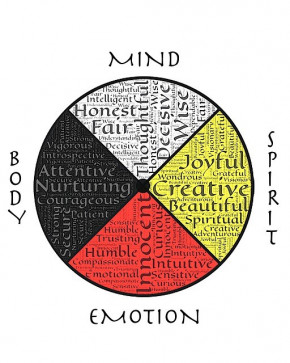
 

The familiar symptoms of hay fever are caused by the release of histamine and other inflammatory chemicals usually worse in hot weather.  Hay fever can be an atopic condition, meaning there is a hypersensitivity to developing a certain reaction to that stimulant, often occurring when immunity is lowered.

For most, it is already too late this year, however it is important to start with the treatment before the pollen season gets underway, as this helps the body to de-sentise the immune system prior to being hit by the many pollens that fill the air at this time of year.  Therefore, boosting the immune system is a wise preventative.  Local honey (1-2 tablespoons, 2-3 times daily) can be helpful, as well as Echinacea taken daily for approximately 1-2 months prior to the season beginning.


How to Treat the Symptoms of Hay Fever


Hay fever can have a devastating impact, but it is treatable, and even preventable. Here are some tips to treat hay fever and its symptoms, as well as preventative measures you can take today. #hayfever #naturalremedies

Herbs

Anti-inflammatory herbs such as Tumeric (Curcuma), Nettle (Taraxacum officinale), Chamomile (Matricaria recucita), and Lemon Melissa (Melissa officinalis) will help reduce symptoms once they start. Elderflower (Sambuccus nigra), Plaintain (Plantago major) and Eyebright (Euphrasia officinalis) are helpful in de-sensitizing the mucous membranes to the allergens. 

Tea

In general, you can help yourself by drinking organic Chamomile tea, organic Nettle tea or organic Lemon Melissa tea.  These teas can be mixed together or drunk separately.  If using the fresh ingredients, use the leaves to make an infusion with two spoons of leaves to 2 cups of water.  Drink daily. When the elderflowers come out you can do they same with them also. In addition I recommend that you consult an herbalist who will take into consideration all symptoms, as well as the general state of health before preparing a herb mix for you specifically. 


DietHay fever can have a devastating impact, but it is treatable, and even preventable. Here are some tips to treat hay fever and its symptoms, as well as preventative measures you can take today. #hayfever #naturalremedies

As mentioned hay fever causes hyperactivity of mucous membranes and therefore ensuring your diet avoids such foods will support the overall healing process.  This includes all dairy products, fast foods and sugar, as well as any food additives, especially Tartrazine (E102) which is found in processed foods and surprisingly can be found in some vitamin supplements.

Taking vitamin C is also advisable, as it appears to reduce histamine production as well as boosting the immune system.  Vitamin C is found in peppers, berries, citrus fruits and green vegetables from the cabbage family, amongst others.  Not only are these foods high in vitamin C, but also carotenoids, thus providing Vitamin A as well as antioxidants.  Selenium and Vitamin E is also important.  The latter is found in nuts and seeds, whilst selenium is found in Brazil nuts, whole grains, many raw berries, and avocados.


In summary:


  • Start early by boosting the immune system
  • Avoid mucous forming foods
  • Drink herbal teas
  • Consult a herbalist to make up a tincture which is taken daily


References:

The Encyclopedia of Healing Foods - Drs Michael Murray and Joseph Pizzorno with Lara Pizzorno, MA, LMT

The Complete Herbal Tutor – Anne McIntryre

Encylopedia of Herbal Medicine – Andrew Chevalier, FNIMH


New here? I write about how to take a holistic approach to health and well-being, to treat illness and help you be the best you can be. You can read similar blogs here:


Are you Responsible for your Gout?

Conquering Diabetes 2

Ageing Healthily on Meat

Menopause as Nature Intended

Muscle Memory, Loneliness and Health

Karaoke and Laughter - To Boost the Immune System?

How Much I Am "Liked" versus Performance on the Sports Field - Antidepressant in School Children on the Rise

Suffering from Gastric Bloating, Difficulty Digesting Food, Poor Sleep or Skin Disorders? Chamomile, a Most Versatile Herb

Stressed? So What?

Beyond Pelvic Health - Your Temple

Suffering from Poor Sleep - Tips for a Good Night's Sleep

Electromagnetic Radiation and Effects on Health and Wellbeing

Artificial Sweeteners - Do They Make You More or Less Fat?

Time for Spring Cleaning?

Brain Health - Naturally

The Role of Emotional Health and Wellbeing - Third Chakra

The Role of Emotional Health and Wellbeing - Second Chakra


Do you love Pinterest as much as I do? Please pin any of these graphics!


Hay fever can have a devastating impact, but it is treatable, and even preventable. Here are some tips to treat hay fever and its symptoms, as well as preventative measures you can take today. #hayfever #naturalremediesHay fever can have a devastating impact, but it is treatable, and even preventable. Here are some tips to treat hay fever and its symptoms, as well as preventative measures you can take today. #hayfever #naturalremediesHay fever can have a devastating impact, but it is treatable, and even preventable. Here are some tips to treat hay fever and its symptoms, as well as preventative measures you can take today. #hayfever #naturalremediesHay fever can have a devastating impact, but it is treatable, and even preventable. Here are some tips to treat hay fever and its symptoms, as well as preventative measures you can take today. #hayfever #naturalremediesHay fever can have a devastating impact, but it is treatable, and even preventable. Here are some tips to treat hay fever and its symptoms, as well as preventative measures you can take today. #hayfever #naturalremediesHay fever can have a devastating impact, but it is treatable, and even preventable. Here are some tips to treat hay fever and its symptoms, as well as preventative measures you can take today. #hayfever #naturalremedies

Created Date 17 May 2018
Author Rachel Shackleton
Categories
Kinesiology
Featured Image URL
Hay Fever Natural Cure
Title FRIEND OR FOE – THE HUMBLE STINGING NETTLE
Body

Most of us can relate to the Nettle as mostly an unpleasant experience when inadvertently coming in contact and receiving a tingling, itching sensation to the skin for hours to come. The more nettles that manage to sting you the longer it lasts and the more intensive the tingling.  The humble and prolific nettle is also very nutritious containing vitamins A, B, C, E, and K, as well as being packed with minerals including iron, potassium, magnesium, phosphorous and selenium.  The high iron content makes it useful for treatment of anemia when mixed with molasses.

It is this very stinging that has the ability to stimulate circulation and relieve pain and swelling.  The Latin name is Urtica doica and it is the process of “urtication” (stinging the skin with fresh nettles) to stimulate circulation that was employed by the Romans, to keep themselves warm as the stinging brings blood to the surface. This same technique can be used to relieve swelling and pain from arthritis.

The leaf when taken internally is an excellent nourishing tonic and rejuvenative, especially for the kidneys and the adrenals.  The nettle nourishes and cleanses the blood, strengthens blood vessels and clears toxins via the bowel.  Spring is the ideal time to drink nettle tea, eat as a wilted (cooked) green vegetable, very much like spinach, or eat as a soup.  The beauty about the nettle is that it is freely available, and when picked it quickly regrows.

Nettle soup takes approximately 20 minutes to make, is highly nourishing and delicious eaten either hot or cold.  Nettle taken as a tea, drunk either hot or cold, is diuretic.  However, it does not drain the body of potassium.   As with all plants, nettles appear at the time of year when they are most beneficial to the human body.  Spring is when we want to give support to the kidneys by shedding excess water and edema from the body in readiness for the summer heat. The added bonus is that nettle is also antiallergenic and is very effective in the treatment of hay fever.  Nettle is better when taken on a daily basis, therefore for both detoxification and the treatment of hay fever, drink three cups daily.


Created Date 22 April 2018
Author Rachel Shackleton
Categories
Kinesiology
Featured Image URL
Effective diuretic and detoxifying herb
Title STRESSED? SO WHAT?
Body

The dictionary defines stress as “a pressure or tension exerted on another object; a demand on physical or mental energy; or forcibly exerted influence usually causing distress or strain.”    In short stress is any factor, positive or negative that requires a response or change. Medical research recognises that chronic ongoing stress can lead to illness, aggravate existing disease conditions and accelerate aging.

Many diseases have a foundation of stress.  43% of adults suffer adverse health effects from stress.  75-90% of all doctor appointments are for stress-related ailments and complaints.

Common stressors include most aspects of life – family, financial, emotional and environmental, and nutritional factors, as well as personal and work-related stresses and relationships.    According to research nearly half a million people in the UK have work-related stress that is making them ill, resulting in sick leave.  It is estimated that 12 million working days are lost each year in the UK due to stress-related illness. (HSE.gov.co.uk)

The concept of job stress is often confused with challenge.  Clearly these concepts are not the same.  Challenge, if at the appropriate level, energizes both psychologically and physically.  It motivates to learn new skills and master our jobs. When a challenge is met, we feel relaxed and satisfied, proud and perhaps even excited about what we have achieved

When does a challenge become stressful?  Either when the goal cannot be achieved because it looks and feels overwhelming or when demands cannot be met, due to capability and or lack of necessary resources.  Very quickly the situation can change from focused and motivated to exhaustion from trying, and the sense of ability to accomplish has turned into feelings of stress.

How do you know when you are stressed?  In other words what are the symptoms?

Early symptoms include tiredness and lack of energy, tension headaches, and poor sleep, and even dizziness, stomach tension and diarrhoea.  When stress becomes more ingrained and towards adrenal exhaustion, these symptoms are still evident, but stronger and more constant, and often joined by other symptoms, among them, sweaty hands and feet, insomnia, circulating thoughts, nightmares, inability to get back to sleep, mood swings, anxiety attacks, stomach pains, heart burn and palpitations, anxiety attacks, depression and if that’s not enough?, feelings of being exhausted all the time.

Subjecting the body to constant stress means the fight and flight system is no longer able to turn off.  In other words your body is in a constant state of alert, whether there is danger or not.   The stress hormones adrenaline and cortisol are released which sends blood to the areas of the body that most need it including the heart and muscles in order to get you away from the immediate danger.  When the perceived fear has gone, the hypothalamus should tell the systems to go back to normal.  When constantly under stress this system becomes incapable of regulation and therefore cortisol continues to flood the system causing the many symptoms mentioned.  If we do not learn how to manage our stress effectively, ultimately can lead to chronic disease.

Some helpful tips for managing the body’s reaction in the early stages of stress:

Take care of sleep hygiene:

  • Be in bed by 10.30pm latest
  • Make your bedroom a “no zone” forelectronic devices– TV, lab tops, tablets, phones etc 
  • Stop working on the above devices at least an hour before bed in order to calm the brain.   Instead, read, meditate, take a warm bath with calming essential oils or simply share time with your family.
  • Rub lavender oil into your feet before getting into bed
  • Drink calming tea such as Lime Blossom, Chamomile, Lemon Melissa and or Lavender before retiring
  • Vigorous exercise to be completed a minimum of 2 hours before going to bed
  • Eating late means the body is digesting rather than resting.  Therefore, allow two hours for digestion of your last meal before going to bed.


NOTE: for advanced symptoms of stress take advice from a herbalist, kinesiologist and or medical doctor.


Created Date 28 March 2018
Author Rachel Shackleton
Categories
Kinesiology
Featured Image URL
#Stress Management
Title Kimchi - The Healthy Soul of Korean Food
Body

Whilst spending time in South Korea it is obvious that I should blog about the famous Korean Kimchi.  Kimchi is a traditional food made by fermenting vegetables with probiotic lactic acid bacteria and served as a side dish with most Korean meals, along with chilli paste, seaweed, and rice.

The main ingredient is Chinese cabbage, often with other vegetables, such as leek, scallions, cucumber and radish, all of which are fermented together in herbs and spices, usually garlic, cayenne pepper and ginger.

During the salting and fermenting process with lactic acid bacteria, pathogenic bacteria are eventually eradicated and replaced with beneficial bacteria, leading to heightened health benefits when eating Kimchi on a regular basis.  It is packed with an assortment of powerful antioxidants, preventing oxidative damage from harmful effects of free scavenging radicals, and rich in probiotics in the form of lactobacillus bacteria.  Kimchi also is high fibre and nutrient rich, containing many vitamins including A, B1, B2 and vitamin C, whilst also rich in amino acids and minerals – iron, calcium and selenium. The cayenne pepper adds a rich source of capsaicin and carotenoids, with many beneficial herbal actions including alterative, antispasmodic, astringent and carminative.

Health Benefits of Kimchi

Gut Health

This humble vegetable dish is famous for its health benefits verified and supported by much research.  Creating a healthy gut flora by populating the intestine with good bacteria, it is an excellent food to promote digestion.  The cabbage detoxifies the body getting rid of wastes and toxins, thus helping to stimulate better absorption of nutrients and the fibre content prevents constipation.

Regulates Cholesterol

Kimchi has beneficial effects on LDL (bad) cholesterol levels.  The addition of garlic, rich in allicin, lowers cholesterol, therefore reducing the risk of developing cardiac disorders including strokes and heart attacks.  The selenium, also present in garlic, prevents the build-up of plaque on the arterial walls, thus lowering the risk of atherosclerosis.

Weight Loss

As mentioned earlier, Kimchi is a source of healthy lactobacillus bacteria which the body utilizes to maintain healthy functioning. This good bacteria also assists in weight loss by controlling the appetite and reducing blood sugar levels. The fibre content of Kimchi keeps the body full and satiated for a longer period, preventing overeating.

Boosts Immune System

As Kimchi is rich in a range of flavonoids and phenolic compounds, the added ingredients including ginger, garlic and cayenne pepper are super protectors renowned for their beneficial effect on the immune system.  They help in fighting and curing infections such as the flu and common cold.

Kimchi is not only an excellent side dish, but it can also be added to soups, stews and other dishes.  Try putting it into sandwiches, on pancakes and in omelettes.


References

Marco, Maria L., Heeney, Dustin, Binda, Sylvie, Cifelli, Christopher J., Cotter Jay D., Foligne Benoit, Ganzle Michael, Kort Remco, Pasin Gonca, Pihlanto Anne, Smid Eddy J., Hutkins Robert. (2017). Health Benefits of Fermented Foods: Microbiota and Beyond. Available: https://isappscience.org/wp-content/uploads/2017/01/Marco-health-benefit.... Last accessed 5 February 2018.

Mercola, J Dr.. (2015). The Tangy Tasty Superfood Korean Families Eat with Every Meal. Available: https://articles.mercola.com/sites/articles/archive/2015/12/14/kimchi-he.... Last accessed 11 February 2018.

Park.KY, Jeong AK, Lee, YE, Daily, JW 3rd. (2014). Health benefits of kimchi (Korean fermented vegetables) as a probiotic food.. Available: https://www.ncbi.nlm.nih.gov/pubmed/24456350. Last accessed 11 February 2018.


Created Date 12 February 2018
Author Rachel Shackleton
Categories
Kinesiology
Featured Image URL
Boost gut and immune health
Title STRUGGLING TO GIVE UP BREAD – TRY THIS FANTASTIC NATURAL PRODUCT
Body

Bravo to Heart of Nature for producing this fantastic bread.  It is made from wholesome ingredients including seeds of all kinds – chia, linseed and quinoa, wild oats (Avena sativa) and contains no wheat, no sugar and is dairy free.

I love it both toasted or just sliced and fresh with poached egg, avocado, salmon and humus.  Not altogether!

The main ingredient, Oats gives many health benefits, including insoluble fibre.  Insoluble fibre of which most people need about 26 g to 35 g per day, moves food along through the intestines, and in the process helps to keep you regular by preventing constipation.

Oats also help to steady glucose levels in the bloodstream and stave off hunger. They are very nutritious containing amino acids, several vitamins -A, B-complex, C, E and K as well as minerals calcium, potassium, iron and zinc.

What is not to like?

Created Date 26 January 2018
Author Rachel Shackleton
Categories
Kinesiology
Featured Image URL
Natural, wheat free bread
Title Anyone For An Oil Change? A New Year, A New You
Body

Put your hands up if you made a New Year’s resolution to lose several pounds, or to get fitter, or perhaps to cut down on sweet things?  This time of the year sees many of us going alcohol free for January, starting that diet which we have been talking about for months, and signing up for that gym membership which we leap into with enthusiasm, but interest soon dwindles when we see limited or little result.

Let’s liken the body to a car engine for a minute?  Every x number of miles it is recommended by the manufacturer to do an oil change in order keep the car running well and the engine tuned.  Draining out the old oil, this is then replaced with new oil, which keeps the engine “fit and healthy”.  If we were to do the same for the body – have a quick oil change, giving the “body’s engine”, the gut, a chance to clean out and clean up - fasting springs to mind. Going on a fast does not mean, eating and drinking nothing.  The most extreme fast can be only drinking water for between 1-3 days, but if you are “in excess”, excess weight, toxicity, poor energy etc a moderate and kinder, version, but no less effective, is juicing.  Juicing can be done for up to 10 days safely.   However if doing over three days it is advisable to do this under supervision of a naturopath or nutritionist. 

Fasting improves gut health, toxin release and detoxification, as well as overall energy.  As we are all unique individuals, there is no one fast that is suitable for everyone and certainly if in a depleted state this is not the approach for you. It is not unusual to experience headaches, irritability, dizziness and lack of focus during the fasting process.  However, these symptoms usually disappear or lessen after the first day. 

What can be expected from a 3-day juice fast?  Putting your body into a fasted state causes stress by involuntarily throwing it into imbalance.  As the body is unable to get energy from food during a fast, it uses glucose that is stored in the liver and the muscles.  Once the stored glucose has been used up, the body then begins to burn fat as an energy source, often resulting in weight loss. Ultimately this process makes the body more resilient by clearing out dead, diseased and run-down cells, as well as aiding the body in detoxifying and removing toxins that are trapped in the cells, in some internal organs and in the “engine” as a whole. 

Dr. Razeen Mahroof, of the University of Oxford in the UK, explains:

"A detoxification process also occurs, because any toxins stored in the body's fat are dissolved and removed from the body," he adds, noting that after a few days of fasting, higher levels of endorphins - "feel-good" hormones - are produced in the blood, which can have a positive impact on mental well-being. (https://www.medicalnewstoday.com/articles/295914.php)

Therefore as a result we can expect increased energy, improved concentration, better sleep as well as weight loss, especially if carrying out intermittent fasting, for example every Monday, or perhaps the first three days of each month.  We can also fast between dinner and breakfast, by giving the body a complete break for a minimum of 12 hours with no food or drink intake, except water and herbal teas during this time.  For longer fasts, it is beneficial not to go straight into regular eating habits afterwards, but to slowly let the body become accustomed to regular, solid food.

Time to make that oil change?

NOTE:  If you are a diabetic or have any form of chronic disease first check with your doctor before fasting, and/or work with a qualified Naturopath.

References:

Christopher John R. Dr. (2014). School of Natural Healing. 15th ed. Utah: Christopher Publications inc.. 554-555.

Tierra, Lesley L.Ac, Herbalist, A.H.G (2003). Healing with the Herbs of Life . New York: Crossing Press . 335-336.

Murray, Michael M.D, Pizzorno, Joseph N.D (2002). Encyclopaedia of Natural Medicine. 2nd ed. London: The Warner Books U.K. 124-125.

Whiteman, Honor. (2015). Fasting: Health Benefits and Risks. Available: https://www.medicalnewstoday.com/articles/295914.php. Last accessed 09.01.2018.


Created Date 09 January 2018
Author Rachel Shackleton
Categories
Kinesiology
Featured Image URL
Intermittent Fasting - Naturopathic Principles
Title GARLIC A HOUSEHOLD HERB WITH IMMUNE BOOSTING TALENTS
Body

GARLIC A COMMON HOUSEHOLD HERB

Traditionally and historically garlic is best known for its use in cooking for flavouring stews, pasta sauces etc. Eaten raw this herb strengthens the immune system, but some might say “at a price!” One such person was Thomas Nash, who once said, “Garlick maketh a man wynke, drynke, and stynke.”  (First husband of William Shakespeare’s granddaughter Elizabeth Barnard)

Garlic, (Allium sativum) energetically described as hot, pungent and spicy, is not just a flavour enhancer it can also fight off nasties by boosting the immune system. Garlic’s natural mechanism of protection is the volatile sulphur compound, allicin that oozes a pungent smell once cut or bitten by any unsuspecting predator.  You may be among those who dislike the smell and or taste and perhaps surprised to know that parasites also cannot live in the same environment as garlic because it is anti-parasitic, as well having constituents that are antibacterial, antimicrobial and antifungal.  It is rich in vitamins A, B and C, minerals including calcium, magnesium, potassium, selenium and iron, as well as potent anti oxidants.  What is not to like?

With all these benefits it makes sense to enhance the Christmas turkey, goose or other festive dish of your choice with garlic? Garlic on its own would perhaps be a little too overpowering and live-on for some days!  But mixed with a stuffing or accompanying sauce of your choice, whether sausage meat apricot or sage and onion would enhance the flavour and enjoyment, as well your whole family’s immune system.  A double whammy!

Wishing you all a fabulous, healthy, garlic and fun filled festive season.


Note:  Avoid with Warfarin, Statins or Antihypertensives in raw form.

            Avoid large doses when pregnant as may cause stomach upset

References:

Phytotherapy, Michael Thomsen ND, MSc & Hanni Gennat BSc, PhD

Dispensing with Tradition, Anne McIntrye & Michelle Boudin

The Complete Herbal Tutor, Anne McIntrye


Created Date 19 December 2017
Author Rachel Shackleton
Categories
Kinesiology
Featured Image URL
#Natural Health #Naturopath #Herbal medicine #kinesiology
Title FESTIVE CHEER, HEALTH AND ENJOYMENT WITH ESSENTIAL OILS
Body

After being plunged into “Daylight Saving” its time to take out the candles, and bring warmth into your life with warming foods – stews, casseroles, soups as well as festive aromas.  We can also bring warmth into the long dark evenings by diffusing essential oils.  Essential oils bring natural, delicious, warming, soothing and uplifting fragrances into the home.  Combined with the flicker of candlelight and the warm glow you are set to see the long winter nights through with ease.

What are essential oils?

“Essential” as the Oxford Dictionary defines it, is “Absolutely necessary, Extremely important”.  In other words something we cannot do without.  Essential oil as defined by the Oxford Dictionary is “A natural oil typically obtained by distillation and having the characteristic fragrance of the plant or other source from which it is extracted.”   In other words essential oils are volatile liquids that are distilled from plants including seeds, bark, leaves, stems, roots and flowers.  They do not only smell wonderful, but the plant constituents are beneficial to health as well as positively affecting and enhancing mood. 

To support wellbeing we can use essential oils in different ways, such as topically, in some cases internally as well as through diffusion in a diffuser, usually powered by electricity, or in a tea-lighter warming vessel.  Using oils through diffusion breaks the oil into a fine mist that is dispersed into the air, creating the aroma of the essential oil put in the diffuser to bring about the desired effect whether to neutralize cooking smells, influence mood and emotions, bring on a festive spirit, or to improve health.

All pure essential oils are taken from the plant itself, and used in this pure form, with no additions needed. The oil is highly concentrated and therefore only 1-2 drops are enough to stimulate the olfactory process, resulting in the desired atmosphere and emotion.  Many essential oil constituents provide health benefits, for example antibacterial, (Aguiar et al 2014) and antiviral properties that support the immune system (Serafino et a; 2008), to name a few.

Why are they essential?  Essential oils have the power to influence both the respiratory and olfactory epithelium, which creates our sense of smell.  The olfactory nerves and the portion of the brain that processes smells are closely tied to the area of the brain that processes emotions, our hormones and the autonomic nervous system.   Ever been in a place where you have smelt something and it has brought back a certain memory?  This is because smell is closely connected with the part of the brain that affects long-term memory.  (Herz et al. 1996).

Oils can be calming, energizing for example wild orange, rosemary and peppermint.   Relaxing - for relaxation think about lavender, geranium and roman chamomile.  To invoke the Christmas season, oils such as spruce, cinnamon and frankincense come to mind.  Oils can also be used to ease breathing, such as eucalyptus rosemary and thyme.

In the colder weather we fall back on hot baths to relax, unwind and warm up.  Make this a calming and relaxing ritual by adding 3-6 drops of your favourite essential oil or mix of oils to the bath water.  Try lavender, bergamot, or sandalwood.  For a more uplifting bath when you are feeling exhausted, but have a full schedule ahead try peppermint and or rosemary.

Cooking with essential oils gives concentrated flavour to the dish you are preparing. 

Not all oils can be used internally, however lemon, rosemary, thyme, oregano and cinnamon are just a few that can be used in cooking, or added to warm drinks such as coffee, rice and almond milk to give that little bit of added natural flavour. (Use only pure essential oils that can be taken internally).  The benefit of the oils is not just the concentration and natural goodness, but also the fact that they can be used all the year round, when fresh herbs are not available. 

Recipe for Creamy, Cream-less Raw Tomato Soup (Modern Essentials, 9th edition, Aroma Tools)

  • 6 ripe tomatoes, chopped
  • ½ cup water
  • 1 clove minced garlic
  • 1 small onion chopped finely
  • Salt to taste
  • 1 ripe avocado chopped
  • 2 Tablespoons extra virgin olive oil
  • 2 drops basil essential oil

Method

Place tomatoes, onion, garlic, salt and water in a blender.  Blend until smooth.  Add avocado and olive oil, blend again until smooth.  Add basil essential oil.  Tip into a bowl and stir.  If wanted this soup can be served warm or chilled.  For warm soup heat until just boiling, remove and serve. For chilled soup, leave in the refrigerator for 2 hours and serve.

Essential oils are loved by everyone.  The perfect Christmas gift.


Reference:

Modern Essentials, Aroma Tools, 9th edition.  www.AromaTools.com

Created Date 14 November 2017
Author Rachel Shackleton
Categories
Kinesiology
Featured Image URL
Essential Oils for Health and Wellbeing
Title BEYOND PELVIC HEALTH - YOUR TEMPLE
Body

I recently took part in the Wantage Pilates Studio event on “Women’s Pelvic Health”.  Whilst I do not specialize in pelvic health, I was still able to contribute from the perspective of a Kinesiologist, Herbalist and Naturopath.  The title I decided on for my presentation was “Beyond Pelvic Health?”  This blog is based on the presentation I did for that event.

Women, as are men, are unique individuals.  It’s true women all have vaginas, breasts, colons, etc, but no two vaginas, breasts etc are identical.  Combined with this we all have a unique life path through our education, our upbringing, our career experience and so on.  Therefore, why does conventional medicine look at us all the same way, putting us into the relevant box according to presenting symptoms, whilst complementary & alternative medicine practitioners treat each person as individual and look at the whole, not just the affected part of the person. 

Qualifying as a kinesiologist over 10 years ago, taught me that there is so much more to a person than just the presenting symptoms or dis-ease - there is more to us than the Pelvic Triangle.  Therefore, what is behind poor pelvic health?  Is it purely a physical disorder, or a disorder that has emotional/psychological and spiritual aspects to it as well?  This understanding has been further emphasized through my studies and practice of herbal medicine and naturopathic principles.

What does it mean to look at and consider the whole person?

Any DIS-EASE state, whether poor pelvic health, compromised gut health or other disease state, we have to consider three levels:

  • The physical situation
  • The emotional aspects of this imbalance
  • The spiritual

Considering women; we move along a production line through life – acquiring and losing bits, as well as cycles within that line:

  • From a child to puberty – First period and the emotions around that
  • Puberty to womanhood – Regular periods, or not, PMT or not……..
  • From a women to a mother and all the emotions due to changing hormones that is involved in this miracle of bringing life into the world
  • A mother to menopause
  • Menopause to post menopause

Each one of these periods is affected by a hormonal change and by hormonal cycles, and therefore has deep emotional content as part of physical changes.

In consultations with clients, treatments will include all three levels.  Questions will be aimed at identifying the possible pathology of presenting symptoms, but at the same time what is likely causing this pathology and what is the pattern behind it?   Has there been any stress or trauma recently?  What are the things that cause a person stress?  What kind of diet do you eat?  How do you relate to food?  And so on.

The spiritual element of any consultation is not usually obvious, unless carrying out a Therapeutic Energetic Kinesiology treatment or through knowing the person through several consultations.  The spiritual aspects of ill health are more often than not around the main purpose of life of this person – are they following that path or sabotaging their truth in some way?

On top of all this we also have several roles to play in life.  Those roles include – daughter, wife, sex goddess, mother, career woman to name a few.  Is it any wonder we have difficulty in maintaining emotional balance and consequently perfect health and wellbeing, when there are so many demands on who we are?  The key to managing the roles and transitions in life smoothly in order to maintain that balance and perfect health and wellbeing is:

For the physical:

Think about what you eat – the old saying “you are what you eat” goes a long way to explaining physical imbalance and ill health.  The body needs fuel that creates energy in the cells to:

  • Give movement
  • Keep skin fresh and gorgeous
  • Give vitality and general wellbeing
  • Strengthen the immune system
  • All bodily functions

Diet should include  fresh fruit and vegetables on a daily basis and in the case of vegetables – eat the rainbow more than once a day.

Water the elixir of life itself.  This is not tea or coffee or water with cordial or in juice.  Simply good old water, and preferably distilled.

Exercise – Whether that is gentle movement through Pilates, Yoga, Tai Chi or something more vigorous such as swimming, netball, walking or tennis.  Movement is essential to avoiding and minimizing stagnation of bodily functions – constipation, excess mucous, swelling in the ankles etc

Minimise toxins – choose natural household products, natural make up, deodorants, toothpaste, shampoo etc.  Minimise the amount of toxins you take in.  Above all do NOT install a Smart Meter in your living space.

For the emotional:

Create down time for you.  Whatever that might be it is your time.

Meditate on a daily basis

Chant, sing, dance

Speak in the positive, avoid dwelling on the negative

Try to be non-judgmental of others

For the spiritual:

Meditate – listen to yourself, to nature, to patterns that present themselves

Get fresh air daily by walking in nature, listening to the wind, the trees, birds singing, running water, grasses rustling, and all other things nature.

As an ending comment, remember your body, mind and spirit is a temple.  The way you treat your temple will define how your body and mind treats you.


Created Date 16 October 2017
Author Rachel Shackleton
Categories
Kinesiology
Featured Image URL
Title SUFFERING FROM POOR SLEEP? – TIPS FOR GETTING A GOOD NIGHTS SLEEP
Body

Thomas Dekker the actor once said, “Sleep is the golden chain that binds health and our bodies together.”  

Sleep hygiene can be called one of the essential pillars to our health.  As we are all unique it cannot be assumed that everyone needs a certain amount of sleep hours per night, but it can be said that when you wake up, the mind and body should feel refreshed and energized ready to face the day.  There is nothing worse than putting your head on the pillow and then circular thoughts start.  Your mind runs actively over the days business, difficulties, challenges, outstanding problems, worries to do’s and so on stopping you from nodding off into a peaceful slumber and good nights rest.

Perhaps you are the type of person who hits the pillow and falls asleep immediately, but then several hours later you wake and then your can’t get back to sleep due to the thoughts that have crept in and taken over your mind.   Irrelevant of what you try, nothing seems to work – reading, getting up for 10 minutes, watching some television, counting sheep, or other creative ideas to trick your brain into stopping and allowing peaceful, deep sleep to resume.

Preparation for sleep is as important as preparing for a meeting, warming up before running a half marathon or making a shopping list before going to the supermarket.  Some of the key points about sleep hygiene to ensure that good nights rest:

1. Getting to bed at the right time, preparing for sleep, before actually going to bed, and ensuring the bedroom is conducive to good sleep.  Ayuvedic medicine, the traditional Indian herbal medicine and way of life describes us by different doshas – Vata, Pitta and Kapha.  Each of these doshas has a specific time when it is working.  Ever heard of the expression “I just got my second wind?”  This is because Pitta time starts at 10pm and goes through to 2am, and again from 10am to 2pm.  Fiery Pitta is active at these times, and at night is busy processing and assimilating dinner. Therefore getting into bed before 10.30pm is important, to avoid that second wind kicking in. 

2.  When preparing for bed – think about slowing and relaxing your mind, through restful activities, such as reading, meditation, listening to soft music or having a warm bath with essential oils.  Avoid things like computers, mobile phones and television at this time as they are backlit by LED light and the emission of this blue-light wavelength has a negative effect on melatonin levels, an essential hormone that makes you drowsy and kicks in your sleep cycle.

3.  Try some kind of relaxing herbal tea before bed, such as Chamomile, Lavender, Lemon Melissa, and Lime Flower, or a mix of these and other herbs which are readily available from various tea companies.

4.  Plan two hours as a minimum after eating before going to bed, to enable your body to digest what you have eaten.  Thus, allowing the body to focus on rest and renewal during sleep.

5.  Make sure the bedroom is as dark as possible, quiet and free from electronic devices especially those mentioned earlier.  Melatonin is released naturally at the onset of darkness, preparing your body for rest, and is continuously released throughout the night as part of your natural circadian rhythm. However, melatonin can be partially curbed by exposure to light. Suppression of melatonin has the opposite effects, increasing alertness, and possibly altering REM sleep patterns when you finally drift off.

6. Exercise – try to complete your exercise regime at least two hours before going to bed, unless a gentle form of exercise such as yoga, strolling outside in the fresh air, gentle stretching or meditation.  Exercise increases oxygen in the blood, thus stimulating the brain by triggering a number of neurotransmitters including adrenalin, serotonin and dopamine, which as we know is overall positive for brain and body health.  However, just before bed vigorous exercise will activate a more Pitta-like state leading to an overly active brain which then affects how quickly you fall asleep as well as the quality of sleep.

7. Over-sleeping is just as detrimental as too little sleep to waking feeling refreshed.  Often this is because you are rising in Kapha time when activity levels are either slowly increasing or slowly winding down, the latter resulting in feeling groggy and dull rather than alert and active.  You would do better to rise early, before 7am to benefit from rising in Vata time.  Overall, going to bed in Kapha time by 10pm, and waking in Vata time by 7am.

Tips for a Peaceful Night’s Sleep:

  • Put dried lavender under your pillow, or rub lavender oil into your feet before bed.
  • Use an aromatiser in the bedroom with essential oils that aid relaxation and sleep – Valerian, Rose, Lavender, Ylang-Ylang, Majoram, Chamomile and Clary Sage for an hour before going to bed.
  • Make a sleep pillow with a mix of relaxing herbs (as above) sewn into a pillow.


Created Date 18 September 2017
Author Rachel Shackleton
Categories
Kinesiology
Featured Image URL
Suffering from Insomnia?
Title ELECTROMAGNETIC RADIATION AND EFFECTS ON HEALTH AND WELLBEING
Body

We live in a world that is ever increasing the levels of electro magnetic radiation (EMR).  This is manmade radiation used in mobile phones, WiFi, the Tetra-network and now the addition of so called Smart meters.  I am yet to understand what is smart in the smart meters, except of course the fact that this decreases the workforce who read meters periodically, which will increase the large energy giants profitability.  Oh and of course the fact that there is more control over what we are all doing?  Has anyone stopped to think about the security issues surrounding this meter?  If a cyber hacker can hack into our banks, what is to stop them hacking into your meter, and your data that the supplier has stored, as well as your home if you have an app to control the heating, lighting etc when you are away?

However, as someone who has health and wellbeing at heart, I have to ask the question “ How is this affecting our health?”  I was horrified when close friends of mine announced with pride that they had recently installed a Smart meter.  We are seeing much more chronic disease which has no box.  In other words unexplained lack of joy, excitement and zest, low libido, lack of sex drive and general fatigue as well as insomnia, low grade depression and hyperactive children with learning difficulties.  Perhaps this has something to do with the ever increasing levels of EMR.  Autism is doubling every five years, this cannot only be down to a poor diet of processed foods, genetics and bad luck!  Research by Dr Klinghardt has shown that there has been a 24% increase of autism in babies of pregnant mothers exposed to microwave radiation!

We have seen that schools that have wireless connection in the classroom has elevated neurological problems in children such as learning difficulties and hyperactivity disorder.  As soon as the school changes to plug in broadband or fibre optic technology to access the net these issues go away.  Surely alarm bells have to be ringing when we further increase the levels of EMR into our homes?

All government and energy supplier information talks about the benefits of installing a Smart meter, nowhere does it talk about the effects of increasing EMR in your home and once installed in your neighbour’s homes as well.    A smart meter is broadcasting 24/7 bringing devastating amounts of radiation into your home.  Research by Adamantia Fragopoulu and Lukus Margaritis of the Univeristy of Athens concludes that:

“The evidence for disregulation of proteins in the brain from whole body exposure to RF/MW radiation, such as the radiation emitted by cell phones, portable phones, wireless devices or ambient RF/MW from cell towers, whether proteins are up-regulated or down-regulated, is of great concern for its impact on children’s capacity to learn. “

If we believe this, which I definitely do - What are the main measures you can take to decreasing the impact of electromagnetic waves on body and brain health?

  • Remove all mobile devices including mobile phones, cordless phones, television etc from the bedroom.  At night our parasympathetic system is more at work and this means we are more vulnerable to the impact of these waves.
  • When talking on the mobile phone put it on speaker to keep the phone away from your body. 
  • Remove any compact fluorescent lights.
  • Remove cordless phones from your home.
  • Switch off WiFi at night.
  • AVOID installing a Smart Meter!


References

http://articles.mercola.com/sites/articles/archive/2012/12/05/smart-util...

http://electromagnetichealth.org/electromagnetic-health-blog/mice-proteome/

Sevan-Schreiber, David Dr. (2011). Anti Cancer A New Way of Life. London: Penquin Group. 294-295.


Created Date 11 August 2017
Author Rachel Shackleton
Categories
Kinesiology
Featured Image URL
Negative impact of Smart Metres
Title Rosemary is not just for flavouring lamb?
Body

Rosemary (Rosmarinus officinalis), the hardy Mediterranean shrub that not only looks gorgeous, smells divine but has many health benefits in addition to it being a wonderful herb for flavouring lamb, adding to strews and casseroles, to breads, muffins, as well as for flavouring desserts.  Beautifully versatile!

Whilst adding flavour to food, the bitters in Rosemary stimulate the appetite and absorption, as well as aiding digestion of fats and helping both hepatic and cellular detoxification.  Tannins present in rosemary protect the gut lining from irritation and inflammation. 

Rosemary has historically been used for strengthening memory.  It is the “herb of remembrance” and its name means “Dew (Ros) of the Sea (marinus)”.  In ancient Greece and Rome from 500 BCE rosemary’s popularity, came in part from the widespread belief that it stimulated and strengthened memory.  Today we use rosemary in much the same way because it increases blood flow to the head and brain, thus heightening concentration and memory, as well as stimulating hair growth.   In the fourteenth century rosemary oil was first extracted to make “Queen of Hungary” water, a popular cosmetic at the time.  In the sixteenth and seventeenth centuries, rosemary became popular as a digestive aid and was sold through apothecaries.  In Shakespeare’s Hamlet, Ophelia says “There’s rosemary, that’s for remembrance.”

Rosemary is high in essential oils and due to rosmarinic and carnosic acid has powerful antioxidant properties, which provide many benefits.  It is uplifting and raises the spirits, whilst increasing vitality. Studies have shown that these properties can act to reduce inflammatory responses by altering the concentrations of inflammatory messenger molecules, potentially making this herb useful for inflammatory conditions such as rheumatoid arthritis, bronchial asthma and atherosclerosis.  Additionally, cell mediated oxidation of low density lipoproteins (LDL) is inhibited by rosemary.

The flavonoids and volatile oils are useful for stimulating the immune system, and increasing circulation.  Used externally as an infused oil it is excellent for respiratory problems and catarrhal congestion.  It can be used on aching muscles to soothe muscle and joint pain, sciatica, neuralgia and arthritis.  It can be rubbed into the scalp to cure head lice and stimulate hair growth.  The oil can be applied to the temples to relieve tension headaches, stress and drowsiness, and used in an infuser the aroma of rosemary aids concentration and increases memory.  Perfect for long revision days and nights, and a much better alternative to caffeine!  If added to bath water it makes a wonderful reviving soak.

And we thought it is just good for flavouring lamb!

NOTE:  Avoid during pregnancy.


References:

The Encylopaedia of Healing Foods, Dr Michael Murray and Dr Joseph Pizzorno

Dispensing with Tradition, Anne McIntrye, Michelle Boudin

Adaptogens in Medical Herbalism, Donald R. Yance


Created Date 13 July 2017
Author Rachel Shackleton
Categories
Kinesiology
Featured Image URL
Rosemary is not just for flavouring lamb?
Title Pharmaceutical or natural healing - a case study?
Body

Health concerns everyone whether good or not so good. There are many routes to achieve the goal of health and wellbeing when the body or mind slips from homeostatic balance. Complementary or Alternative medicine gets its name because it provides either an alternative approach to maintaining or achieving wellness or from the fact that alternative medicines such as  kinesiology, herbal medicine, homeopathy and naturopathy are all very supportive of traditional,  allopathic medicine, assisting in enhancing treatment effects, helping the body manage chronic treatments, such as chemotherapy and radiation, as well as limiting negative effects to healthy  cells and body parts, when taking medications.

All complementary methods are non invasive bringing the body back to balance over time.  With non invasive methods each modality supports and complements any treatment that you might be having with your medical doctor, or provides the foundation for building the immune system to maintain health and wellbeing in the world in which you live.  Alternative therapies all take into consideration the whole person including lifestyle, diet and any stresses. Lets face it, you have to be living in a cave on a remote mountain to avoid not having any stress!  We look at how the body functions as a whole and therefore address the whole person rather than the symptoms.   The following case study gives you an understanding of how different modalities work as well as results achieved using combined osteopathy and kinesiology treatments for restoring health, balance and wellbeing along side traditional medicine.

Case study 

Fifty-three year old widowed lady with two full grown children, suddenly, for no apparent reason began to suffer from severe back pain with the pain extending intermittently down the right leg.  The right hip and groin were painful and it was difficult for her to sit any period of time.   As a result quality of sleep decreased and dropped to no more than five hours per night.  To manage the pain she takes pain killers prescribed by her doctor.  In addition she has high blood pressure and is prone to depression, for both of which she is on prescribed medication.  On the first consultation she described her general state of health as “poor”.   Besides the pain she was constantly tired, and had several bouts of infection in her chest.  The thyroid was checked and no abnormalities found.  Prior to this situation she was active and walking up to five kilometres per day. Has a part time job, which she has been unable to do since the pain began in her back, groin and legs.  She neither smokes, nor drinks alcohol, and drinks between 1.5-2 litres of water daily.  Diet is varied with something like porridge and banana for breakfast, a sandwich with yogurt or fruit for lunch and dinner of sausage, mash and beans.  Since the onset of pain she has been unable to prepare vegetables as it requires standing for too long, increasing the pain.  Thus her diet is suffering, further compromising her state of health. 

She is currently being treated both by me as a kinesiologist, as well as seeing an osteopath, and as needed her medical doctor.  Bi weekly osteopathy sessions have relieved some of the pain in the back, groin and leg and now the client is walking more freely, for longer distances, with less pain.  Osteopathy is based on the principle that the wellbeing of an individual depends on their bones, muscles, ligaments and connective tissue functioning smoothly together. Osteopathic treatments  stimulate the body into self healing and restoring balance.  

Kinesiology uses muscle movement to identify where there are blockages in the body, to remove the blockages and then stimulate the body to heal itself.  Kinesiology revealed deep grief leading to “injury” (blockages) on the physical and emotional levels.  For this she was prescribed a herbal plant formula and several flower formulas to take daily over a month.  After the third week she was already feeling “lighter” with a lessened amount of pain and a positive outlook to continue with the treatment.  

For the first year, our client was treated with both osteopathy and kinesiology on a monthly basis.  Within a year of following the treatment protocol she was back to work, walking more, as well as cooking vegetables.  Therefore, having a more healthy diet and able to lead an almost normal life, suffering only very occasional pain.  Not only this, she is one less person in the doctors waiting room!   The next goal is to reduce her medication through treatment with nature’s herbs.  All of which are natural, have no side effects and restore health through addressing the root cause, as opposed to keeping the client reliant on taking medication daily for the rest of their lives!  As she describes her state of health as “good”, her consultations are once every two months for kinesiology and as needed for osteopathy.

There are no magic bullets to maintain and restore health and wellbeing, but there are a lot of routes at your fingertips to choose from to either support your local doctor’s good work, or use as  powerful individual treatments in their own right.  Any chosen approach whether allopathic or alternative will only be effective if you take responsibility, are committed and dedicated to getting well.  

Created Date 12 June 2017
Author Rachel Shackleton
Categories
Kinesiology
Featured Image URL
Natural wellbeing with healthy diet
Title Artificial sweeteners do they make you more or less fat?
Body

Artificial sweeteners as the name suggests, are sweet to the taste, but do not contain any calories, therefore being marketed as a replacement for sugar.  Artificial sweeteners are not limited only to consumption in your cup of tea or coffee, they are widely used in diet fruit and fizzy drinks, confectionary, processed foods, including baked goods, canned foods and jams, as well as in some dairy products.  

The prolonged ingestion of artificial sweeteners may cause the body to change metabolically and therefore become dysfunctional.  Why might this be so?  From 1977 to 2001 Americans doubled their consumption of sweetened beverages and at the same time  the obesity rate skyrocketed.  Can these two supposed separate issues have some correlation?

Despite the fact that soft drinks do not contain sugar, the sweet taste of the sweetener sends a signal to the brain to think that it is getting sugar, which triggers the cephalic phase insulin response (CPIR).  In other words even though there was no ingestion of actual sugar, the sweet taste causes the body to produce insulin in anticipation of a rise in blood sugar.  A study conducted in 2008 concluded that “A significant increase of plasma insulin concentration was apparent after stimulation with sucrose and saccharin. In conclusion, the current data suggests that the sweeteners - sucrose and saccharin activate a cephalic phase insulin release even when applied to the oral cavity only.”  (Just et al.)

The cephalic phase insulin response leads to artificially high levels of insulin and with no sugar to process, the extra insulin reverts automatically to its secondary function of fat storage, and muscle growth inhibition.   Over time a negative cumulative effect is seen on the individual’s metabolism.  Consequently, the consumption of diet fizzy drinks and other  artificially sweetened products has been associated with making people more fat, not less fat!

In addition to triggering the CPIR, artificial sweeteners used in diet drinks do not provide the same level of satisfaction that fresh fruits or whole-food sweeteners such as Stevia and Agave syrup do.  In fact artificial sweeteners increase your craving for sugar and therefore the need to drink more diet fizzy drinks, thus forming a vicious circle of craving sugary foods and drinks, leading to more sweeteners, and overeating all pushing you towards weight gain and ultimately obesity.  

Once the body (and brain) becomes addicted it is difficult to recognise other signals produced by the body for wholesome nutrition, leading to depletion of adequate nourishment to fuel growth, replace cells, and provide energy to responds to your environment, and go about the normal daily routines.  In fact, soft drinks leech calcium from the bones, lower bone-density and contribute to the formation of osteoporosis.  Diet drinks which contain zero or only minute levels of nutrients are frequently used in place of healthy drinks and foods.  By consuming them you are replacing nourishment that you would gain from healthy foods, fruit and fruit juices with something that is empty of nutrition, and at the same time affects your metabolism, therefore how you react to and handle stress, as well as overall health.

As if this final insult is not enough?  Artificial sweeteners used in soft drinks are neurotoxic chemicals which have adverse affects on the nervous system.  Depending on sensitivity, this might appear to have no affect at all.  However, it is the cumulative affect over time, that builds and causes metabolic changes. 

While your brain requires a fairly constant supply of blood sugar glucose in order to function properly, constantly eating refined sugars and drinking sweetened drinks does not support a healthy metabolism. On the contrary, researchers at the Salk Institute in California found that high glucose levels resulting from quick, easy sugar intake slowly but surely damages cells everywhere in the body, especially those in the brain, ultimately affecting attention span, short-term memory, and mood stability.  Excessive refined sugar can block membranes and thereby slow down neural communication, eventually damaging neurons, increasing free radical inflammatory stress on the brain and increasingly making it harder to think clearly.

Who benefits?  Philosophically there might be a good argument?  Personally, I struggle to find it!


Aubele Teresa. (2011). Why a Sugar High Leads to a Brain Low. Available: www.psychologytoday.com/blog/prime-your-gray-cells/201110/why-sugar-high.... Last accessed 6 May 2017.

Just, Tino, Pau Hans W., Engel Ulrike, Hummel Thomas. (2008). Cephalic phase insulin release in healthy humans after taste stimulation?. Available: http://www.sciencedirect.com/science/article/pii/S019566630800411X. Last accessed 6 May 2017.

Yance Donald (2013). Adaptogens in Medical Herbalism. Vermont: Healing Arts Press. 290-314.

Created Date 09 May 2017
Author Rachel Shackleton
Categories
Kinesiology
Featured Image URL
Neurotoxins, obesity and lack of energy
Title Hawthorn - The Arteries of Great Britain
Body

It is funny how things stick in your memory?  I was sitting in one of the many lectures at college and this time it was about cardio vascular disease and how herbs can positively affect symptoms and disease processes within the heart, the venous and arterial systems, such as arteriosclerosis, high cholesterol and high or low blood pressure.  The main herb that stood out from all those discussed was Crategeus monogyna or Crataegus oxyacantha.  In other words Hawthorn.  The lecturer introduced Hawthorn as the “Arteries of Great Britain” and its true when you look from an airplane window, or some other elevated position you see fields divided by hedgerows of beautiful Hawthorn.  At this time of year full of fresh green leaves and tightly closed pink and white  flowers waiting to spring to life.

In the Middle Ages this herb was known as a symbol of hope.  Just when we think that spring is not coming the Hawthorn flowers burst into life.  Historically it was used for kidney and bladder stones as well as being a diuretic.  Today, herbalists use it for circulatory and cardiac problems, particularly angina and coronary artery heart disease.  Improving heart function, it is a valuable remedy for both high and low blood pressure, is a cardiotonic and dilates blood vessels, is a relaxant as well as an antioxidant.   Hawthorn, like most herbs works in tune with the body and therefore takes time for physiological changes to occur.

It makes sense that when consulting the “Doctrine of Signatures” by Paracelsus (1500’s) that based on his observation, all plants including the shape, colour, smell and the environment in which they grow reflect what they are able to do in the body.  As mentioned, Hawthorn works not only on the physical heart and circulation, but also on the emotional heart.  The hawthorn hedge forms the “Arteries of Britain” carrying and supporting life within it by housing and feeding small animals, birds and insects. The red berries show affinity to the blood, the thorns to the heart - when pricked it hurts! In this way Hawthorn addresses emotional heartache.

What is the function of arteries in your body?  Arteries are responsible for transporting blood away from the heart around the body into the network of capillaries and arterioles.  Each organ has a major artery which supplies it with blood carrying oxygen and nutrients, and then back via a major vein to the heart, with the exception of the stomach and small intestines where blood is transported to the liver and digested food molecules are processed.  Once pumped back to the heart, blood is re-oxygenated and the whole process repeats.

Herbalists use the leaves, flowers and berries for different treatments depending on what heart and circulatory issues the client is presenting with.  Either a tincture of flowering tops or berries or a decoction of flowering tops is beneficial for circulatory disorders – regulating blood pressure and preventing build up of arteriosclerosis, as well as lowering harmful cholesterol and strengthening the heart muscle whilst regulating heart rhythm.  For most people, if you want to work on your blood pressure, circulation and cholesterol build-up naturally, this is the herb for you!  Unless you have specialized knowledge it is advisable to do this with a qualified herbalist.

Hawthorn cannot do it all!  As most cardiac diseases are associated with being overweight or even obese, a diet high in refined sugars, saturated fats (fried foods, processed foods and pre-packaged snacks, combined with lack of movement and exercise, means we have to address lifestyle as well?

What better time of the year to eat more fruit and vegetables and with longer days to go out to enjoy the great outdoors and the “Arteries of Britain.”


References

McIntyre (2010). Anne. London: Gaia division Octopus Publishing Group, 123

Chevalier, Andrew (2000). Encyclopedia of Herbal Medicine. 2nd ed. New York, USA: DK Publishing Inc..90.


Created Date 20 April 2017
Author Rachel Shackleton
Categories
Kinesiology
Featured Image URL
Natural remedy for heart disease
Title Time for spring cleaning?
Body

This time of year is always so special.  Everything starts to buzz with life and oscillate between bright, fresh, intense sun, extreme wind and rain.  All elements playing their role in generating new bright green growth, vibrant flowers and energy in everything and everyone!  Energy for “Spring Cleaning!”.

There are several thoughts about where the term “Spring Cleaning” came from.  It appears to date back many centuries and could have been influenced by several traditions.  The Jewish tradition during Passover (March and April) requires the removal of all leavened products from the house including  utensils used for making these products.  In doing so it is thought that this time was also taken for cleaning the house thoroughly.

The Chinese welcome New Year in January/February and during this time it was important to clean the house thoroughly in preparation for the New Year.  Once completed the Chinese would hang good luck paper couplets (chunlian) around the front door.

The Iranians took part in Khaneh Tabani, which translates as “Shaking of the House”, also in preparation for the New Year during the spring Equinox on the 21st March.  This term “Shaking of the House” is rather visual and for me has a strong association with getting ready for what is coming in Spring and Summer.

In Western countries before the advent of vacuum cleaners, spring was the time to remove the soot from the house as a result of coal furnaces.  Springtime was considered warm enough to open the doors and windows to air the house out, whilst the wind would blow all the soot and dust away.

Whatever the history to spring cleaning it is a time of renewal, of letting go of what is not needed.  It has both psychological and physical effects on the mind, body and spirit.  The physical effects are found in deeper cleaning and removal of dirt and dust that has accumulated over the winter months in areas that are not so visible due to lack of sun and day light.  Removal of this dust decreases potential allergies and asthma. 

Psychologically the winter is a gloomy time, especially in Northern countries when daylight hours are much less, the sun is low in the sky, everything appears to be sleeping and consequently energy stagnates, things get left undone, projects unfinished and progress slowed.  Spring is the time when we feel energized and ready to complete all the unfinished projects, create afresh, make those decisions that we have been putting off, and therefore generally get on with things.

What about spring cleaning yourself to lift your mood, energise yourself and clear out stagnation from the body?   Now is the time to do that detox you have been promising yourself for months.  During the spring it is easier to eat fresh foods, salads and vegetables and to drink herbal tea to help remove unwanted clogging in the intestines and bowel refreshing and energizing the system, as well as increasing and improving blood circulation, supporting the main body organs by assisting them to breakdown accumulated toxins and then eliminate them more effectively through the body’s elimination channels – the skin, liver, kidneys, lungs and bowel.

Cleavers or Goose grass (Galium aparine) this straggling plant sticks to everything, its name referring to its ability to cling/cleave to clothing or animals that brush past it.  Growing frantically at this time of year it is full of polyphenolic acids, flavonoids and tannins.  These constituents are valuable as a diuretic, for general detoxification of the body and to aid with swollen lymph glands.  Pick the plant creeping stems, boil in water for 10-15 minutes and drink 2-3 cups daily as a tea.  (Avoid if pregnant)

Nettle (Urtica doica) – The Romans used Urtica as a method of beating the body to bring blood to the surface in order to keep warm. Known as “urtification”.  Nettle leaves are rich in flavonoids, amines, including histamine, acetylcholine and serotonin as well as minerals.  Nettle is also a cleansing and detoxifying herb with diuretic action, aiding the elimination of waste from the body.  Nettle is an antiallergenic and can be used for treating hay fever, a condition associated with spring. Pick the nettle tops and leaves, boil in water for 10-15 minutes and drink 2-3 cups daily as tea.  (Avoid if pregnant)

Dry skin brushing – daily dry skin brushing stimulates lymph to aid with removal of toxins through the skin, the largest organ in the body.  Using a specific brush for dry skin brushing, before showering brush all over your body always in direction of your heart.  Over time you will enjoy the benefits of more effect detoxification and a stronger immune.


Created Date 22 March 2017
Author Rachel Shackleton
Categories
Kinesiology
Featured Image URL
Dry skin brushing - the benefits
Title What do chicken stock cubes have to do with performance?
Body

It is easy to get on a soap-box and start to spout about eating habits and following a healthy food regime,  to be self-righteous and ignore the challenges of day to day life that affect us all.  What are those challenges?

  • Children - keeping them entertained, challenged and fed, getting them to and from school, extra classes …
  • Over pressurized life style due to job demands, location, the boss……
  • Lack of time – the days just whizz by – and stuff just doesn’t get done.
  • Junk mail, bills, banks and banking….
  • Stress due to unexpected happenings – trains re-scheduled or cancelled, traffic jams, too much to do, blocked drains, broken cars, sick children, parents and animals. The list is endless, we all have one!

I am sure everyone of us can add to this list without thinking.  The question still remains – what is the effect of what we eat on our minds, our emotions and our bodies?  From my point of view these are all interrelated and interconnected.  If you have a healthy body, one that digests food effectively, is able to absorb nutrients to generate needed energy to fuel all bodily functions including the brain, which is the most energy demanding.  Is it no surprise therefore that when we feed ourselves “emergency fast food”, quick processed packets of food, snacks such as crisps, pizzas, hot dogs, burgers etc all of which are lacking in essential nutrients, that the brain becomes foggy, lacks focus and attentiveness and simply doesn’t remember things?  Not to mention the slowing down of other systems leading to constipation, lack of energy, gathering weight and frequent colds and flu.

The brain requires 20% of our body’s fuel to function effectively.  This demand is more than any other organ in the body. Its simple if the nutrients we put in are limited due to poor choice of food, bad habits of snacking, loading on carbonated drinks, caffeine and chocolate to get our energy boost, the brain slowly gets starved of vital energy, begins to dry out and then we enter the slow slippery slope of degeneration into dementia related diseases later in life.

Everything we put into our bodies has an effect upon us.  This might be good, bad or indifferent in the immediate or long term.  One way or another there will be an effect.  A well balanced, good quality diet is essential to achieving full performance from our bodies and minds as well as having well balanced emotional health. 

It is no news that sugar is detrimental to health and has a direct correlation with diabetes (type 2).  Is it all our fault?  I was shocked the other day when I went to buy some chicken stock cubes.  A fairly basic kitchen item, which I use mostly to flavour homemade soups.  My intention was to try the new formulas called “chicken stockpot”, but before putting it into my basket I checked the ingredients, one of which was sugar!  Can someone tell me why sugar is put into a chicken stockpot?  This led me to check the cubes as well as the “vegetable pot” and cube – the same thing! If it wasn’t for the fact that I wanted to try something new I would have bought the usual stock cubes without looking at the ingredients.  With my now increased knowledge, I left them all on the shelf!

Refined carbohydrates including white sugar and white flour can cause abnormally high levels of blood glucose which is a common factor in diabetes, and in cancer.  In cancer, excessive glucose in the blood stream suppresses the immune system and fuels cancer cells.    

Each one of us can do a lot for ourselves by choosing to eat healthily by putting plenty of fresh fruit and vegetables into our diet (if possible organic), making sure we use whole saturated fats and avoid polyunsaturated fats.  Saturated fats are essential for brain function.  These fats are slow to oxidise and contain butyric acid, an anticancer agent.  Therefore eating them in moderation is good for mind and body.   Eating plenty of oily fish, bone broths and stews using the cheaper cuts of meat, which are packed with lots of goodness and when slow cooked this goodness is broken down and goes into the gravy, which then becomes readily available to digest and absorb.

Managing healthy food intake requires a little forethought and planning, but once in the swing of things it becomes easy to put the slow cooker on in the morning with everything in it and come home at the end of the day to a delicious, stew, casserole or soup.  And what’s more there is very little to clean up afterwards!

Phytochemicals, found in plants are protective in many ways, one of the main ways is protection from free scavenging oxygen radicals which if left in the body cause havoc on a cellular level.  A study conducted in 1991 published in the International Journal of Cancer evaluated the relationship between cancer risk and the frequency of consumption of green vegetables and fruits in a series of case-controlled studies between 1983 and 1990.  The study illustrated a strong relationship between the reduction in epithelial cancers with increased green vegetable intake and showed fruit intake as being protective against cancers of the upper digestive tract.

Some tips to improve performance through healthy eating:

  • Drink plenty of water – preferably filtered – throughout the day
  • Eat foods according to the season.  Eat more raw foods and fresh fruits in the summer months.  During the colder months eat more cooked foods and root vegetables, as well as seasonal fruits such as apples and pears.
  • Avoid white flour, white sugar and white salt all of which are highly processed and cause problems in the gut
  • Steam, casserole, stew and slow roast foods – limit the amount of frying If frying, use sesame seed or olive oil as these do not break down into harmful and toxic substances.
  • Use lots of herbs to flavour foods such as turmeric, garlic, ginger, thyme, rosemary, sage and others.  Herbs don’t only give flavour they have different actions on the body, helping restore and maintain internal balance
  • Enjoy eating – set time aside for meals, chew well and eat with pleasure and gratitude.


References: 

National Cancer Institute, U.S. Bureau of the Census, 1998

Yance, Donald R. Herbal Medicine, Healing and Cancer, 1999

Created Date 23 February 2017
Author Rachel Shackleton
Categories
Kinesiology
Featured Image URL
Health eating and leadership
Title Your immune system - the natural way to boost your health
Body

This year the immune system of many people seems to be under terrible attack, irrelevant of age.  Viruses are sweeping through schools, public transport and any other public place, grabbing victims on the way and forcing you take to your bed for at least four days (that’s if you were lucky!) with fever, general weakness, coughing and in some cases even vomiting. 

Every year, and not necessarily at this time of year, we know that there will be at least one viral flu.  Doctors are practically powerless because viruses do not respond to antibiotics.  The NHS advertises the flu vaccination in preparation.  This is a massive gamble – there is some kind of prediction as to what the virus will be and then a vaccine is produced.  Firstly, it might not be the right vaccine for the flu virus that actually shows up.  Secondly, it is man made and full of ingredients that personally I would not eat, let alone inject directly into my blood stream!  To this year’s vaccine, reactions have been very mixed – on the one hand no reaction at all, on the other full blown flu for at least 3 days.  Therefore, if you are one of the unlucky ones, what is the point of taking a vaccine?

Your best mechanism to beat or minimize any flu virus is to ensure you have a strong and healthy immune system all year round.   What does that mean?  The immune system protects the body against the development of chronic disease.  Recurrent and chronic problems, even the common cold is an indication that the immune system is weakened.  The immune, like any other system in the body is complex, made up of lymphatic vessels and organs, white blood cells and other specialized cells and chemicals found in body tissue.  Your immune is affected by many things, including:

  • The mind and emotions which have a strong impact on immune function
  • Stress depresses immune function
  • Nutrient deficiency is the cause of low immune function
  • Obesity is associated with compromised immune function
  • Too much sugar in the diet lowers white blood cell activity, therefore weakening the body’s natural defenses.

Nutrient deficiency is the most common cause of poor immune function.  Key nutrients are vitamins A, B, C and E as well as iron, zinc and selenium.  Supporting the spleen is important to ensuring an adequate supply of white blood cells in order to fight bacterial infections, and engulf cellular debris.  The thymus gland is also an integral part of immune function and is susceptible to free radical and oxidative damage caused by radiation, infection, chronic illness and stress.  The best way to protect the thymus gland is by eating plenty of antioxidants – carotenoids (brightly coloured fruit and vegetables – blueberries, carrots, broccoli, kale, red cherries, sweet potato).  Vitamin C (Citrus fruits, green peppers, green leafy vegetables, broccoli, tomatoes), Vitamin E (whole grains, nuts, seeds and green leafy vegetables), zinc and selenium (Fish, shellfish, chicken, whole grains, eggs, garlic).  Green tea is also a very effective antioxidant.

Three of the most effective herbs to support and boost the immune are Echinacea (purpurea and angustifolia), Siberian ginseng, and Allium sativum (garlic).  These herbs stimulate the body’s natural defense mechanism through antimicrobial and immunological activity. The polysaccharides in Echinacea have anti-hyaluronidase action, thus inhibiting the ability of viruses to enter and take over cells while alkamides are antibacterial and antifungal. Siberian ginseng stimulates immune resistance, helping to prevent infection and maintain general wellbeing.  Garlic is a member of the Allium group of herbs which also includes onion.  Both contain alliiin, which is a natural antibiotic and antimicrobial, lending itself well to fighting infections such as the common cold and flu, chest infections and earache.   On crushing, alliin become allicin, which is the active ingredient.  This common “kitchen” herb is a powerhouse of other benefits including removal of parasites, poor circulation  - hypertension and artherosclerosis and various digestion complaints.

During an infection:

  • Rest, preferably bed rest
  • Drink large amounts of fluid, including water, vegetable juices, herbal teas and soups
  • Avoid simple sugars, coffee and alcohol
  • Eat plenty of garlic and other warming herbs such as chilli, ginger, turmeric and cinnamon.  (Add to your food during cooking.)

Take supplements:

  • A high potency multi vitamin (including Vitamin A and zinc)
  • Vitamin C up to 500mg every two hours during the illness, then decrease
  • Echinacea tincture (may decrease effectiveness of immune-suppressant drugs)
  • Siberian ginseng (may decrease effectiveness of immune-suppressant drugs)

Wishing you all strong and healthy immune systems.


References: 

Dispensing with Tradition, Anne McIntyre FNIMH, MAPA, Michelle Boudin DipHerb, DipND, MAMH

Encyclopedia of Herbal Medicine, Andrew Chevallier FNIMH

Encyclopaedia of Natural Medicine, Michael Murray N.D, Joseph Pizzorno N.D


Created Date 26 January 2017
Author Rachel Shackleton
Categories
Kinesiology
Featured Image URL
Natural remedies for colds and flu
Title Why Eat An Alkaline Diet?
Body

To maintain a healthy gut throughout life the balance between acidity and alkalinity is very important.  Naturally, as we age, the gut becomes less effective at digesting and absorbing foods, therefore it is important to ensure gut health earlier in life to serve us well into our later years.  Digestion determines energy level, physical and mental health as well as longevity. 

Some foods are naturally more acid forming than others.  When choosing foods it is not about how they are when uneaten, but what happens to them in the gut and whether an individual food increases alkalinity or acidity once eaten.  An essential part of the digestive system are the enzymes that break down foods; amylase which breaks down carbohydrates, protease which breaks down proteins and lipase which enables the absorption of fats.

The gut is also the home to trillions of bacteria that play a vital role in how we break down nutrients, as well as having a direct link to the efficacy of our immune system.  These bacteria naturally decrease as we age.  Therefore, what we put into our mouths is crucial to supporting health and wellbeing of the gut, and the brain, as well as our emotional state.

To promote good bacteria in the gut and reduce gut damage minimize alcohol, fried foods, burnt foods, coffee and wheat whilst also reducing intake of sugar and refined foods as these encourage the proliferation of harmful bacteria. Some of the effects of an over acidic gut environment are:

  • Skin disorders such as psoriasis
  • Inflammatory conditions such as rheumatoid and osteoarthritis, colitis, leaky gut
  • Feeling bloated and full of gas, acid reflux or heart burn

Which foods increase alkalinity?

Eating a diet of fresh fibre rich fruit and vegetables will ensure a more alkaline based diet, thus leading to good gut health. There are many foods that increase alkalinity in the gut, and these should be consumed on a daily basis preferably at each meal.  Some examples include:

Vegetables - Asparagus, courgette, green beans, runner beans and string beans, kale, spinach, pumpkin, onions, cabbage, cauliflower, carrots, beetroot broccoli, coriander, lettuce, watercress, celery, radish, sweet potato

Fruit, Nuts and Seeds - Avocado, lemon, grapefruit, tomatoes, fresh coconut, flax seeds, sunflower seeds, pumpkin seeds, coconut, almond, chia seeds.

Grasses and Herbs - Wheatgrass, barely grass, and oat grass, garlic, fresh ginger and most other herbs.  All sprouted beans.

Grains and Beans - Mung beans, brown rice, spelt, amaranth, quinoa, millet, lentils, soya beans,

Water is also essential for all bodily functions and has a specific role in aiding good digestion.  Drink at least 8 glasses on a daily basis, chew well and avoid eating when stressed.  Starting the day before eating or drinking anything else with a glass of warm water with the juice of half a lemon squeezed into it is a good way to bring alkalinity to the gut at the beginning of each day.


Created Date 24 December 2016
Author Rachel Shackleton
Categories
Kinesiology
Featured Image URL
Alkaline foods
Title Brain Health - Naturally!
Body

Herbs and Natural Brain Health 

“Until man duplicates a blade of grass, nature can laugh at his scientific knowledge. Remedies from chemicals will never stand in favour compared with the products of nature, the living cell of the plant, the final result of the rays of sun, the mother of all life.”  –T.A Edison

Mental health problems have been escalating dramatically over the last five years.  Too many people are suffering from mental health problems ranging from autism, Attention Deficit Disorder to Alzheimer’s disease and depression. The equivalent of 500 people every day in the UK are diagnosed with cognitive impairment and/or dementia.   Turning to the government to ask them “What are they doing about this?” is a reasonable question, but it is also a question that can be reflected backwards to each one of us.  What responsibility are we taking for maintaining our personal mental health and even broader, our health as a whole?

In the UK alone we drink 1.5 billion caffeinated drinks a week, including tea, coffee and colas.  We eat six million kilos of sugar and two million kilos of chocolate as well as 120 million alcoholic drinks every week.  The reasons for doing this are many - satisfying cravings, handling stress, boosting energy when our energy has dropped, insomnia, lack of time and so on.  This does not include the 1.5 billion cigarettes or the medical drugs prescribed by the doctor to help us with sleep disorders, anxiety and depression, a staggering 532 million tranquillizers, 463 million sleeping pills and 823 million antidepressants every year. 

Optimum brain health is made up of a combination of things:

  • Balancing blood glucose
  • Feeding the brain with essential fats
  • Ensuring the brain has enough amino acids which is what make up the brain’s messengers
  • Ensuring the right balance of vitamins and minerals
  • Maintaining overall gut health, which as we know now has a significant impact on the brain.

Glucose in the body is made from the carbohydrates that we eat.  The brain has the potential to consume 40% of all the carbohydrate you eat.  Imbalance of the supply of glucose to the brain leads to fatigue, insomnia, irritability, poor concentration, forgetfulness, depression, digestive disturbances and other symptoms.  In order for the body and brain to receive enough glucose we need to eat slow releasing carbohydrates, such as whole grains, beans and  lentils  and avoid refined carbs which overload the system with sugar, thus triggering a rapid increase in blood sugar of which any excess is stored in the liver and muscles until the stores are full and then it is converted to fat.

The brain also has a massive demand for essential fats.  Cutting out fat from your diet is the equivalent of dehydrating the brain! Alzheimer’s, fatigue, ADHD, depression and memory problems have all been linked to a deficiency of essential fats.  Essential fats include Omega 3 and Omega 6, which because the body cannot manufacture, has to be taken in through a good diet in oily fish, flax, pumpkin and sunflower seeds.

Almost all neurotransmitters in the brain are made from amino acids and therefore good quality and the right quantity of protein is vital.  Essential amino acids, those that cannot be made by the body can be obtained from grains and pulses, fish, especially oily fish, and white meat, nuts, seeds, eggs and some vegetables such as peas, beans, broccoli and spinach.    

Brain health is also reliant upon B vitamins.  These vitamins if deficient will negatively affect how you think and feel.  A regular intake on a daily basis through foods, supplements or herbs is vital to supply the brain with the energy and food it needs. Good food sources of B vitamins include green leafy vegetables, wheat germ, and avocados.  In addition to B vitamins, Vitamin C and zinc are also very important to maintain a healthy brain.  The need to increase zinc to ensure there is enough for the brain is particularly important when you are under stress, are suffering some kind of infection or with PMS, taking the contraceptive pill, and when drinking alcohol regularly. 

There are several well known herbs that can help maintain healthy brain function, including:

Gingko biloba, this prehistoric tree has been around a long time!  Main actions include:

  • Increasing blood circulation
  • Gingko and gingko extracts are used for anti-inflammatory properties, antioxidant properties, cerebral glucose utilization, reducing platelet aggregation, neurotransmitter regulation, and vasomotor effects.

Bacopa monnieri, better known as Brahmi.  This herb has been used in Ayuvedic medicine for centuries to enhance congnitive function.  Main actions include:

  • Enhancing nerve impulse transmission by repairing damaged neurons, and stimulating neuronal synthesis
  • Increasing antioxidant activity in the hippocampus, frontal cortex and striatum, decreasing loss of cholinergic activity
  • Enhancing cholinergic neurotransmission = improvement of cognitive properties: memory stability and attention sharpness.

Centella asiatica, more commonly known as Gotu kola is also used in Auyvedic medicine to treat memory loss and can be found listed as treatment in the Ancient Indian Ayuvedic herbal text “Caraka Susmita” for dementia treatment.  Main actions:

  • Neuro-protective effects against oxidative damage of excess glutamate
  • Rejuvenates nerve brain cells increasing longevity and memory
  • Protects cholinergic neurons from toxic side effects of aluminum

 Waiting for someone else to give direction and manage your brain health is likely to be a long wait.   Treat your brain and body with the respect it deserves and look more closely at mother nature, as she has all the answers. 

Created Date 13 October 2016
Author Rachel Shackleton
Categories
Kinesiology
Featured Image URL
Maintaining brain health and wellbeing
Title Whats in the hedgerow in september?
Body

As the news has been reporting, Britain has had the hottest September since 1911!  Apparently this cannot be deemed an Indian summer, because it is too early.  In any case whatever the term used, early September has things for us to gather and store in readiness for the coming winter.

At this time of year, just like squirrels it is time to plan ahead and prepare for the change of season and colder months.  For us humans this means protecting and boosting our immune systems with vitamins A, C and D and giving particular attention to the heart.  What’s in the hedgerow to help with this?  One of my most favourite herbs is baring dark red, almost black berries which are packed with vitamin C, and have antiviral and antipyretic properties.  Of course I am talking about Sambucus nigra (Elderberry), the season’s natural flu “vaccine”.

Sambucus nigra a member of the Caprifoliaceae family graced us earlier in the year with her fragrant, cream flowers for making elderflower cordial, and in late September and August she again gives generously, this time with berries.  The berries are in fact poisonous if eaten in quantity before cooking.  Gather the berries and make a syrup by placing in water and boiling for 5-6 minutes, strain and add the dark purple juice to either sugar water or honey local to your area.  Place in sterilized jars and put in the fridge.  This magic syrup works wonders when taken at the first signs of a cold or flu as it is full of anthocyanins, folic acid and vitamins A and C.  Put 2 tablespoons of the syrup into hot water (not boiling) and drink.  It will cause sweating to bring out the fever, thus reducing temperature and ridding the body of toxins, as well as astringing the mucous membranes of the nose and throat thus reducing the production of mucus.  My godson came down with the beginnings of flu the day before he was due to run in his school cross country team.  He drank a mug of this mixture, went to bed and the next morning was right as rain and ready to run with his team mates!

Crataegus monogyna, better known as Hawthorn lines our hedgerows like arteries across Britain.  This amazing bush has many herbal properties.   At this time of year the berries are a good heart tonic used for treating the circulatory system, high and low blood pressure as well as heart palpitations.  Its main actions are due to the proanthocyanin and bioflavinoid content which relax and dilate the arteries, especially coronary arteries, which means it increases the flow of blood to the heart muscles and reduces symptoms of angina.   As these properties are also highly antioxidant they help reduce degeneration of blood vessels, assisting in maintaining a healthy heart.  Gather the berries and make a tea using one teaspoon per cup.  Pour on boiling water and let infuse for 8-10 minutes before drinking.  Cooled tea can be stored in the fridge for up to 3 days. Taking Hawthorn takes time to affect a change in blood pressure.   (Always, to be safe monitor your blood pressure with a doctor’s assistance and if taking beta blockers or other antihypertensive medication, take Hawthorn under supervision.)

Rosa canina, or Dog rose, named after its supposed ability of the root to cure “mad dog bites” or rabies.  The berries became medicinally important in the Second World War, due to the rich source of vitamin C.  Not only are the rose hips containing very high levels of Vitamin C, but also vitamins A, B, E, and K as well.  In addition, the hips contain pectin and therefore have traditionally been used in conserves and jams as a setting agent.  At this time of year the hips can be gathered and made simply into a tea either from fresh or dried berries.  Put 1-2 teaspoons into boiling water and let sit for 15-20 minutes.  Strain and drink.  Drunk regularly the tea is an excellent immune booster and protector, in readiness for cold weather and throughout the winter.

Created Date 21 September 2016
Author Rachel Shackleton
Categories
Kinesiology
Featured Image URL
Rose hips packed with vitamin C a good immune booster
Title What's in the hedgerow in august?
Body

August is a time of frantic activity in the hedgerow.  As the month progresses grasses, flowers, and bushes go into flower ready to develop their fruit and or seeds for dispersion into mid September. 

The theme this month is digestion and common complaints in the digestive system.  The hedgerow is full of plants that are effective for common digestive and gastrointestinal problems that some of us suffer from, such as acid reflux, bloating and flatulence. 

Digestion takes place inside the digestive system – a muscular tube beginning at the mouth and ending in the anus.  In this tube there are many glands and glandular organs producing digestive enzymes used to breakdown the complex chemical structures of food, reducing it to more simple structures that are easily absorbed at a cellular level.  This readily available “food” is used to renew cells and produce energy needed for all bodily functions.  Hydrochloric acid is essential in the entire gastric digestive process.  It is essential to maintain the pH balance of gastric juice whilst also having antiseptic properties preventing pathogens from orally invading the body.

A low level of acid in the stomach inhibits digestion of food, causing food to ferment resulting in indigestion, bloating and burping. On the other hand excess production of stomach acid can lead to an upset stomach, acid indigestion, abdominal pain, bloating, acid reflux or heartburn. Changing diet and/or lifestyle can help reduce or eliminate excess stomach acid. 

How can we ensure the correct level of stomach acid? 

  • Avoid over-eating as this can lead to excess stomach acid production
  • Avoid eating too quickly and ensure food is chewed thoroughly before swallowing.
  • Give digestive enzymes time to do their work, therefore two hours before lying down is advisable.
  • Common foods that cause excess acid production include fatty and or fried foods, processed foods, wheat and dairy products.  Limit or remove these foods in your daily diet if you have digestion or gastrointestinal problems.

Which herbs can help with aiding and improving digestion?

One of the smallest flowering annuals found in our fields and hedgerows is Eyebright (Euphrasia officinalis).  This little plant has been used for centuries to improve and preserve eyesight, however it is also a bitter astringent.  The bitter principles can improve digestion and absorption by enhancing bile flow and aiding the liver to detoxify the body. The astringent qualities help to tighten and dry out mucous membranes. Drink as an infusion the aerial parts of Eyebright to actively support the digestive system

Meadowsweet (Filipendula ulmaria) is a common sight in July and August in damp meadows, on riverbanks and by streams.  As the name suggests Meadowsweet gives off a very sweet smell from the fluffy yellowy white flowers and is known as “nature’s aspirin” as the salicylates in Filipendula, have similar effects to aspirin.  Filipendula was one of the most sacred plants for the Druids and has been a longstanding remedy in much of Europe.  Nicholas Culpepper wrote in 1652   “it helpeth speedily those that are troubled with the cholic being boiled in wine; and stayeth the flux in the belly.” 

The aerial parts of Filipendula are very good for digestive disorders due to the anti-acid, anti inflammatory constituents. In particular, acid reflux, indigestion, gastritis, heartburn and gastro-esophageal reflux. The astringent tannins help to protect and heal the gut lining. An infusion of roughly torn flowering tops and leaves, drunk regularly during the day will ease symptoms and heal the gut.

German chamomile (Matricaria recutita) is in full bloom at the moment and ready for picking.  Chamomile is no stranger to most of us, particularly for a calm and restful nights sleep.  However, this lovely herb has been taken for digestive problems since at least the 1st century AD.  It is perfectly suited for digestive disorders including pain, indigestion, gastric bloating and colic, as well as other more severe digestive problems such as colitis, Crohn’s disease and IBS.  For best effect, as with the afore mentioned herbs, make an infusion with the flower heads and sip throughout the day.

I hope you enjoy experimenting with these herbs and going natural.  Not only is it easier on your body, but also your purse!  Please note for severe or repetitive acid reflux and other persistent gastro-esophageal complaints, consult a professional practitioner.


Created Date 17 August 2016
Author Rachel Shackleton
Categories
Kinesiology
Featured Image URL
Chamomile infusion to aid a restful sleep and ease digestive problems
Title Herbal education trip to kew gardens
Body

Several of my classmates went on an organized visit and herb tour of Kew Gardens recently.  The gardens are spectacular and currently in full bloom, creating magnificent borders of colour, and filling the air with pungent smells to assault the senses.

Our guide and resident herbalist Jill Davies, the founder of “Herbs Hands Healing” is a herbalist and naturopath who is responsible for all products, nutritional and herbal sold from her company.  What better person could you ask for to show us around Kew and give great insight into the plants and specifically the plants with healing powers that are so prevalent not only at Kew, but also in our countryside?

The dedicated herb garden used by the house keeper in the late 1700’s of Kew Palace, home to George III is spectacular, offering hundreds of different culinary and healing herbs from Mentha piperita (Peppermint), good for the gut and bowel.  Foeniculum vulgare (Fennel), which enhances the appetite, aids digestion and absorption, and (Origanum majorana (Marjoram) which is used for indigestion whilst also releasing physical tension, anxiety and restlessness, to less well known herbs such as Achillea millefolium (Yarrow) for healing wounds, Inula helenium (Elecampane), a pre and post biotic with affinity for the lungs and Althea officinalis (Marshmallow) for soothing an inflamed gut.  Sadly the marshmallow we buy in the sweet shop today is no longer anything to do with this lovely plant.

Kew also boasts some Gingko biloba trees.  Gingko is a fascinating plant because it is the only tree to have survived Hiroshima!  It is often planted in cities for its ability to survive in polluted environments and absorb excess carbon dioxide.  In fact, London has many streets with Gingko trees, including outside the Natural History Museum. This herb is commonly known for its affinity to the brain and therefore for supporting overall brain health and improving memory.  I think I would benefit greatly from taking this plant!

The other tree, in full bloom at the time we visited was Tilea europea (Lime flower), also known as the Linden tree.  Flowers of the Tilea tree have many healing properties, including lowering blood pressure, calming the nervous system and soothing and relaxing the gut.  Interestingly, Jill told us that the flowers, if they are taken when old become hallucinogenic, therefore better to avoid old Tilea flowers unless looking for a wild trip!

The day was full of impressions, information and knowledge.  Many thanks to Jill for her enthusiasm, willingness to engage in conversation about the plants as well as her wealth of knowledge.

Created Date 04 August 2016
Author Rachel Shackleton
Categories
Kinesiology
Featured Image URL
Tilea europea for calming the nervous system
Title What's in the hedgerow in june?
Body

June sees the hedgerows growing madly and showing lush depth and beauty.  Just taking a small patch of say one square foot you can see many different varieties of grass all vying for the top position to facilitate distribution of the seeds with the help of the wind, animals, insects or birds.  What a feast for the eyes and how clever nature is!

This month I am focusing on sedative and anti anxiety/relaxant herbs and plants.  The main reason for this is the realization that so many of our clients who come to our student clinics are suffering from anxiety and restlessness in one form or another – not being able to sleep, circular thoughts disturbing return to sleep of those that wake in the night, inability to “switch off”, headaches and general tension, including my own mother!

What are sedative herbs and how do they work?  “Sedative is an agent or drug having a soothing, calming or tranquilizing effect.”  (Free Medical Dictionary) 

Sedatives work in the body by acting on the brain by increasing the activity of the neurotransmitter gamma-aminobutyric acid (GABA), which then decreases brain activity producing a relaxed and sedative effect by calming nerves and relieving tension.  Some would say I can do that with a good glass of wine or similar!

Sedative herbs, also known as relaxants and nerviness have been used traditionally for many centuries in many cultures for sleep and anxiety disorders such as social phobia, OCD, panic disorders and restlessness. Overall, disorders that affect the brain and central nervous system where slowing down is needed. 

The beauty of relaxant/sedative herbs is that they vary in strength from mild, such as German Chamomile (Chamomilla recutita) and Lavender (Lavandula officinalis) to much stronger relaxants for example, Wild oats (Avena sativa). 

Looking in the garden as well as the hedgerow we can find some very useful and beautiful relaxants:

Lavender (Lavandula officinalis)  - found in most English gardens whether in a pot, or herbaceous border.  Add several drops of Lavender essential oil to a base oil, such as sweet almond and rub this into your feet before retiring to bed.  Dry the flowers and make a Lavender pillow to promote relaxation and sleep.  If suffering from a tension headache massage a few drops of essential oil into your temples.

German Chamomile (Chamomila recucita) - we all know this flower as Chamomile tea, drunk before going to bed to relax body and mind.  This herb flowers profusely at this time of year creating a yellow and white carpet.  Pick the flowers and make an infusion, drinking a cup last thing at night.  It is also very useful put into the bath to relax fractious and overtired children.  Infuse 4 teaspoons in 500ml water and strain into the bath. 

Lemon balm (Melissa officinalis)  - a very common herb found in our gardens for flavouring salads, fish and vegetables.   Just rubbing the leaves in your fingers and then smelling your fingers can bring about a feeling of relaxation and wellbeing.  Traditionally this herb was taken to lift the spirits.  Using the leaves to make an infusion or tea will calm the mind and relax any nervous tension.  When taken regularly it will reduce feelings of anxiety, reduce palpitations of nervous origin and is also beneficial when the nervousness is causing digestive problems - bloating, indigestion and acidity. 

Enjoy the joys of June!


Created Date 24 June 2016
Author Rachel Shackleton
Categories
Kinesiology
Featured Image URL
Title Suffering from hay fever - whats in the hedgerow?
Body

Following on from my earlier blog, a friend who is suffering from hay fever suggested I cover natural, hedgerow remedies for this condition.  What a great idea I thought!  Lets take a quick look at what is growing in the hedgerows, which in the first place, may be causing the hay fever, but more importantly what can be used to treat the allergic reaction from seasonal pollen and grasses, therefore feeling good and being able to celebrate the sun and spring with the rest of us.


What is Hay Fever?  What's in the hedgerow may cause hay fever, but it can also treat it. Learn 3 different natural remedies for hay fever here. #hayfever #naturesmedicine
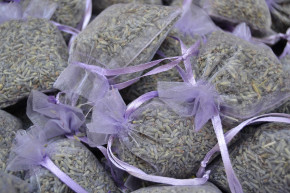
Hay fever comes under the umbrella term of “allergic rhinitis” which is a term used for allergic reactions to irritants such as pollens, grasses and dust.  Typical symptoms include sneezing, copious nasal mucus, sinus congestion, watery, irritated eyes and in some cases even wheezing. 

Hay fever can be further exacerbated by diet and therefore it is important to reduce mucus forming foods – dairy, sugar, white flour, fatty foods and eggs.


Natural Remedies found in the Hedgerow  What's in the hedgerow may cause hay fever, but it can also treat it. Learn 3 different natural remedies for hay fever here. #hayfever #naturesmedicine

From the hedgerow there are several plants that you can pick from your own garden or from the fields, some of which we class as “weeds”:

Elderflower (Sambucus nigra) – make an infusion from the flowering tops and drink 2-3 cups daily.  It is better to start a couple of months before the season, but if you haven’t you can still make an impact on the symptoms by starting now and then continue drinking throughout the hay fever season.  For immediate results you can also just chew the flowers.  By doing so this will dry up the mucus and soothe irritated eyes.  The actions of elderflower tone the mucous membranes of the nose and throat increasing resistance to infection, thus reducing the severity of the attacks.  This is why it is better started before the season starts in full.

Plantago lanceolata (Plantain) – this is the plant that grows commonly in our lawns and we try hard to weed it out!  I was in our student group of budding herbal medicine practitioners when we were visiting Kew Gardens this time last year.  One of my colleagues was suffering greatly that day from hay fever.  Our guide and expert herbalist advised she eat the plantain leaves.  Within 10 minutes all the mucus had dried up, she was no longing sneezing and her eyes had stopped watering.  The main constituents of this plant that have an affinity for hay fever are the anti-histamine and anti allergy actions.  If you don’t want to chew the leaves you can make a tea together with nettle leaves and drink it several times a day. 

Eyebright  (Euphrasia officinalis) – as the name suggests this beautiful little plant is useful for treating eye problems, including inflamed cornea and conjunctivitis.  For hay fever it has the ability to cool tired and watering eyes, whilst tightening up mucous membranes and drying up mucus both helpful when suffering from hay fever.  The plant contains iridoid glycosides that have anti-inflammatory properties, and phenols that inhibit bacterial growth.  Use the aerial parts as a compress on the eyes, or make an infusion and drink between 2-3 cups daily.


I hope you enjoy experimenting with these herbs and going natural.  Not only is it kind on your body, but also your purse!  Please note for severe outbreaks of hay fever consult a professional practitioner.


New here? I write about how to take a holistic approach to health and well-being, to treat illness and help you be the best you can be. You can read similar blogs here:


Conquering Diabetes 2

Ageing Healthily on Meat

Menopause as Nature Intended

Muscle Memory, Loneliness and Health

Karaoke and Laughter - To Boost the Immune System?

How Much I Am "Liked" versus Performance on the Sports Field - Antidepressant in School Children on the Rise

Suffering from Gastric Bloating, Difficulty Digesting Food, Poor Sleep or Skin Disorders? Chamomile, a Most Versatile Herb

Alert - All Hayfever Sufferers!

Stressed? So What?

Beyond Pelvic Health - Your Temple

Suffering from Poor Sleep - Tips for a Good Night's Sleep

Electromagnetic Radiation and Effects on Health and Wellbeing

Artificial Sweeteners - Do They Make You More or Less Fat?

Time for Spring Cleaning?

Brain Health - Naturally

The Role of Emotional Health and Wellbeing - Third Chakra

The Role of Emotional Health and Wellbeing - Second Chakra


Do you love Pinterest as much as I do? Please pin any of these graphics!

What's in the hedgerow may cause hay fever, but it can also treat it. Learn 3 different natural remedies for hay fever here. #hayfever #naturesmedicineWhat's in the hedgerow may cause hay fever, but it can also treat it. Learn 3 different natural remedies for hay fever here. #hayfever #naturesmedicineWhat's in the hedgerow may cause hay fever, but it can also treat it. Learn 3 different natural remedies for hay fever here. #hayfever #naturesmedicineWhat's in the hedgerow may cause hay fever, but it can also treat it. Learn 3 different natural remedies for hay fever here. #hayfever #naturesmedicine

Created Date 18 May 2016
Author Rachel Shackleton
Categories
Kinesiology
Featured Image URL
Herbs for health and wellbeing
Title What's in the hedgerow?
Body

As we leap into spring and I continue with my studies on Herbal Medicine and Naturopathy, I become more aware of how rich the hedgerows are.  How packed they are with energy and natural healing.  Taking a stroll in the countryside at this time of year, firstly what can you find?  Secondly what can it do for you and your wellbeing?

Cleavers or Goose grass (Galium aparine) this straggling plant that sticks to everything and name refers to its ability to cling/cleave to clothing or animals that brush past it.  Growing frantically at this time of year it is full of polyphenolic acids, flavonoids and tannins.  These constituents are valuable as a diuretic, for general detoxification of the body and to aid with swollen lymph glands.  Pick the plant creeping stems and drink as a tea.

Nettle (Urtica doica) – of course we steer clear of any nettles due to the sting they readily administer to those who dare to touch them.  Romans used Urtica as a method of beating the body to bring blood to the surface in order to keep warm. Known as “urtification”.  Nettle leaves are rich in flavonoids, amines, including histamine, acetylcholine and serotonin as well as minerals.  Nettle is also a cleansing and detoxifying herb with diuretic action, aiding the elimination of waste from the body.  Nettle is also an antiallergenic and can be used for treating hay fever, asthma and itchy skin conditions.  The juice from the nettle can be used to treat nettle stings themselves!  Pick the nettle tops and leaves and drink as tea.

Dandelion (Taraxacum officinalis) also rampant at this time of year.  The beautiful yellow flowers visible from a distance when scanning the countryside, turn into the white dandelion “clocks” ready for blowing into the wind.  The dandelion leaf and root is rich in constituents.  The leaf contains courmarins, carotenoids and minerals especially potassium, whilst also being rich in vitamins A, B, C and D.  Dandelion (leaf), like Cleavers and Nettle is also a diuretic which can be used to treat blood pressure by reducing the fluid in the body.  If using the root this is a powerful detoxifying remedy working principally on the liver and gall bladder to aid elimination of waste products.   Beneficial for many conditions including an array of skin problems such as acne, psoriasis and eczema, as well as for constipation.  Enjoy as a tea or put the young leaves into a salad. 

I have only talked about three wild plants in our hedgerows at this time of year. All three are bursting with energy and life and all are detoxifiers.  Perhaps nature is trying to tell us something?   As you spring clean your house, why not give your body a bit of a spring clean with some of these wonderful gifts of nature?

Detoxifying, especially in the spring has many benefits including raising energy levels through effective waste elimination, increasing and improving blood circulation, supporting the main body organs by assisting them to breakdown toxins accumulated and harbored in the body due to air and water pollution, food additives, herbicides and pesticides to name a few, and then eliminate these harmful toxins more effectively through the body’s elimination channels – the skin, liver, kidneys, lungs and bowel.


Created Date 06 May 2016
Author Rachel Shackleton
Categories
Kinesiology
Featured Image URL
Health in the Hedgerow
Title The bodies many cries for water, Dr batmanghelidj
Body

How special it is to read a book by a medical doctor who has spent a large part of his life looking at chronic disease from a totally different perspective.  Dr Batmanghelidj was born in Iran, educated in the UK and practiced in Tehran where, during the 1979 revolution was imprisoned awaiting trial.  It was during this time that he discovered the healing powers of plain water by prescribing a single glass for a prisoner dying of acute stomach pain.  The man recovered and Dr Batmanghelidj saved his own life by presenting a research paper on water to the presiding judge, who gave a shorter sentence so he could expand his study on the subject.

On his release in 1982 he moved to the USA where he set up the “Foundation for the Simple in Medicine” in order to communicate his discovery about the importance of water in the human body to maintain bodily functions and systems.  He linked dehydration as a key factor in causing and/or worsening many chronic illnesses.

The role of water in the body of all living species, humans included has not changed since the earliest creation of life in water.  As life emerged from the water and became more land oriented all species developed a refined body-water-preservation system and drought management system, which has become permanent with time.  It is this system that is heavily dependent on water intake to ensure all bodily functions are running smoothly.

The human body is made up of 75% water and 25% solid matter.  Brain tissue is 85% water.  When cells in the body are starved of water they start to complain manifesting in different reactions.  It is these reactions, according to Dr Batmanghelidj, that lead to chronic disease.

In our world today we are surrounded by choice.  Why would water be interesting?  We are so quick to make that “cuppa”, pour that glass of juice, wine or soda, mistakenly thinking that many are a good source of water.  Of course, this is true, however while containing water they also contain dehydrating agents, thus removing water from the body’s water reserves and with time depleting the overall system.

Assuming Dr Batmanghelidj is right, giving children fizzy drinks and juices instead of a simple glass of water begins the dehydration process early in life.   This habit creates an habitual process and an accustomed taste, automatically quashing the urge to drink water.  How does this dehydration impact the developing mind and body?  Does this have a link to the escalation in chronic diseases that we are seeing in the 21st century?

The need for water, as indicated by the thirst sensation in the mouth, is an indicator that the body requires water. Comparing this to your car, when needing petrol, the fuel gauge lights up or beeps when close to empty, or the arrow sits in the red “danger” zone. If not filling up soon, the engine simply stops.  My point is the thirst sensation is already like your car the last cry for fuel!

Created Date 11 March 2016
Author Rachel Shackleton
Categories
Kinesiology
Featured Image URL
Health and Wellbeing
Title The role of emotion in health and wellbeing – third chakra
Body

Leading on from previous blogs on “The Role of Emotion in Health and Wellbeing”. Lets look at the third chakra more closely:

The Third Chakra also called the Solar Plexus chakra is located in the centre of the body above the navel. This chakra puts order in our lives.  It gives a sense of control over our own lives, whilst also being the seat for decision-making and intuition.  It is the energy centre associated with self esteem and self worth. The identity of the ego.  Do we feel empowered in our jobs and home life?  The third chakra is yellow and it is here that we feel intimidation and fear.  Hence the saying “Yellow Belly”.  When criticized it is usually in the “gut” that we feel discomfort, “knotting” and in extreme cases, even pain.

The Solar Plexus chakra represents mental matters, knowledge and how we communicate with others.  It stimulates activity, focuses attention and brings zest to our purpose.  Emotions associated with the third chakra are repressed anger, fear and panic.

As this chakra is associated with the stomach, liver, pancreas and the duodenum, people who feel overwhelmed and stressed by their responsibility will usually feel this in their stomach, complaining of stomach pains and indigestion.  “I can’t stomach this!”

If the Solar Plexus chakra is malfunctioning this will be seen in the physical through disorders associated with the organs of the body that it governs:

  • Stomach pain and discomfort
  • Indigestion
  • Heart burn and acid reflux
  • Stomach ulcers
  • Gastritis
  • Blood sugar imbalance, potentially leading to diabetes

Solar Plexus chakra energy is in its developmental stage between 18 months to four years.  To develop this chakra effectively the child needs to be nurtured and encouraged to show his/her abilities, thus developing self worth and inner confidence to stand on one’s own.  To be empowered.  Balanced characteristics of the Sacral Plexus chakra are:

  • Good self esteem (a balanced ego strength)
  • Responsible and reliable
  • Ability to make decisions
  • Warm personality

To help develop, stimulate and support the third chakra the following affirmations are useful:

  • I honour the power within me
  • I accomplish tasks easily and effortlessly
  • I can do whatever I choose to do
  • I love and approve myself and I alone create sweetness and joy in my life
  • I trust my inner voice, I am strong wise and powerful

To heal oneself on the physical level it is important to re-connect with the “sweetness” of life and appreciate it.  Be kind to yourself.  Love and approve of yourself.


“In the affinity of life where I am,

All is perfect, whole and complete.

I see any resistance patterns within me

only as something else to release.

They have no power over me.  I am the power in my world.

I flow with the changes taking place in my life as best I can.

I approve of myself and the way I am changing.

I am doing the best I can.  Each day gets easier.

I rejoice that I am in the rhythm and flow

of my ever-changing life.

Today is a wonderful day.

I choose to make it so.

All is well in my world.”  

Louise Hay, You Can Heal Your Life


Created Date 07 January 2016
Author Rachel Shackleton
Categories
Kinesiology
Featured Image URL
Third chakra - self identity and self esteem
Title The Role of Emotion in Health and Wellbeing - Second Chakra
Body

Leading on from my previous blog on “The Role of Emotion in Health and Wellbeing”, lets look at the second chakra more closely:

The Second Chakra is located in the lower abdomen, the Sacral Plexus and is the colour orange.  It represents our ability to feel personal pleasure and pain.  Our reproductive organs are energetically nourished by the second chakra as are the kidneys and bladder.  The second chakra lives in the now and brings us to being personally centred and connected to vital life forces.  The sacral plexus is the centre of creativity, procreation and new ideas. 

Whilst first chakra problems can arise from being out of sync with tribal relationships, this chakra is more about relationships on a one to one basis.  Energy blockages in this chakra are often due to dysfunctional personal relationships around ethics and aspects of honour, whether sexual, business or in friendships. 

The second chakra is also about our relationship with money, whether we feel we are earning our true worth, and how financially secure we feel. As this chakra links through to the lower back, it is not uncommon, if having monetary problems to experience recurring pain in the lower back. 

This chakra can represent how we exercise power over another person.  Governing the sexual organs it relates to our level of comfort around our own sexuality as well as how we sexually relate to others.  Sexually traumatic events such as sexual abuse or rape are stored in the muscles around the sacral plexus and it is not uncommon for women who have been abused to develop recurring infections such as chronic cystitis and pelvic inflammatory disease.  The infection is not only caused by microbes that inflame the tissues, but also an energetic starvation of the second chakra pelvic tissues, leading to a greater susceptibility to recurrent pelvic infections.

If the Sacral Plexus chakra is malfunctioning this will be seen in the physical body in disorders associated with the parts of the body that it governs:

  • Disorders related to lack of and poor sexual energy
  • Deficiency
  • Rigidity in body and attitudes
  • Lower back pain
  • Bowel and bladder issues such as IBS and bladder tumours
  • Addictions

Sacral Plexus chakra energy is in its developmental stage between 6-24 months.   To develop this chakra effectively the child needs to be nurtured in order to feel pleasure.  Balanced characteristics of the Sacral Plexus chakra are:

  • Emotional intelligence
  • Ability to experience pleasure
  • Ability to nurture oneself and others
  • Ability to change
  • Graceful movement
  • Healthy boundaries

To help develop, stimulate and support the second chakra the following affirmations are useful:

  • I embrace and celebrate my sexuality
  • I deserve pleasure in my life
  • I absorb information from my feelings
  • I move easily and effortlessly

To heal oneself on the physical level it is important to re-connect with the body through movement and dance, inner child work, development of friendships – relating to others on a deeper-than-everyday-level, including  emotional release or containment, boundary work and unconditional giving and receiving of love. For addictions it can be addressed through step-by-step programmes.


Created Date 11 December 2015
Author Rachel Shackleton
Categories
Kinesiology
Featured Image URL
Title The Role of Emotion in Health and Wellbeing
Body

After many years of working with people both in the corporate world and as a kinesiologist, I have been fascinated by the role that emotion plays in overall health and well-being.  The Indian system of Ayurveda takes into consideration the Chakra system which runs through our bodies from base to 7th.  There is now a strong belief that chakras go upwards from the body to approximately the 40th chakra.  This means that this is mirrored downwards into the earth to 40 also!  When looking at this approach each one between the first and seventh has corresponding meridian lines, organs and emotions.  What happens if you connect all this information together?  Lets look at this against the First, Root, Earth or Base chakra?

The Base chakra is located at the base of the spine and is the colour red.  It represents tribal connections – society, family, groups etc.   It is the source of the coiled serpent energies of yoga, referred to as ”Kundalini” in Sanskrit.  The chakra extends down through the feet to the earth.  Organs associated with this chakra are lower pelvic areas, testes and ovaries, tissues, bones and bone marrow as well as the anus and rectum.  This energy stimulates the adrenal glands, the intestines and the evacuation of feces.  The associated physiologic functions are excretion, reproduction and immunity. As many of the body’s red and white blood cells are manufactured in the bone marrow, dysfunction of this chakra can contribute to immune-deficiency problems, such as anemia’s, and states of chronic fatigue associated with loss of vitality.  When looking at the emotional and spiritual aspects of this chakra, it is about grounding, fear and safety issues as well as basic survival instincts.  If the Base chakra is malfunctioning this will be seen in the physical body in disorders associated with the parts of the body that it governs.

  • Disorders of the bowel, anus and large intestine
  • Disorders of bones, teeth
  • Issues with legs, feet, knees, base of spine, buttocks
  • Eating disorders
  • Low immunity - Frequent illness

Earth chakra energy plays an essential role during the first five years of life.  To get this energy to flow steadily and to settle into the body, the infant should be given care, love and warmth through caressing, cuddling and massaging.  Balanced characteristics of the Earth chakra:

  • Good health
  • Vitality
  • Well grounded
  • Comfortable in the body
  • Feeling of safety and security
  • Stability and ability to relax and be still
  • Sense of trust to the world

To develop, stimulate and support the Base chakra the following affirmations are useful:

  • It is safe for me to be here – The earth supports me and meets my needs
  • I love my body and trust its wisdom
  • I am immersed in abundance
  • I exist and I am real
  • I am the creator and power in my own life.

To heal oneself on the physical level it is important to re-connect with the body through physical activities such as dance, aerobics, weights, power walking.  Hatha yoga will also be beneficial as will touch and massage.  Meditation to support grounding will also be very powerful to the person who feels ungrounded.


Created Date 16 November 2015
Author Rachel Shackleton
Categories
Kinesiology
Featured Image URL
Root Chakra